Cite this as: Forster, M. and Parker Wooding, J. 2026 'Work Digital, Think Archive, Create Access: Exploring The Legacy Of The Dig Digital Project', Internet Archaeology 72. https://doi.org/10.11141/ia.72.6
The Dig Digital project is an Archaeological Archives Forum (AAF) initiative and represents the culmination of 10 years of research and collaboration. Managed and delivered by DigVentures, in partnership with the Chartered Institute for Archaeologists (CIfA) and funded by Historic England, the aim of Dig Digital was to establish a methodology for digital archive compilation and its integration into archaeological working practices across the United Kingdom. This was achieved by designing a web-based resource, complete with innovative tools and guidance built around FAIR (Findable, Accessible, Interoperable and Reusable) principles, that is integrated within the existing regulatory framework for professional archaeological practice in the UK. The Dig Digital project provides a good example of a collaboratively designed resource that promotes sustainable practices and supports implementation in archaeological digital data management.
Corresponding author: Manda Forster
[email protected]
Independent Consultant
Jen Parker Wooding
[email protected]
Chartered Institute for Archaeologists
Figure 1: The Dig Digital project has benefitted from a partnership approach involving oversight from the Archaeology Archives Forum (AAF); funding and advisory support from Historic England; and delivery by DigVentures in partnership with the professional body Chartered Institute for Archaeologists (CIfA). Source: CIfA.
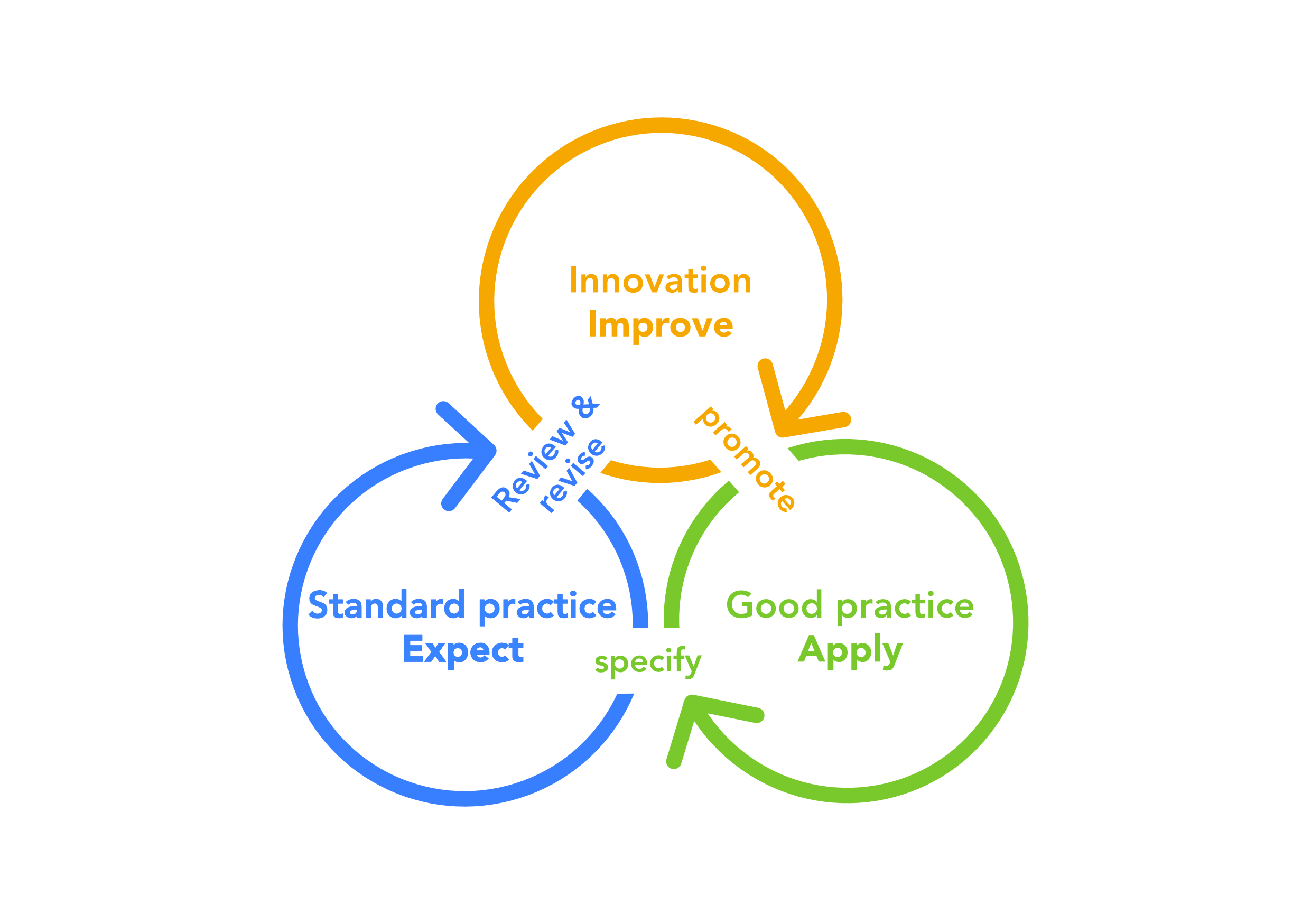
Figure 2: The interplay between innovation, good practice and expected standards. Source: CIfA.
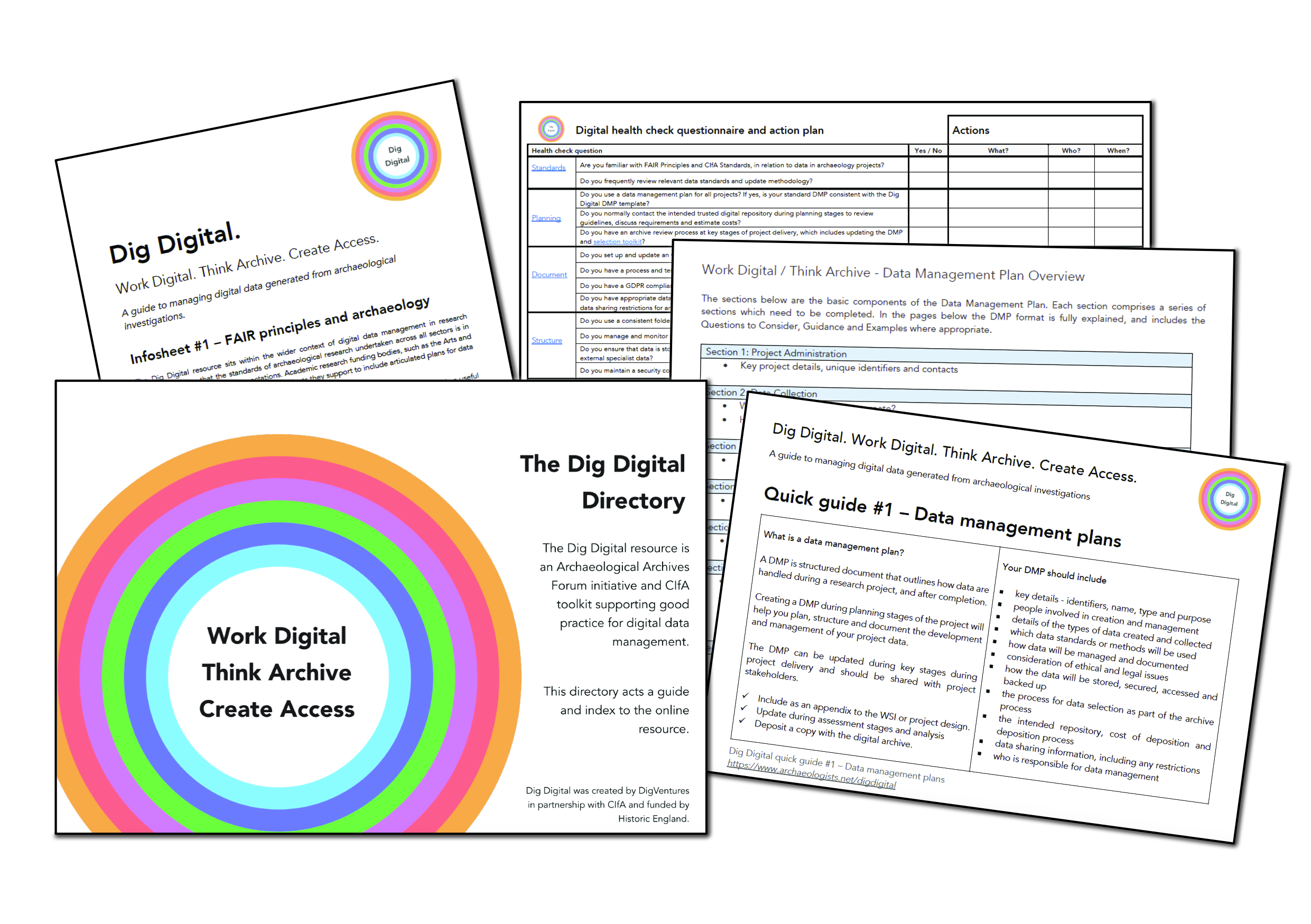
Figure 3: As well as webpage content, the Toolkit includes several resources to aid implementation of the Dig Digital approach. Source: Authors.
Figure 4: The potential influence of the Chartered Institute for Archaeologists (CIfA)’s Registered Organisation scheme on the historic environment sector. Source: CIfA.
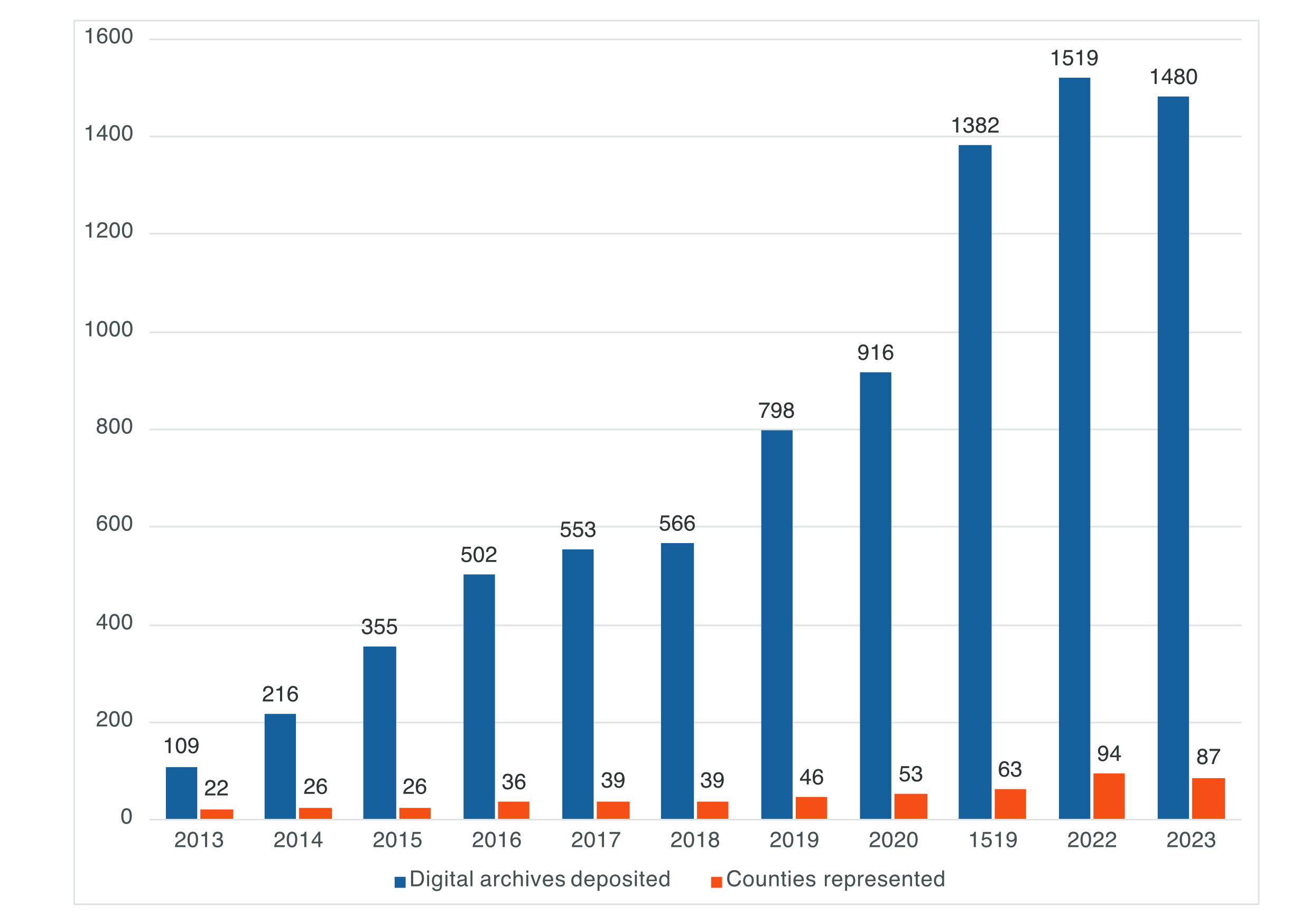
Figure 5: Data provided by the Archaeology Data Service (ADS) shows the number of deposited digital archives against local authorities represented (counties) and new projects initiated (as recorded on OASIS). Source: ADS 2024.
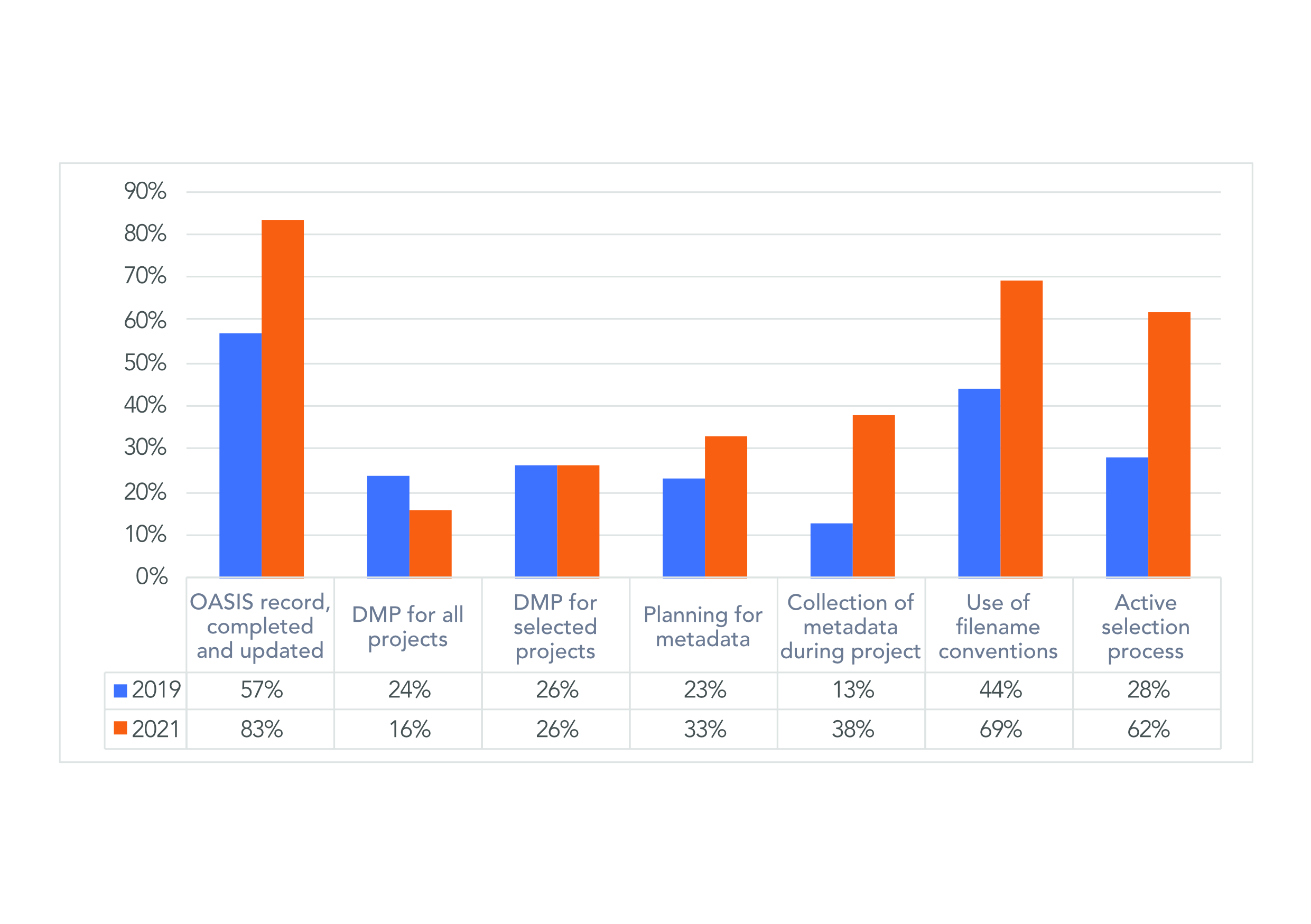
Figure 6: Data from Dig Digital surveys carried out in 2019 and 2021 demonstrated change and increased confidence. Sources: Authors.
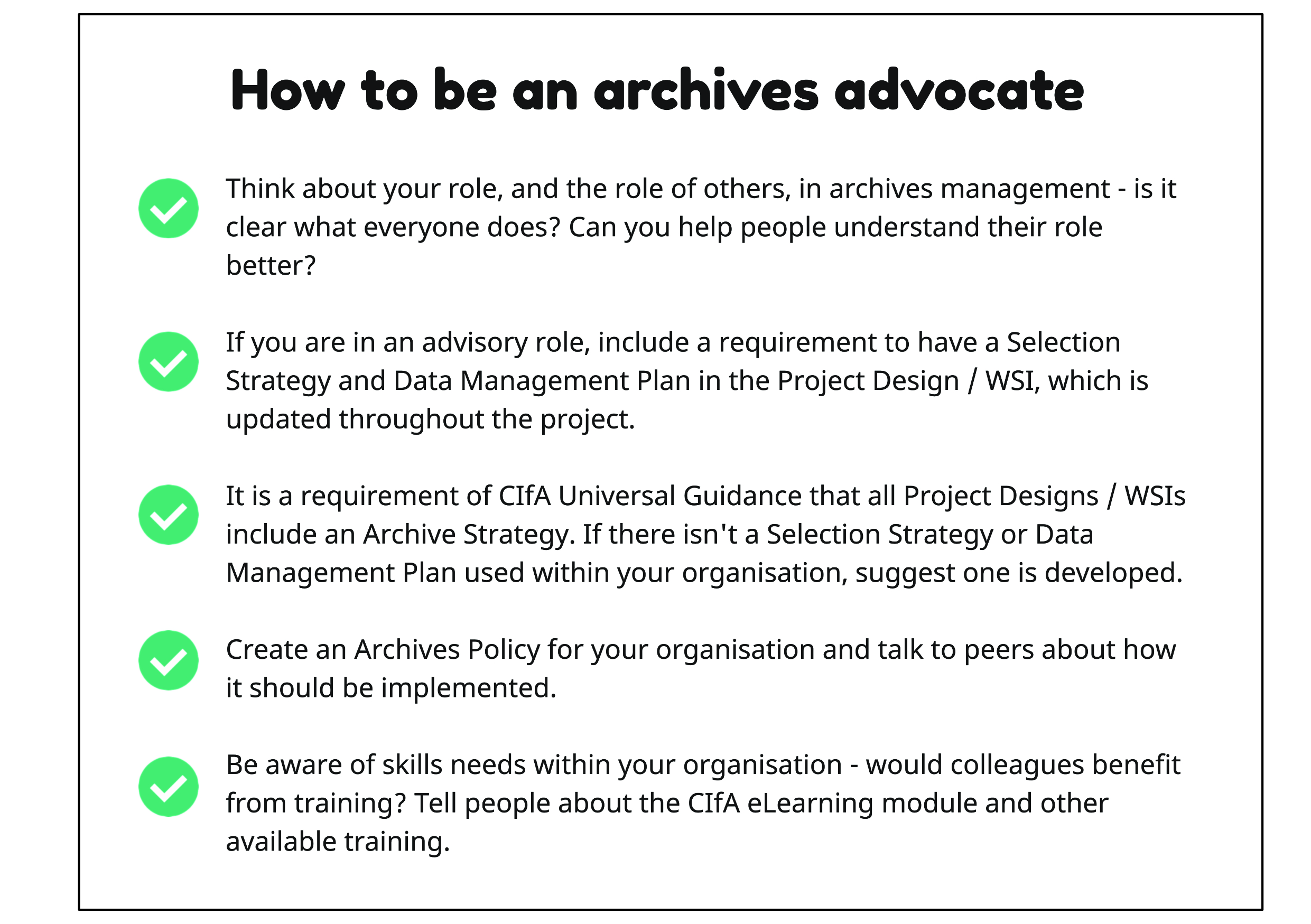
Figure 7: A call out for all archaeologists to be an archives advocate from the CIfA eLearning module on the creation of FAIR, sustainable and ethical archives. Source: Authors.
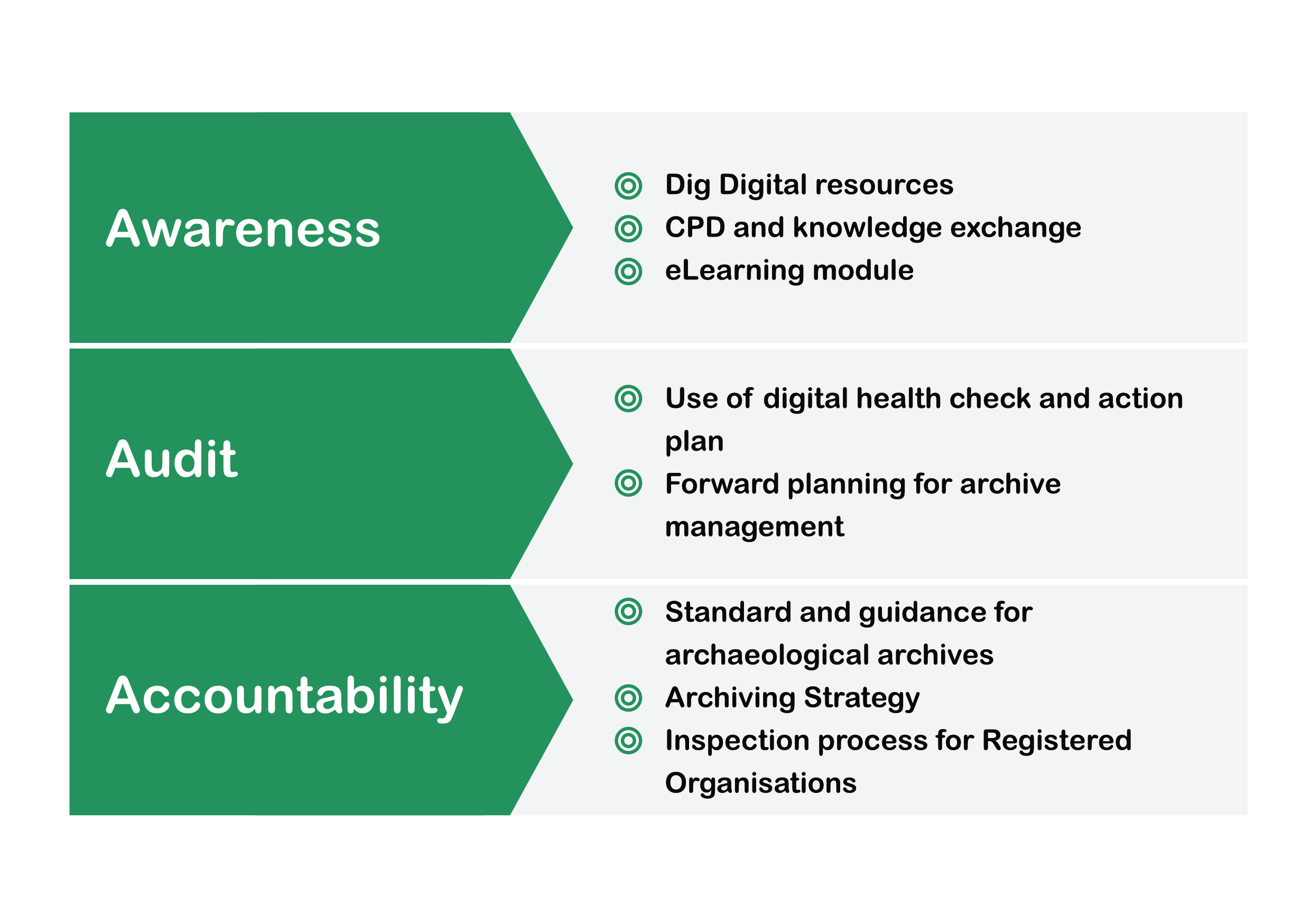
Figure 8: Dig Digital has been delivered within the Chartered Institute for Archaeologists (CIfA)’s existing framework of awareness, audit and accountability. Source: CIfA.
Aitchison, K. and Rocks-Macqueen, D. 2025 State of the Archaeological Market 2024, London: Federation of Archaeological Managers and Employers. https://famearchaeology.co.uk/state-of-the-archaeological-market-2023-24/
Baird, J. and McFayden, L. 2014 'Towards an archaeology of archaeological archives', Archaeological Review from Cambridge 292, 14-32.
Brown, D. 2011 Archaeological Archives. A Guide to Best Practice in Creation, Compilation, Transfer and Curation, 2nd edn, Reading: Institute of Archaeologists on behalf of the Archaeological Archives Forum. https://archives.archaeologyuk.org/aaf_archaeological_archives_2011.pdf [Last accessed: 1 Jan 2026]
CIfA 2014 (updated 2020) Standard and Guidance for the Creation, Compilation, Transfer and Deposition of Archaeological Archives, Reading: Chartered Institute for Archaeologists.
CIfA 2023 Universal Guidance for Archaeological Excavation, Reading: Chartered Institute for Archaeologists. https://www.archaeologists.net/sites/default/files/2024-11/CIfA-Universal-Guidance-Archaeological-Excavation_2023.pdf [Last accessed: 1 Jan 2026]
Donnelly-Symes, B. 2019 Planning for Archives: Opportunities & Omissions, Association of Local Government Archaeological Officers (ALGAO). https://historicengland.org.uk/images-books/publications/planning-for-archives/planning-for-archives/ [Last accessed: 1 Jan 2026]
Edwards, R. 2012 Archaeological Archives and Museums, Society of Museum Archaeologists. https://socmusarch.org.uk/socmusarch/gailmark/wordpress/wp-content/uploads/2016/07/Archaeological-archives-and-museums-2012.pdf [Last accessed: 1 Jan 2026]
Fernie, K., McNulty, P. and Dawson, D. 2017 Seeing the Light of Day: Securing a Sustainable Future for Archaeological Archives, Arts Council England and Wiltshire Museum. https://seeingthelightofday.wordpress.com/wp-content/uploads/2017/10/summary-report-seeing-the-light-of-day-2017-10-26.pdf [Last accessed: 1 Jan 2026]
Forster, M. with contributions by Parker Wooding, J. and Casswell, C. 2019 Dig Digital. Work Digital. Think Archive. Create Access. A Guide to Managing Digital Data Generated from Archaeological Investigations, DigVentures. https://www.archaeologists.net/sites/default/files/2025-03/DigDigital_Full_Guidance.pdf [Last accessed: 1 Jan 2026]
Mendoza, N. 2017 The Mendoza Review: An Independent Review of Museums in England, London: Department for Digital, Culture, Media & Sport. https://assets.publishing.service.gov.uk/media/5a8204a2ed915d74e623557f/The_Mendoza_Review_an_independent_review_of_museums_in_England.pdf [Last accessed: 1 Jan 2026]
Merriman, N. and Swain, H. 1999 'Archaeological archives: serving the public interest?', European Journal of Archaeology 2(2):249–267. https://doi.org/10.1179/eja.1999.2.2.249
Schwartz, J. and Cook, T. 2002 'Archives, records, and power: the making of modern memory.' Archival Science 2, 1–19. https://doi.org/10.1007/BF02435628
Swain, H. 2011 'Forward' in D. Brown (ed) Archaeological Archives. A Guide to Best Practice in Creation, Compilation, Transfer and Curation, 2nd edn, Reading: Institute of Archaeologists on behalf of the Archaeological Archives Forum.
Trow, S. 2018 Mendoza Review: Historic England's Recommendations to DCMS on the Future of Archaeological Archives, March 2018, London: Historic England. https://historicengland.org.uk/content/docs/consultations/he-response-to-dcms-mendoza-review-mar18-pdf/ [Last accessed: 1 Jan 2026]
Wilkinson, M.D., Dumontier, M., Aalbersberg, Ij.J., Appleton, G., Axton, M., Baak, A., Blomberg, N., Boiten, J.-W., da Silva Santos, L.B., Bourne, P.E., Bouwman, J., Brookes, A.J., Clark, T., Crosas, M., Dillo, I., Dumon, O., Edmunds, S., Evelo, C.T., Finkers, R., Gonzalez-Beltran, A., Gray, A.J.G., Groth, P., Goble, C., Grethe, J.S., Heringa, J., 't Hoen, P.A.C., Hooft, R., Kuhn, T., Kok, R., Kok, J., Lusher, S.J., Martone, M.E., Mons, A., Packer, A.L., Persson, B., Rocca-Serra, P., Roos, M., van Schaik, R., Sansone, S.-A., Schultes, E., Sengstag, T., Slater, T., Strawn, G., Swertz, M.A., Thompson, M., van der Lei, J., van Mulligen, E., Velterop, J., Waagmeester, A., Wittenburg, P., Wolstencroft, K., Zhao, J., and Mons, B. 2016 'The FAIR Guiding Principles for scientific data management and stewardship', Scientific Data 3(1):160018. https://doi.org/10.1038/sdata.2016.18
Internet Archaeology is an open access journal based in the Department of Archaeology, University of York. Except where otherwise noted, content from this work may be used under the terms of the Creative Commons Attribution 3.0 (CC BY) Unported licence, which permits unrestricted use, distribution, and reproduction in any medium, provided that attribution to the author(s), the title of the work, the Internet Archaeology journal and the relevant URL/DOI are given.
Terms and Conditions | Legal Statements | Privacy Policy | Cookies Policy | Citing Internet Archaeology
Internet Archaeology content is preserved for the long term with the Archaeology Data Service (ROR). Help sustain and support open access publication by donating to our Open Access Archaeology Fund.
 Home
Home