Cite this as: Monckton, L. 2026 Transforming lives through archaeology: civil society, social justice and heritage, Internet Archaeology 73. https://doi.org/10.11141/ia.73.1
Historic England has taken a strategic approach to wellbeing and heritage since 2018. In that year we published the wellbeing and the historic environment assessment in which we introduced a framework for considering ways in which heritage could work to create wellbeing outcomes (Reilly et al. 2018). This was followed by our Wellbeing and Heritage Strategy in 2022 (Historic England 2022). A new Wellbeing and Heritage Strategy is now available showing our continued commitment to understanding heritage-led wellbeing more fully.
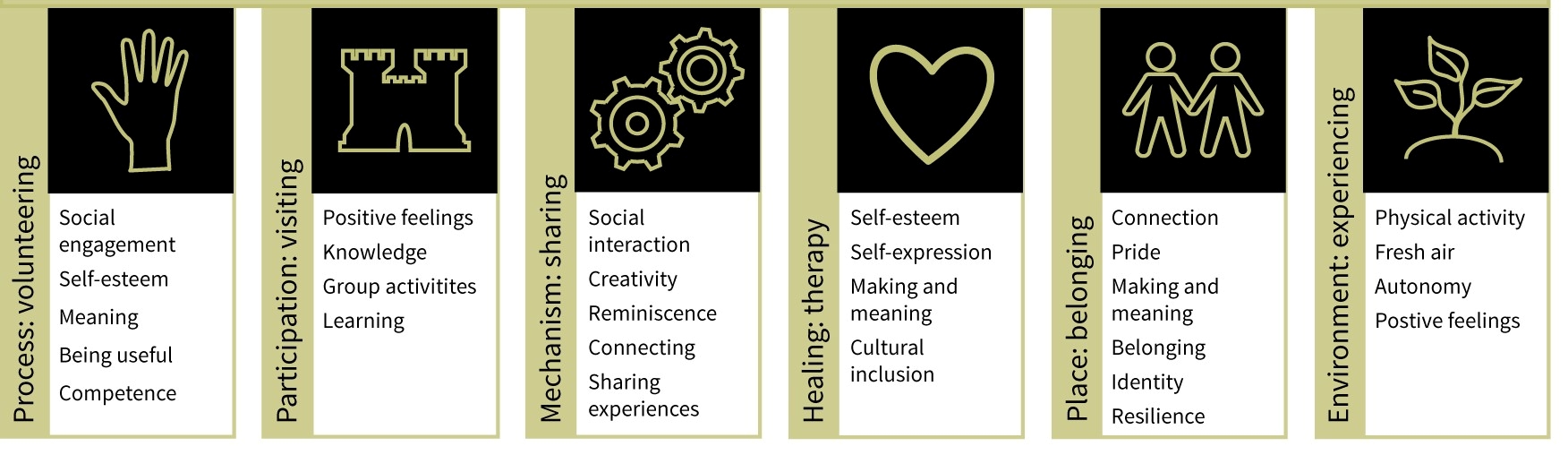
This framework is not intended to provide anything like the last word on this issue, rather it was a first attempt to provide a conceptual approach to help us, and others, to frame and discuss wellbeing and heritage. The first two elements of the framework talk about visiting heritage sites and cultural assets (often the type of 'heritage' that most people think of when the issue is raised) as well as volunteering. Later in this volume there is an article by Carenza Lewis and colleagues which articulates the results of research showing that, in addition to the general benefit from volunteering, heritage volunteering brings particular benefits, and working with 'at risk' heritage sites has produced further identifiable elements to the range of benefits discovered (Lewis et al. this issue).
Working with the concept of volunteering is covered in Desi Gradinarova's article on social prescribing approaches to embedding heritage into community wellbeing offers (Gradinarova this issue). The work of Heritage Connectors and Buddies road-tested how local people with frequent incidental contact with their communities (such as hairdressers, taxi drivers and others) might be 'trained' in the benefits of heritage for wellbeing, and thus begin to connect community members in need of support to these ideas, and signpost them to other relevant places.
The idea that visiting sites of cultural interest has some educational or leisure benefit is not new, but in recent years a much more nuanced approach to understand what kinds of benefits exist and why has been undertaken, including work by Jo Sofaer in the Places of Joy: Heritage after Lockdown project (Sofaer et al. 2021).
This idea that there are benefits in hedonic and eudemonic wellbeing, especially with regard to social connection and ontological security, opened up new possibilities for thinking about how this could be put to good use to support particular groups of people. One issue in the post-COVID-19 landscape which raised particular concern for many was the mental health of NHS staff. Faced with unprecedented and essentially unanticipated complexity and stress, alongside the unrelenting financial pressure the Service is always under, has an impact on all types of staff. This new work by the University of Southampton with Portsmouth NHS Trust and other partners looked at if, and how, visiting heritage sites might impact positively on the lives of NHS staff (see Sofaer et al. this issue).
Using objects, places and things to create opportunities for a form of active participation with specific wellbeing and health outcomes, is covered by the mechanism and healing elements of the framework. This alludes to the potential for sharing, creating social connections and working in more directed therapeutic ways to address unmet needs within society.
It is within these categories that the remainder of the articles in this issue predominantly relate. Specific communities were involved in the work in Worcester through the Life Stories programme, the marine heritage work and in the work in Bradford and further afield. Totally different types of heritage form the basis for active participation. Working with people living with dementia and their carers was the initial goal of the Worcester Life Stories programme although as it evolved, other benefits for wider constituencies became apparent, including working with younger people in schools (Bray and Payne-Lunn this issue). An underutilised resource of photographs within the local Historic Environment Record has been given a new life as a tool for exploring individual story telling.
The National Lottery Heritage Fund supported 'The Y Support Project', a leading youth homeless charity for Leicester and Leicestershire, through their 'kick the dust' programme which aimed to provide life changing opportunities for young people who have experienced trauma or have complex and often unmet needs. Alison James and Beccy Austin's paper sets out the character and outcomes of the 'Y Heritage makes a splash' part of the programme and the Salcombe Cannon wreck project, which aimed to create a legacy for a local voluntary diving group (James and Austin this issue).
The Later Prehistoric Norfolk Project is an archaeological research project which uncovered information and key monuments with a programme to explore community building and wellbeing through understanding past landscapes. This project had a strong place focus, through which Andy Hutcheson and his co-authors explain the successful community which was built through an exploration of place-specific archaeological heritage (Hutcheson et al. this issue). Like the other work above, this project shows how work is done, what can be achieved, clearly signposts the factors for success but also looks forward to what the next steps for improvement and development might be.
A place-based set of projects described by Croucher et al. (this issue) consider how digital representations of local places, done with accuracy and community engagement, can support decision-making and work to better understand heritage values in a local and global context. This article also describes working with people experiencing bereavement and loss in specific communities, which was the focus for 'continuing bonds' and 'dying to talk' where specific methods using funerary archaeology were developed to build resilience in individuals struggling with their loss. Collectively, these and the other projects described by Croucher et al. worked to build sense of identify and feelings of belonging, as well as autonomy and confidence. They all involved experiential learning, interdisciplinary research and engagement and were rooted in concepts about connection. Connection to people, place and our past is shown to be a successful mechanism to improve wellbeing in vastly different contexts.
The Voluntary, Charity, Faith and Social Enterprise (VCFSE) sector in England is, arguably, part of the backbone of communities across the country. This strong civil society sector makes untold differences to individuals all the time in settlements large and small and beyond. Enormous amounts of work just happens without fuss, without recognition and without reward for those who organise them. This sector has experienced in recent years a new opportunity, or challenge, depending on one's point of view. The Department of Health has invested heavily in Social Prescribing which sets out a structure through which GPs - and others - can refer patients with identifiable needs to solutions which are socially rather than medically derived. Within the heritage sector itself there is significant knowledge of the potential for heritage-led work to support issues from mental health, post-traumatic stress disorder (PTSD), loneliness and social isolation, amongst others. How then can this potential be directed towards people who are most in need? Social Prescribing is one key tool for considering this as it depends upon a referral process which has already identified a need and developing a person-centred response to that need. In wanting to explore what a heritage-led approach to this might look like, Historic England funded The Restoration Trust to employ the first ever heritage link worker (or social prescriber) and part of Desi Gradinarova's article explains the process and outcomes of this pilot project (Gradinarova this issue).
These projects all have two things in common. All of the work described here is driven by a desire to create positive change, to understand or maximise the public benefit of archaeology and the historic environment more generally. As an organisation, Historic England is committed to better understanding how heritage and wellbeing intersect and the ways this can be put to good use for the benefit of communities. The projects in this volume help us all achieve that shared goal.
The other thing they have in common is their reliance upon the work of partners who were prepared to work with us on exploring new and extended opportunities for wellbeing. The range of work presented even in this small subset of what goes on in the heritage sector covers archives to underwater heritage, it explores the nature of discovery inherent in archaeological practice and heritage led work that can deliver untold riches to those engaged in it.
Society needs the creation of an environment full of protective factors for our health and wellbeing, but it also needs proven ways to support and assist anyone and everyone who has particular health and wellbeing needs. This is not a 'nice-to-have', this is the foundation of civil society, the origins of the formation of the NHS and social care.
Bevan, the father of the NHS, had a particular concern with the importance of an individual life well lived. That was a central priority for him and is demonstrated through his own words (Davies 2019). Davies explores how Bevan rejected the utilitarian principle of 'the greatest good for the greatest number', arguing that this cannot excuse indifference to individual suffering. Bevan states that 'There is no test for progress other than its impact on the individual. If the policies of statesmen, the enactments of legislatures, the impulses of group activity, do not have for their object the enlargement and cultivation of the individual life, they do not deserve to be called civilised' (Bevan 1952 cited in Davies 2019, 150).
This is not about an individualistic culture, which is sometimes associated strongly with the politics of the 1980s, but about a person-centred approach rooted in the concept of social justice. The idea of wellbeing - complex, nuanced and dynamic as it is - is one which is also rooted in social justice. This is manifested in the UN 2030 Agenda for Sustainable Development which states 'that ending poverty and other deprivations must go hand-in-hand with strategies that improve health and education, reduce inequality, and spur economic growth - all while tackling climate change and working to preserve our oceans and forests' (United Nations 2015). And of course, Goal 3 aims to 'ensure healthy lives and promote well-being for all at all ages'. But it is also a foundation stone for the civil society that works through collective activity to serve the needs of local communities.
In 2001, David Blunkett (Home Secretary from 2001 to 2004 in the Labour government under Tony Blair) stated in a lecture to Civitas that 'the politics of democracy are about public engagement, civil renewal and the strengthening of society through the recognition and acceptance of responsibility'. He presents democracy not as a thing which happens to us, and not even something which we participate in but something that 'we are' (Blunkett 2001). Community action is about more than being helpful but has everything to do with the formation and sustenance of democracy and ultimately enables an ethically driven counterpoint to injustice that should exist in every community.
This link between civil society through democracy to social justice may seem obvious. However the right of access to cultural heritage is also embedded within the UN sustainable development goals - 4, 8 and 11 (British Council 2020, 11) and 'the right of access to and enjoyment of cultural heritage is a human right guaranteed by international law' (Bennoune 2016) as protected in several international laws but notably in Article 27 of the 1948 Universal Declaration of Human Rights.
The role of this issue and its contribution to the literature on this topic therefore is, in part, to illustrate how we may bring together these two human rights in one place. How can we as a heritage community operate to deliver this dual social justice approach?
There are now, and have long been, concerns over the instrumentalization of heritage. This has taken various forms but at its most extreme is set against a theory often summarised as 'art for art's sake'. This fear of instrumentalization is to my mind a bit of a red herring. Heritage is - like wellbeing - complex, nuanced and dynamic. Like social prescribing it is also person-centred. Heritage as a process of creation is, in essence, values based and therefore cannot be separated from society. How society operates is inherently political and therefore the very concept of heritage can be put to uses good and bad. It does not and has never existed in a vacuum. Concern has existed in recent years about the relevance of heritage to society, which is odd given that society creates it. However, the tenor of this debate seems to be mostly about how social values and heritage values co-exist and how the protection of material places can uphold those values or indeed shape or reflect them. This field has burgeoned into a significant area of literature mostly within the field of critical heritage studies and there is not space to rehearse and dissect it here. However, when we worry about instrumentalization in any 'new' forms we should perhaps reflect on the fact that culture, creativity and heritage have always had purpose and therefore the issue is not to assume that a new purpose dilutes their purity, but that it provides an opportunity for that purpose to expand or be recognised in new ways. So much of the benefit of heritage-led wellbeing is related to the fact that active participation results in individuals feeling a sense of purpose, that it seems only fitting that we should acknowledge this 'purpose' as an inherent characteristic of the very notion of heritage. Wellbeing, rather than a distraction, is now a part of a way of articulating what a collective of value and impact actually does and could look like (Monckton 2021) through supporting the discovery of purpose and the purpose of discovery.
Another key feature of heritage-led practice is its power to connect. These two features of purpose/meaning and connection are identified as key elements by the New Economics Foundation (NEF) framework for individual and community wellbeing.
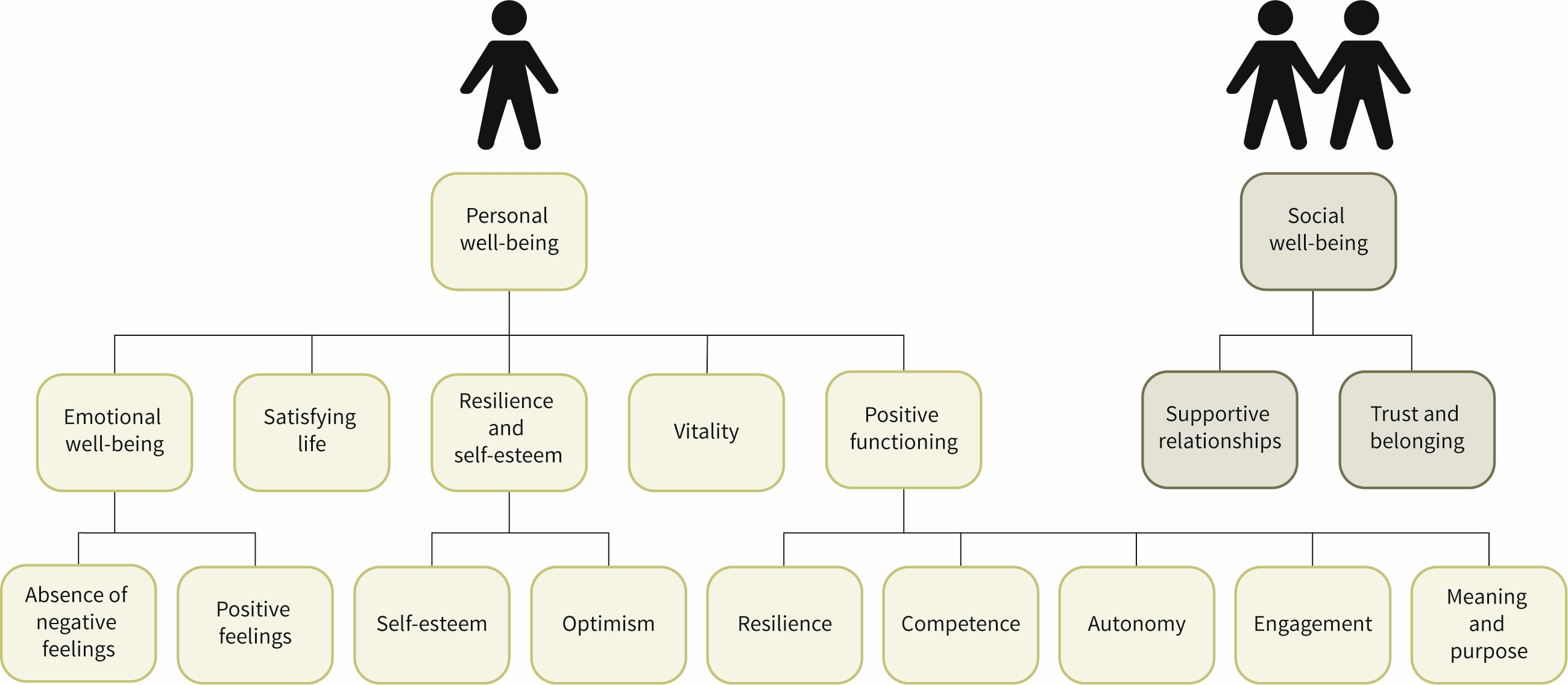
There are also personal reflective elements concerning confidence, resilience and autonomy. How does heritage extend beyond the general outcome to the individual and the specific impact? Can it enable transformation? Those working in this field already will no doubt be aware that it can. But understanding the specifics of this transformation and the potential of different approaches in different settings will enable us to constantly work with even greater awareness to support individuals on their journeys.
It was with this in mind that Historic England commissioned Wessex Archaeology, an archaeological and heritage service provider and educational charity in the UK, to explore how we might work with young people with unmet mental health needs within the school and youth justice system. The resulting feasibility study set out the potential relevance of self-determination theory to an archaeological and heritage-led approach to a short-term intervention, which we called Project Rejuvenate. The material in this section is derived from the larger report on Project Rejuvenate (Chalmers et al. 2024).
Self-determination theory (SDT) says that people are inherently and individually motivated, but that this motivation is easily derailed by societal factors. SDT sees a supportive external environmental as complementary and necessary to self-motivation, and it is this very environment that Rejuvenate aims to create. A deeper explanation of SDT and its relationship to Rejuvenate can be read in the feasibility report (Woodhouse 2020, 27-29).
In 2023, through generous funding by The Historic England Foundation, The Swire Trust, Edward Vinson 1957 Charity and Rockthorn, we were able to pilot the suggested approach in a school and youth justice context. The former took place in Wiltshire and was run by Wessex Archaeology who worked with year 9s (children aged 14 years) through a 12-week intervention. The latter was run by Isle Heritage, a community focused archaeological company, working with the Kent Youth Justice Service, part of Kent County Council, to support children aged 10-17 to reintegrate into the community, through an 8-week intervention.
We were all acutely aware of the issues around short-term interventions (for example see Bundhoo et al. 2025), but we needed to work out what worked and how: establishing a proof of concept was the crucial goal for this stage of the work. Examples, some well-known, exist for this sort of work with veterans (Operation Nightingale, Waterloo Uncovered and others) but what were the characteristics that would create meaningful benefit to young people?
In the manner of social prescribing, the cohorts were determined by 'referrers', in this case the School and the Youth Justice Team respectively.
The pilot projects took the form of a working partnership between archaeological and heritage organisations, alongside a state secondary school in Wiltshire and the youth justice team in Kent. Together we worked to create interventions that would help young people and children who are encountering significant barriers to reaching their full potential. The goal of the project was to expand the capacity of vulnerable young people to appreciate and realise their own potential, where it is suppressed by circumstance or lack of self-belief.
The root causes of individual children's disengagement from school or of an increase in their vulnerability to crime can be both diverse and complex. Rejuvenate, at this stage, did not seek to address the root causes of the individual disengagements but instead to provide a programme focused on their emotional wellbeing. Our intention was to provide an alternative environment from school and new experiences that reinvigorate children's emotional wellbeing. Both projects were carried out with an integrated team of professionals operating in local schools and local wildlife, nature, archaeological and heritage settings.
Across these sessions, participants visited local heritage sites and took part in archaeological and creative activities. These were designed to immerse the children in their historical settings and build their capabilities. The two delivery organisations worked together to oversee evaluation and to ensure consistency across the two projects. The overall purpose was not only to provide evidence of whether such interventions can have a positive impact, but also to understand if there is a key characteristic of the programme that achieves positive impact for the participants. The programme's potential positive impact has been measured against five desired outcomes. The principles behind these emerged from the feasibility stage of the project carried out by Wessex Archaeology for Historic England (Woodhouse 2020):
The evaluation provides compelling evidence that is it not just the activities themselves, but the manner in which they are delivered that proves crucial in achieving a successful intervention.
Participants built a range of transferable skills such as resilience, critical thinking, communication, and cooperation, all through a stronger connection to the historic environment. In Kent, where the project focused on engaging with young people within the youth justice system, their case worker described it as 'the best reparations programme they had ever been on'. In Wiltshire, the project was delivered in partnership with a high school for children at risk of falling out or of underachieving their potential within mainstream education. They recorded a significant reengagement with school.
Though Rejuvenate is a programme outside of a normal school setting, the importance to the children of having an alternative regular structure in their lives that is delivered by trusted adults should not be underestimated. It provides a consistency from which the child can explore and feel empowered. Experiencing a safe structure and witnessing a group of adults modelling positive behaviour both played crucial roles in providing the foundations for positive engagement.
An important element in curating a positive and open environment for the participants, was the positivity and clear personal and professional commitment from all the adults involved in providing the sessions.
These two projects have considerably added to the available research on heritage-based intervention programmes by providing clear evidence of the characteristics and outcomes of a successful intervention. The information below is taken from the report on Rejuvenate jointly authored by Historic England, Wessex Archaeology and Isle Heritage (Chalmers et al. 2024).
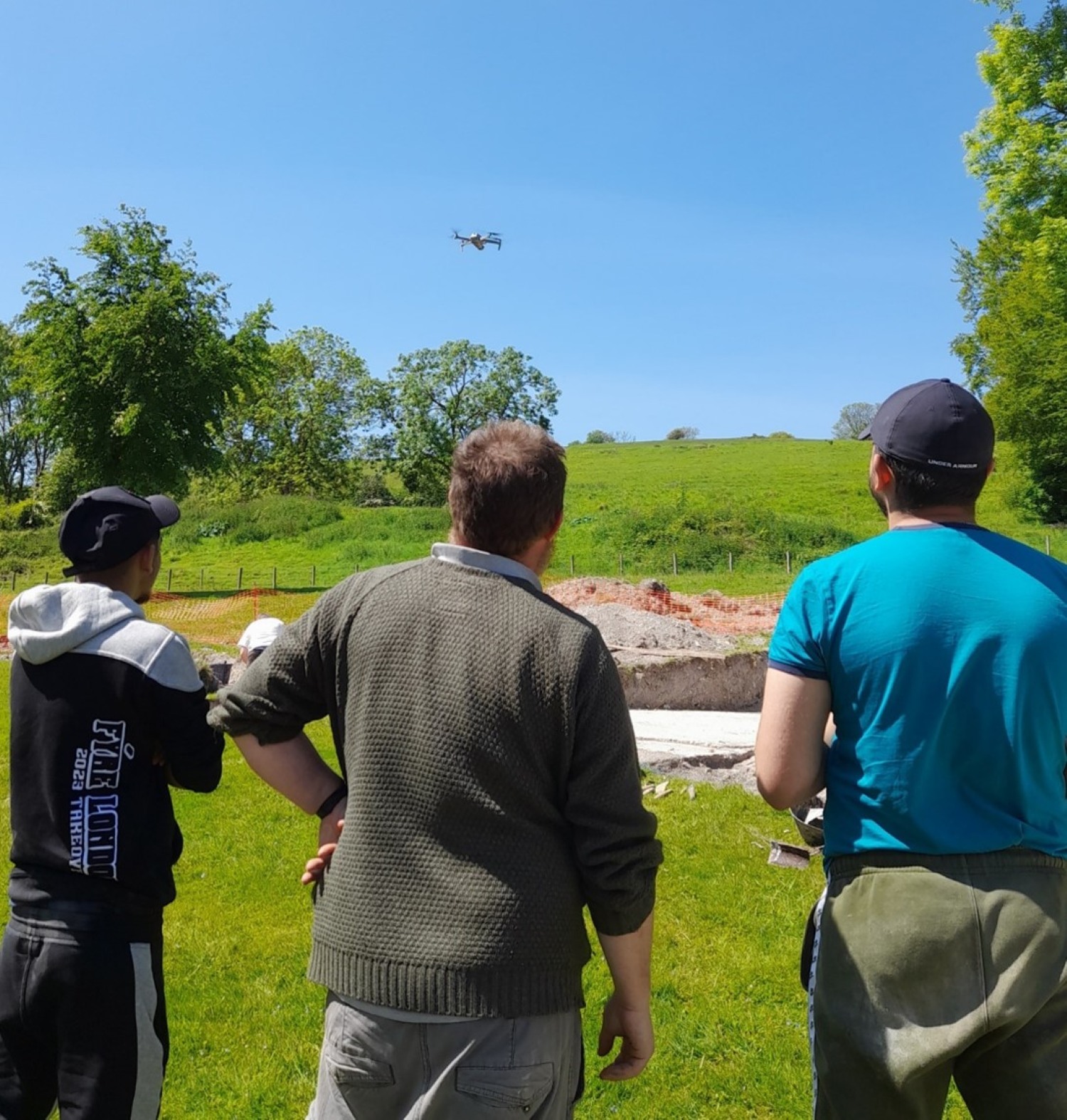
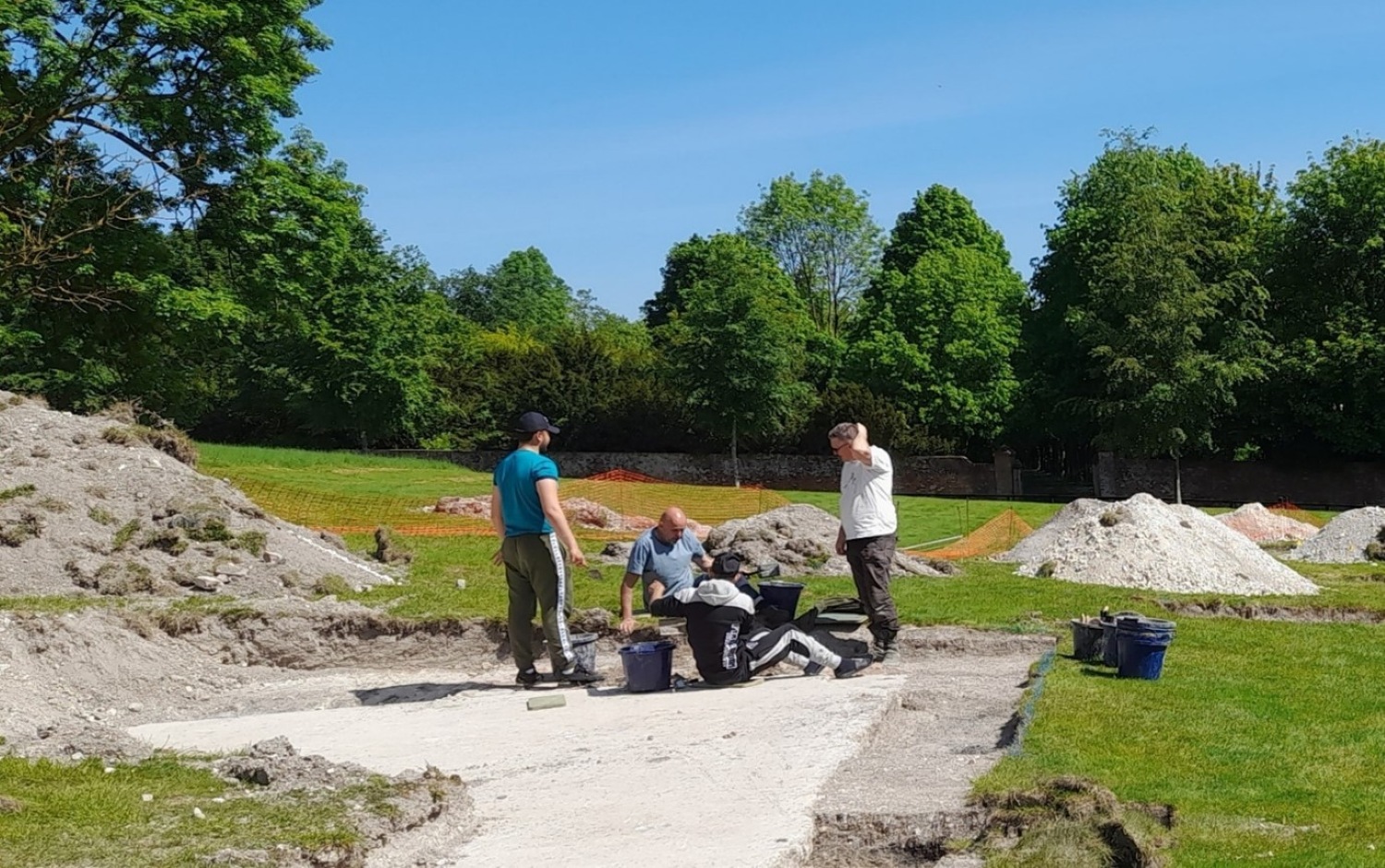
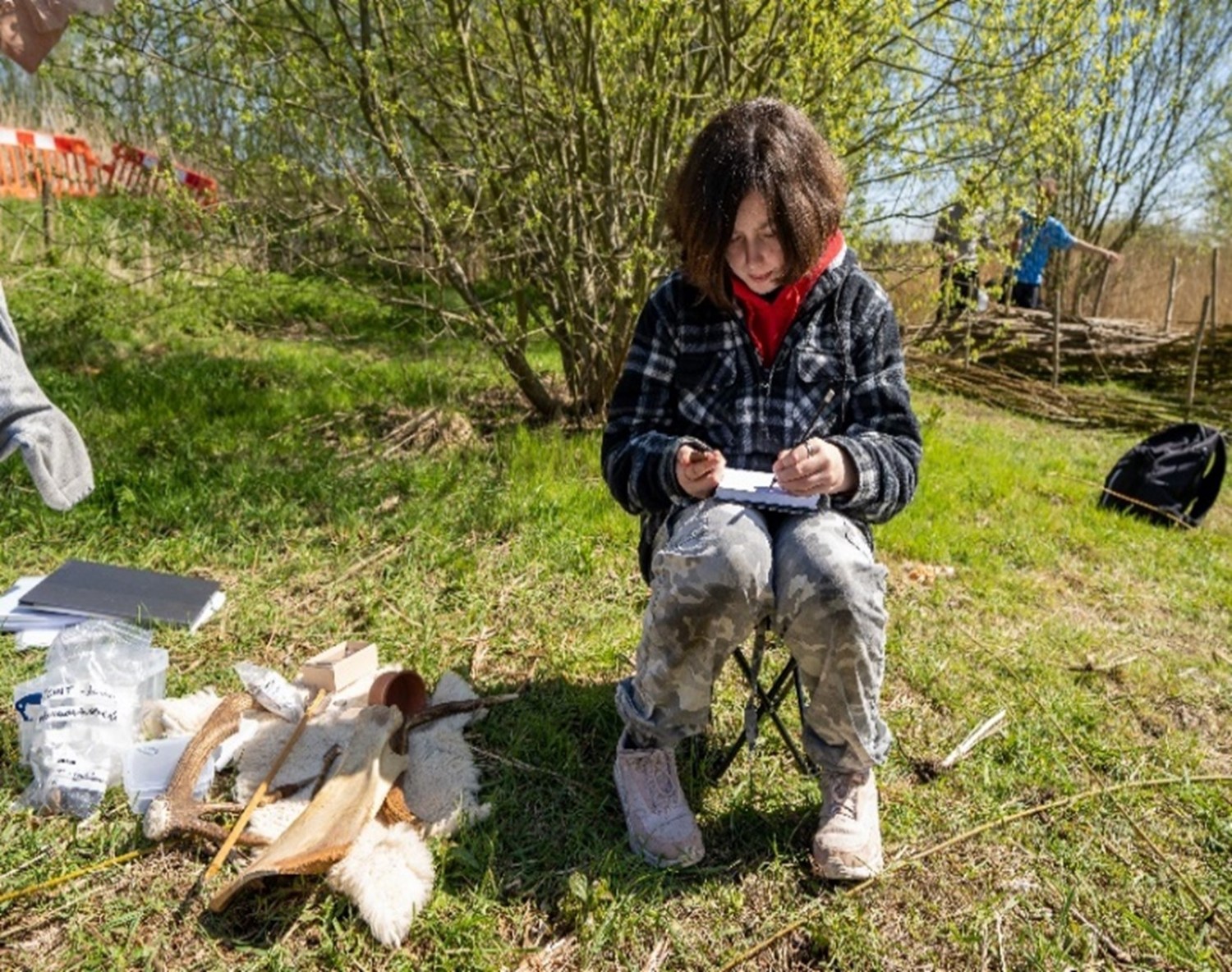
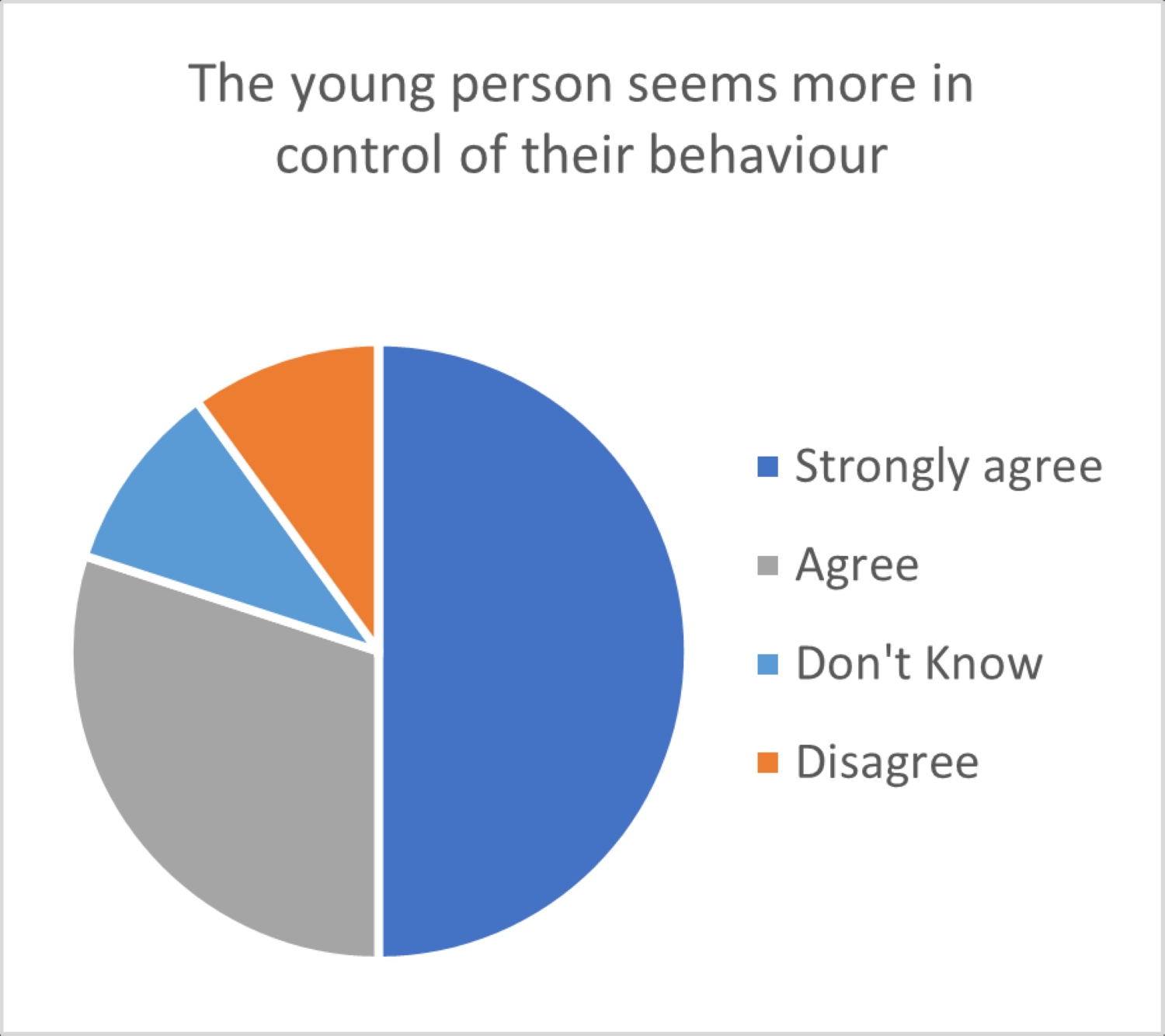
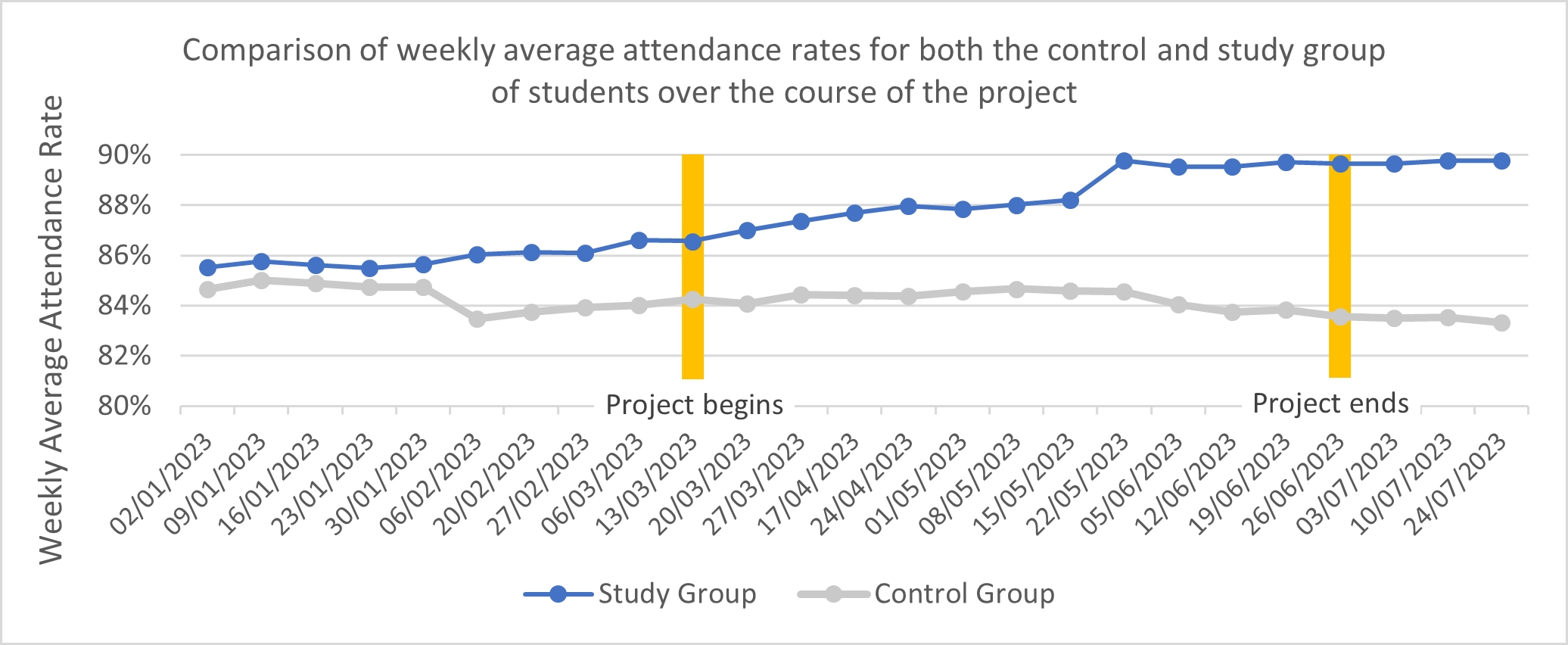
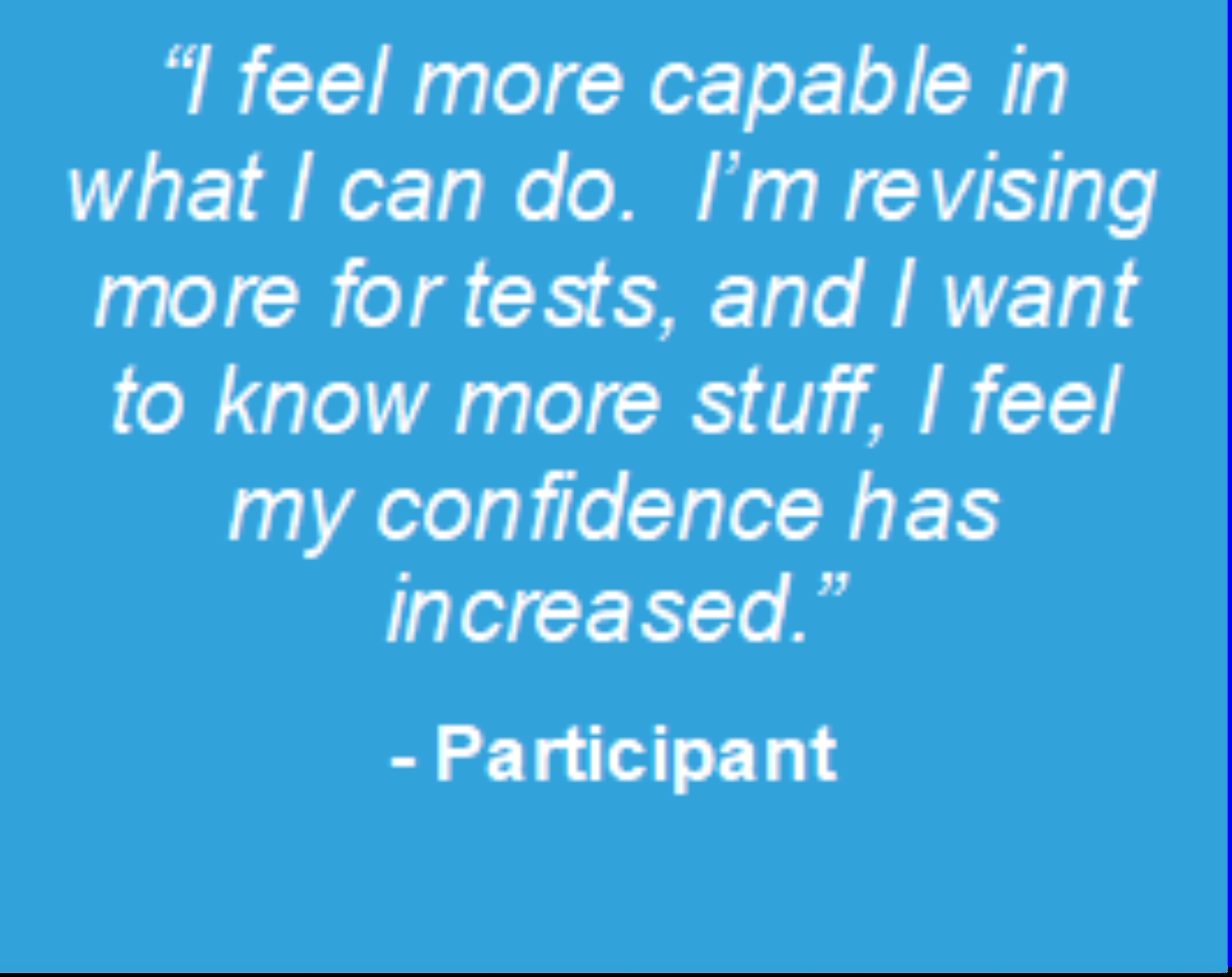
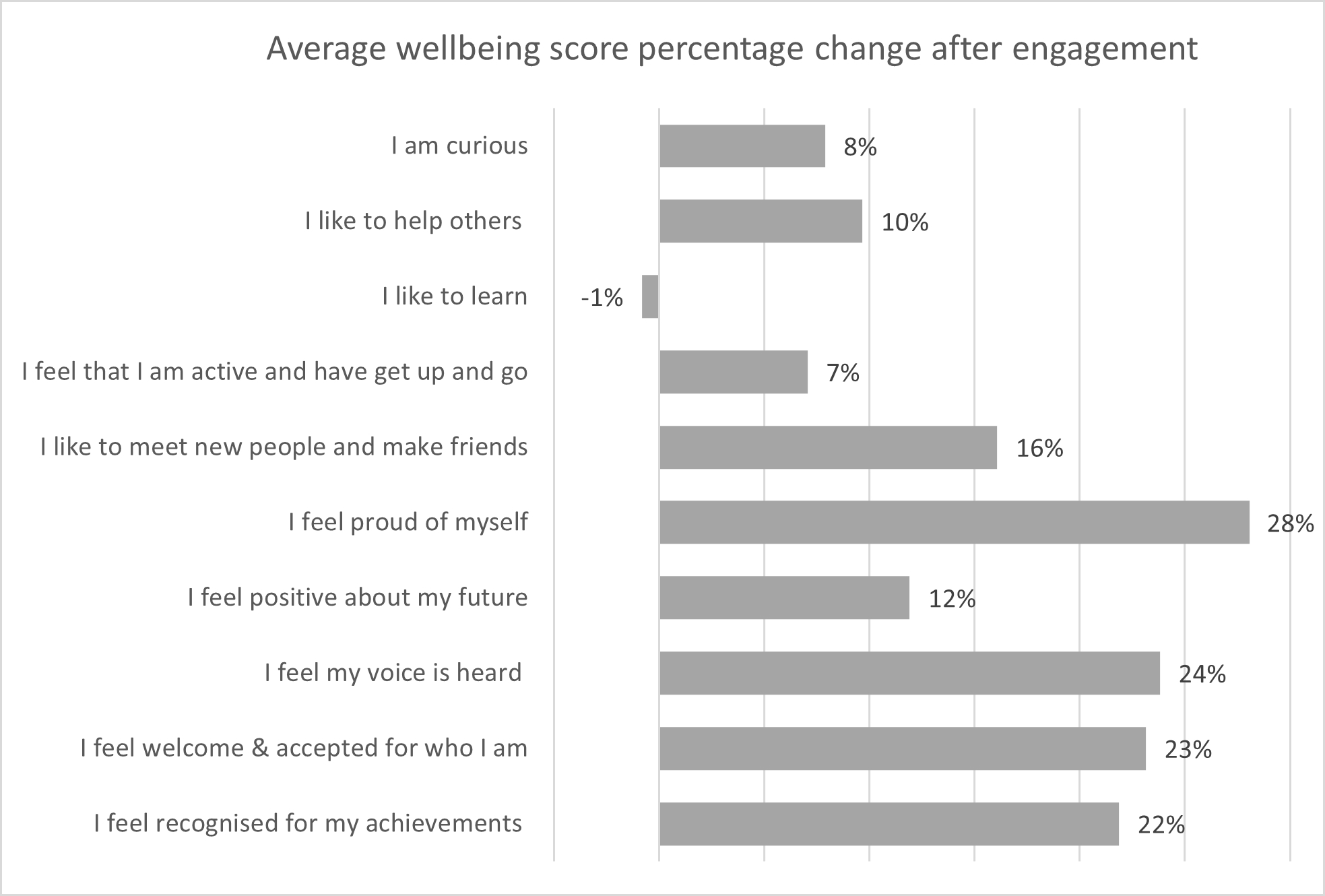
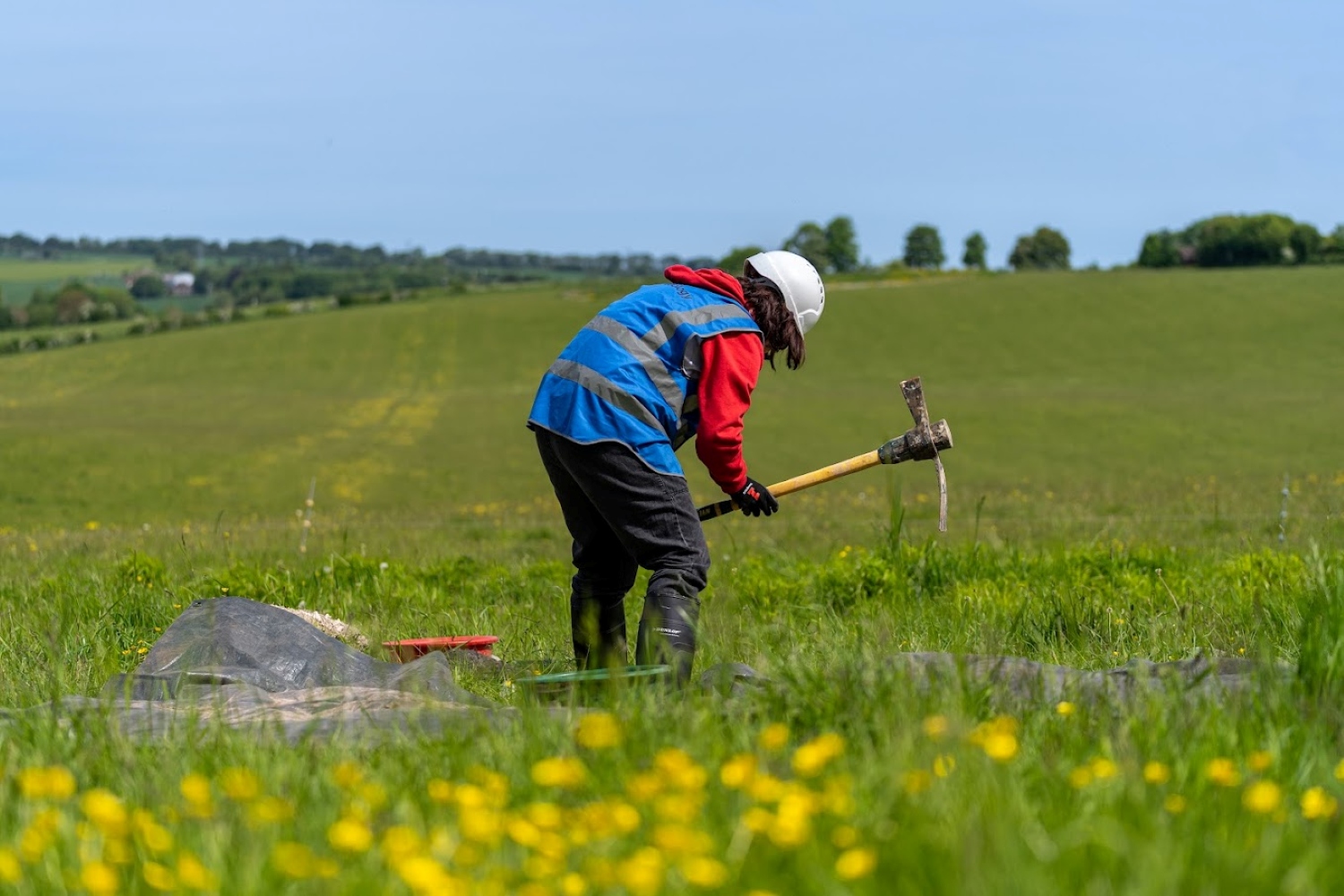
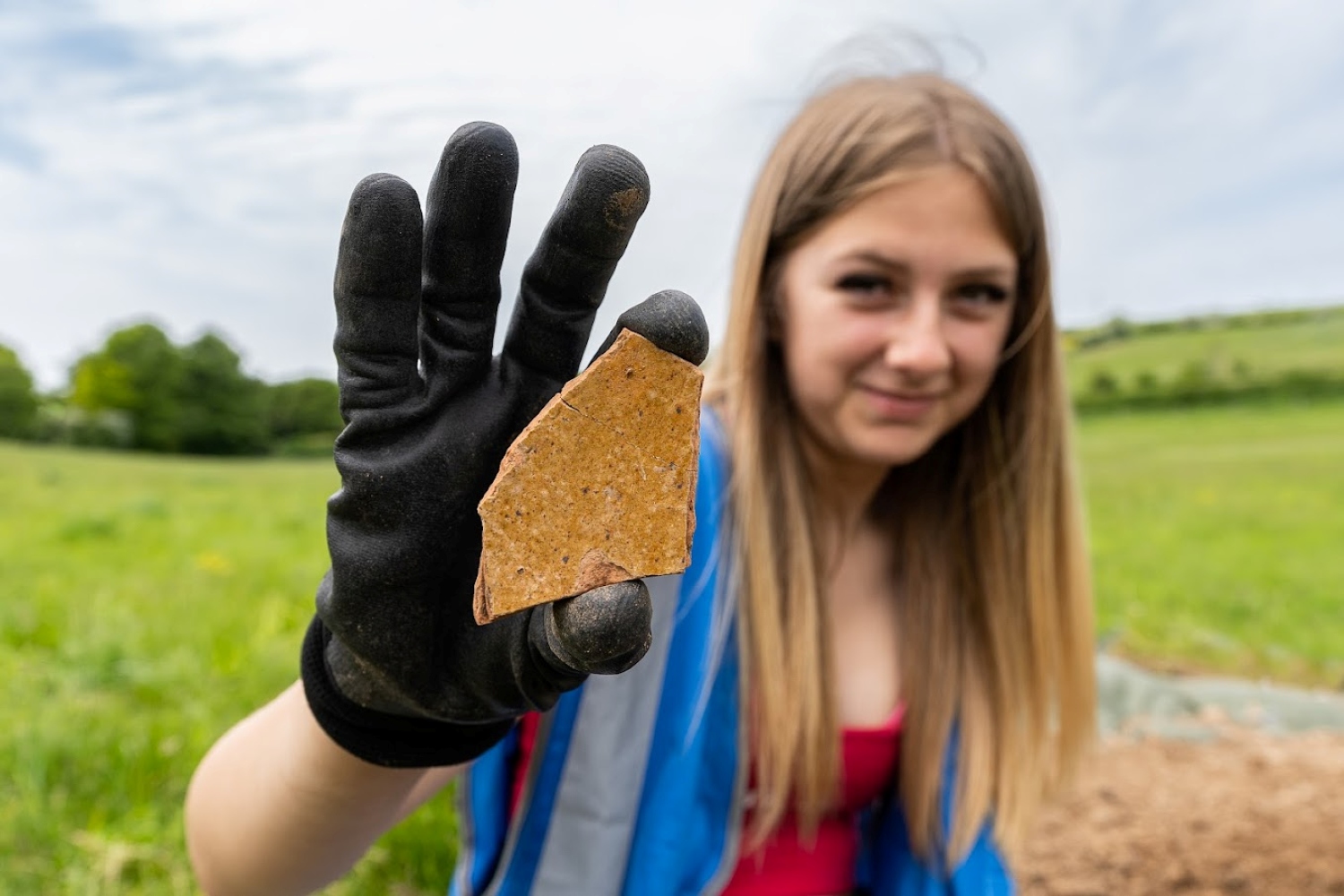
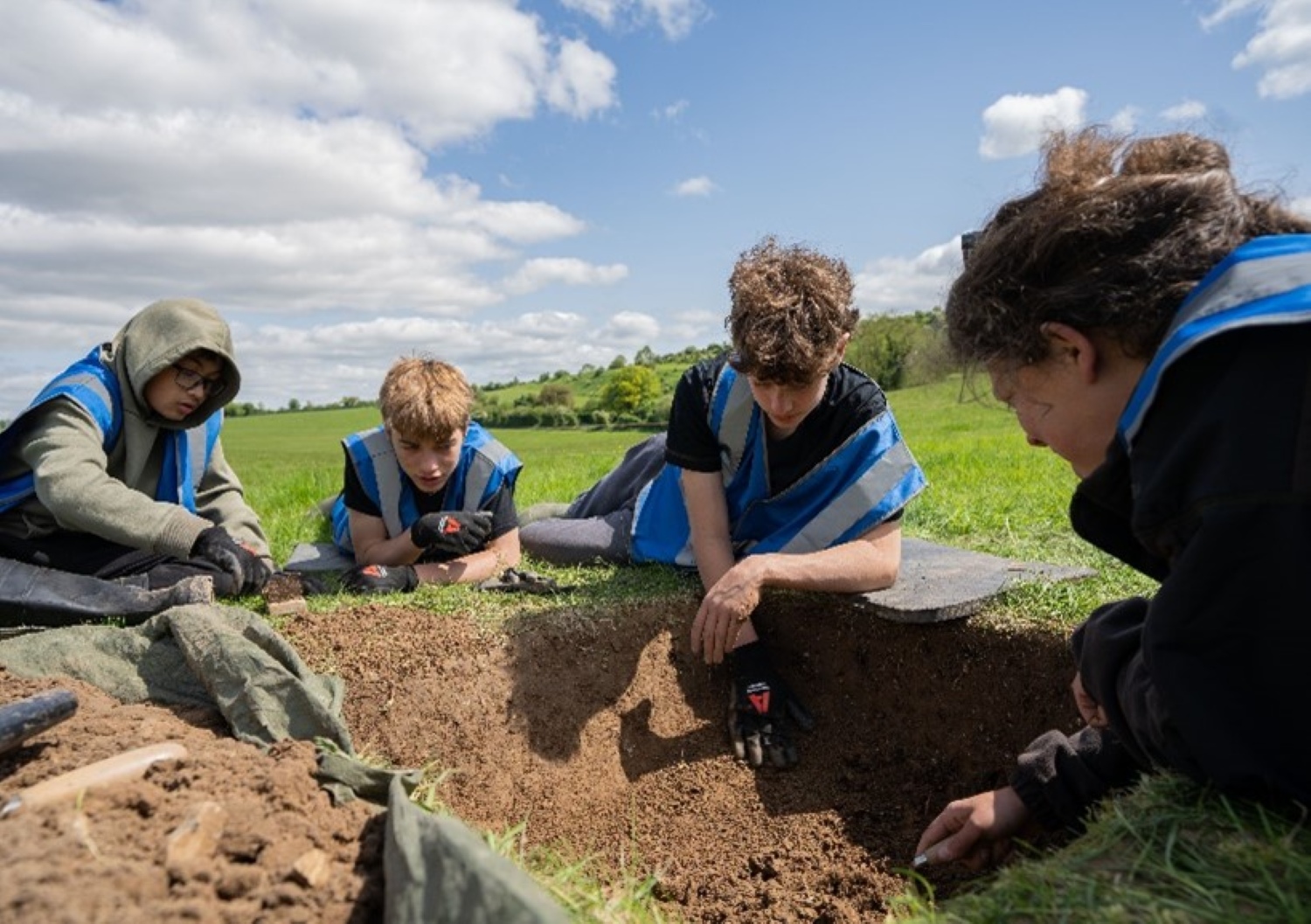
There were various successes identified within the projects - from the adaptability and flexibility to respond to individual needs, to the power of the social connections which were described as having a positive impact, widening the children's perceptions and introducing new and positive opportunities. Changes in attitudes were captured in the evaluation report (Chalmers 2024) and changes in behaviour were best captured through the schools-based data in the school pilot. Specific skills were built, with one student participating in the Kent project achieving 9 AQA certificates as part of the AQA Unit Award scheme; these included qualifications on 'history: a site study; visiting a historic monument; using archaeological tools; exploring a historic ruin; discovering local history; introduction to World War Two Defences; World War Two Defences; Work and Service in the Community: Environment; Basic Teamwork Skills'.
A second year of the Youth Justice project took place in 2024, funded by the Movement for Good award from the Benefact Trust, and the evaluation published early in 2025 (Partridge 2025). Historic England is actively working to consider ways to expand the programme with local partners and funders and is currently supporting Sevenoaks District Council (through the National Lottery Heritage Funded Bradbourne Lakes project) to deliver a new model of Rejuvenate with the Community Safety Unit. We have a particular interest in embedding the approach into existing school and youth justice systems; testing the model in other contexts and using other referral models - still focussed on children and young people and building it into archaeological practice more widely.
Heritage as a word is commonly used in a very broad sense. Whilst acknowledging its meaning of all things inherited by society, it is frequently applied to cultural heritage and materiality. Sometimes the latter may be better served by being called what it is - art, sculpture, the historic environment. Its place as heritage results from values ascribed to it and in a values-based culture this leads to complex debates about how to represent - or even understand - these values for everyone at all times, in order to make specific decisions about actual stuff and what to do with it. It is a conundrum which only gets more complex - but more ethically robust - the more we democratise the process of heritage creation and material conservation.
This driver, to engage democratically in heritage, sits at the heart of heritage-led wellbeing. They are not about telling, teaching or training. They are essentially about acknowledging, creating and developing through shared acts. The fact that social connection is often cited as a significant benefit to this sort of approach is no coincidence. The projects and approaches outlined here are in essence about togetherness, therefore the fact they connect people to people and people to place is a reassuringly logical outcome. The heritage dimension is the ultimate catalyst for this outcome. It creates something around which to gather - as many things do - from poetry to gardening - but it also comprises a specificity which matters. The nature of the archive, and the relationship of people to a particular place sit alongside the joy of discovery and the resultant awe and wonder that heritage and archaeological practice enables. Together the specific and the conceptual deliver to the common good.
It would be easy to end here on a high. However, this approach does not ignore the complexity of heritage values and the uses to which they can be put. It does not dismiss the reality of harm being done by any intervention or approach nor does it ignore the politicisation of heritage that has always and will always exist. This collection of papers is not intended to say heritage is only ever good for you - it is intended to say it can be incredibly good for you. The research and examples illustrated here hopefully provide some ways in which this can happen and why.
Alongside the breadth of the concept of heritage itself, we are all also dealing with the 'fuzzy' edges of wellbeing. The difficulty of narrowing down wellbeing to a single aspect or entity which can be understood instantly has also created challenges for this agenda: concerns over what it really is and what it 'looks like' are common. Simple narratives carry risks of being reductive. The example of Rejuvenate shows, I hope, that wellbeing is not one thing and that any work that intends to work in this area needs to take the time to consider what aspect of wellbeing is relevant, and work with intentionality (and flexibility) towards it. The more reductive we are, the less effective the impact and the more 'fuzzy' the outcomes.
Rejuvenate shows how evaluation can happen and create results that work for other people and organisations, but it also highlights the incredible challenges in this area in some contexts. What you need to know and why must sit at the heart of evaluation approaches - sometimes this will be reflective learning and project improvement, and sometimes it will be to make the case to some other agency about the 'value' of an approach. Often it will be both. However, in wellbeing-focused initiatives, the person-centred approach necessary for successful outcomes needs to be equally applied to the nature of the evaluation.
For Historic England, this agenda is about opportunity: the measure of success will be whether more work with even more evidence can build over time, whether heritage can be embedded into systems that work to address health and wellbeing inequalities, and whether wellbeing itself is seen as a core aspect of heritage practice. Proactively pursuing an exploration into this area of work is a necessary step in a society which (rightly and inevitably) constantly revisits and reinvents its relationship with heritage. We want the potential of heritage to provide 'public good' to be witnessed, appreciated and expanded. It might be legitimate to pursue this agenda just for its own sake just because individuals and communities benefit, but in reality, this is not just about individuals. It is also about the other agendas that sit in our world of exploration and referenced above: access, diversity and justice.
This collection of articles is one step towards showing the power of heritage-led wellbeing and how it can help progress the democratisation of heritage, diversify engagement and help address societal inequalities.
This work was supported by Historic England. My thanks mostly extend to the staff of Wessex Archaeology and Isle Heritage for their commitment and dedication in delivering this pilot project, and to all the partners that they enlisted for their work to be successful. Thanks also to Chloe Tayali and Paul Vitty for their contributions to the wider Historic England evaluation report from which some of this material is taken. Particularly thanks go to the organisations that funded the projects namely The Historic England Foundation, The Swire Trust, Edward Vinson 1957 Charity, Rockthorn and Benefact for Good, without whom of course none of this work would have happened.
Internet Archaeology is an open access journal based in the Department of Archaeology, University of York. Except where otherwise noted, content from this work may be used under the terms of the Creative Commons Attribution 3.0 (CC BY) Unported licence, which permits unrestricted use, distribution, and reproduction in any medium, provided that attribution to the author(s), the title of the work, the Internet Archaeology journal and the relevant URL/DOI are given.
Terms and Conditions | Legal Statements | Privacy Policy | Cookies Policy | Citing Internet Archaeology
Internet Archaeology content is preserved for the long term with the Archaeology Data Service (ROR). Help sustain and support open access publication by donating to our Open Access Archaeology Fund.
 Home
Home