Cite this as: Gradinarova, D. 2026 Heritage and social prescribing - Historic England's learnings from pilots and collaborative work across sectors 2023-2024, Internet Archaeology 73. https://doi.org/10.11141/ia.73.2
The last five years have seen an increased awareness and growing evidence of the potential of social prescribing to help address health inequalities and take some of the pressures off the National Health Service (NHS). The NHS is the United Kingdom's public health and care system, and social prescribing is connecting people to activities, groups and support that improve health and wellbeing. Social prescribing connects people to non-medical support to address issues like loneliness, debt, stress due to financial pressures or poor housing, as well as other unmet needs. Social prescribing referrals are usually made by a health- or community-based social prescribing link worker or a similar role, listening to people to understand their situation and what matters to them. They then 'link' that person to organisations and information that can help. Social prescribing can help to change the circumstances that have made people unwell. It can empower people to manage existing health problems, to get the correct benefits or get back into employment. It can help people to connect and to grow in confidence. Evidence shows that social prescribing can take pressure off the NHS by reducing the need for GP appointments and for medical prescriptions. (NASP n.d. -a).
In 2019, the NHS published its Long Term Plan, which set out how it will operate and manage priorities over the coming years and, for the first time, committed to investing in social prescribing as a way to strengthen personalised care. This investment was made mainly through the creation of the social prescribing link worker role - there were 3400 in post by early 2024 (NASP 2024). The demand has continued to grow for social prescribing, both through the NHS and through community-based social prescribers (NASP 2023a; 2023b).
This increasing demand became especially evident during and immediately after the COVID-19 pandemic, when a great deal of the community support was delivered by the local voluntary, community, faith and social enterprise (VCFSE) sector. During this period many people became more appreciative of the wide range of health and wellbeing benefits that engagement with local heritage, nature and arts could offer, thanks to the community provision.
Following this, the Health and Care Act from 2022 (UK Government 2022) acknowledged that voluntary and community groups are crucial for the efficiency of health and care services (Adebowale 2022). As a result, 42 new statutory Integrated Care Boards (ICBs) were created within the NHS, which are part of the regional governance structure for England and are responsible for planning health services for their local population. These Boards are now required to engage with the VCFSE sector. New Integrated Care Partnerships (ICPs), which are responsible for assessing the health and social care needs of an area and work with the ICBs, bring together the NHS, Local Government and VCFSE partners to focus on health-generation and work collaboratively to address common priorities (Bolton 2023).
Within this period, increasing numbers of organisations (including those in the heritage sector) looked to enhance their wellbeing provision and link up to local social prescribing services, where possible. These efforts were challenged, however, by a range of issues, such as uneven funding and provision of these social prescribing services across the country, lack of awareness amongst health and VCFSE organisations on the wellbeing potential of engagement with heritage, and a lack of available information on accessing wellbeing and social prescribing services, including those provided by heritage organisations.
Connecting people, services and places is at the heart of social prescribing as an approach. The NHS CORE20PLUS5 programme (NHS England n.d. - a), highlights priority areas and groups most affected by health inequalities, and recommends investing in models such as ' Community Connector' schemes (NHS England n.d. - b), delivered at 'place' level. The National Academy of Social Prescribing (NASP), which is a national charity that champions social prescribing, clearly indicates in its strategy (NASP 2023b) that one of the key ways to support people through social prescribing will be to help create a connected social prescribing system, enabling easier access to activities and information (Today, the current Government's 10-year Health Plan (“ Fit for the Future”) moved to wider structural reforms within the NHS, with focus on care in the community, innovation and prevention, creating the Neighbourhood Health agenda, promoting collaborative, place-based and patient-centred work of multidisciplinary teams, including social prescribing. This poses further opportunities and challenges to the VCFSE sector but makes it even more important to demonstrate the capacity and potential of the heritage sector to contribute to this local health and wellbeing service.).
Social prescribing relies on collaboration and is often described as a 'whole community approach', or a system, rather than a single route to support. When this “system” works well, there are benefits for not only the individual, but also for health equity, the health system, the economy and the environment (Bolton 2023). This Whole Community Approach Framework has been developed as a model for ensuring that the core infrastructure necessary to support social prescribing systems works well. “Connection to services” is highlighted as being central to making it all work, and this should include a variety of ways for individuals to connect to services or find information about what is available locally, including digitally.
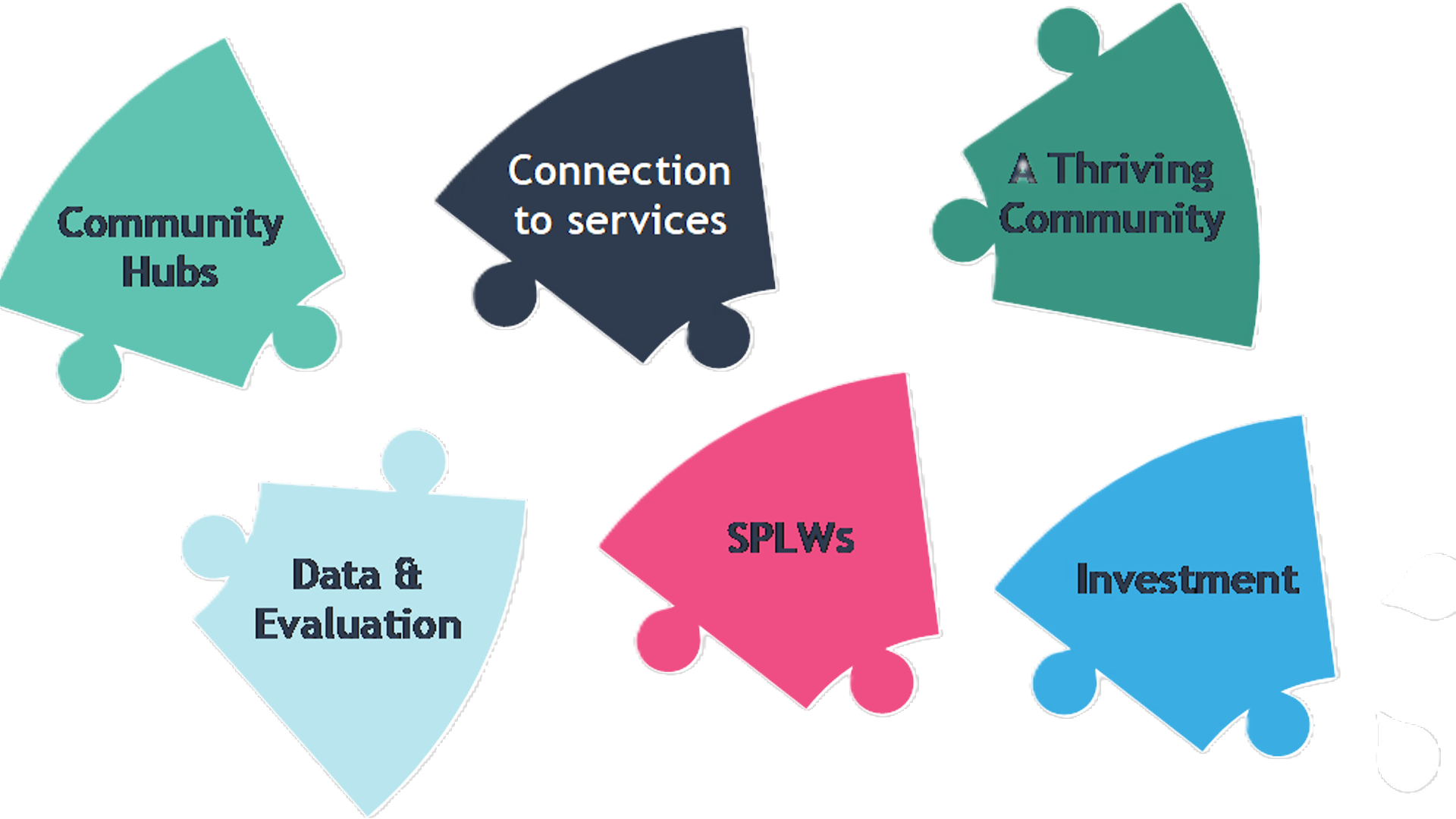
Historic England had already established a partnership with the National Academy for Social Prescribing in 2021 and it has made a significant investment in wellbeing learning and development since the publication of the 2022-2025 Wellbeing and Heritage Strategy (Historic England 2022; 2026). The organisation has participated in cross-sectoral investment programmes for social prescribing, such as the Thriving Communities Programme (Historic England 2021) which supported 57 local partnerships projects to pilot social prescribing through engagement with physical activity, nature, culture and heritage in 2021-2022. In 2022-2023, Historic England commissioned several innovative heritage wellbeing projects, including three focused on social prescribing, testing NASP's whole system approach to social prescribing. These projects are further outlined below.
Frome, a small town in Somerset, England, became well-known for its well-functioning social prescribing system after their Health Connections social prescribing service developed the Frome's Community Connector training, which trained residents in signposting people to social prescribing information access points. Frome's Medical Practice, where the Health Connections social prescribing service is based, is a single site practice and a Primary Care Network (PCN) in its own right. Historic England tested their Community Connector model as applied to the local heritage sector, in partnership with the local health service. It was an 11-month project led by Frome Medical Practice's Health Connections team, delivered between October 2022 and November 2023.
Evidence had shown that the lack of awareness about the benefits of social prescribing, and the location of its services, are some of the main barriers for successful engagement locally (Health Connections Mendip 2016). Connectors are individuals who help people overcome these barriers and get access to the needed help and available opportunities around them.
The pilot's main objectives were:
Frome Medical Practice and their social prescribing service Health Connections Mendip appointed a local project coordinator who mapped the available heritage wellbeing activities in the area, thereby building on and strengthening the partnership network of heritage wellbeing and social prescribing providers. With help from partners and stakeholders - including Frome Heritage (a Community Interest Company/CIC which aims to preserve and promote the heritage of the town of Frome), Frome Town Council, Discover Frome (the local tourist organisation), Frome Heritage Museum, Frome Society for Local Study and Historic England - the Medical Practice developed and carried out the training of 70 new Heritage Connectors, producing the necessary toolkits and contributing to the external evaluation of the project undertaken by Wavehill Ltd (Clarke et al. 2024).
A core element of the Community Connector model is the creation of three information points for signposting - a website, a telephone line and a physical site, where people can get advice and information in person. The Heritage Connectors project team helped build on a website directory hosted by Discover Frome and another one within Health Connections Mendip service: this was the first time heritage was listed as a wellbeing/social prescribing activity on an NHS advice website. A phone line was also provided by Discover Frome, while a physical place - The Heritage Café - was established in a well-known local café, where people in the community gathered monthly to find out about local heritage wellbeing activities.

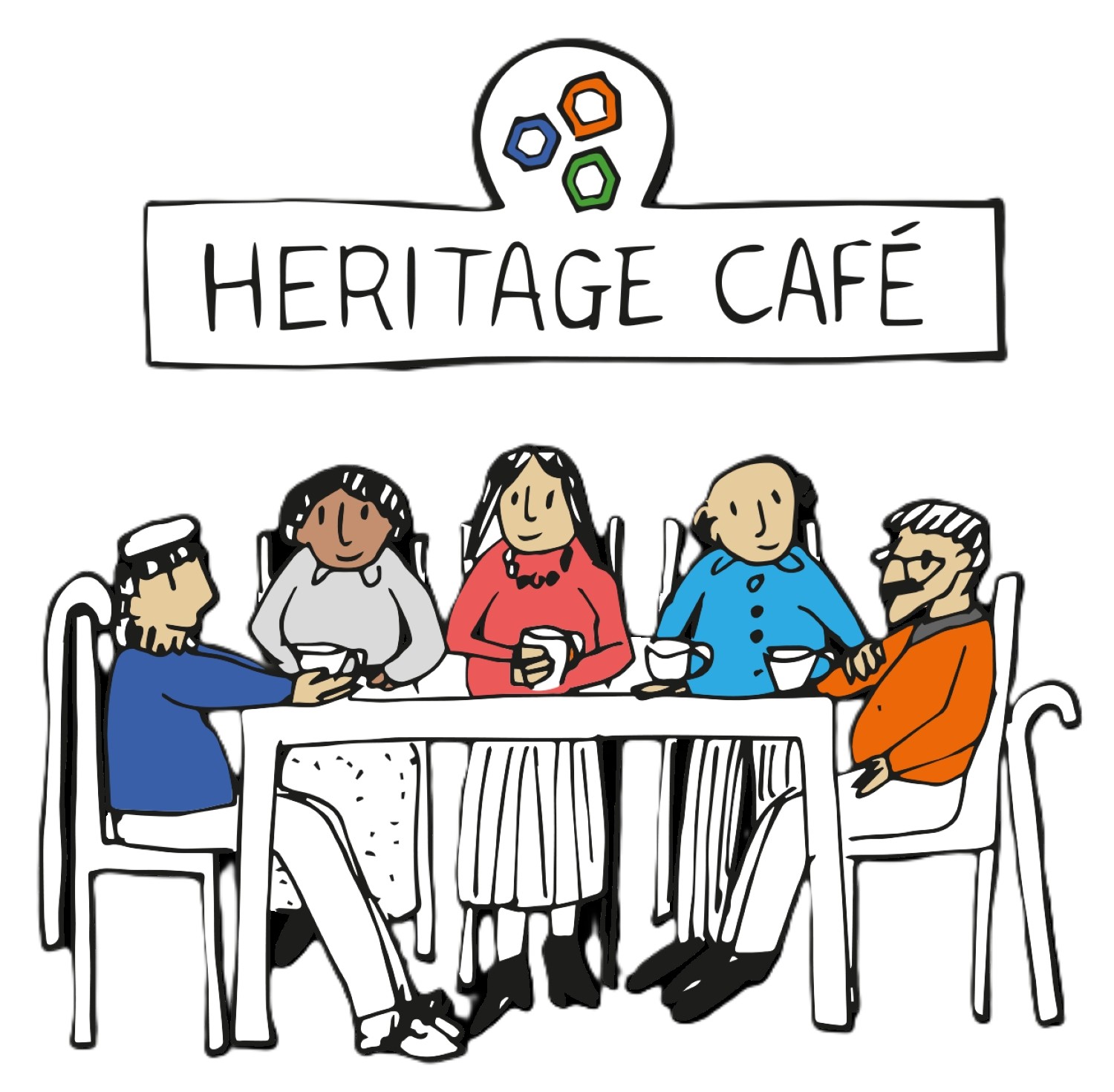

The project also aimed to support individuals from diverse backgrounds to access local heritage sites and activities, and to improve their physical and mental health - both by being signposted by the Heritage Connectors and/or by becoming Heritage Connectors themselves. This was achieved through targeted engagement with specific groups with higher needs and special characteristics, such as people living with dementia, carers and a disability group.
Those who became Heritage Connectors reported outcomes such as improved knowledge of local heritage and increased opportunities to engage in heritage, as well as enhanced understanding of the wellbeing benefits associated with participating in heritage activities. This was especially true for those healthcare professionals that attended the training, who reported a positive change in their perception about what benefits engaging in heritage could bring to people:
'As a team we have definitely noticed [an increased knowledge about wellbeing effects of engaging in heritage]. We now know how to support it, some were a bit cynical about it to start with, but when we went along and saw how people can benefit from it and what is available it really changed our views about it' Stakeholder Interview by Wavehill Ltd
The pilot demonstrated the potential for scaling up a Heritage Connectors scheme. Further expansion or development would need to consider the key lessons learned through the pilot, such as investing time and effort to build relationships and trust with relevant and wide range of stakeholders, the need to raise awareness about wellbeing potential of engagement with heritage in advance, and the benefits of focusing on groups with higher needs, addressing barriers to engagement.
The existence of heritage social prescription as an option offered for the first time by a social prescribing service, hosted by a Primary Care Network (PCN), demonstrates how the Heritage Connectors model can be embedded in existing health and social prescribing structures.
The establishment of the three access points at pace is a key success of the scheme, demonstrating the way in which these access points can be embedded into existing structures which will continue beyond the lifetime of the scheme.
The Heritage Connector training (which can be adapted to the needs and circumstances of other areas) formed part of a key output from the project. This Connector toolkit provides a detailed case study on how to implement a sector-specific offer and how it can be applied in other locations (Hartnoll et al. 2024).
The main goal of the Heritage Buddies project was to test the use of existing volunteers to link people in need to engagement with local heritage and the historic environment through social prescribing. This is also based on the “whole-community approach to social prescribing”, as adopted by the NASP, but also on the Nature Buddies model (NASP n.d., -b) developed by Natural England (the UK government's advisor for the natural environment in England) as part of the cross government Green Social Prescribing programme (NHS n.d.).
The Heritage Buddies pilot utilised existing local community, heritage or other volunteering and befriending schemes to identify and support people that may benefit from heritage-led wellbeing activities and to then help them access these. The project was delivered by Nottingham Community and Voluntary Service (NCVS) between November 2022 and December 2023.
The other aims of the project were:
A series of engagement and design workshops with interested partners for the project provided the opportunity to test the concept of Heritage Buddies with the sector and build an understanding of how it could work in practice and for specific organisations. It became clear that one size does not fit all and a flexible approach would be key.
'You have to communicate with each heritage organisation who all have different structures, different ways of working. I think the way we worked around this was by being as flexible as possible and letting the project be very much led by the individual organisations and trying to respond to aligning this project with their actual needs.' Heritage Buddies Staff
Two core strands developed throughout the pilot: A 'site specific' Heritage Buddy role within heritage organisations, and a 'Heritage Informed' Buddy within befriending and community support organisations. The two strands responded to the different needs identified and required different responses, resources, and tools to be developed and implemented. This co-production between heritage and health sectors was essential to securing the engagement and continued involvement of heritage partners.
' I think we should not shy away from looking at more accessible, light-touch and sustainable heritage access points, like walks around cemeteries, allotments or anywhere where local heritage might be of interest. This ensures that heritage programmes can get participants involved in something they can sustain by themselves beyond the life of a project' Heritage Buddies Staff
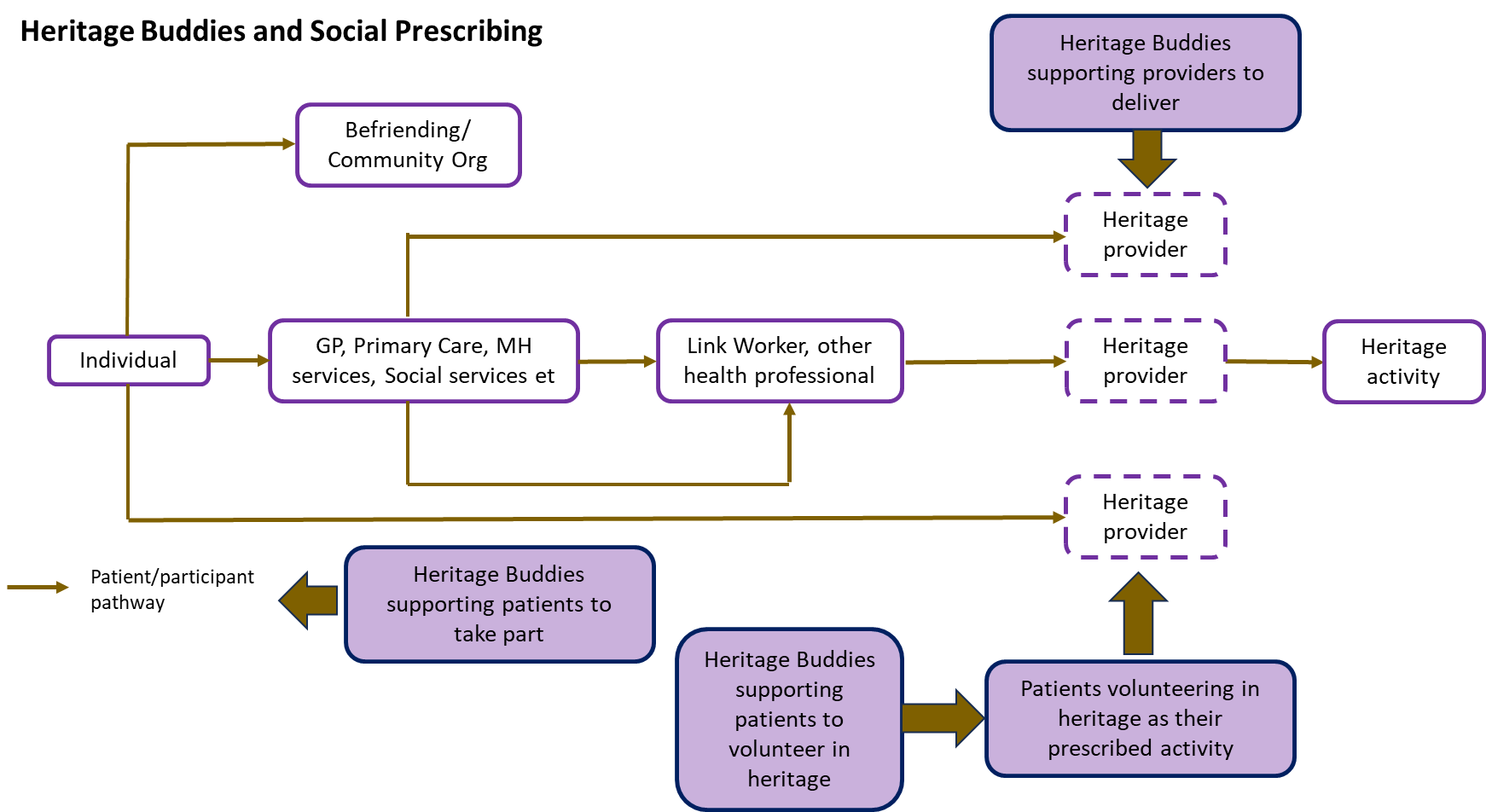
The heritage organisations which contributed volunteers to the final Heritage Buddies training were Newstead Abbey, Nottingham Castle, the National Justice Museum and York Archaeology. The community and befriending organisations were Refugee Roots, Nottingham Women's Centre, Improving Lives, and the Chinese Welfare Association.
At the point of the evaluation (Clarke et al. 2024), 32 Heritage Buddies had been trained within 7 organisations. The Buddies reported an improvement in knowledge of the link between heritage and wellbeing, and a subsequent increase in confidence in communicating this to others. Participating in the Heritage Buddies project has also brought benefits of wellbeing and social belonging to the Buddies themselves.
The strongest outcome for the wider community in Nottingham is progress related to networking and relationship building within heritage and community organisations across the city. The staff and stakeholders interviewed stated that there was strong interest from organisations wanting to continue the scheme, which has carried on with four heritage organisations beyond the end of the funding period.
The Heritage Buddies pilot scheme demonstrated potential for scaling up, provided the recommendations outlined in the evaluation are considered. The evidence showed that the model works well in an urban setting with several active heritage sites with well-established volunteering programmes.
A key legacy of the Heritage Buddies pilot is the production of a toolkit (Historic England 2024) , which brings together the lessons learned through the project (Chambers and Greaves 2024) and focuses on the practical steps and considerations needed to apply the scheme elsewhere. Many of the learnings mirror those from the Heritage Connectors pilot, that is, the importance of a targeted approach to facilitating the participation of people with higher needs who don't traditionally engage with heritage, ensuring investing in the development of working relationships with local partners and using a co-production method.
In addition, the Heritage Buddies project showed that a single model approach will not work for all organisations, flexibility and adaptability to modify the model is required.
Working with organisations that have a volunteer lead and a strong volunteer infrastructure is recommended. If these are not in place, then consideration should be given to how these can be developed prior to any organisation taking part in a buddying scheme.
Heritage Connectors and Heritage Buddies were externally evaluated by Wavehill Ltd (Clarke et al. 2024), enabling some important learnings to be captured from both pilots:
Staff from both schemes highlighted challenges with the principle of applying heritage to social prescribing including:
Other lessons learned associated with the design, delivery and evaluation of pilot projects relating to heritage and social prescribing include:
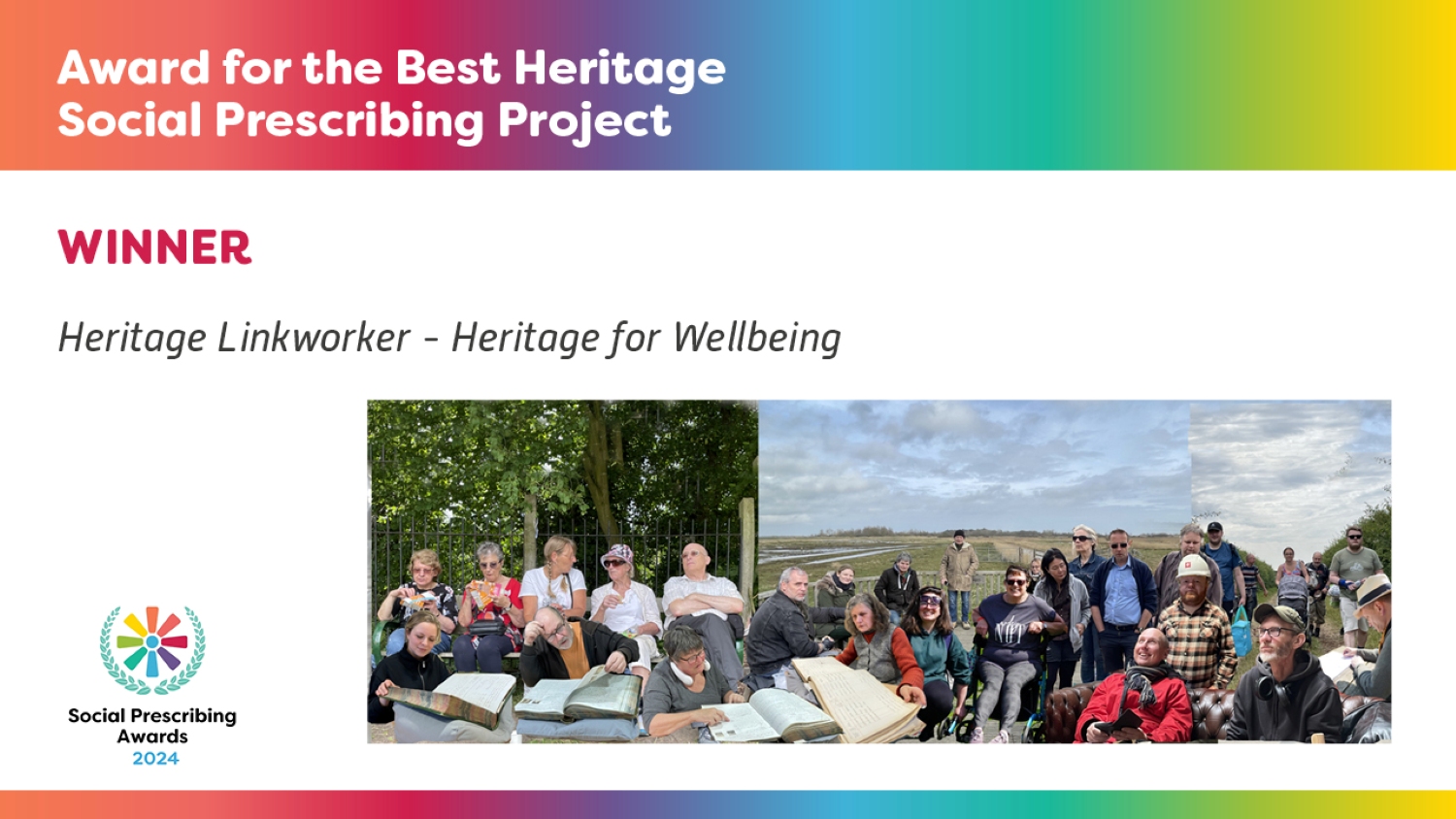
The Heritage Linkworker - Heritage for Wellbeing project was an innovative social prescribing project which ran between November 2022 and May 2024; it was commissioned by Historic England and delivered by The Restoration Trust (a charity that supports people living with mental health challenges through heritage and art programmes using culture therapy). The pilot successfully established a local social prescribing pathway in the area of Great Yarmouth and Waveney for referring people with mental ill health and affected by loneliness and social isolation to heritage wellbeing activities. More than 80 local people dealing with a variety of health problems, such as depression, anxiety, isolation and decreased mobility benefitted from the Heritage 4 Health programme, developed by the project. The Heritage Linkworker project increased awareness across Norfolk's social prescribing services about the potential of heritage to deliver wellbeing and provided evidence on how it can work within social prescribing.
The heritage sector has been notably behind some other parts of the cultural sector in contributing to the provision of social activities “on prescription”, mainly due to a lack of connection between the heritage and health sectors and low awareness amongst link workers about the wellbeing potential of engagement with heritage.
The Restoration Trust has worked for many years helping people with mental ill health access and benefit from engagement with culture and heritage. They used this experience to explore the potential of a specialist heritage link worker to collaborate with local social prescribing providers in the area of Great Yarmouth and Waveney, such as the GP Practice in Great Yarmouth and Lowestoft, Norfolk & Suffolk NHS Foundation Trust - community mental health team, D.I.A.L (Direct Interface And Link) Social Prescribing, ACT (Access Community Trust), and Norfolk County Council's Life Connectors Service. The successful partnerships helped create new social prescribing referral pathways connecting local people in need with heritage activities and organisations in Great Yarmouth and Waveney, including within the Heritage Action Zones (HAZ) in Great Yarmouth and Lowestoft (Historic England n.d.). The project addressed the barriers that prevent people on low income and with poor health from enjoying local heritage, such as access, transport and low confidence.
However, the delivery model changed during the first three months of the project, largely due to the limited capacity of local heritage organisations and social prescribers to offer continued engagement of individuals with health needs. As a result, the Heritage Linkworker themselves established and facilitated 'Heritage for Wellbeing Groups', which ran in Great Yarmouth, Gorleston and Lowestoft continuously for the duration of the project. The groups helped people, referred by local social prescribers, to access and enjoy activities, such as exploring local history and creatively expressing themselves through art, photography, and writing.
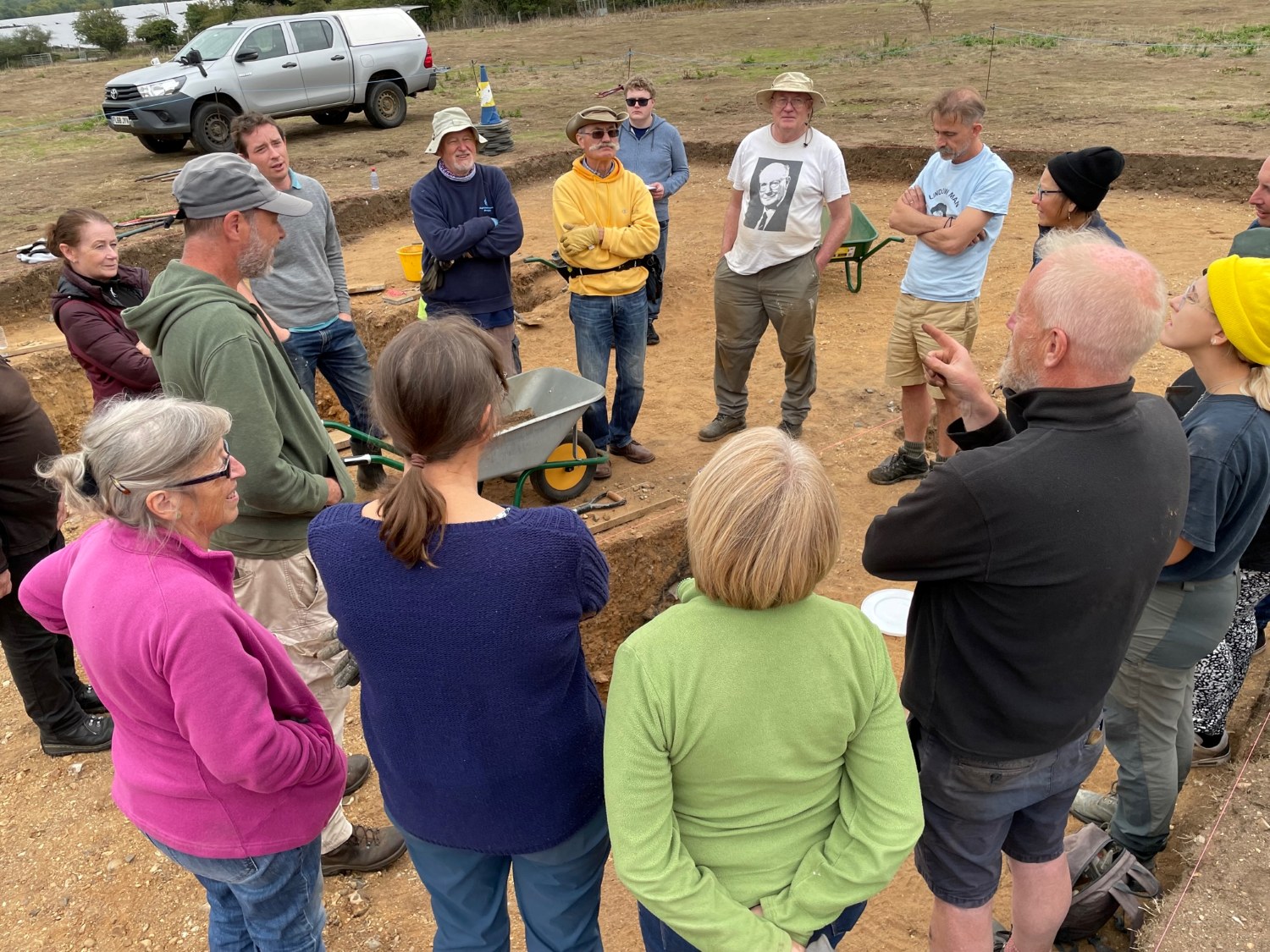
Over the two and a half years of the project's duration, the group members participated in wide range of opportunities: they visited a range of local heritage sites such as the Great Yarmouth Winter Gardens, the local Hippodrome Circus, the Great Yarmouth Minster, Gorleston Pavilion, Norwich and Framlingham Castles, Caistor Roman Project and Cavendish Hall in Suffolk; they took part in the Great Yarmouth HAZ mapping project; undertook trips to the Cambridge Archaeological Unit and Anthropology Museum; participated in archaeological digs at Sutton Hoo and Warham Camp, and contributed to the Living in Changing Landscapes project and exhibition.
The project's evaluation, delivered by Make an Impact CIC (Make an Impact CIC 2024) that as a result:
The following mechanisms of change were identified, which enabled the Heritage Linkworker project to achieve improvements in participants mental health and wellbeing:
Areas of improvement were mainly around accessibility and transport. The project managed to find a way to offer minibus service to take participants to various sites and activities, but it had limited capacity and wasn't always achievable. Most of the events and activities were in and around Great Yarmouth and/or Lowestoft, which limited those who weren't in the immediate vicinity.
Overall, however, the Heritage Linkworker project not only led to improved physical and mental health for the participants, but also helped them develop social connections, addressing issues like loneliness and isolation - with 92% reporting having at least one person with whom they could discuss personal matters as a result.
The feedback and focus group responses showed that engaging with heritage had led to unexpected reactions from the participants - many of whom had not even considered getting involved with heritage before. The opportunity to participate in unique experiences, like the archaeological dig, were seen as a 'once in a lifetime opportunity', with pleasant memories and a sense of it being a real privilege to have taken part. Additionally, the aesthetic qualities of heritage sites, artworks, and cultural performances evoked a sense of beauty, which has been associated with increased happiness and subjective wellbeing.
The project has provided meaning or purpose for participants and a new-found sense of identity and belonging. The focus group and feedback clearly demonstrated that learning about the local area, its history combined with visiting places and buildings they had not previously been to, had widened their knowledge of and interest in local heritage; this in turn had positively impacted their sense of identity and meaning in life.
'They felt that the sense of connection to their area through the heritage link worker project was really important to them. They were finding out the full history of their landscapes where they lived. It gave them that sense of being proud of where they lived and where they came from. A history, and that generated a true sense of community and really enjoying the area where they lived once again.' Social prescriber: referral partner
A key outcome for referral and partner organisations was that the Heritage Linkworker project was being actively used within social prescribing pathways. It was also acknowledged that social prescribing teams and GP surgeries were recognising that heritage activities successfully supported individuals with mental health problems and those impacted by social isolation or loneliness. The established social prescribing referral pathways continue to be used after the end of the project.
'For my team it has made a big difference, because it made them aware that this works. This is what people need.' Social prescribing referral organisation
Through feedback from participants and partner organisations, the following longer-term impacts were identified:
The referral and partner organisations feedback showed that heritage was increasingly seen as a suitable option for supporting individuals with low mental health, and that staff across GP practices were now recognising the impact that heritage-based projects could have on mental health. There were established referral pathways to the Heritage Linkworker project that meant anyone in the social prescribing team could refer an individual.
All learnings from the Heritage Linkworker project will form the basis of planned Heritage and Social prescribing guidance to be issued by Historic England and NASP. At the time of writing the guidance is being developed in collaboration with a Heritage and Social Prescribing Community of Practice run by the Council for British Archaeology and Historic England (Historic England 2025) and the Social Prescribing Link Workers Advisory Group, facilitated by NASP.
Due to the success of the project in having a significant positive impact on individual and community wellbeing, the Restoration Trust and the Heritage for Wellbeing (H4W) participant group have secured a small amount of funding to support the group in transitioning to a self-sustaining voluntary-led community group.
The above learnings from Historic England-commissioned heritage social prescribing pilots in 2022-2023 formed the basis of Heritage and Social Prescribing Guidance, as part of the Heritage and Social Prescribing Advice Hub, published in 2025, developed in collaboration with the Social Prescribing Advisory Group, facilitated by NASP and the Wellbeing and Heritage Working Group, co-chaired by Historic England and the Council for British Archaeology. It includes case studies, evidence and toolkits from across the heritage sector, from innovative social prescribing pilots such as Archaeology on Prescription in York (York Archaeology n.d.), Kirkham Heritage, Health and Wellbeing programme (Kirkham Futures n.d.) and Delapré Abbey's Wellbeing Hub.
The aim of the Advice Hub and the guidance is to help social prescribers understand the potential of heritage to support people's health and wellbeing, to discover ways in which they can use heritage for social prescribing and develop referral pathways with heritage partners.
It will also help heritage practitioners grow their own knowledge of social prescribing; help identify the local opportunities to develop social prescribing schemes and connect with their health and VCFSE partners.
In many places, as demonstrated in the above examples, there are practices and models that have been working successfully for many years, and it is crucial to use this experience and local knowledge to expand the health and wellbeing provision for those in need. On a place level, it is important to optimise the use of existing heritage assets and to create an efficient social prescribing infrastructure that will benefit individuals and communities for years to come. With the new Neighbourhood Health agenda now highlighting further the need for multidisciplinary teams working collaboratively across sectors, collectively, we can help make the case for the potential of heritage to contribute to addressing health inequalities and promoting good health.
With many thanks for the support, leadership and collaborative spirit of our colleagues and partners: Linda Monckton (Head of Wellbeing and Heritage, Historic England); Monica Bolton (Healthcare Integration Lead, National Academy for Social Prescribing); Jenny Hartnoll (Health Connections Development Lead, Frome Medical Practice); David Lassman (previously Project Coordinator, Heritage Connectors, Frome); Amanda Chambers (Health and Wellbeing Programme Manager, Nottingham Community and Voluntary Service); Sarah Greaves (previously Heritage Buddies Coordinator, Nottingham Community and Voluntary Service); Laura Drysdale (previously Director of The Restoration Trust); Darren France ( Project Manager, The Restoration Trust); Emily Cannell (previously Heritage Link Worker, The Restoration Trust); Sophie Couling (previously Heritage Link Worker, Restoration Trust); Robert Fairclough (Volunteer and Trustee, The Restoration Trust); Philip Wells (Volunteer and Trustee, The Restoration Trust); and all participants and partners in the Heritage Connectors, Heritage Buddies and the Heritage Link Worker Projects, as well as all my colleagues from Historic England, NASP and the Wellbeing and Heritage Working Group, who have all contributed to the development, delivery and promotion of the work described above.
The data used to support the findings of this study are included within the article.
Internet Archaeology is an open access journal based in the Department of Archaeology, University of York. Except where otherwise noted, content from this work may be used under the terms of the Creative Commons Attribution 3.0 (CC BY) Unported licence, which permits unrestricted use, distribution, and reproduction in any medium, provided that attribution to the author(s), the title of the work, the Internet Archaeology journal and the relevant URL/DOI are given.
Terms and Conditions | Legal Statements | Privacy Policy | Cookies Policy | Citing Internet Archaeology
Internet Archaeology content is preserved for the long term with the Archaeology Data Service (ROR). Help sustain and support open access publication by donating to our Open Access Archaeology Fund.
 Home
Home