Cite this as: James, A. and Austin, B. 2026 Cultural immersion into maritime heritage: Our experiences in using maritime heritage to enhance wellbeing, Internet Archaeology 73. https://doi.org/10.11141/ia.73.3
It is well known that wellbeing is an important consideration across all aspects of life, especially family, work and social interactions, which all help us to connect to who we are. One of the less obvious elements that can help provide us with connection is our heritage. A report by UNESCO in 2021 (Giliberto 2021 ) highlighted the link between mental health, wellbeing and heritage, acknowledging that it generates positive emotions and a sense of connection. It is also important to recognise that in some cases, heritage can trigger negative emotions and memories, but in turn, these can also help us to connect and learn from our past. Over the last ten years, MSDS Marine have been involved in a number of projects that have had a proven impact on wellbeing that can be used as case studies to demonstrate the value of heritage for enhancing and supporting wellbeing across a wide range of participants.
The historic environment is a shared, irreplaceable resource which holds information about our past communities and cultural identity. The UK is renowned for its rich maritime history as an island nation with a wide range of site types that span many millennia. However, the majority of sites are beneath the waves and out of sight for most of the population yet with a little imagination these sites can be used to benefit the community and enhance wellbeing. Maritime heritage is special and in part this is due to its location. The sea and the seaside hold a special place in many people hearts, from ex sailors remembering their time exploring the seas to memories of special beach holidays in coastal villages with ice cream, sea air, and sand on our skin. Sounds of the sea are often used as sounds to help aid relaxation and are known to activate our parasympathetic nervous system, the system that helps control our response to rest. Spending time outside is an important antidote to our often sedentary but fast-paced lives, connecting us directly to the environment around us, providing perspective and helping us to stay active. SCUBA diving in itself can be considered a wellbeing activity (Carreño et al. 2020) with divers around the world describing the positive effects diving has on their life with breathing underwater promoting a sense of calm often compared to meditation or yoga. Our experiences of the sea, past and present, have an intrinsic link to our wellbeing and so marine cultural heritage projects can form a useful tool to help improve our mental health and wellbeing.
There are many different types of marine heritage asset, from those deep underwater such as shipwrecks, lost aircraft or prehistoric channels to structures built along our coastline, associated with trade, defence and pleasure. This paper focusses on marine heritage assets protected by Historic England, on behalf of the Department for Culture, Media and Sport (DCMS). These sites are researched, cared and conserved by Historic England and information about these is publicly accessible on the National Record of the Historic Environment (NRHE). The value they add to our knowledge of the past is not disputed but when protected wreck sites are considered not just as an archaeological resource, they can deliver so much more to support government agendas and to add public value. They provide a unique snapshot into our past and investigating, researching, exploring or being a volunteer contributing to their care, can provide an important focus for the communities involved, in turn, helping to support mental health and wellbeing.
There are currently 57 protected wreck sites across England designated under the Protection of Wrecks Act 1973, as well as a number of sites scheduled under the Ancient Monuments and Archaeological Areas Act 1979. The sites range from the remains of Bronze Age cargo scatters through to 20th century submarines and include many different types of sites. Management of wreck sites has long championed the role of Licensee to support ongoing site management. Licensing by Historic England effectively allows volunteers, mainly divers, to act as site custodians providing important knowledge about the physical state of the sites, new discoveries, research and helping to add to the security of these important wrecks. Some divers have been investigating sites over many decades; some 46% have been involved with the sites for fifteen years or more. The skills needed to investigate and care for a nationally important historic wreck site are broad and volunteers acquire a high level of responsibility, as they are ultimately carrying out these actions on behalf of the DCMS. The volunteers work tirelessly on the protected sites, volunteering their spare time and mainly funding the investigations themselves, to help bring these wrecks alive for the public on dry land for the benefit of all. They have an impressive combination of traits: focused, enthusiastic, committed and dedicated.
Protected wreck sites and other maritime heritage projects offer the chance to work with the local community by providing a connection with events of the past. These projects support wellbeing in other ways, offering volunteering opportunities that in turn can improve mental health by creating a sense of belonging, reducing isolation and loneliness, encouraging community engagement and teaching new transferable skills. Projects can engage diverse audiences which helps to improve community cohesion, from refugee groups to the homeless, young offenders and injured service personnel, and older members of the community, offering new skills, confidence, the opportunity to become an active citizen and to connect with a shared human past.
In April 2021, MSDS Marine were commissioned by the Y Heritage Project to undertake the 'Y Heritage Make a Splash' project with a group of young people supported by The Y, a leading youth homeless charity for Leicester and Leicestershire and provide accommodation and support to young people in crisis. This successful project is an excellent example of how marine cultural heritage can be used as a tool to help contribute to the wellbeing of a hard-to-reach group of young people (James 2021 ).
The project was funded by The National Lottery Heritage Fund (NLHF) to help engage young people in maritime cultural heritage. The NLHF awarded The Y (previously YMCA) funding from their “Kick the Dust” programme, to create their project Y Heritage, a scheme to better engage young people with their local heritage. The Y Heritage Project represented an exciting opportunity to develop how the heritage sector works for and with young people. It strived to provide life changing opportunities for young people who are often excluded from employment, training and education. Many of these young people at The Y have gone through trauma and they often have complex needs.
Landlocked Leicestershire is not the usual focus for a maritime archaeology project, yet Stoney Cove, a disused flooded quarry that now forms an inland dive centre, is the home of a 450-year-old wreck that was relocated from the Thames Estuary by archaeologists in 2012 (Auer and Maarleveld 2014 ). Leicestershire is one of the furthest counties from coastal waters in the United Kingdom. Scuba diving, which is an important part of exploring our underwater cultural heritage, can be a very costly activity to get involved in and this can mean limited opportunities for the public, and especially young people, to experience, enjoy, and connect with underwater heritage, let alone find out about, and participate in underwater cultural heritage projects. The Y Heritage Make a Splash! project focused on working with a group of young people, encouraging them to engage in heritage and share their experiences with a larger audience. The aim of the project was to train eight young people, helping them gain both diving and archaeology qualifications and then to work with them to create their own archaeology project centred around the wreck in Stoney Cove .
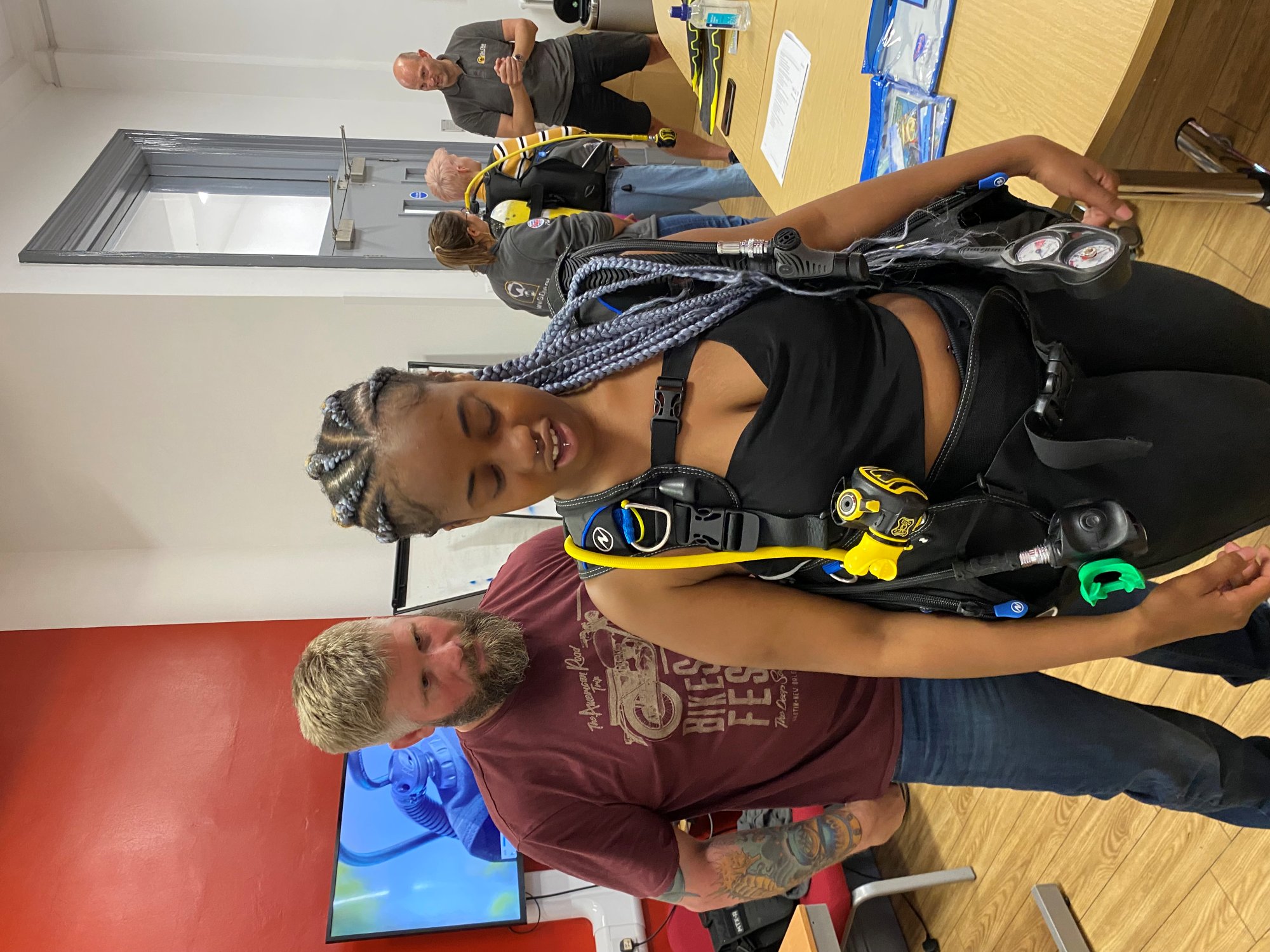
The participants gained valuable training in diving and archaeology, both of which utilise transferable skills. One of the greatest benefits was that it took participants out of their comfort zones in a safe and supportive environment which had been tailored to understanding their individual needs. Undertaking diver training has many benefits outside archaeology and can provide inspiration and interest (and potentially a career) in marine archaeology, marine biology or even travelling the world working as a dive guide or instructor. Diving also fosters a sense of responsibility, discipline and can give young people the sense of accomplishment and increasing confidence to take on other challenges.
Once the training was complete, the young people worked alongside archaeologists from MSDS Marine to plan and undertake their own survey of the wreck. The core project team became underwater cultural heritage ambassadors and were supported by MSDS Marine in promoting the project and underwater cultural heritage to other young people in Leicestershire. The participants worked together with MSDS Marine to share their experience, excitement and new skill sets with a wider audience in whichever creative way they see fit.
The experience dramatically increased the wellbeing of all the participants: both the participants and the trainers. The World Health Organisation recognises mental health as a state of well-being in which an individual realizes his or her own abilities, can cope with the normal stresses of life, can work productively and is able to make a contribution to his or her community and this project certainly achieved this for the participants. The project offered new life experiences and provided opportunities for participants to step out of their challenging lives to contribute to a heritage project, working as part of a team. It was not without difficulties, with sessions sometimes having to be rescheduled, often at short notice, to fit around the lives of those involved, but persevering broke down barriers, won trust and had a positive impact. For the archaeologists, it was an opportunity to work with a new audience and really feel as though our work was making a difference - which has mental health benefits in itself. It was incredibly rewarding, watching the young people develop and receive their feedback over time, recognising how the project had positively impacted their mental health. In projects such as this, the importance of trauma-informed training (we did ours with Purple House Clinic for all involved cannot be underestimated and should be considered by anyone undertaking a project of this nature.
Following the success of the initial project, funding from the NLHF enabled a legacy project to take place, providing a paid work placement partially funded by the Y Heritage Legacy Project, and part by the employer. Funding from Historic England enabled MSDS Marine to offer a paid role as a Trainee Diving Support Officer to one of the original participants, providing them with the opportunity to gain a broader understanding of the industry and maritime heritage. The post provided Jimmy, the successful applicant, with training to improve diving skills, gain qualifications and develop an understanding of maritime heritage policy, legislation and practice. Key skills developed related to working within the heritage and diving industries including advanced diver training, confidence, planning, training delivery and project logistics. The project continues to have a huge impact on Jimmy and his life.
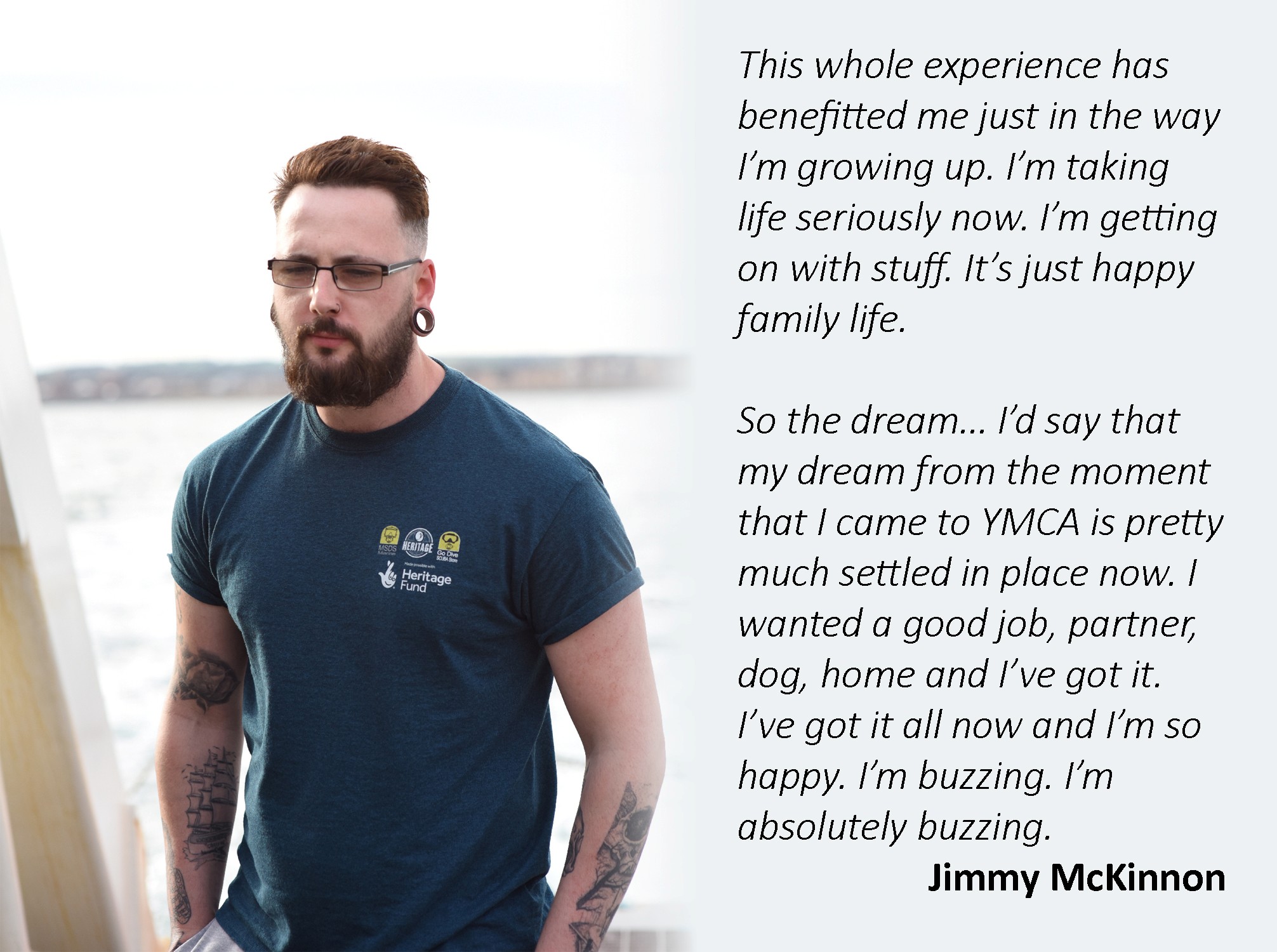
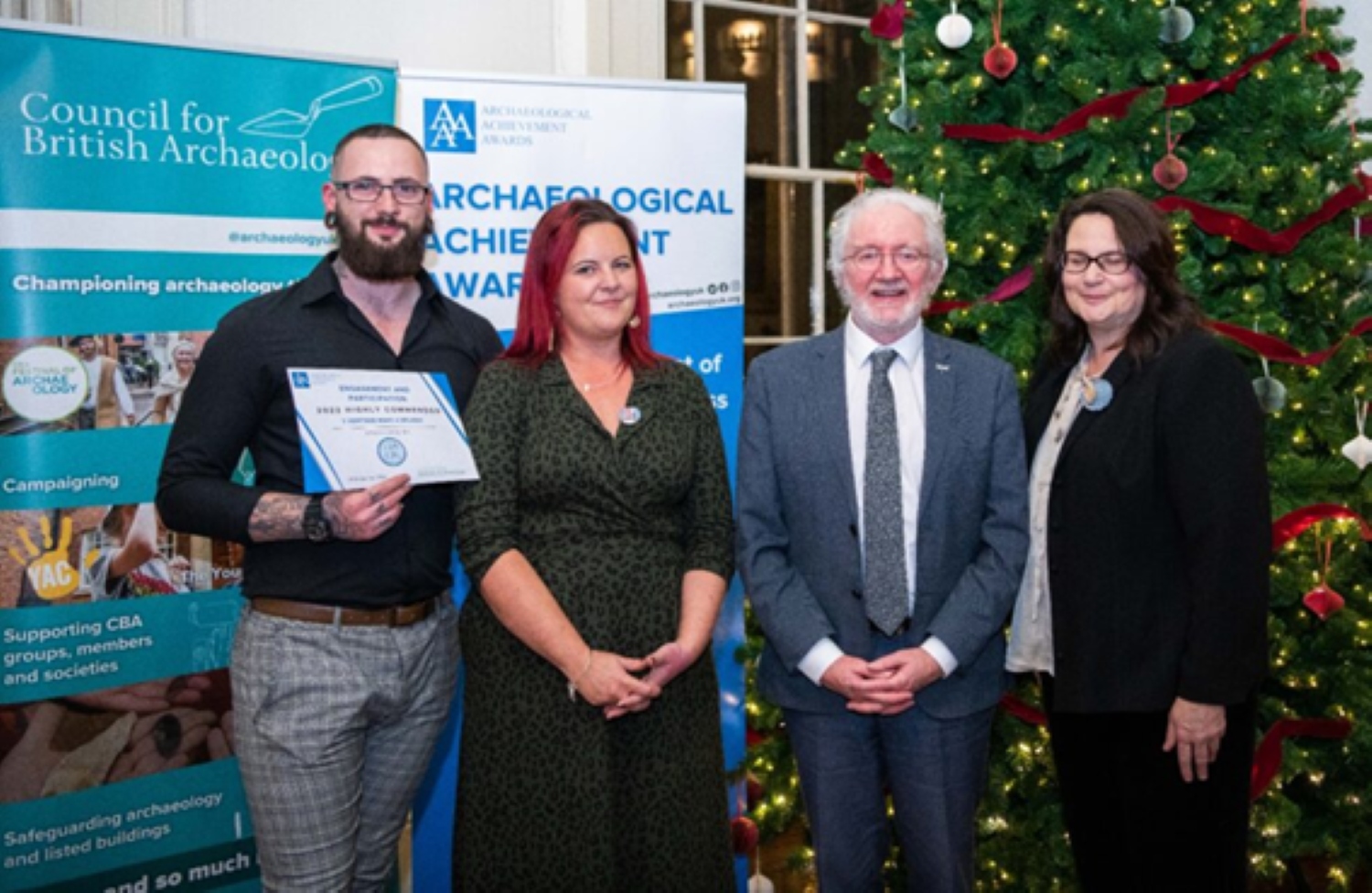
Jimmy went from strength to strength during his placement and completed his PADI Dive Master with training for the project provided free of charge through Go Dive. The wider Y Heritage Make a Splash project was highly commended at the Archaeology Achievement Awards in November 2022. Jimmy attended the awards ceremony at Dublin Castle with Alison James from MSDS Marine and Juliet Martin from The Y where they met Malcolm Noonan T.D., the Irish Minister of State for Heritage and Electoral Reform. This was Jimmy's first trip outside of England and a further learning experience for him.
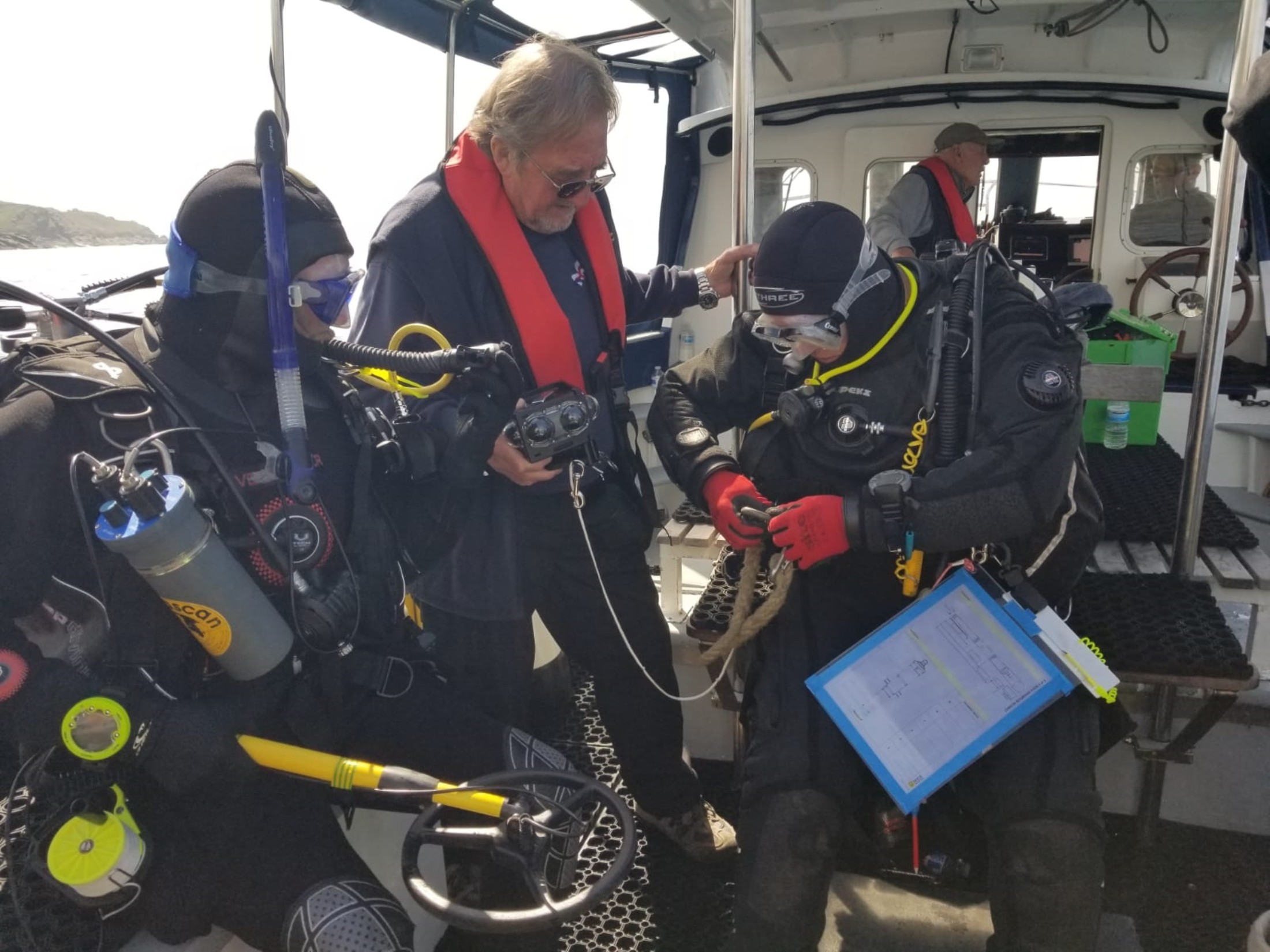
The mental health and wellbeing benefits of being involved in maritime heritage are available to all ages. Another project, involving participants at the other end of the age spectrum, concerned the Salcombe Cannon wreck site off the coast of West Prawle in Devon. It contains the remains of a large armed trading ship dating to the 17th century and the remains of a wreck dating to the Bronze Age. The Moor Sand protected wreck site also has Bronze Age finds present but of a different date, suggesting more than one Bronze Age wreck is present in the vicinity.
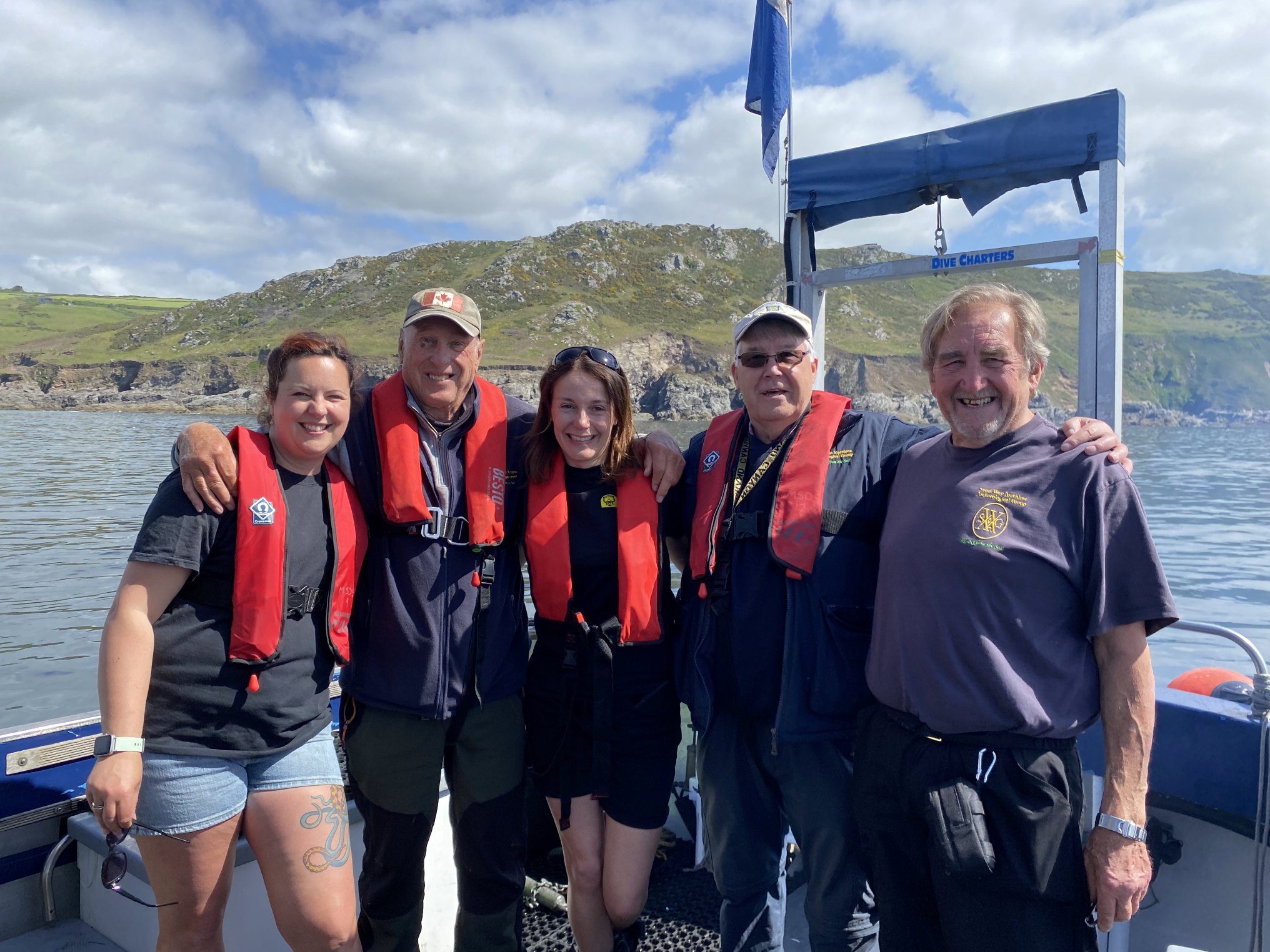
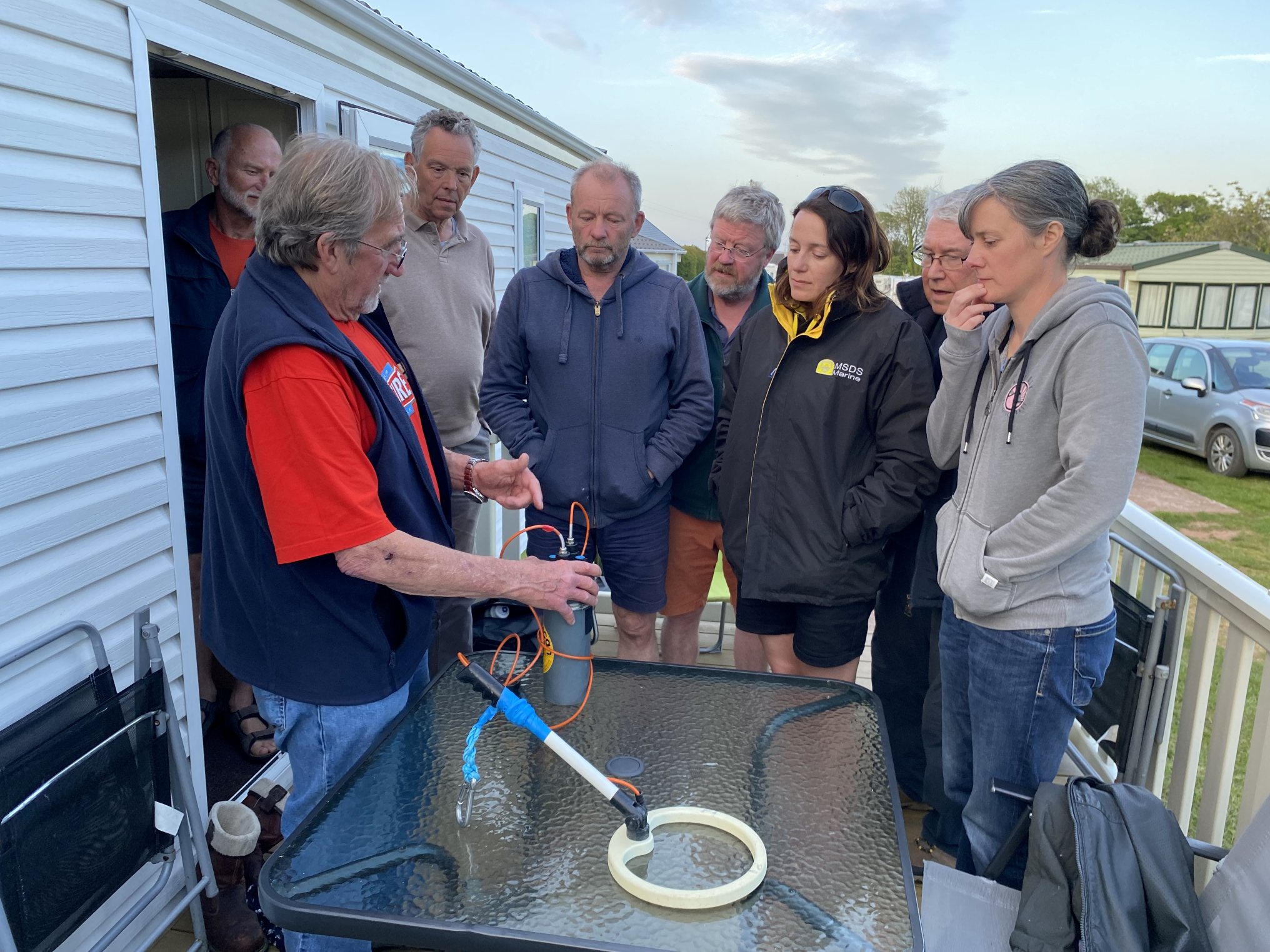
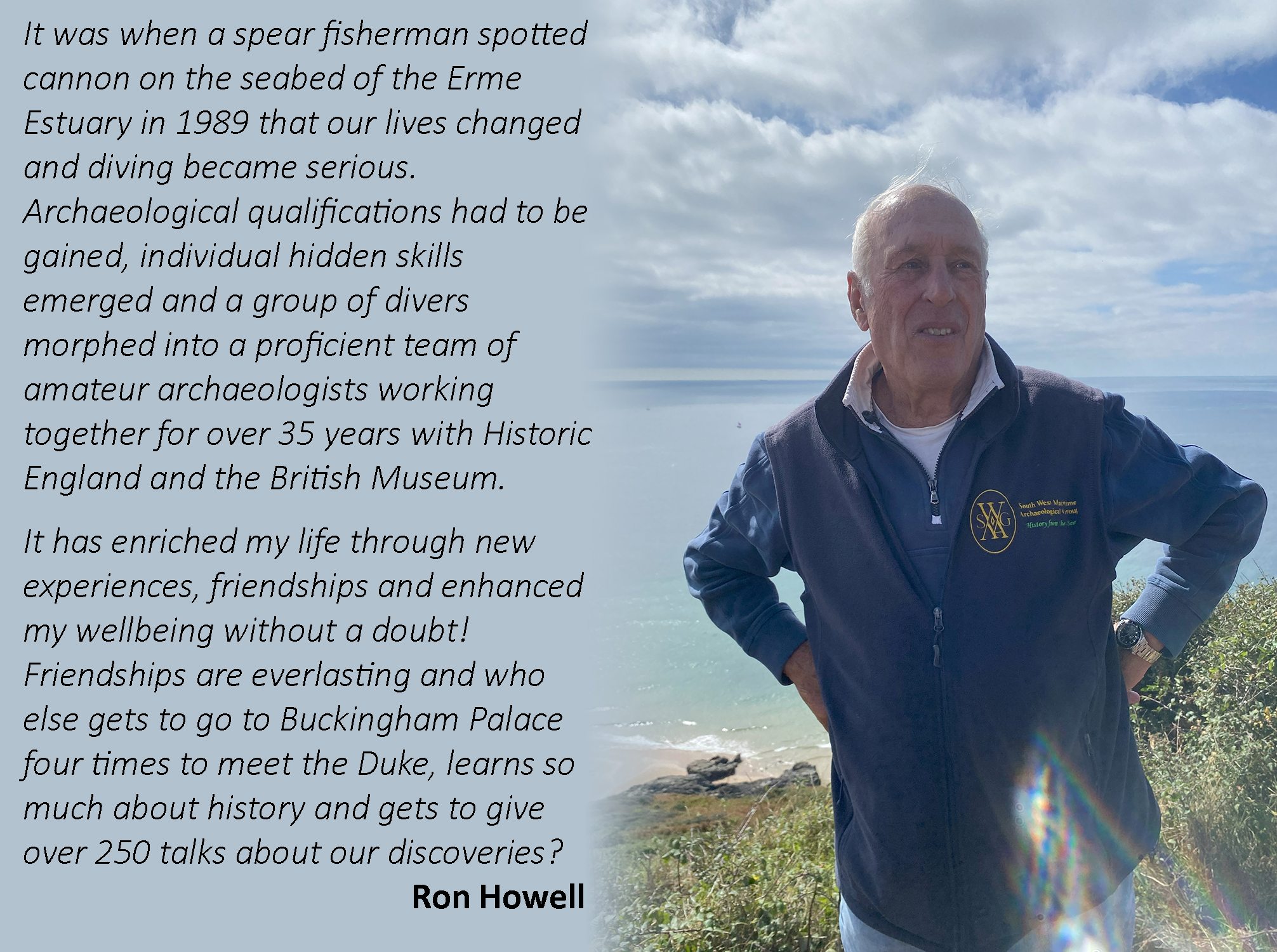
The South West Maritime Archaeology Group (SWMAG) describe themselves as a team of avocational divers with a passion for history from the sea. Over the years, SWMAG has volunteered and contributed to unearthing the history of several sites, in particular the Moor Sand and Salcombe protected sites. Their work has revealed many significant discoveries, from Bronze Age gold jewellery to tin ingots that are helping redefine our understanding of Bronze Age trade in northern Europe. Some of the finds from these sites are on display at the British Museum. At its height the club had over 220 members but today there are only a few members remaining. In addition to the SWMAG team providing a huge service to maritime heritage over the years, the team members themselves have experienced the mental health and wellbeing benefits of being involved in such a project, making life-long friends and keeping their minds and bodies active into their later years.
The SWMAG group are committed, enthusiastic and make an important contribution to how maritime archaeology is managed in the UK. However, like many of the volunteer teams involved in caring for England's protected wrecks, they are getting older with most in their late 70's and early 80's, and they are now having to retire from diving. It was clear that a succession plan was needed.
The Salcombe Cannon wreck was selected for a Historic England funded pilot project to address the issue of the ageing demographic of SWMAG members (James 2024 ). SWMAG themselves recognised there was an opportunity to work with the next generation to share their extensive site knowledge, and to ensure their work is continued by a new generation of divers. MSDS Marine, have worked alongside SWMAG to help provide support in finding new divers and assisting them in sharing their knowledge.
The project has ensured the legacy of the original SWMAG members has continued, and the relief that their hard work will be taken forward by new team members has benefitted their wellbeing. For the new volunteers, being part of a team, spending time at sea with a purpose in a beautiful location, where they can interact with the natural environment, has been a rewarding experience that they can take forward beyond the end of the project.
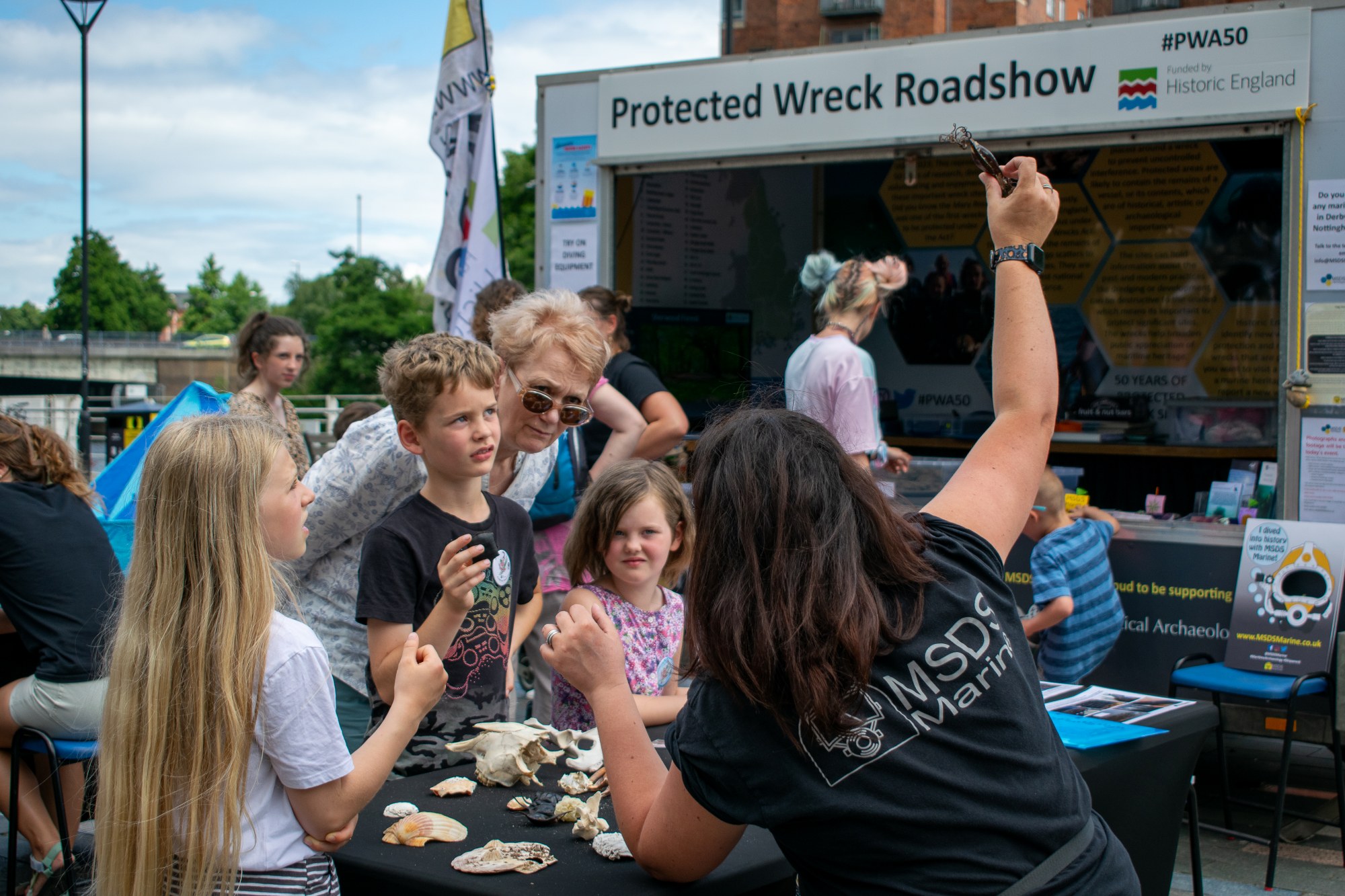
Engagement with our shared maritime heritage can also have a benefit to the wellbeing of the wider community, helping people connect with their past, and past communities. Whilst on the surface it might seem that populations in more inland parts of the country do not have connections with maritime heritage, look a little deeper and it is soon clear that there are connections everywhere. Manufacturers, traders, and sailors came from all parts of the country and contributed to maritime trade and had an important presence during maritime warfare. The ' Landlocked and Looking Out' project took place in Derbyshire and Nottinghamshire in 2023 to commemorate the 50th anniversary of the Protection of Wrecks Act. Maritime archaeology, by its very nature, is concentrated around the coasts, and as a result, opportunities for the public to engage with it can be limited to coastal communities and those who have the means to visit them. People living inland do not always get the opportunity to participate in maritime archaeology projects, so, to address this, funding from Historic England enabled MSDS Marine to deliver fifty public pop-up events over summer 2023, specifically for schools and youth groups, to encourage active participation with maritime heritage.
All events were held in landlocked Derbyshire and Nottinghamshire. A wide range of different public venues were chosen to ensure pop up events were accessible by as many people as possible. Venues included both rural locations, city centres and even a busy Co-op car park and as a result 17,066 individuals have attended at least one of these events. Not everyone who came will become a maritime archaeologist or volunteer: however, it is hoped that by having an understanding and appreciation of maritime archaeology everyone can feel they have a connection to our maritime past.
An important part of engaging with the community was to give them a tactile hands-on experience using handling collections from the shipwrecks HMS Invincible and the Earl of Abergavenny . Handling objects, especially those from the past which are usually inaccessible on displays, provides a direct tactile connection to our past, providing the same sensations that would have been experienced by the original users. Touch not only facilitates connection but also provides memories that are more detailed and precise, especially for children and those that are neurodivergent. Handing important items from the past also helps those enjoying them feel trusted and valued. Items, such as the length of rope from HMS Invincible, maintain their smell and this can help illicit a strong sensory connection that can transport the public in time and place. The project provided opportunities to use other senses to connect members of the public with their maritime past, with the opportunity to take part in virtual reality dives on several protected wreck sites.
Whilst not intended as a wellbeing project, the project did enhance wellbeing from that of the volunteers who helped support event delivery to attendees who got new opportunities and experiences. It illustrates how projects can have added benefits that might not have been considered in the planning stages but perhaps should be to ensure that those benefits are maximised.
Volunteering and collaboration provide excellent opportunities to improve mental health and wellbeing. Shortly after the COVID-19 pandemic, a project to digitise an archaeological archive at Portland Museum was launched, to help break down barriers to heritage. Feeling isolated, and mental health struggles and were a huge impact of the coronavirus pandemic so the unintended timing of the launch of 'Diving into the Digital Archives' project could not have been better. The partnership between Portland Museum, Royal Museums Greenwich, MSDS Marine and the Nautical Archaeology Society was carried out with funding from the National Lottery Heritage Fund. The funding was part of an initiative which aimed to raise digital skills and confidence across the whole UK heritage sector. Seventeen projects were awarded funding to create digital volunteering opportunities, and support volunteers to develop and contribute their digital skills. Some opportunities were offered online to remove barriers such as place, mobility, time commitments and confidence in returning to in-person activities due to the pandemic.
In turn, heritage organisations gained the perspectives and skills of 'at distance' and on-site digital volunteers including many who may not have had the chance to volunteer before. The Diving into the Digital Archives of the Earl of Abergavenny project was designed to develop digital skills amongst volunteers from the local community with the collection being used as a vehicle for the volunteer digital training as well as sharing the collection and methodology of the archive with other heritage organisations.
The Earl of Abergavenny wreck site had been surveyed, excavated, artefacts conserved and documented by a volunteer group of amateur maritime archaeologists over many years led by the late Ed Cumming. Portland is high on the government's Deprivation Index (Dorset Council n.d.) with a lack of local employment and a reliance on tourism. It was intended that this project would significantly broaden the Museum's volunteer base and raise the digital skills in the heritage sector. By upskilling local people, it would enhance their ability to find work and help to improve their confidence. The project also helped to strengthen the tourist potential for the island by making some of the collection available online and attracting more to visit Portland and the Museum. The Earl of Abergavenny collection of artefacts has, through this project, been made accessible globally and will consequently benefit maritime research.
In total, 45 volunteers were recruited and contributed a total of 1,975 hours to the project. The benefit of volunteering to wellbeing was felt across the demographic, especially after the added isolation that had been brought about by the pandemic. Notably two recently bereaved widows said it helped them get out and about and focus on the future. One of the younger volunteers said that it had helped develop their confidence and the result of this was that they were able to secure a job at a local heritage organisation. A retired volunteer stated that being part of the project made them feel like a useful member of society (Boyd 2023 ).
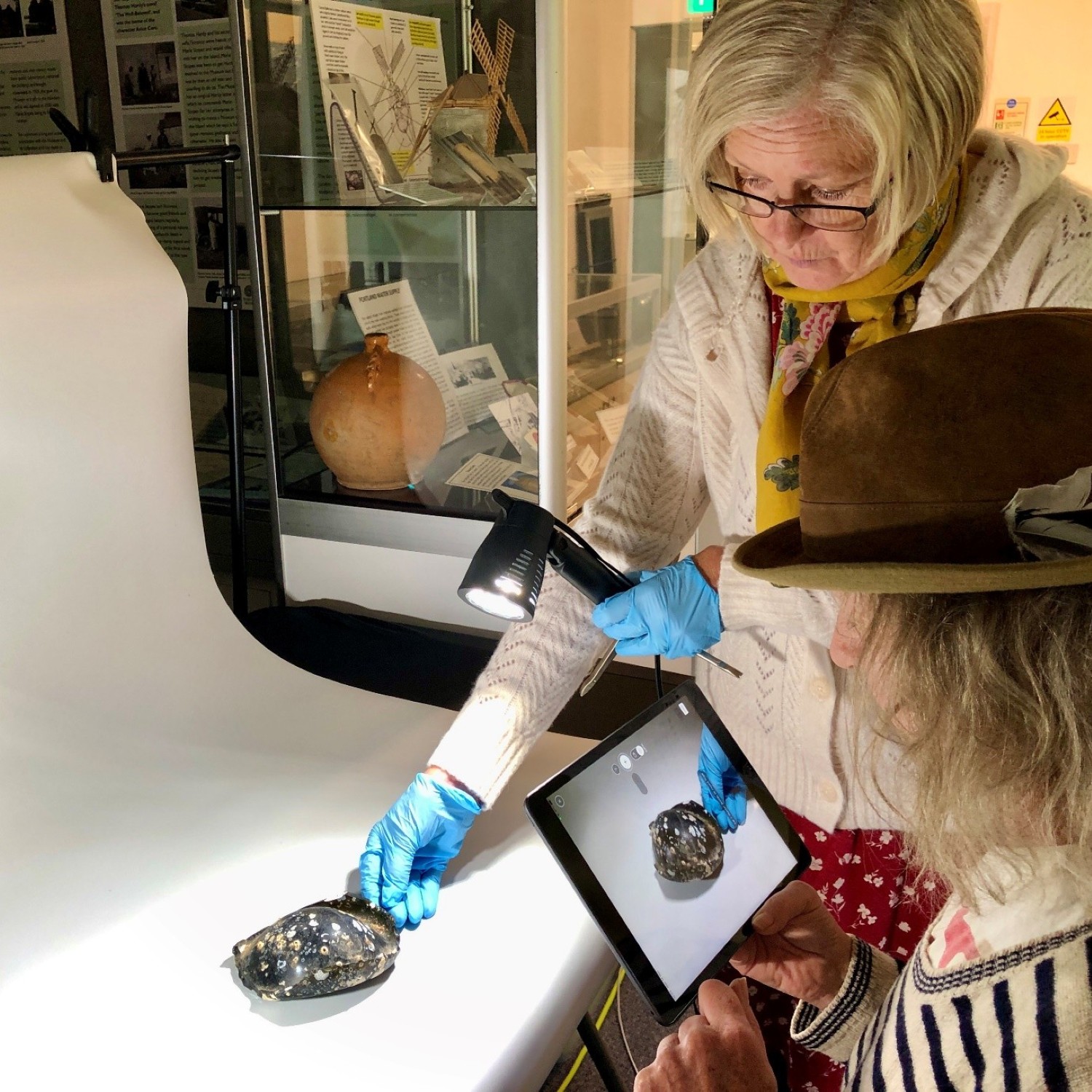
The project helped tackle social isolation and support mental health and wellbeing in the community, whilst allowing volunteers to develop new skills, handle and observe the collection at close quarters and feel the satisfaction of contributing to a project that benefits all. The project also helped to bring in lots of new visitors to the Museum which is run by a Charitable Trust, staffed by volunteers and relies on visitors to keep the museum functioning. The wellbeing benefits created by the project were secondary to the heritage benefits, yet they are just as important and have also been successful. Protected wreck sites have many outstanding archives that need tackling in the future and this project highlights the possibilities to enhance wellbeing whilst addressing a heritage problem that cannot be solved by archaeologists alone.
Maritime heritage in the UK relies a great deal on volunteers but there are also those that work in the sector. Whilst working in maritime heritage has many benefits and a lot of job satisfaction, it is often poorly funded which can cause financial stresses and strains and as with many professions, finding a work/life balance can be challenging. The Mental Health Foundation states that mental health issues have many impacts including employee engagement and productivity. The World Economic Forum published an article in 2023 stating that giving workers extra time off, by working a four-day week can actually help wellbeing and increase productivity according to several global studies and trials. The results suggest that a four-day week also boosts physical and mental health and is better for the environment by reducing CO2 emissions. During the studies, levels of stress, burnout and work and family conflict decreased, and general life satisfaction increased. People got more sleep and exercised more. The four-day week usually involves the same pay but for fewer hours work, so employees do not lose out on pay but gain on personal time, to use for wellbeing or just to balance daily life or perhaps pursue a hobby or volunteering.
This might work very well in an office environment but is this really possible in a workplace where employees regularly travel and spend time at sea on fieldwork? MSDS Marine have recently put this to the test by trialling a four-day week for all full-time employees. All staff including part-time staff completed surveys to measure the success of the trial. The trial clearly showed the benefits to all staff with all staff reporting a better work life balance and two thirds of the team believing the four-day week working pattern helped improve their mental health.
Talking to employers about trying to achieve this balance when you might be struggling can be difficult, especially in industries where jobs are rare and sought after. Having a four-day week in place means that it is easier for all staff members to access a better work/life balance and it seems there are many benefits for the employer too. The four-day working week may not be practical for everyone, but it can have positive impacts for areas of wellbeing.
Encouraging a culture of openness within organisations is also really important as well as providing flexibility and increasing support for parents and carers where possible. Being able to communicate easily with employers about mental health in an industry like maritime heritage, where employees are often working remotely, is essential to both wellbeing and productivity. Having a mental health champion that is approachable within an organisation can help improve wellbeing within an organisation, not only to highlight the importance of wellbeing but also for those who are experiencing difficulties. This example highlights how the heritage sector has the potential to lead the way in providing a highly supportive working environment designed to enhance the wellbeing of those working in it. It is clear that our shared marine heritage is an effective tool to help improve wellbeing and provide opportunities to enhance mental health. The projects discussed are just some of the ways that connecting with our maritime past has helped to improve people's wellbeing recently and it is likely that new benefits will also be discovered. Whether it is through volunteering, socialising, or spending time outdoors, improved working conditions or providing opportunities for those struggling to take the next leap, there is clearly much to be offered and it would be great to see more of these opportunities considered as a normal part of project planning. There is something for everyone, young and old, no matter what their background or ability. These initiatives not only benefit the wider community but also a provide a huge benefit to marine heritage through raising awareness and through people having a vested interest in the heritage assets that surround them.
Volunteering and involvement with underwater cultural heritage has the potential to impact the wellbeing of participants for the better in numerous ways and should be developed as an outcome of all projects. The young and the old, professionals and volunteers, can all benefit from involvement with maritime heritage. Maritime cultural heritage has the power to support and enhance wellbeing, provide new opportunities and bring people together. Maritime archaeologists believe what we do has value and it can be much more powerful than simply finding out about the past. It can help ensure that those engaged in such projects lead happy and fulfilling lives that are enhanced by their knowledge of the past.
Internet Archaeology is an open access journal based in the Department of Archaeology, University of York. Except where otherwise noted, content from this work may be used under the terms of the Creative Commons Attribution 3.0 (CC BY) Unported licence, which permits unrestricted use, distribution, and reproduction in any medium, provided that attribution to the author(s), the title of the work, the Internet Archaeology journal and the relevant URL/DOI are given.
Terms and Conditions | Legal Statements | Privacy Policy | Cookies Policy | Citing Internet Archaeology
Internet Archaeology content is preserved for the long term with the Archaeology Data Service (ROR). Help sustain and support open access publication by donating to our Open Access Archaeology Fund.
 Home
Home