Cite this as: Croucher, K., Bates, C.R., Booker, O., Evans, A., Gaffney, C., Ichumbaki, E.B. Jennings, B., Moore, J., Ogden, J., Ritchings, J., Simpson, S., Sparrow, T., Snaylam, S., Sutton-Butler, A., Walker, A. and Wilson, A.S. 2026 Place, Identity and Wellbeing: Bradford and Beyond, Internet Archaeology 73. https://doi.org/10.11141/ia.73.4
At Bradford, we have a tradition of driving technological approaches to aid archaeological discovery and heritage interpretation, utilising pioneering methods of digital capture and documentation, to successfully establish this as a mainstay of heritage research, under the umbrella of 'Visualising Heritage'. Working at a variety of scales we are now as familiar in using these approaches with sites, monuments, landscapes and townscape heritage as we are working at the artefact scale. We have developed world-leading techniques and capabilities for imaging and 3D capture, processing, analysing and presentation of rich 3D datasets, as recognised through the Queen's Anniversary Prize for Higher Education awarded to Bradford in 2021 and subsequently with infrastructure investment via AHRC Capabilities for Collections (CapCo) and Research Infrastructure for Heritage Science (RICHeS) funding. Collectively we have developed skillsets and deployed these as part of numerous projects, each of which have made significant contributions to heritage conservation, access to and use of resources for research, capacity building and the enhancement of lives, under two 'parent' projects: Fragmented Heritage and Virtual Bradford.
Fragmented Heritage was an AHRC Theme Large Grant under the Digital Transformations Programme. The focus of this project was the use of revolutionary approaches to the ways in which we study fragmented heritage objects in archaeology and heritage science, ranging from artefacts and assemblages to the wider contextual understanding of monuments, sites and landscapes.
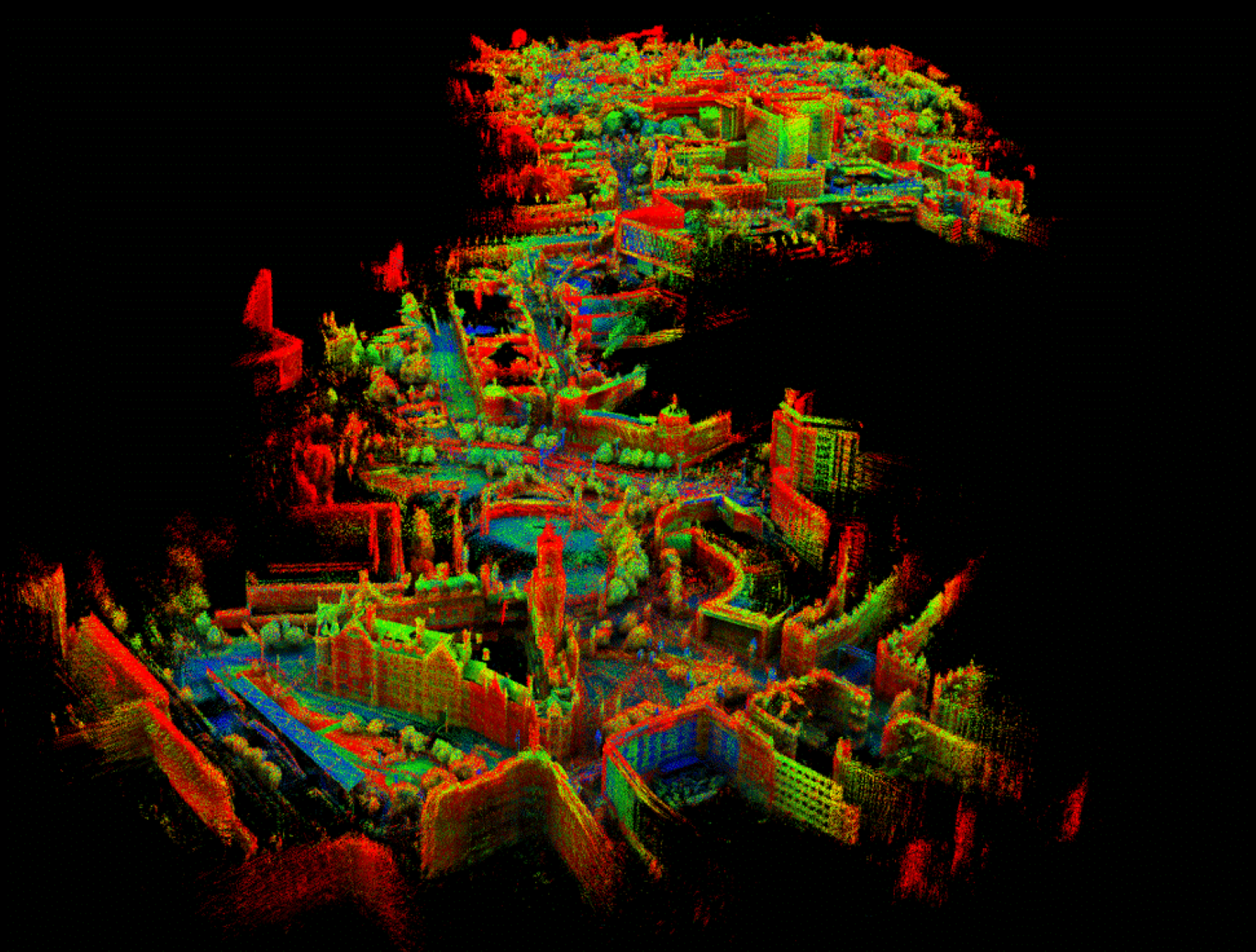
Virtual Bradford is one of the first open data 'digital twins' at a city-scale - a digital recreation of the City - as part of research collaborations with the local authority (see also Wilson and Walker 2025; Gaffney et al. 2025) - an approach that has been replicated in other parts of the Bradford District, in Tanzania and in Ireland. See Figure 1.
Interdisciplinary research that spans archaeology, health care, end-of-life care and psychology, can be seen in our third parent project, Continuing Bonds: Exploring the meaning and legacy of death through past and contemporary practice (Croucher et al. 2020). This research explored the role of the past in opening dialogue and challenging biases around death, dying, bereavement and loss, encouraging normalising of these difficult topics, leading to advance planning and healthier grieving. Via a series of workshops that were delivered to health and social care professionals and students, case studies of funerary practices from around the world and through time were used to explore the value of the past as a distanced gateway to opening discussion, as well as exploring the interdisciplinary collaboration between archaeology and health studies.
Seven subsidiary, interlinked projects are outlined next, before a summary of our methods and key results, which highlight the value of place-based research and its wider global significance.
Collectively, our interdisciplinary approach draws upon geospatial understanding that place digital heritage and archaeology in context and enrich this knowledge using social sciences skillsets that convey meaning and relevance for contemporary audiences. Within this paper we concentrate on various methods that develop the concept of outstanding universal value of heritage seen via UNESCO World Heritage Site designations, whilst also highlighting the significance and importance of townscape heritage at a devolved scale for communities within the UK, Southwest Asia, the Indian Sub-continent and in East Africa.
Many of our initial drivers with heritage (at risk) were as a direct response to challenging circumstances whereby stakeholders needed approaches that helped to mitigate loss or damage to heritage caused by natural disasters, conflict and related collateral damage, development pressures and management issues (Wilson et al. 2019; Balzani et al. 2024), with much of the emphasis on the physical assets, drawn out of conservation needs. Our focus has shifted, both through recognition of the need to anticipate change and in advancing our steps towards rapid digital capture of heritage assets (Moore et al. 2022) and because of the utility, significance and wider potential of our data for communities and other contemporary stakeholders in addition to the needs of local authorities and heritage professionals (Wilson and Walker 2025).
Meanwhile, a need was identified through interdisciplinary collaborations between archaeology and colleagues in end-of-life care, whereby despite the universal reality of death, there is a reluctance to talk about the topic, which negatively impacts advanced care planning, experiences of death, as well consequences for unresolved bereavement (see Croucher et al. 2020; and for consequences for young people, Booth et al. 2020; 2023; Croucher et al. in press). The additional need in schools became apparent, with research demonstrating the negative long-term impacts on young people from unresolved grief, including risk-taking behaviour, mental ill-health, addictive behaviour, and a high correlation between childhood bereavement and prison populations (Aynsley-Green 2017; BMA 2014). Not least, mortality has a socio-economic correlation, with higher mortality rates more prevalent in our most economically deprived neighbourhoods.
Curious Travellers
Curious Travellers research was devised to aid the work of conservation architects and planners for post-disaster reconstruction and resilience work, with a case example that provided input to the aftermath of the catastrophic earthquake in 2015 that destroyed temples and religious complexes in the UNESCO World Heritage Sites of the Kathmandu Valley, Nepal. Detailed 3D models were built using web-scraped and crowd-sourced imagery (Wilson et al. 2019, Wilson et al. 2022), with in excess of 303,000 images sourced, of which 70,000 were sampled and filtered, with 25,000 individual images matched into clusters of images). Point clouds for the Durbar and temple squares were processed to produce meshed and textured models: The resultant images, database files and processed 3D models, together with mobile mapping data, have directly contributed to understanding and workflows used by conservation architects to inform the rebuilding of the World Heritage Site (Coningham et al. 2019). The utility of rapid recording and capture methods as part of this research has since served as a basis for methodologies that have underpinned the development of a digital twin for the City of Bradford, in partnership with the local council (Wilson 2022).
Curious Travellers also addressed heritage loss resulting from human conflict, which sought to rebuild elements of the UNESCO world heritage site at Palmyra, Syria after it had been deliberately destroyed by Islamic State fighters in 2015 (Wilson et al. 2022). Whilst the site remained inaccessible, web-scraped and crowd-sourced imagery from tourists was repurposed and used to reconstruct a digital surrogate of the Temple of Bel at Palmyra. This was subsequently used within the BReaTHe project.
Continuing Bonds: Creative Dissemination
Following on from the success in demonstrating the use of archaeology and heritage to instigate difficult conversations and to encourage participants to think differently about death, dying, bereavement and loss, Continuing Bonds: Creative Dissemination used funerary archaeology and grave goods along with participant accounts form the Continuing Bonds project, to inspire creative writing and build resilience around conversations about death and dying, with a focus on remembrance (Croucher et al. in press; Croucher et al. 2019).
Continuing Bonds Toolkit
The Continuing Bonds Toolkit has been a collaboration between archaeology, heritage, psychology, service users and professional psychologists, using funerary archaeology as a basis for continued professional development for counsellors/psychologists, and offering a potential tool in the therapy room (Sutton-Butler et al. 2026).
Dying to Talk
In Dying to Talk (Booth et al. 2020; Booth et al. 2023; Croucher et al. in press), the Continuing Bonds project premise was used with young people to co-create resources, with young people, for young people, around death, dying, bereavement and loss, focusing on creative methods as a vehicle to exploring challenging topics in Festivals of the Dead.
Building Resilience Through Heritage (BReaTHe)
The Building Resilience Through Heritage (BReaTHe) project (Evans et al. 2020) built on the research of Curious Travellers, converting its outputs using virtual reality (VR) to showcase high-fidelity reconstructions of heritage sites such as Palmyra. VR was then used to connect narratives from displaced communities, along with intangible heritage (including food, music and dance), as a tool for developing resilience and community cohesion. The use of the heritage in the Continuing Bonds project informed BReaTHe in the use of heritage and archaeology for addressing challenging topics.
Reimagining Tanzania's Townscape Heritage
The Reimagining Tanzania's Townscape Heritage project sought to use digital twin technologies to unlock and unite tangible/ intangible cultural assets of the historic townscape heritage of Bagamoyo - helping to document, interpret and promote Tanzania's first colonial capital alongside a wealth of culturally important narratives. In particular, the project sought to contextualise heritage by highlighting Bagamoyo's strategic coastal setting with cultural and maritime links across the Indian Ocean and beyond, thereby drawing attention to aspects of universal value, that led to Bagamoyo being placed on the UNESCO tentative World Heritage List (2006). The project also sought to document the past-present-future strategic importance of Bagamoyo as a port and trading centre for East Africa, together with its significant craft traditions and boat-building heritage and historic connections with the Central Slave and Ivory Trade Route. Given Bagamoyo's status as a cultural hub due to the presence of the state-sponsored arts college TaSuBa and host to the Bagamoyo Festival (an annual international arts and cultural festival), our approach was to embrace the artistic potential of digital heritage data to encourage discourse and reflection on heritage futures for Bagamoyo's residents and visitors.
Saltaire: People, Heritage & Place
The Saltaire: People, Heritage & Place project amalgamated and built upon elements of prior projects (discussed above) to explore identities, whilst also supporting digital literacy and creative responses to heritage-based field observations. Based in the UNESCO World Heritage Site of Saltaire, within the Bradford district, the project expanded coverage of Virtual Bradford, an open access digital twin of the City, to include Saltaire. The project was part of the AHRC 'Place' programme, involving nine knowledge exchange projects, driven by key needs alongside local authority partners.
Project methods are broadly two-fold: the use of digital twin technologies and digital documentation methods for heritage sites; alongside the use of community participatory and creative methods to explore concepts relevant to people today.
This paper considers in particular the work of the Saltaire: People, Heritage & Place project, alongside the Reimagining Tanzania's Townscape Heritage project, both of which drew upon the use of digital twin technologies also utilised with the development of Virtual Bradford, an open digital twin for the City of Bradford and the concept of anchoring narratives and signposting route-ways (White 2024). Further methodological details can be found in other outputs (Gaffney et al. 2025). The community outcomes of the projects drew upon the Continuing Bonds strands of research in the use of heritage and archaeology for addressing challenging topics through community engagement.
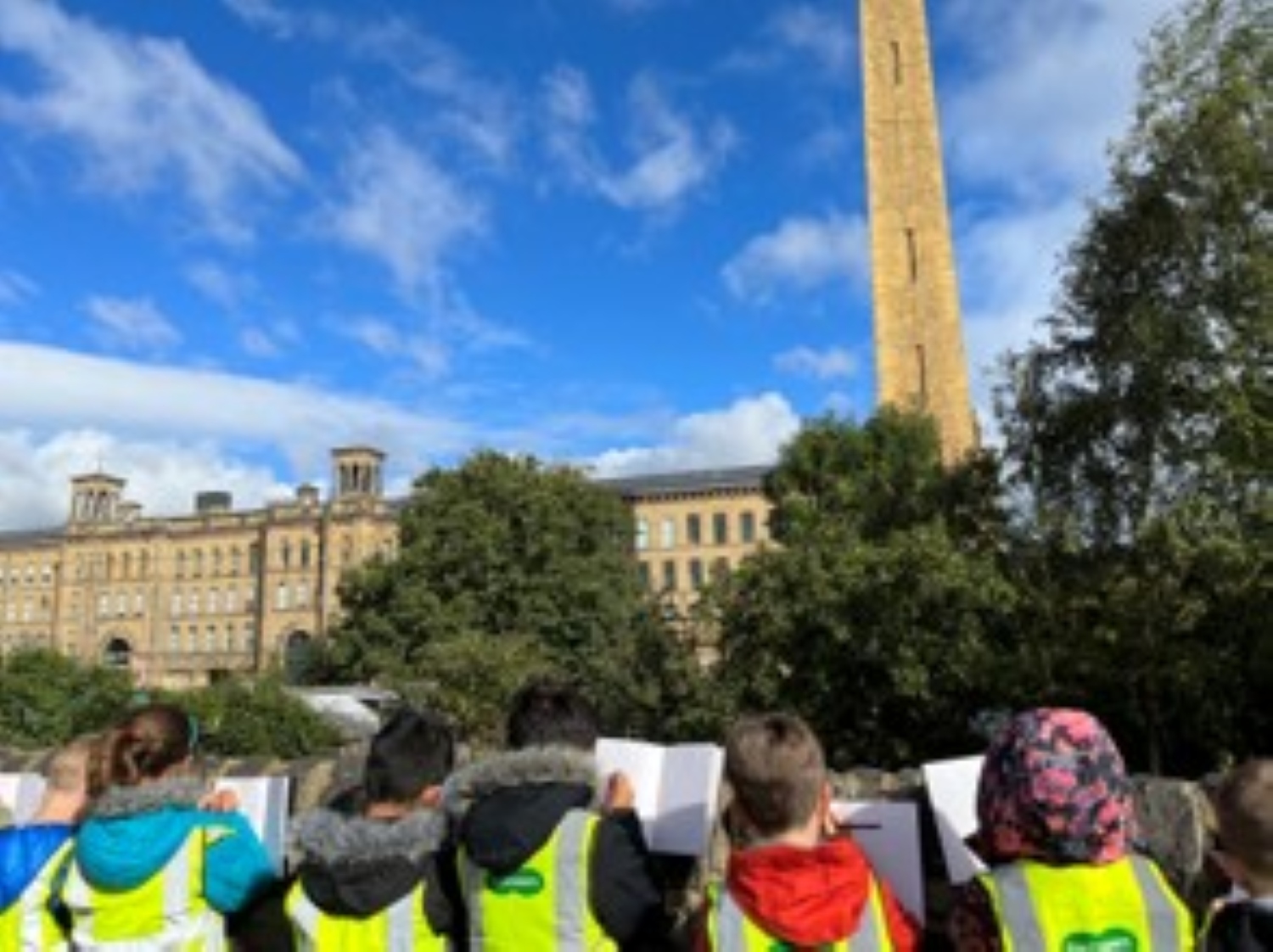
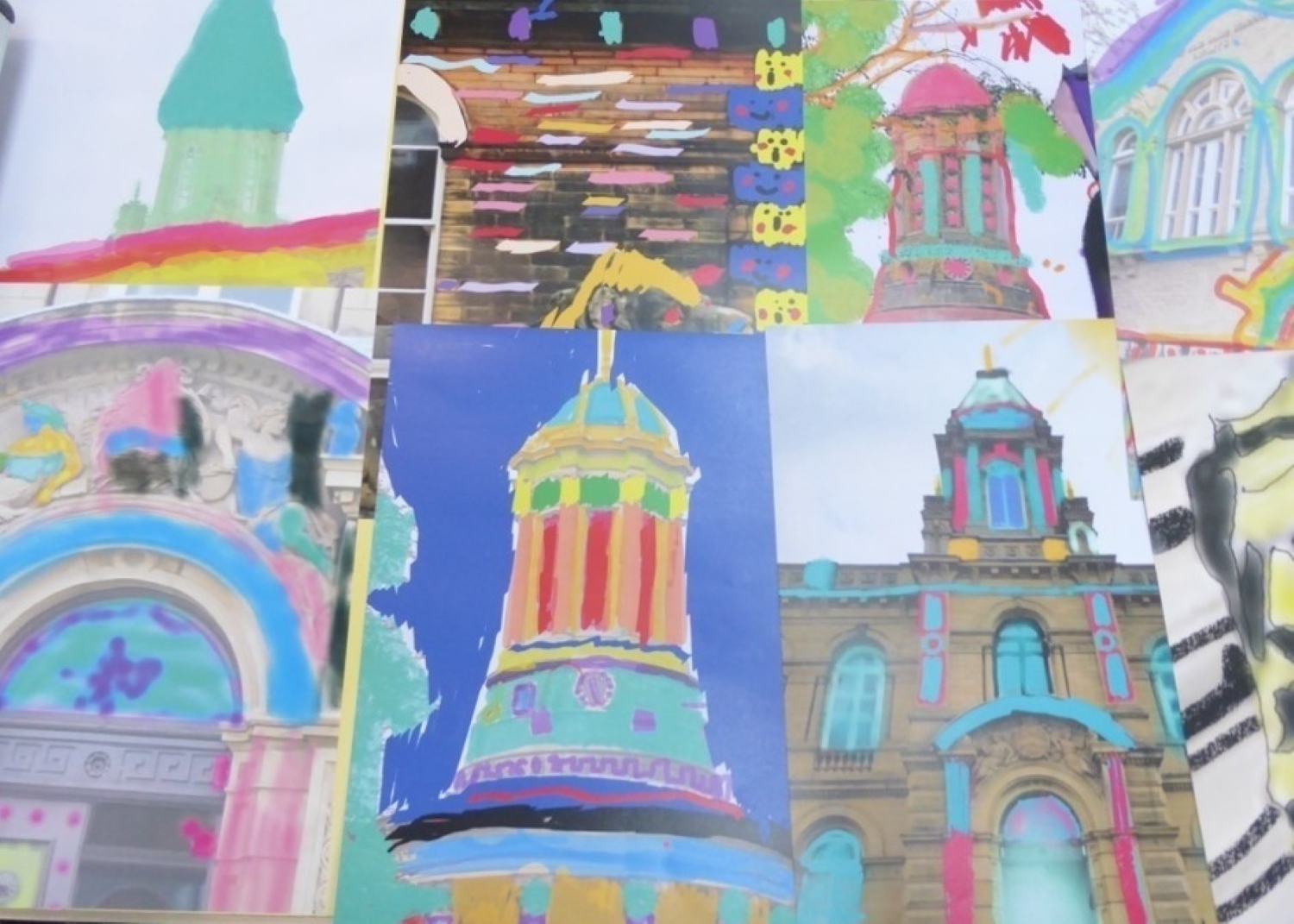
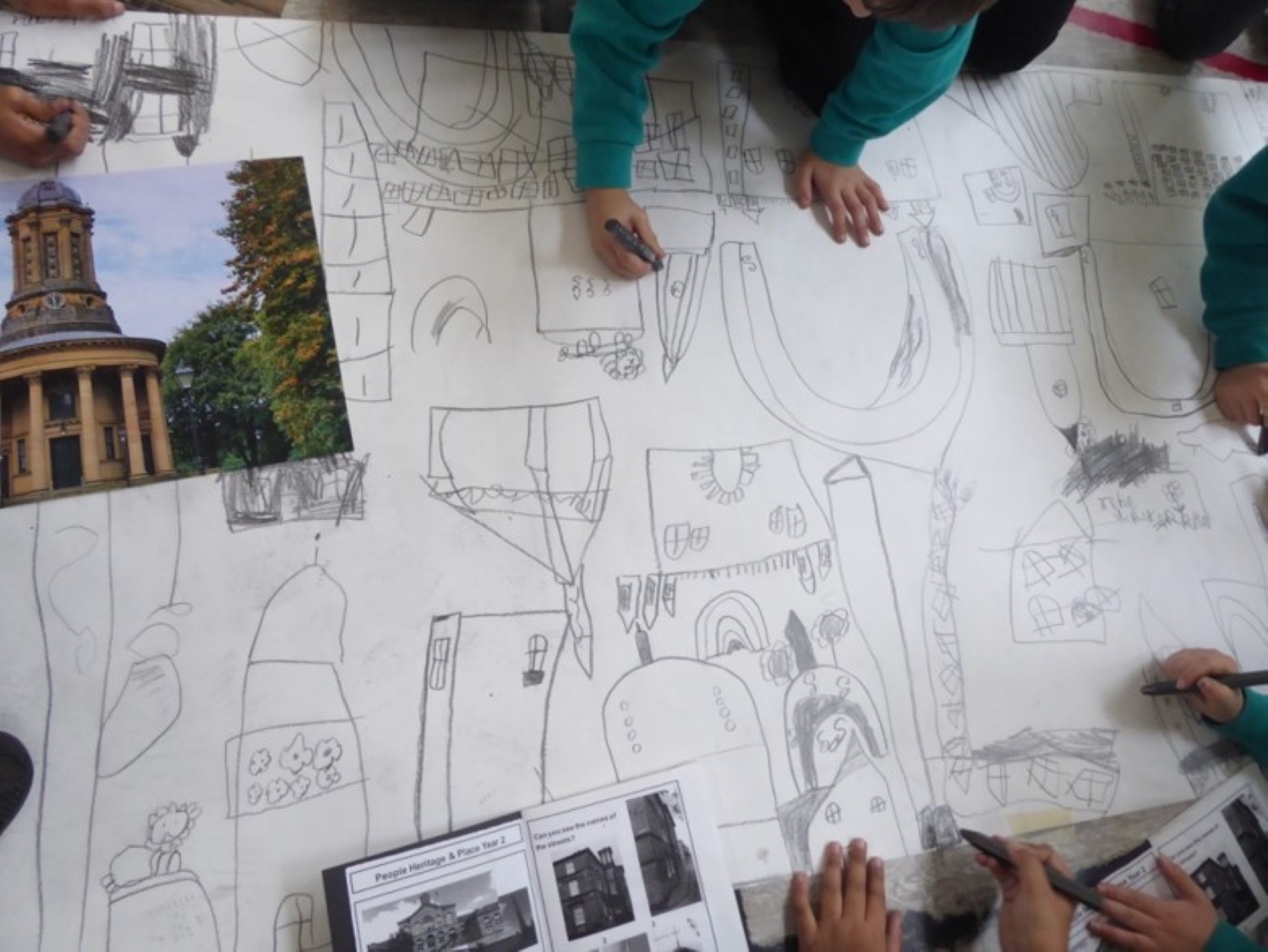
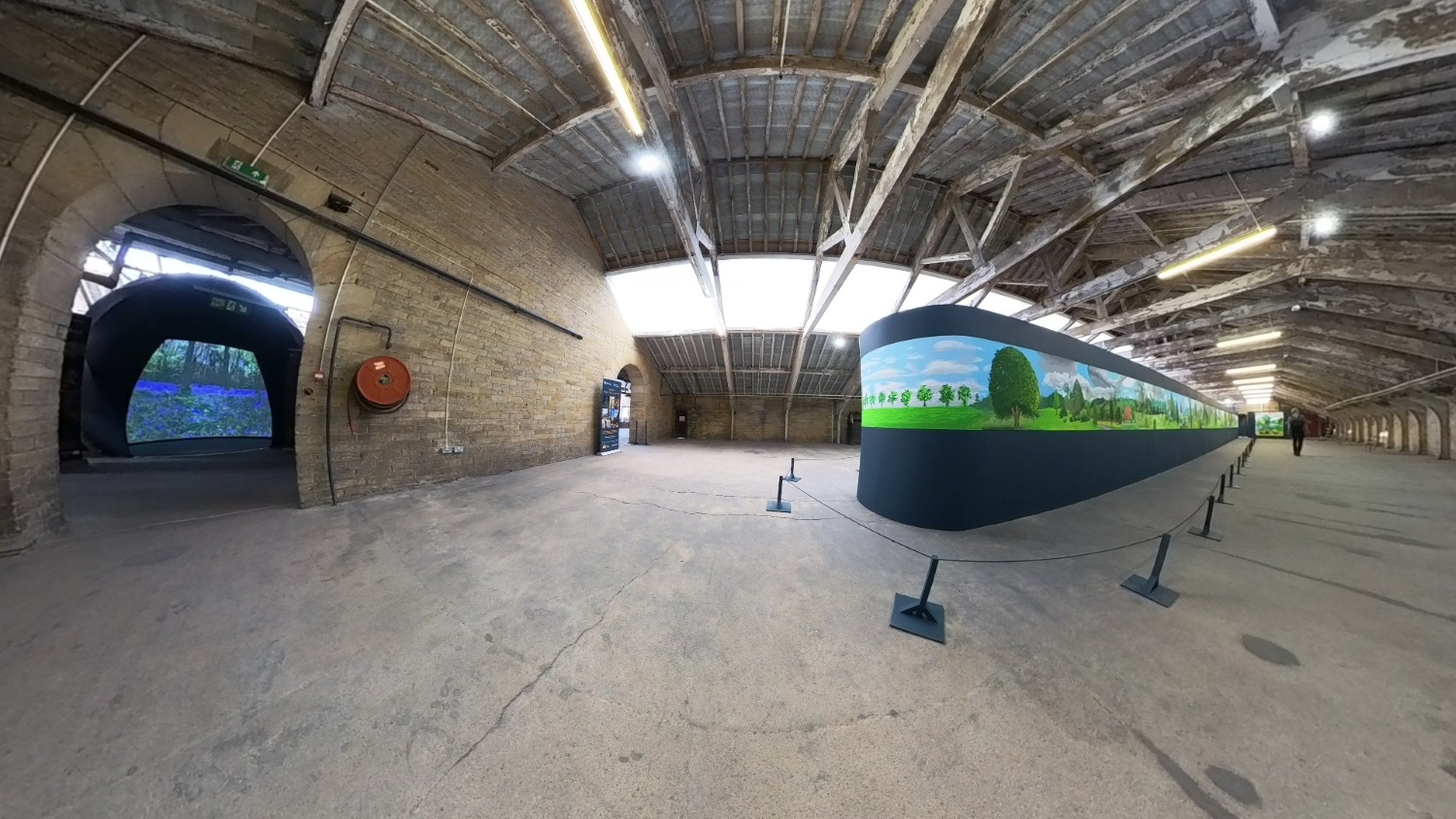
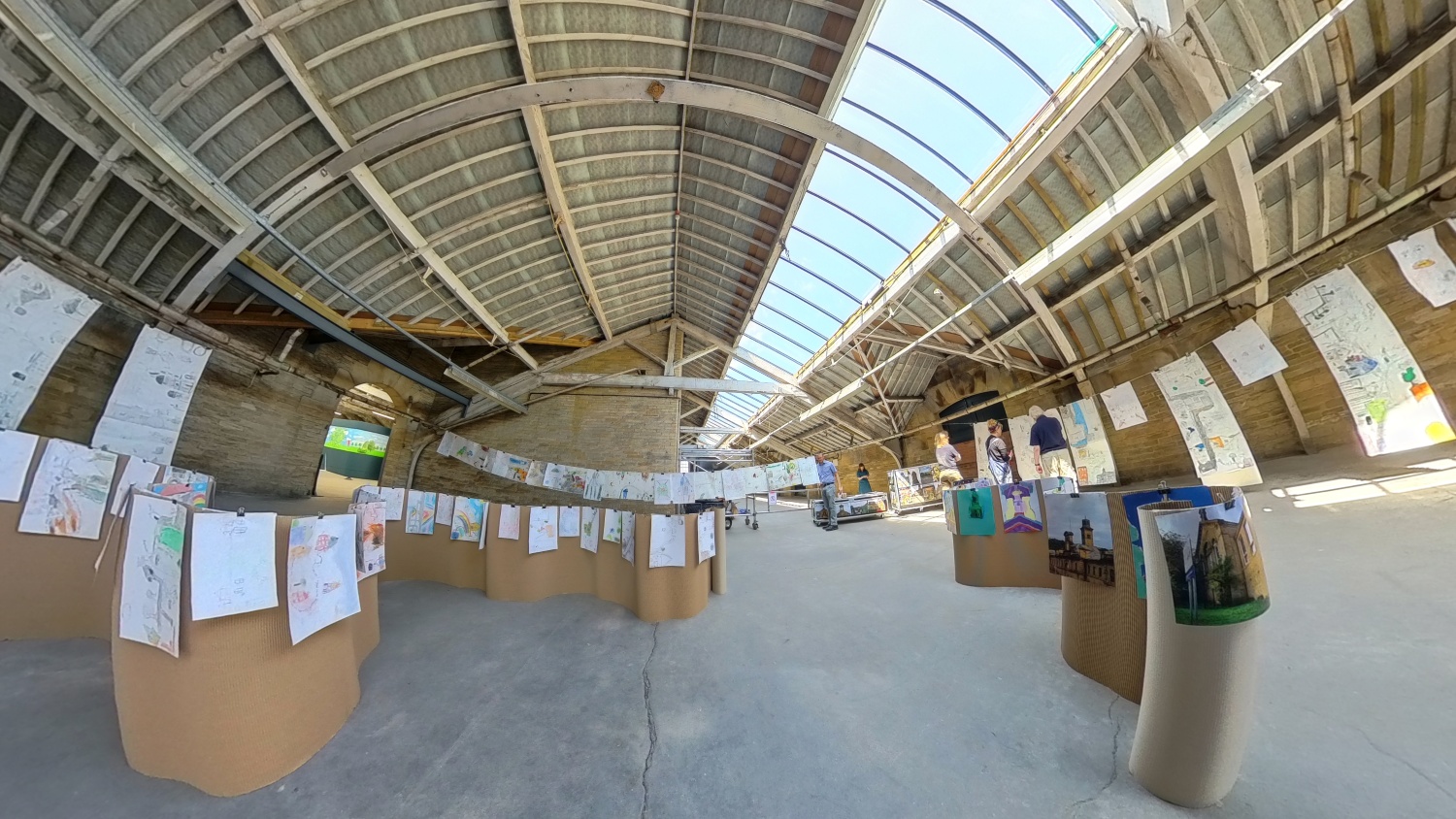
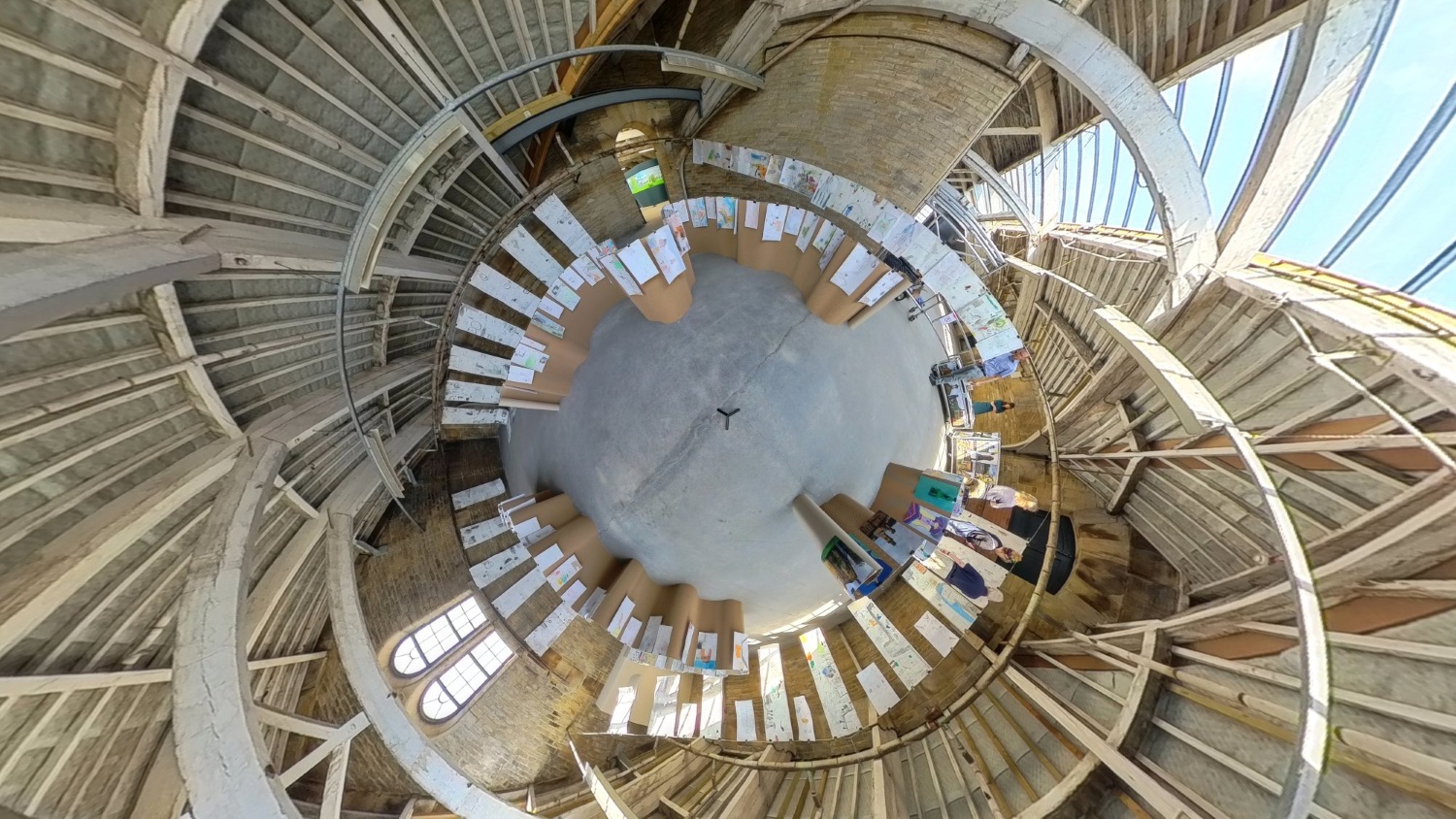
Outputs from the digital capture were used in creative ways to explore perceptions of identity and place with primary school learners and teachers, working in collaboration with an art educator. Creative methods, ranging from traditional pencils/charcoals/crayons alongside digital art, were used with primary learners to create artworks which delved into perceptions of place. The pupils were taken out of school to observe and record Saltaire, with each pupil given a sketch book, which they continued to use beyond the project. The concept of 'journeys' focused both on the common geographical location of schools, along with the diverse backgrounds that have brought learners to our region. The art works, along with an immersive showcase of digital content relating to Saltaire UNESCO World Heritage Site, were the focus of an exhibition in Salts Mill as part of the May 2023 Saltaire Arts Trail, which enabled us to showcase school children's artwork alongside acclaimed artist David Hockney's Year in Normandie. These were further used in local exhibitions in our partner schools. As part of the project, legacy resources were created for local residents and visitors (including refugee/ migrant communities) to signpost exploration of the region and its heritage, including the development of a Heritage Trail (Wilson et al. 2023b), using QR codes that linked to digital content (3D models, 360 footage and material from local archives). Similar to the Continuing Bonds project, a toolkit for educators was developed as part of the Saltaire: People, Heritage and Place project aimed at the development of children's educational activities to explore the relationship between place, roots and origins. The toolkit is freely available to download [PDF].
The experience of working with primary school teachers and educators led to a further development of the People, Heritage & Place project which allowed us to consider the applicability of the approach with other age groups and with special needs provision, where we trialled a related workshop with a local secondary school. This involved taking a small group of students, from a School for Children with Social, Emotional and Mental Health (SEMH) needs, to a heritage property and museum in the care of the local authority, in this case Bolling Hall. The students observed, drew and photographed their surroundings. Inside the space, they were encouraged to draw around themselves / each other and used their outlines to then include art and text about themselves, their identities, their journeys. As well as exploring different art media, they thought about the local areas, but also about their own identities and what they bring to where they are now. The activities brought alive imagination and creativity amongst the pupils. In the final stages of the project, pupils were engaged in artistic creations which captured what they had learnt and enjoyed (or not) about the project, along with interviews with teachers and head teachers about their experiences and reflections on the children's learning.
For Continuing Bonds, methods have involved the selection of archaeological (examples from the past) and ethnographic (examples from across the World) of funerary evidence (some very different from participant experiences), which were used in workshops in order to highlight the diversity of practices surrounding death and grieving, and used as a way to open discussion around death, dying, bereavement and loss, with the materials used being distanced from personal connection and experience. Case studies were used in a safe, workshop setting, with the selection of materials that demonstrated diversity and to some extent created cognitive dissonance. Discussion of these materials, and the safe space for participants to open up about death, led to a reflection on stereotypes and biases, and challenging concepts of 'normal' treatment of the dead or the grieving process, as well as discussion about personal and professional experiences of death, dying, bereavement and loss (Croucher et al. 2020; Büster et al. 2018; Sutton-Butler et al. 2026). In addition, reflective diaries and team meetings were used to capture ongoing learning from the interdisciplinary collaboration, while also ensuring ongoing changes were made to content and delivery, in line with our action research approach (Holter and Schwartz‐Barcott 1993). Reflection time was built in to facilitate learning between engagement events/workshops, enabling the project design to be adapted and updated, taking on board experiences of the practitioners and participants. The reflection and action research process was embedded into the Creative Dissemination, BReaTHe, Dying to Talk, and People, Heritage and Place projects also incorporating experiences of teachers, schools, and project partners.
Our evaluations used mixed methods approaches, each tailored to individual projects, usually consisting of bespoke pre- and post-event questionnaires, follow-up interviews, and for Continuing Bonds, a longitudinal survey of project participants, with the aim of capturing changes in participants personal and professional experiences as a result of project engagement. Ethical approval was gained from the University of Bradford (E487).
Tangible outputs were created in the People, Heritage and Place project, including artwork by the pupils, and digital art, that were both used during the Saltaire Arts Trail and in other exhibitions (Figure 2a-c). The digital art was both printed out and projected as content within the Soluis Reality Portal when it was displayed in Salts Mill, alongside imagery of heritage assets and green space from the local environs (Figure 3). This immersive space is one of three different types at the University of Bradford - a flexible walk-in domed structure that is 5 metres in diameter with a curved projection screen that fills the peripheral vision, allowing for shared immersive experience, in contrast to the individual experience of VR goggles.
As part of the project, a Heritage Trail Visualising Heritage: a Saltaire Experience was created with our partners at Bradford Council, which lay a trail of QR codes, leading visitors to information on 35 key sites in Saltaire, including material from the archives of the Saltaire Collection, digital imagery and 3D models, and children's artwork from the project. This was developed initially as a response to World Heritage Day but has been made into a permanent trail with fixed QR codes now in place. Engagement with the trail was extended by dedicated visits for local refugee groups. A linked project has also helped to showcase an existing routeway from Bradford City Centre out to Saltaire and over to Ilkley as part of the Bradford-Dalesway Link, signposting access to green space, including the newly created Bradford Pennine Gateway National Nature Reserve, in partnership with the Countryside and Rights of Way Team at Bradford Council.
Digital heritage as an anchor and vehicle for promoting creative ties is seen through the Reimagining Tanzania's Townscape Heritage project and related activities. This includes the work of artist Chemical using the medium of Bongo Flava music to reach youth audiences in Tanzania (Ichumbaki and Lubao 2019). Joint fieldwork involving researchers from the University of Dar es Salaam, St Andrews University and the University of Bradford allowed us to capture and contextualise heritage assets, with an equal focus on intangible heritage linking the land and the sea, seen in the form of craft traditions (salt production, boat-building and allied craft workshops such as metalworking) and fish-processing activities. Collectively we were able to work with heritage bodies and national government organisations. We were also able to train Tanzanian heritage professionals and local heritage practitioners in the use of digital heritage approaches both during fieldwork and via international exchange with additional sponsorship from the Erasmus+ scheme which allowed 6 Tanzanian researchers to study in Bradford's Visualising Heritage group.
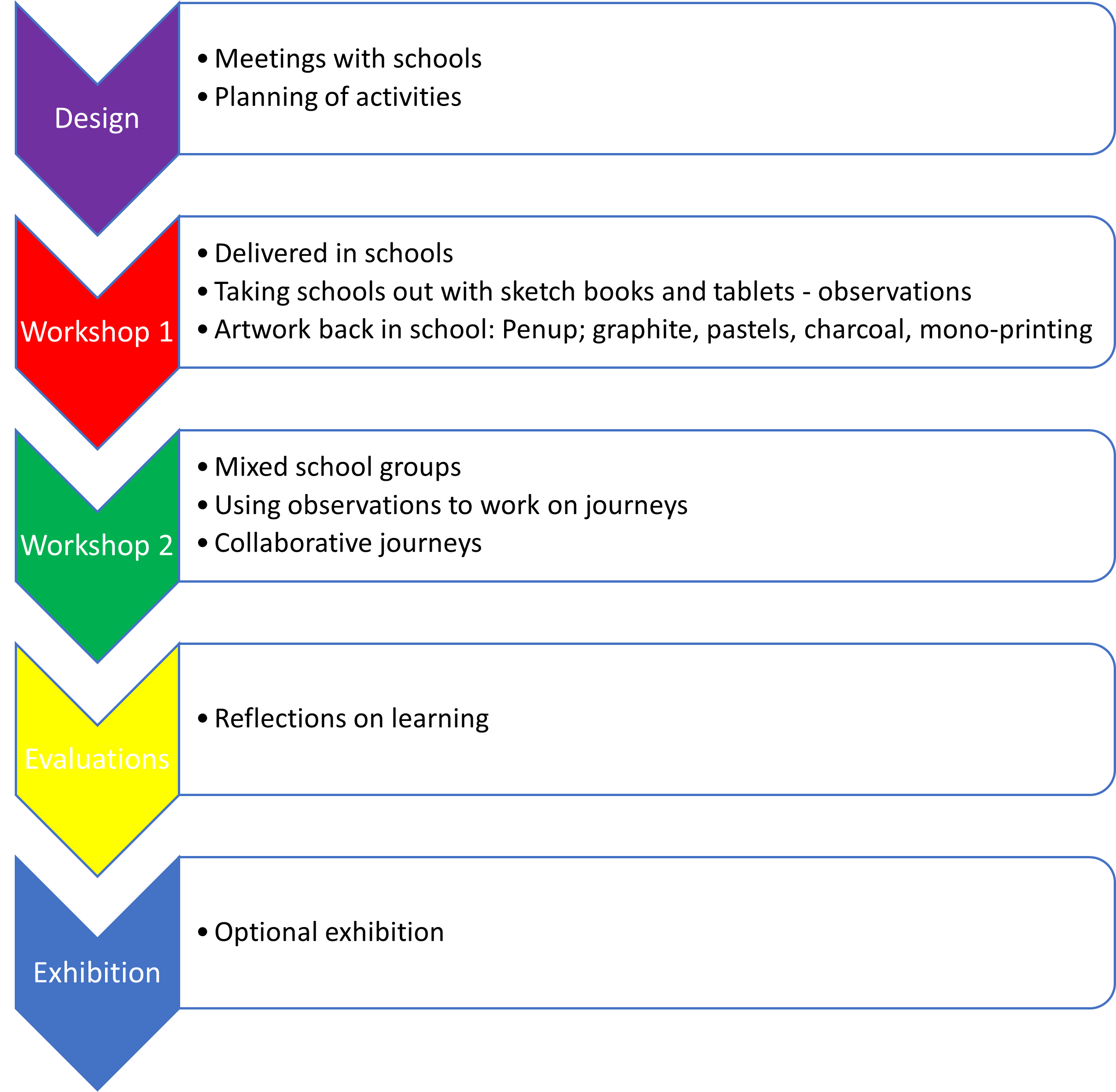
Both the People, Heritage and Place, and Continuing Bonds projects have created open access 'toolkits' to enable future use of resources and outputs by others. There has been suggestion that there is often limited information on the development of cultural heritage toolkits (McDermott et al. 2014). However, in recent years there has been a rise in the creation of toolkits within the heritage sector, often available as free, downloadable resources (including UNESCO, Historic England, and via numerous universities). The toolkit format allows for projects to create a digital legacy, and a tangible, explanatory means for knowledge to be shared and disseminated within the sector and to the wider public. The creation of the Saltaire toolkit showcased the methods used by the project to engage with school children, with a focus on documenting methods that could easily be transposed to other localities for distributed use by other schools and educational groups (Figure 4).
Festivals
The practice of sharing cultural heritage through different means, including arts- and cultural-heritage based events (including: Saltaire Arts Trail, Zanzibar International Film Festival, Bagamoyo International Arts Festival; Cultural Heritage Festivals, Azraq, Jordan; Festivals of the Dead, UK), and community-focused workshops has seen considerable success, mirroring interest across other projects (Craig-Atkins et al. 2024, Boarin et al. 2022). Depending upon the make-up of the participant groups (visitors, tourists, residents, refugee and host communities and other stakeholder communities), a common goal is the use of heritage, and the draw of immersive technology as a vehicle for dialogue, to facilitate and encourage the sharing of narratives and experiences, and in recognising histories and identities. Collectively such work maps onto a number of the United Nations Sustainable Development Goals , particularly Sustainable Development Goal Number 3, Good Health and Wellbeing. The use of cultural heritage to build resilient futures draws upon experiences at individual, family (intergenerational) and community scales. These approaches provide opportunities for fruitful conversations that can lead to greater recognition of the value that heritage can play for communities today, including aiding conversations of previously undiscussed family history, highlighting the connection between memory and identity whilst supporting improved wellbeing and reduced communal stress and conflict (Madill et al. 2021).
The value of inclusive activity drawing upon arts and creativity is reported upon within the national Child of the North N8 report (Croucher and Wilson 2025), with pupils on the Saltaire: People, Heritage and Place project expressing how much they loved the art activities, exploring the local area, and especially working with the University and the other school pupils. They responded well to the creative methods used and thrived when working with pupils from the other school, especially responding to the shared knowledge of the local area.
Teachers reflected on several areas of benefit for the pupils and staff. Staff commented on continued professional development gained through engaging in the project, including in art skills, digital skills, and working across schools. This has resulted in tangible changes, such as having the confidence and inspiration to add digital art into the curriculum, as well as future plans for greater collaboration between schools beyond the project. Teachers also reflected on the progress of pupils through the project, which included gaining skills in printing and sketching, as well as
'a knowledge and understanding of digital art which is something that we don't normally have the opportunity to do in school and in 2023 that is a very current and meaningful art project for many of our children- a real inspiration for the future'
Beyond skills, taking the children outside and using the local area as inspiration for the artwork 'gave the children a real appreciation of their local area and a real sense of pride' and children's career aspirations were strengthened through working with students and staff from the University, with one teacher stating 'working with the students and staff from the University was a wonderful experience for the children in terms of future aspirations'.
One of the headteachers commented on ties to human and physical geography, the learning of art skills, and especially how the project had linked up with the education sector's guidance on equality, where access to the project and resources were available to all pupils, regardless of economic barriers.
The Continuing Bonds and Dying to Talk projects were immensely successful in building confidence around discussing the topics of death, dying, bereavement and loss, as well as in challenging biases, enabling people to rethink what they thought of as 'right' or 'normal' around the topics. For Continuing Bonds participants 83% (n=157) agreed or strongly agreed that the project had helped them think differently about death, dying and bereavement (Figure 5).
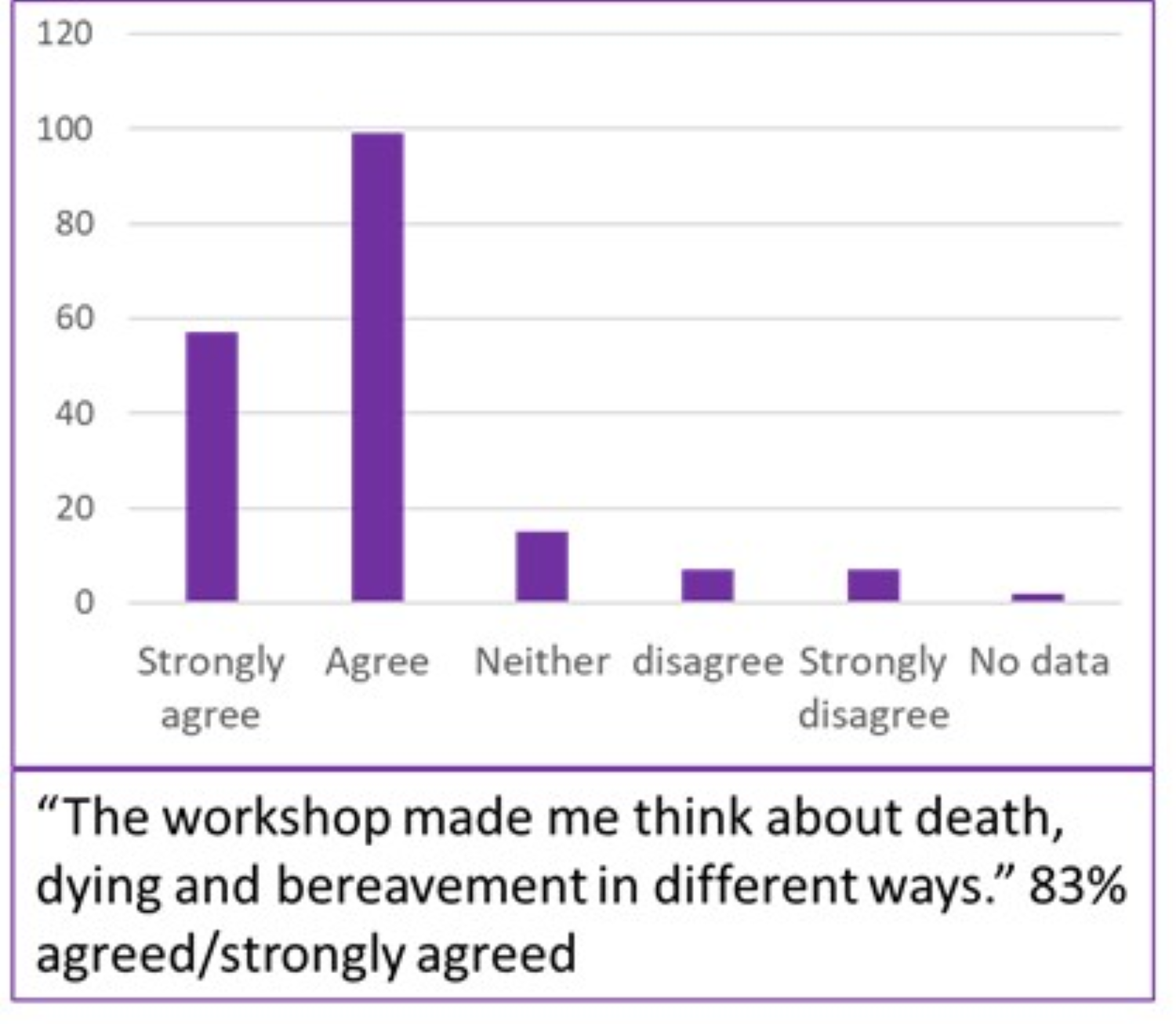
The most selected words to describe the workshops have been 'interesting' (95%) and 'thought-provoking' (98%), and 93% thought that 'archaeological materials can be used to facilitate discussions about death, dying, bereavement and loss, or training in this area” (N=149)
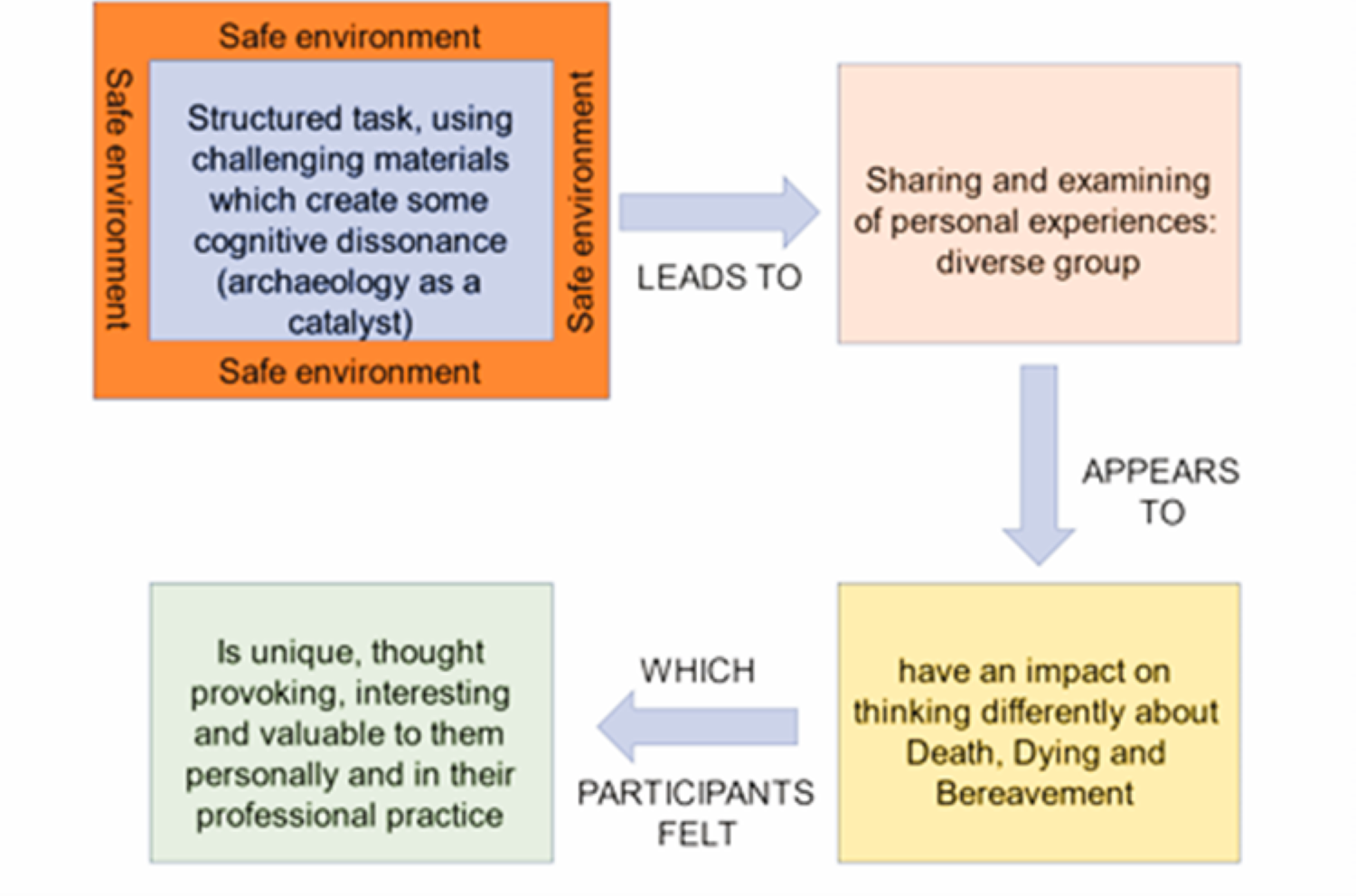
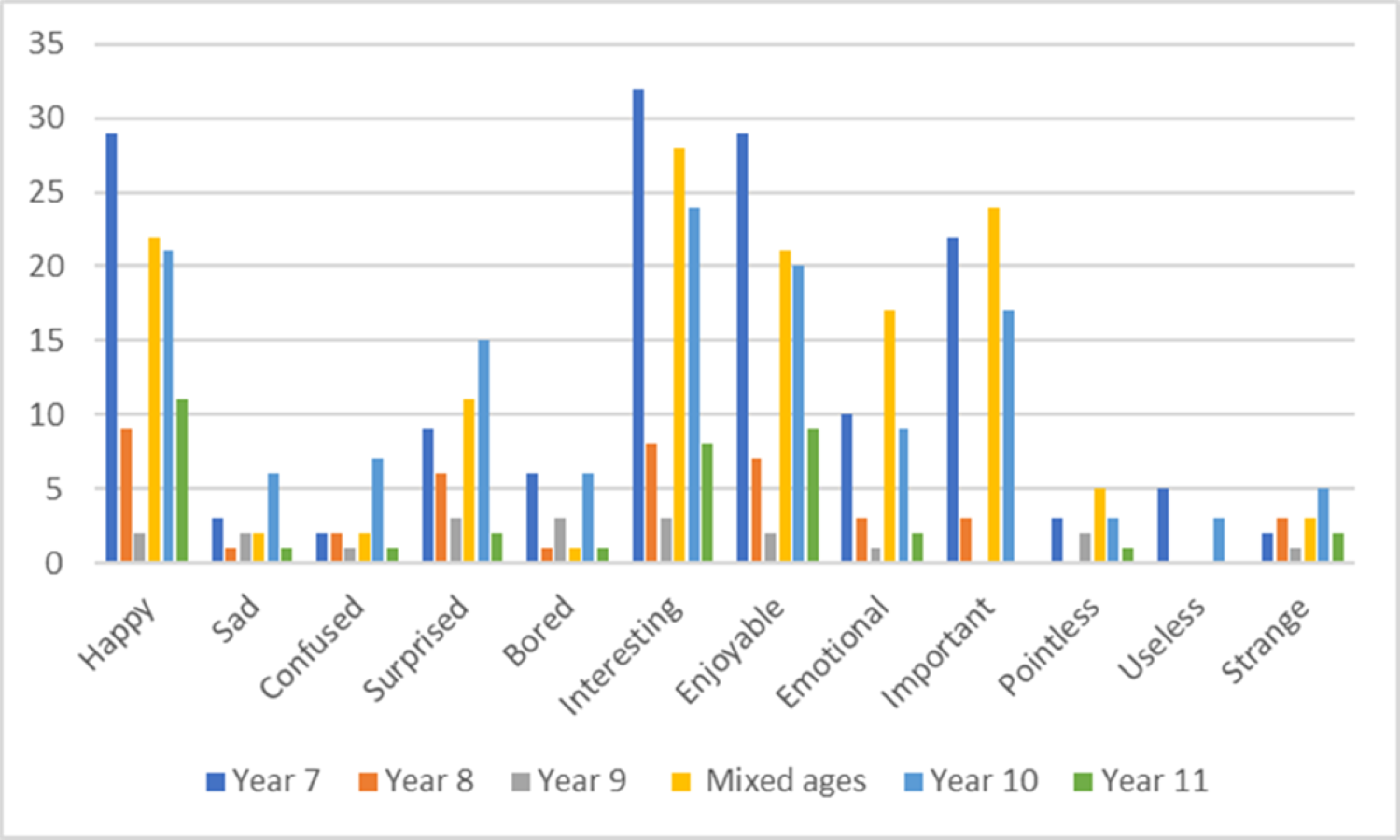
Following the successful metrics for Continuing Bonds, we sought to determine 'how' the project had held such impact. Figure 6 shows our reflections on the process of making. Comparable results were witnessed with young people in Dying to Talk and Figure 7 shows the results of the 'emoji evaluation' - where we used emojis as a means to capture the responses of the secondary school learners, following their participation in our Festivals of the Dead.
The following statement from a headteacher at one of our partner schools perhaps best demonstrates the overall impact of the project on their pupils and staff:
'[The project allowed] deeply troubled children to explore not only death in its literal sense, but the impact death has upon individuals and families in a way that was both fun and engaging. All too often we arrange 'bereavement counselling', crucial at the time needed, but that may not allow time for an individual to explore what death means in different cultures and organisations and how death can even be celebrated. As a result of the work, we have introduced a 'memory tree' into school where the loss of someone is celebrated, and remembered, at any time the bereaved person wishes to visit the tree. Sometimes children (or staff) simply want to be reminded of the loss, and we should not be afraid of addressing this head on. We find the 'memory tree' such a place that provides comfort and joy to our learners. Unfortunately, death visits our school often, and we are now better prepared to manage what has often been considered a difficult subject much more easily due to the links we have formed with the University.'
In a longitudinal survey of Continuing Bonds: Creative Dissemination participants, carried out to assess long term impact of the work, the following quotes demonstrate personal impacts:
'Last year and this year have been the first years in decades that I have not lived with profound grief...I attribute that to the workshops giving me the space to talk about my losses', and
'Between the 2nd and 3rd workshops a close friend of mine died. I think partly inspired by the workshops I decided to write a poem myself to read at their funeral, rather than select a published one. It was a very powerful and creative process to think about and grieve for my friend'. Another participant wrote 'without a shadow of doubt, involvement in the project has been life changing… this has been hugely influential on my life'.
Impacts were also seen in the professional lives of some participants:
'To examine relics from graves & other precious objects, to begin to understand how diverse cultures, ancient & modern, understood dying & death… leading me to question the cultures & subcultures I observe day to day in my bereavement work within families & communities in Bradford… I think that my involvement in this project has helped me to help others to articulate these aspects of loss'
and the project has
'increased my empathy and understanding in helping bereaved families and also in communicating with the primary school children I work with... I feel more confident sharing my own experiences of bereavement with the families, and there are many situations where this has really helped the family get through a really difficult day'.
'One memorable conversation that was a product of the above [project] was with a patient who was herself facing imminent death. We had very little time…but we were able to talk about planning for her decline and how she and her husband would cope',
and a reflection:
'Looking back over the three years since I last attended the project, I think it definitely helped me to become more realistic about death for myself and for my patients. This project, I believe, helped to address our society's ambivalence towards death and often its inability to see it as something that happens to all of us. I think I became more confident in facing death and hence in enjoying life'.
A final reflection on participants is the embedding of various skills through the different projects, including: knowledge exchange and training of partners (including local authorities) in digital recording and capture; skills and confidence to include digital content in the curriculum by teachers; likewise the skills development in creative arts methods; or the increased vocabulary and confidence for health and social care professionals and students. Such knowledge transfer is crucial in embedding skills in our partners and ensuring the longevity of project results.
Place-based research is by its very nature both locally felt and regionally focused, but also draws upon temporal and spatial connections, reaching internationally through global ties and through impacts from methods and processes. Local research can contribute to global solutions, and we can clearly see the 'past as a gateway to a positive future' (UoB Queens Anniversary Prize submission 2021) by various means such as shown here through building tools that can record threatened heritage; while encouraging cohesion, and as a means for positive impacts on wellbeing.
ICOMOS have promoted discourse on diversity and inclusion, encouraging nations, organisations and individuals to reflect on and re-examine existing narratives, and to recognise the fundamental connection between heritage and identity, individually and collectively. This is particularly the case when we consider the fragile condition of physical heritage assets, and even-more-so the frailty of intangible heritage. The projects presented in this paper have developed the means to recreate and rebuild heritage that has been lost to disaster (whether human-made or natural), as well as to use the past to bring a positive impact on the wellbeing of communities today in ways that build resilience for the future. The '...deterioration or disappearance of any item of the cultural or natural heritage constitutes a harmful impoverishment of the heritage of all the nations of the word' (World Heritage Convention 1972) is a sentiment that remains as relevant now as it did in the 1970s. While it may not be possible to prevent all deterioration and disappearance, recognising the frailty of heritage, particularly intangible heritage, is fundamental.
Working with and across communities and valuing local knowledge is vital to raising the profile of intangible heritage and cultural heritage assets (Ichumbaki et al. 2023; Alex and Ichumbaki 2023) and in harnessing local community-based participatory research (Ichumbaki 2020). Digital heritage methods can provide tools that anticipate change and aid in documenting or monitoring deterioration and change, such as weathering, erosion or land-use (Wilson et al. 2019). Digital documentation brings knowledge and understanding but also a tool that can inform long-term management of fragile heritage assets and reconstruction following disasters. Digital assets and reconstructions can also be used as a focus for prompting discussion and sharing, as well as supporting cohesion, as seen in the BreaTHe project, and through community work on the People, Heritage and Place project.
The projects discussed in this paper contribute to an overall aim of using heritage for wellbeing, each exploring the concept in relation to different project participants and goals. For instance, BreaTHe was instrumental in contributing to positive wellbeing through increased cohesion, evidenced at individual, family and community levels, alongside a value in sharing past and origins. For People, Heritage and Place, local participants were able to enjoy pride in place, alongside a reflection on identity, roots and the link between the past and the contemporary through local heritage. In the Continuing Bonds, Dying to Talk and related projects, the challenging topics of death, dying, bereavement and loss were explored by using the past as a gateway to difficult conversations, while challenging biases and stereotypes. The projects demonstrate the value of interdisciplinary approaches to explore contemporary challenges, as well as demonstrating the value of non-medicalised and creative approaches to enhancing wellbeing.
The projects evidenced within this paper show the value of interdisciplinary approaches to shape future societies, in arenas that have wide-ranging reach, from local to global. Central to our ethos at Bradford has been the use of archaeology and heritage as a conduit of continuous heritage, offering both a geospatial and a temporal perspective linked to human experience that has the capacity and power to inform and influence how we live today and in the future. The transformative nature of these approaches has helped to widen the focus from the importance of studying how past peoples and civilisations lived and died, to what this can tell us about identity and belonging - how we live and die, now and into the future. Collectively, these approaches have helped to develop the concept of archaeology and heritage as encompassing a connection between people, heritage and place that demonstrates the potential for an unbroken bond with our pasts that also has capacity to influence our futures. In doing so it is shaping practice and policy and improving lives. These approaches to using heritage data alongside other metrics help to underpin decision-making for local authorities that has the potential to dramatically improve the quality of life of individuals and social cohesion of communities, including work with displaced peoples and in helping to support local governance, delivering tangible scientific, economic and societal results.
The themes discussed here highlight the value of archaeology and heritage for our communities today, demonstrating that these disciplines, far from simply looking towards the past, have the potential to contribute tangibly towards societal change. Drawing on the methods and projects discussed above, future work is focusing on impacts for new audiences. For instance, current PhD research is exploring a range of ways to connect heritage to societal benefit: One of these is looking at the value of bioarchaeology and heritage for understanding gender, supporting behaviour change around acceptance of non-binary identities (Newbury 2024; 2026; Hurcum et al. in press); in a museum context there is work exploring how collections can be used for reflections on identity, with a focus on displacement and wellbeing (Milly Booth-Boniface); a collaboration is investigating the use of virtual reality and heritage for dementia care (James King); and recent PhD funding sees the exploration of memorialisation and heritage for survivors of the Valley Parade disaster (Mia Wolters-Coe). A further project is being developed which explores understandings of body image, diet, food and subsistence, particularly around opening up discussions to support those with eating disorders, and funding has just been secured for the Lost and Found: Bereavement, Archaeology and Creativity project, which explores Continuing Bonds and Dying to Talk findings for primary school learners and educators, equipping our youngest learners with the tools for future resilience, alongside the development of a model for compassionate communities for secondary schools.
These interdisciplinary approaches demonstrate how studies of the past can be used for contemporary value, to address societal issues through innovative and creative approaches that support wellbeing for our communities today. Each individual project has used community-based participatory research, with methods, delivery and outputs tailored to meet the needs of each project. Through the collective body of work, not only is there benefit to individual communities, but they contribute to a wider use of heritage for wellbeing, building a sense of identity, feelings of belonging, as well as confidence and resilience for participants. They all adopt creative, non-medicalised approaches to explore connections, whether connections to people, place, or our past, to improve wellbeing.
The research discussed here is inherently collaborative and has only been possible due to close work with our partners and colleagues: including City of Bradford Metropolitan District Council and world heritage site officer Sheena Campbell; local schools in Bradford - Saltaire Primary School, Wycliffe CE Primary School (and headteacher Denise Baxter), Oastlers School (and headteacher Lyndsey Brown); Local community groups, including Saltaire World History Education Association (uniting the Saltaire Collection, Salt Foundation and Saltaire History Club), Shipley Glen Tramway, Saltaire United Reformed Church; LOROS Hospice; Mercy Corps; Jordan Heritage; South Azraq Women's Association; Bradford District Metropolitan Council; Project participants; placement students; Continuing Bonds projects co-investigators Jane Booth, Eleanor Bryant, Jennifer Dayes, Christina Faull, Melanie Giles and Laura Green; TaSuBa College of Arts; Tanzania Film Board. We also thank our University research support staff.
Funding sources: 1) Establishment of Virtual Bradford (EU SCORE project) and use of digital twin technologies AHRC CapCo (AH/V01255X) 2) heritage at risk (AH/L00688X/1; AH/W006723/1); 2) refugee communities (AH/S005951/1; AH/Y003632/1); 3) death, dying and bereavement (AH/M008266/1; AH/S005196/1; AH/V008609/1; HEIF (2019, 2020); 4) Art education/ place-based identity through observation, digital literacy and artistic expression (AH/W009102/1); and 5) as part of anchoring narratives and intangible heritage to place (AH/Y007409/1; MR/Y022785/1).
The University of Bradford secured a Queen's Anniversary Prize in 2021 for world-leading work and innovation in developing archaeological technology and techniques and its influence on practice, policy and society.
Internet Archaeology is an open access journal based in the Department of Archaeology, University of York. Except where otherwise noted, content from this work may be used under the terms of the Creative Commons Attribution 3.0 (CC BY) Unported licence, which permits unrestricted use, distribution, and reproduction in any medium, provided that attribution to the author(s), the title of the work, the Internet Archaeology journal and the relevant URL/DOI are given.
Terms and Conditions | Legal Statements | Privacy Policy | Cookies Policy | Citing Internet Archaeology
Internet Archaeology content is preserved for the long term with the Archaeology Data Service (ROR). Help sustain and support open access publication by donating to our Open Access Archaeology Fund.
 Home
Home