Cite this as: Hutcheson, A., Melvin, C., Pittaccio, M., Quickenden, T. and Seeley, C. 2026 The Later Prehistoric Norfolk Project: wellbeing, art and archaeology, Internet Archaeology 73. https://doi.org/10.11141/ia.73.5
The Later Prehistoric Norfolk Project is a partnership between the Sainsbury Institute for the Study of Japanese Arts and Cultures, UEA, Cambridge Archaeological Unit, the Restoration Trust, Synergy Multi-Academy Trust, and the Norfolk and Norwich Archaeological Society, and relies on the support of volunteers. The work was generously funded by the National Lottery Heritage Fund, the Society of Antiquaries London, UEA, the Sainsbury Institute for the Study of Japanese Arts and Culture and the Norfolk and Norwich Archaeological Society. It is a community archaeological project that has had at its core the aim to be an effective way to improve health and wellbeing and to facilitate educational opportunities.
A central aim of the project was to explore the potential benefits of taking part in archaeological fieldwork and research for wellbeing. Pioneering work in this area has been done by the Ministry of Defence through the work of Operation Nightingale which demonstrated improvements in wellbeing amongst military veterans participating in the 2018 fieldwork season, with a reduction in depression, anxiety, and perceptions of isolation noted by those taking part, along with increased feelings of being valued (Everill et al. 2020; Winterton 2014; Osgood 2023).
Learning from this work and that of the Human Henge project, the Later Prehistoric Norfolk Project created an open and welcoming environment where all participants were invited to respond to archaeology in a number of potential ways including art, as well as participating in the research. The current project also emphasised the benefits of art alongside archaeology and wellbeing. Art was an important part of the work, and arguably art has always played a central role in archaeological fieldwork. From the 18th century, drawing and graphic representations have been a key way of recording and interpreting archaeological sites. Later, as photography developed, it too became an important method of recording information. A further aspect of the Later Prehistoric Norfolk Project was to encourage multi-generational groups to participate in archaeological research. As such, students from a local high school and college worked alongside clients and members of The Restoration Trust, bringing together novices with experienced volunteers from pre-existing archaeological and heritage societies.
Initiatives such as NHS Forest and research exploring the benefits of nature indicate that being outdoors and engaging with nature is beneficial to mental health and wellbeing (Berman et al. 2008; Franco et al. 2017; Frühauf et al. 2016; White 2024). Projects such as this one can help to begin exploring the potential positive benefits of nature with structured or purposeful activities, such as archaeological excavation, and any additive impacts (e.g. improved wellbeing alongside skills development). Over the course of the two fieldwork seasons, we provided experiences of archaeological fieldwork to a range of participants and have delivered significant outreach programmes.
The project's social aims and objectives were:
Encourage multi-generational groups of people to participate in archaeological research, including:
Provide opportunities to undertake a range of activities building skills and confidence including:
Learning took place in workshops and the field, thinking about and exploring landscapes and how they changed in the past. Participants experienced archaeological research in a physical way, feeling the outdoors and making the link between looking at data and finding the marks of their heritage in the surrounding land.
Participants came to the project via four main routes:
Sixty-three participants were recruited across the two project sites. Arminghall participants were recruited through The Restoration Trust (n=31), and Warham participants were recruited through The Restoration Trust (n=17) and Reepham High School and College (n=15). SWEMWBS data was analysed across sites for cases with a baseline and endpoint score only (N=30).
In discussions at an early stage of the project, it was considered important to involve students in the full process of the planning, execution and post excavation analysis of the digs. Andy Hutcheson gave a presentation at the schools for participating students and their parents, and a briefing day was held at the University of East Anglia prior to both of the excavations.
We know that poor mental wellbeing is common in today's world, with 5.4% of UK adults rating their life satisfaction as low between April-June 2024 (ONS 2024a) and 1.4 people in England experiencing problems with their mental health each year (Mind 2023; NHS Digital 2023). Furthermore, some groups and individuals are at higher risk of mental illness than others e.g. those with low socio-economic status, disability, including special education needs, some ethnic or cultural minorities, and some age groups (Emerson et al. 2012; Mind 2023; NHS Digital 2023). Many of the people involved in the project had experienced mental health challenges and wellbeing was a central aim. How, as a practice and a process, archaeological research and particularly fieldwork, might influence wellbeing has been explored for some time with a range of evaluation methodologies (Everill et al. 2020; Everill and Burnell 2022; Winterton 2014; Sayer 2014; Sayer 2022; Brizi et al. 2023; Osgood 2023). To a lesser extent, the role and potential for the subject in primary and secondary education has also been studied (Henson 2000; Henson 2017; Lewis 2014; Lewis 2017). Much of this work, understandably, looks largely at the positive benefits that archaeological work may have on wellbeing and, by extension, health. Two exceptions to this can be found: Faye Sayer, has considered both positive and negative impacts ( 2022), albeit through examining two particularly difficult projects, and Kurt Eifling ( 2021) has reviewed mental health as it applies to people active in fieldwork situations. Eifling's work acknowledges the complex potential affects that archaeological fieldwork can have on an individual's mental health. As a result, our project employed support for all participants. Following on from Eifling's analysis, what we perhaps also should have been more thoughtful about is the broad scope for considering the spectrum of effects that fieldwork may have on a wide range of participants both positive and negative including ourselves. In this regard there is much positive to take from the process of setting up the project but there were also stresses, as with any fieldwork at the scales that were undertaken here. However, the rewards of working with the participants and seeing the benefits they experienced through the project were substantial.
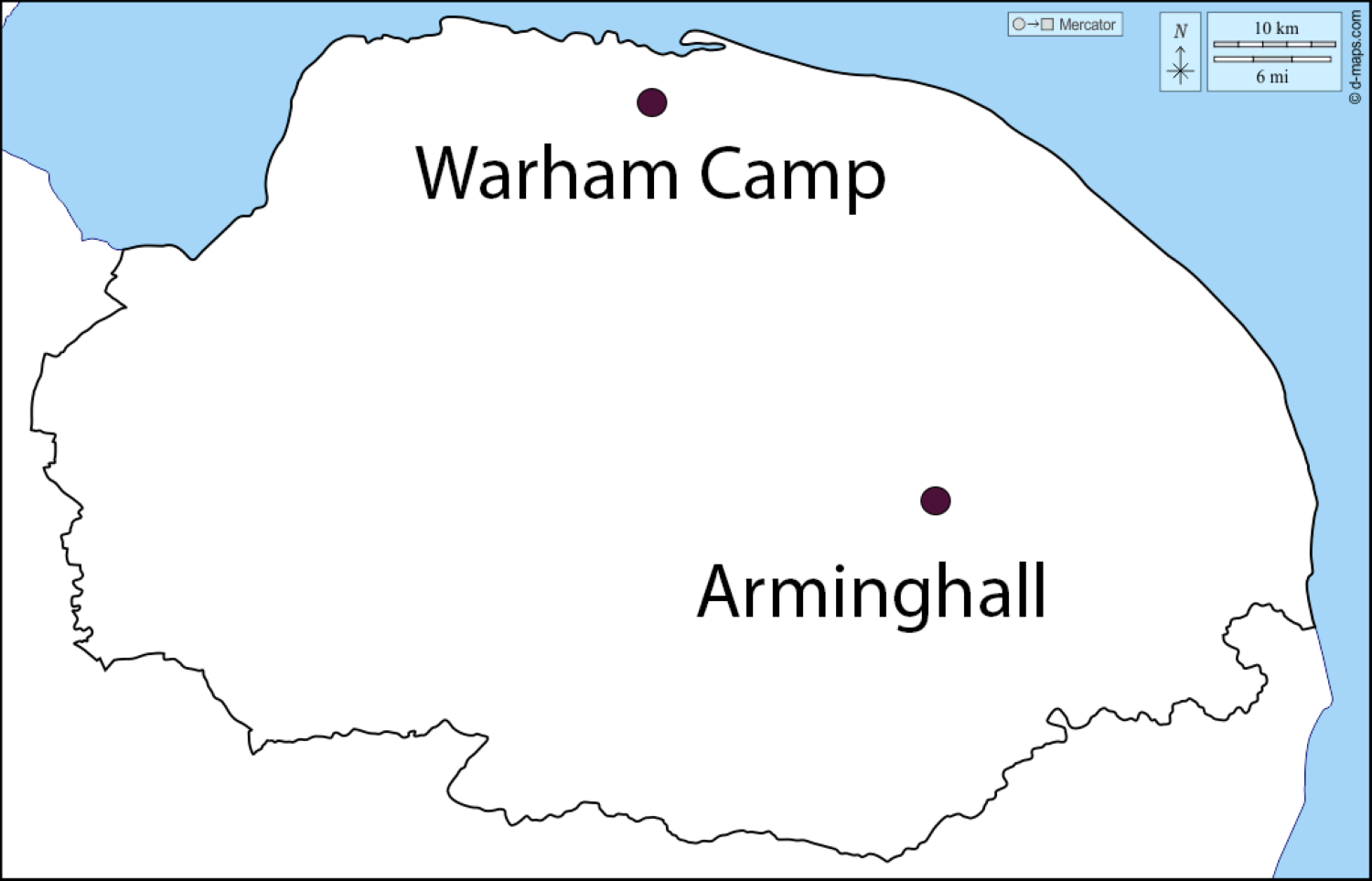
This project explored archaeological landscapes, focusing on Arminghall Timber Circle and Henge, and Warham Camp Iron Age Fort. Both monuments were central in their surrounding landscapes—Arminghall during the Neolithic (4,000BCE- 2,400BCE) and Early Bronze Age (2,400BCE - 1,500BCE), and Warham in the Iron Age (800BCE - 43CE) and Roman period (43ACE- 410CE) (Hutcheson et al. 2023; Hutcheson 2023). We were interested in how communities in the past engaged with their environments and as a result we aimed to create within the project a 'community' of people focused on understanding that past aiming to research the relationship between people and place in the past and the present. We have tended to utilise the term community, as it has been used in the service of many archaeological projects, uncritically. There has been a degree of reflexivity in our approach to the work and an awareness of the power imbalances inherent in the practices of archaeologists, particularly those employed by universities, with volunteers (Bowden 2020). Our approach has been didactic with the aim to encourage people to feel engaged and potentially to feel a sense of stewardship for the prehistoric past (Perry 2019, 355). This was a research hypothesis that developed during the course of the project and has implications for how communities and populations deal with heritage in the future. In part, this has been reflected in contributions to public outcomes from the project, including publication (see Clarke et al. 2025).
The professional researchers were from Asia (Japan, the Maldives), Europe (the UK) and Africa (Nigeria) with the aim that a temporary grouping of people focused on archaeological research, including professional researchers and a diverse group of participants, all bring different perspectives. This had the potential to bring diverse networks together and share ideas beyond the confines of a research design. This collective then formed the basis for exploring a range of research objectives. Having international connections is a privilege and without doubt added greatly to the interpretative potential for the fieldwork and subsequent analysis of the archaeological records. They also added to the experience of the participants in general and provided opportunities for cross-cultural discussions that had the potential to widen people's horizons.
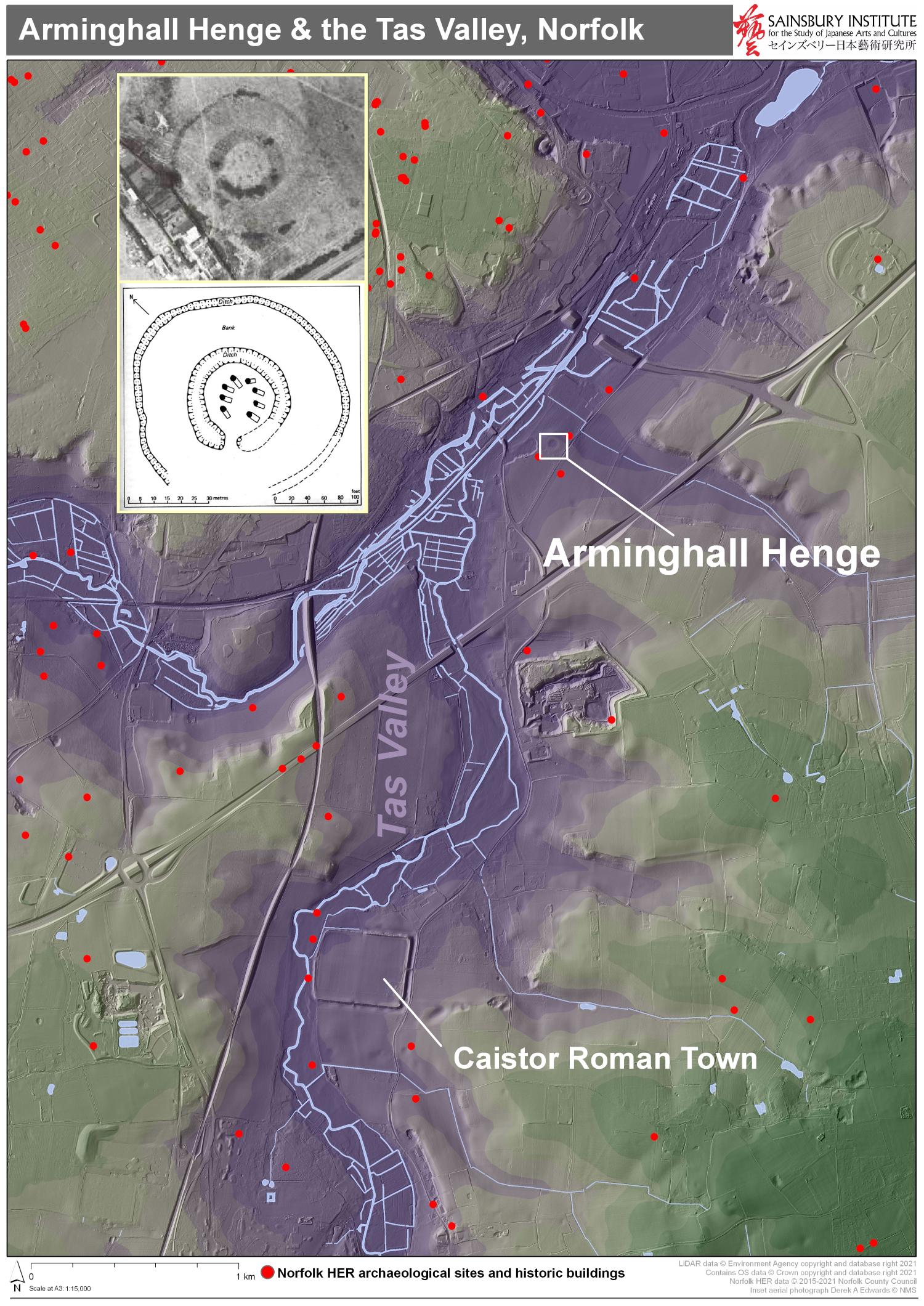
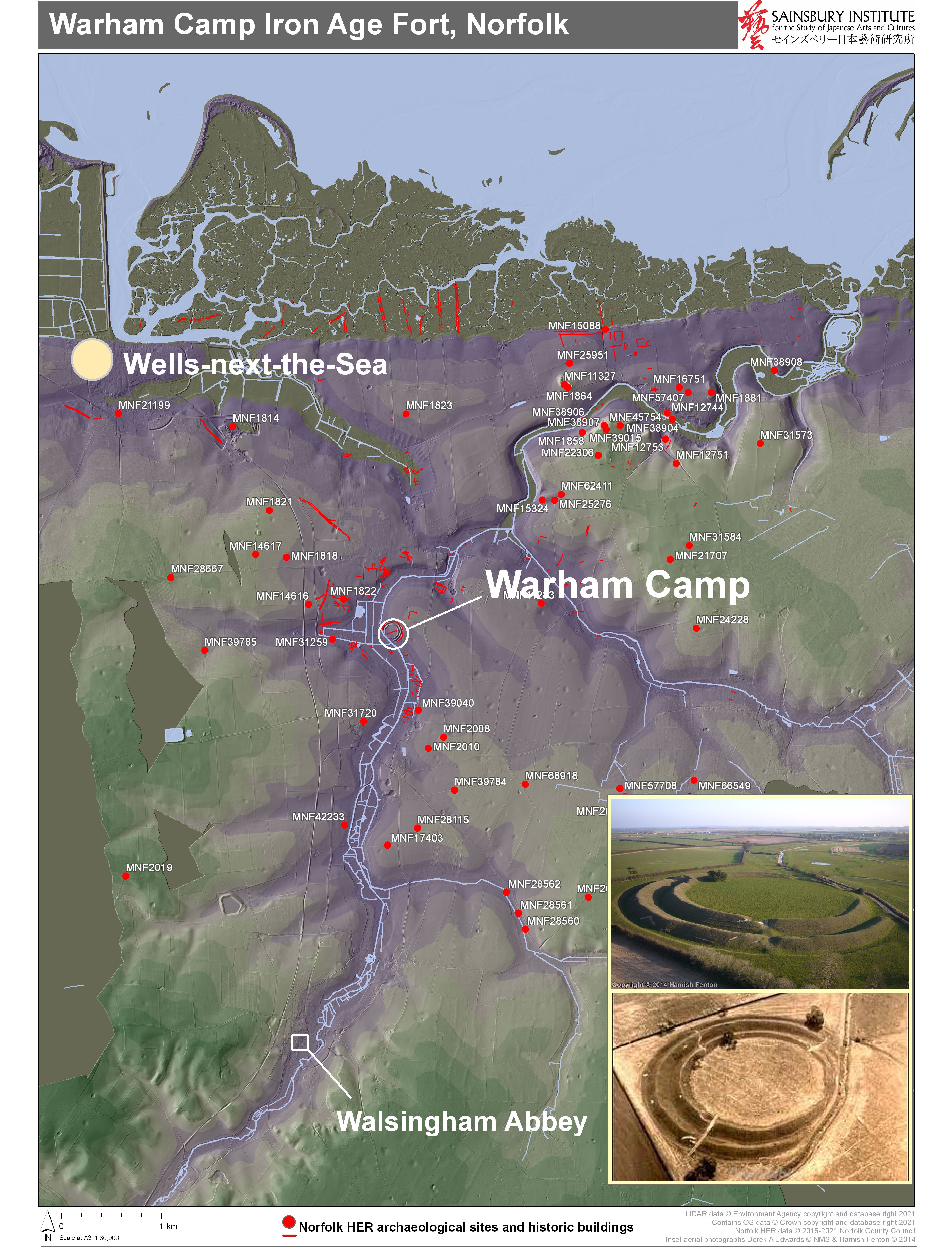
Both Arminghall Timber Circle and Henge (NGR TG 239 060) [ Norfolk Heritage Explorer], [ Historic England List] and Warham Camp Iron Age Fort (NGR TF 940 400) [ Norfolk Heritage Explorer] [ Historic England Listing] are listed as Scheduled Ancient Monuments. Permission, known as Scheduled Monument Consent, was required for the investigations at both sites from Historic England, the national body which advises the Secretary of State for Culture, Media and Sport on important heritage sites.
Arminghall sits around 6m above sea level on a gravel terrace of the River Tas close to its confluence with the Yare, about 1.5km south of the medieval walls of Norwich, a few hundred meters to the south-west of Trowse village. The land surface drops from the terrace edge that the monument is located on towards the river.
As well as being a Scheduled Monument, Warham Camp is a Site of Special Scientific Interest, as a rare area of chalk grassland in Norfolk. It supports the only colony of Chalk Hill Blue Butterflies in the county which rely on Horseshoe Vetch, a member of the pea family. The Later Prehistoric Norfolk Project is very grateful to Natural England and Holkham Estate for allowing the investigations to take place and agreeing to special measures to ensure that the archaeological fieldwork had a low impact on this regionally rare ecology. The monument is located on an outcrop of chalk on the canalised River Stiffkey about 3km southeast of Wells-Next-The-Sea and lies within the North Norfolk Area National Landscape (formerly known as Areas of Outstanding Natural Beauty, created under the Countryside and Rights of Way Act 2000 to conserve and enhance the natural beauty of landscapes) which covers a thin band of the coast from King's Lynn to Winterton-on-Sea.
Both monuments are cared for by their respective landowners who facilitated and supported the archaeological work. Landscape and environment in the present were important aspects of the work. At Arminghall, the activities during the excavation included a group canoe trip down the River Tas; this was designed as a phenomenological approach to the monument and its immediate environs following on from work done in the Stonehenge Landscape by Christopher Tilley and inspired by his work generally in understanding landscapes (Tilley 1994; 2010; Parker Pearson et al. 2020). All who took part found the experience uplifting and illuminating. Phenomenologically we did learn about the landscape and the skills necessary to paddle a canoe. Most of the group ended up in the river at least once during the trip. What was also brought to light was the enclosed aspect of this small stretch of river with glimpses out into the surrounding landscape. Following Tilley, it made us wonder about the tree cover during prehistory and whether what we can now see resembles the views that people approaching the monument's location by boat thousands of years ago would have seen.
'For me the question is not whether disenchantment is regrettable or a progressive historical development. It is, rather, whether the very characterisation of the world as disenchantment ignores and then discourages affective attachment to that world. The question is important because the mood of enchantment may be valuable for ethical life.' Jane Bennett 2001, The Enchantment of Modern Life
Undertaking creative practice through the formation of works of art was a component of the project and was introduced because of insights drawn from the earlier Human Henge Project (Darvill et al. 2019; Drysdale 2019). It has been suggested that the imaginative aspects of archaeology can lead to a sense of wonder. This concept of the archaeological imagination has been recently examined by Rebecca Hearne following and expanding on the work of Michael Shanks (Hearne 2019; Shanks 2012). Alongside this Jane Bennett, who considers wonder in terms of 'enchantment', suggesting that it is both something that we encounter and also something which can be fostered through design. In retrospect this is akin to what we were attempting to do through incorporating art and creative practice into the project. Bennett suggests that another way of fostering 'enchantment' is to resist what she sees as a narrative of disenchantment within modernity (Bennett 2001, 4). Sara Perry, following from Bennett, has used the term 'enchantment' specifically in relation to encounters with archaeology and Gabriel Moshenska has described it as 'the thrill' (Hearne 2019; Perry 2019; Moshenska 2006). Such experiences may be more motivationally foundational for participants, both professional and voluntary, than we tend to admit. Hearne regards this reticence as an aversion to being unscientific and that ultimately such emotional reactions have become dispensable to the profession in all its various strands, academic, curatorial, consultative and commercial contractional (Hearne 2019, 156). The political and funding context in which archaeology is situated means the scope to foster this enchantment is extremely limited because timeframes and workloads have a direct bearing on what can be achieved (Sayer 2014; 2022). These themes were explored within the Later Prehistoric Norfolk Project workshop at the Wellbeing and Heritage Conference organised by Historic England and the Council for British Archaeology in March 2024 and in the Theoretical Archaeology Group Conference Health and Wellbeing session held at the University of East Anglia (UEA) in December 2023 both of which have informed this paper.
We were keen to use creative practice and art as an appropriate way to express the intellectual and emotional fascination that archaeology holds for some people and believed it could work as a way for participants to engage with research and being in an active fieldwork situation. The reconstruction art side was separate from the technical drawing that took place as part of the archaeological recording. However, they were linked with people taking part in both and in some cases making the explicit connection between the two. The convergence of art and archaeology as creative and interpretative methods has been explored by Paul Everill, who argued that the foundational techniques of archaeological recording, particularly drawing, but also writing and photography, can in themselves contribute to wellbeing and a sense of satisfaction (Everill 2023).
John Ruskin, the Victorian designer and polymath, is reputed to have said that 'the best way to understand an object - or a landscape - is to draw it', certainly he explored this in his book The Elements of Drawing (Ruskin 1971). Despite this, it is relatively uncommon to find art being made at an excavation, though this was not the case in the past. Now it is rare beyond the technical drawings done to record the archaeological features, more so for it to be an integral part of the project, but at Warham Camp no day passed without art of some sort being produced, from simple sketches to oil painting being produced by the community participants. In some ways this is a return to past practices in archaeology.
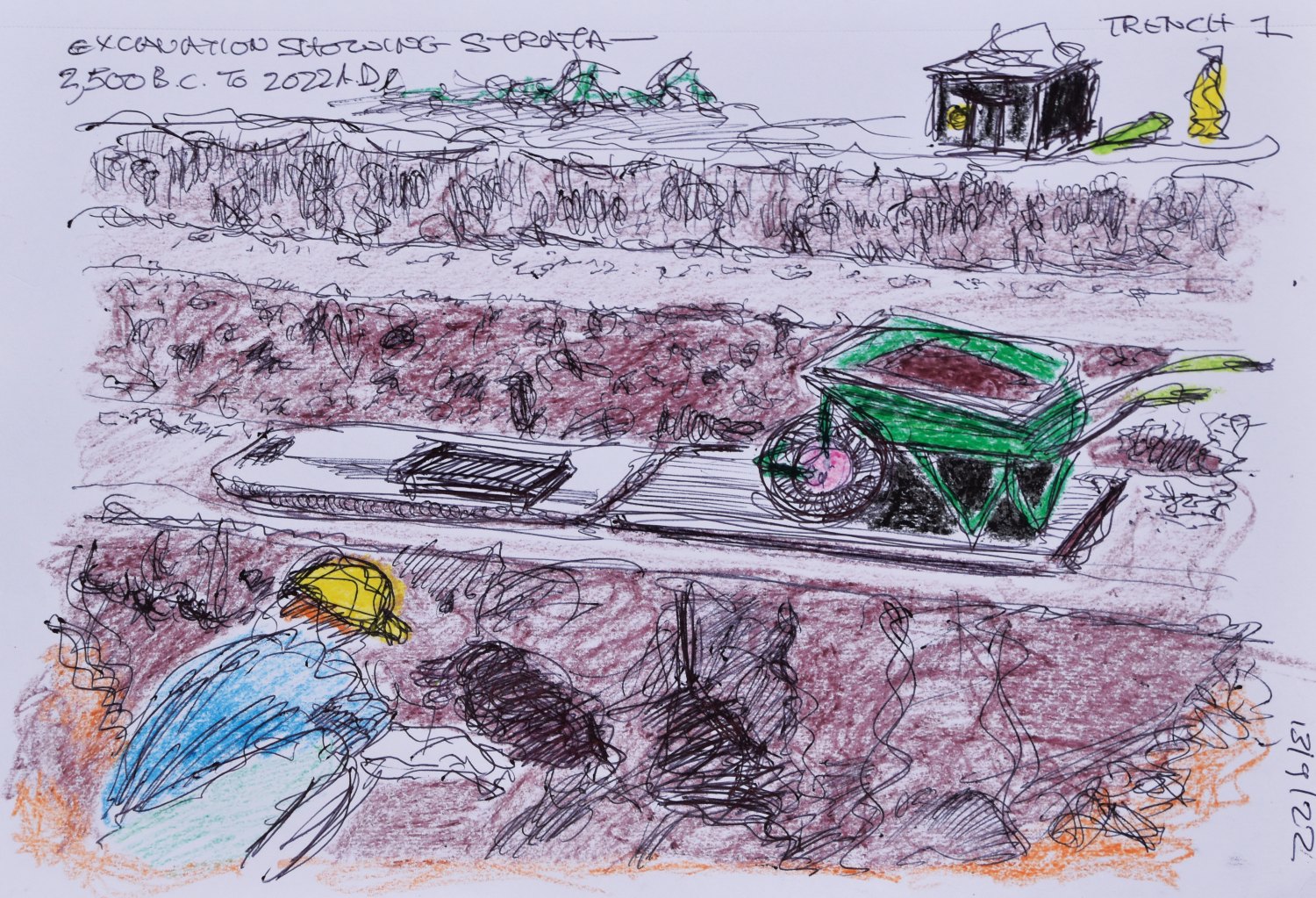
Several approaches were explored, most prominently historical reconstruction landscape drawing. Here we created in art how we imagined an historical site or monument may have looked at the time it was built, or at some other point in its history, using archaeology to inform our work. Of course, reconstructing history in art is a wide field, including such varied sub-genres as orientation panels at visitors' centres, guides for living history reenactors and fine art historical painting such as Poussain or Raphael. In our context, landscape reconstruction is more concerned with historical sites and the setting in which human activity took place. Finished pieces of landscape reconstruction have a number of practical uses: they can stimulate the imagination of the viewer, providing the wider context for the details which may have survived like jewellery and weapons; give a flavour of 'how it felt' on a drizzly Wednesday one November 5,000 years ago; and supply visual reference to locations long since unavailable to the human eye. By producing richer images based on archaeology, we can help professionals visualise the practicalities of different interpretations of the record and this has a triple benefit in the value that is also provided for the artist and the public, in helping to work through the practicalities and provide a visualisation of the landscape in the past.
At Warham we worked with students of various ages from Reepham High School, beneficiaries referred through The Restoration Trust, other community participants and researchers from the Maldives and Nigeria, teaching the principles of historical landscape drawing. We used simple equipment (charcoal and pastels with plain and coloured paper), which nevertheless were capable of a wide expressive range. The simplicity of the 'tools' added to the directness, spontaneity and authenticity of the results as the students were not distracted by involved technical processes. Even so, for some students some of the things we used were a new departure.
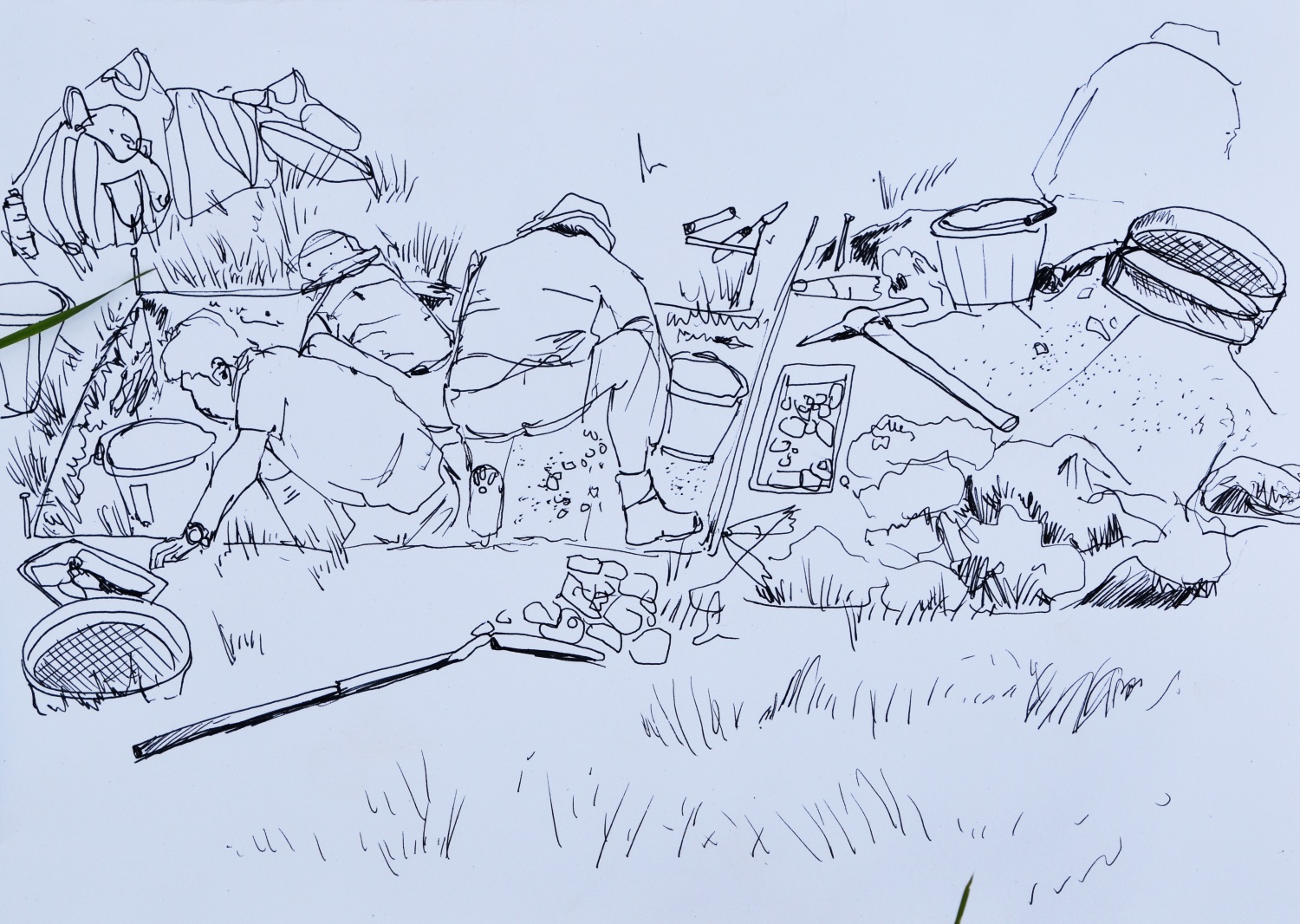
Each group brought its own character - for example the architecture students showed a fondness for exact plan views - but each individual also had their own personal take on the site and this lies at the heart of what we were trying to achieve with the art teaching. Through their interpretive drawings, it was reported anecdotally that people were able to find new and greater engagement with the site, perhaps seeing it in a different light. This can provide a stronger awareness of the landscape, as well as helping to engender a greater sense of 'ownership' of our shared history, again reported anecdotally by participants.
The way the overall project promoted wellbeing is covered elsewhere, but part of this is through the dual benefits of making art and spending time in nature, which both have well-documented therapeutic benefits.
In addition, by widening people's experience of what archaeology and landscape can mean for them through art creation, we also expand exposure to both. Fieldwork and reconstructional art should not be the preserve of a particular group or class. With people relying more and more on the consumption of 'heritage' provided by 'authorised' versions, archaeological reconstruction gives us a valid way to show our own personal interpretation of the past. The importance of our own direct experience, unmediated by technology and experts, gives an authenticity to the process.
At the end of this phase of the project a range of the art produced was exhibited in the Millennium Forum in central Norwich and later the same work was exhibited in Wighton Church, around a mile from Warham Camp Iron Age Fort. Our experience at Arminghall and Warham was that taking part in a co-creative opportunity provided a sense of empowerment and led to feelings of enhanced wellbeing. Participants produced a remarkable set of drawings, paintings, photographs, poems, prose, along with discussions that took place in and around the investigations. The archaeologist Michael Shanks has explored a notion that he has termed 'the archaeological imagination', suggesting that some of the most fruitful explorations of the subject can be found in contemporary art (Shanks 2012). Fine art, or contemporary art are a way of seeing aspects of the past and its relationship to the present, complementing and expanding the practices of archaeological methodology and the scientific basis for them. Such ideas can be seen in the two books which have been produced as part of the project, highlighting the art and creativity resulting from the project (Fairclough and Hutcheson 2023; Fairclough and Hutcheson 2024).
We took a twofold approach to evaluation; we followed the National Lottery Heritage Fund guidance and used a Logic Framework to plan our evaluation - this clearly established our outputs and outcomes and correlated them with the resources, assumptions, theories and external factors affecting the project. This process helped us create a methodology for collecting information at appropriate junctures, starting with developing an evaluation plan. That plan utilised SMART objectives to underpin the evaluation work. We identified our stakeholders and tailored questions that related to their experience of the project, correlated with the project's stated aims and objectives. We collected appropriate data, based on advice from The Restoration Trust and research into what wellbeing data was utilised in other similar projects (Darvill et al. 2019; Everill et al. 2020). Personal data was managed in accordance both with the legal requirements of the UK's General Data Protection Regulation and research best practice. An ethics methods application was made to the Faculty of Arts and Humanities Ethics Committee, and approval was obtained for the project. We adopted a wellbeing evaluation methodology based on the Short Warwickshire-Edinburgh Mental Wellbeing Scales (SWEMWS) to enable the measurement of mental wellbeing of participants throughout their involvement with the project. SWEMWS was developed to enable measurement of mental wellbeing in the general population and assist with the evaluation of projects, programmes and policies which aim to improve mental health (Warwick Medical School 2024). In addition, some questions from ONS4 were used to further assess personal wellbeing (ONS 2024b). Further information came from group and individual interviews.
Internally, within UEA, the project worked with colleagues in the School of Medicine, The School of Health Sciences and the School of Psychology. This multidisciplinary situation was necessary to ensure that both the methodology and the evaluation were robust.
Throughout the project we acted on and shared our evaluation findings amongst the team, working on wellbeing related research; this helped us to reflect on the dynamics and the effects of the work, ultimately this allowed us to assess the impact of the project also for the Research Excellence Framework . These junctures for understanding the project's dynamic and effect were broadly split into formative and summative stages.
Although universal definitions are yet to be established, mental wellbeing is considered an individual's knowledge of and ability to thrive, contribute and function in the face of everyday stresses (Gautam et al. 2024; World Health Organization 2021). Whereas mental health and illness are concerned with social, emotional, cognitive and behavioural states that signify the absence or presence of disease or disorder with the ability to function in everyday life (American Psychiatric Association 2022; World Health Organization 2021). In order to assess the benefit or otherwise of taking part in archaeological fieldwork on self-perceived wellbeing (for both the participants from The Restoration Trust and the students from Synergy Multi-Academy Trust) we used the Short Warwick-Edinburgh Mental Wellbeing Scale (SWEMWBS) questionnaire and the results are shown in Figure 6.
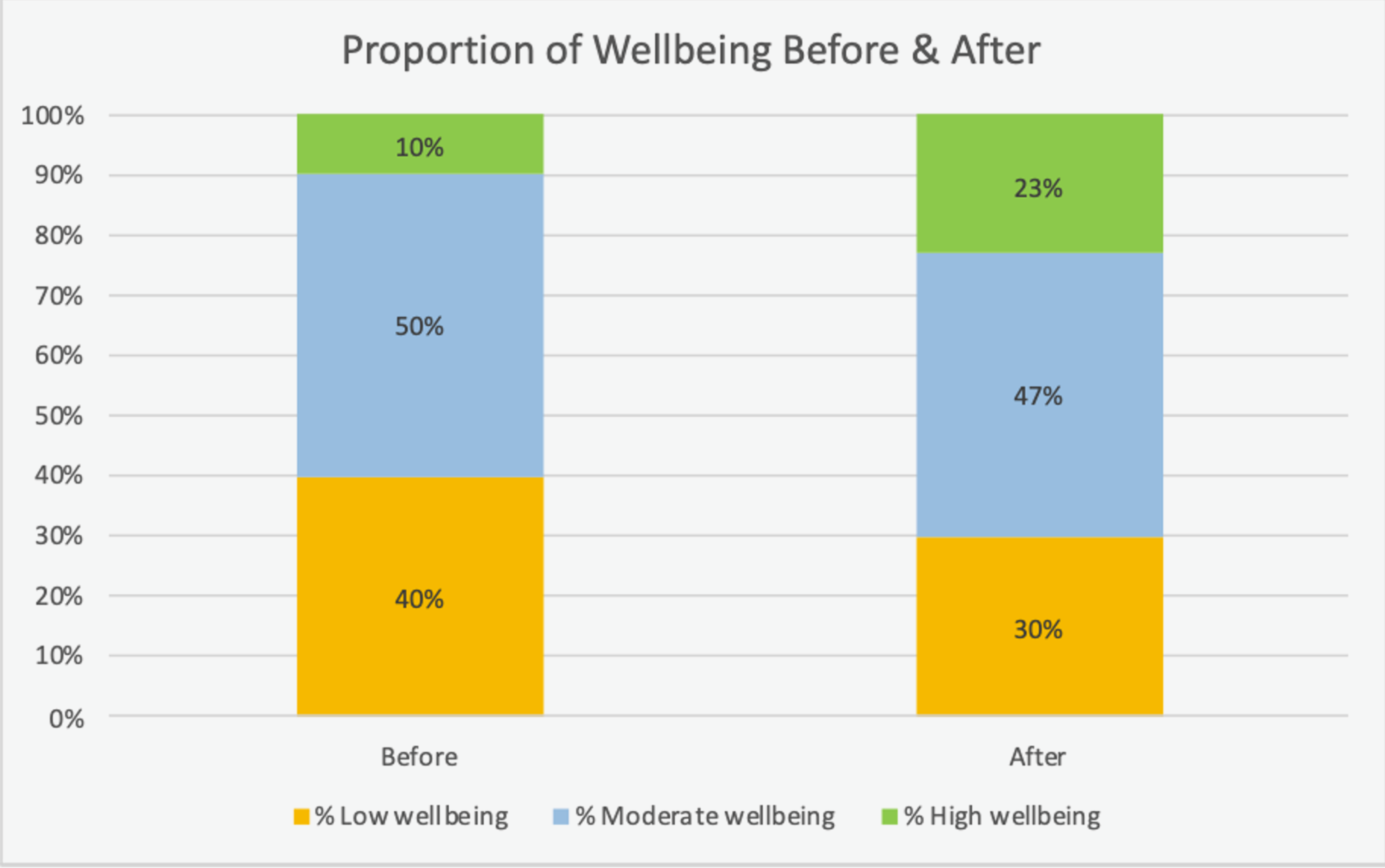
Sixty-three participants were recruited. Arminghall participants were recruited through The Restoration Trust (n=31), and Warham participants were through both The Restoration Trust (n=17) and Reepham High School and College (n=15). SWEMWBS data was analysed across sites for cases with a baseline and endpoint score only (N=30).
SWEMWBS data, as illustrated in Figure 6, demonstrates an increase in wellbeing scores from baseline ('Before') to endpoint ('After'). A paired samples t-test comparing wellbeing scores before (M = 22.90, SD = 6.85) and after (M = 24.87, SD = 7.37) taking part in the excavation site activities, revealed this difference to be significant (t(29) = 2.99 , p = 0.005) suggesting higher rates of mental wellbeing at the end of the project than at the start. This can be seen in the reduced number of participants scoring in the 'low wellbeing' threshold at endpoint, compared to baseline, and the increased number of participants scoring in the 'high wellbeing' threshold 'After' compared to 'Before'.
Arminghall
Thirty-one participants were recruited through The Restoration Trust for the Arminghall site.
All of these participants completed at least one SWEMWBS, with eight completing these at baseline, midpoint and end. Eight more completed baselines and midpoint or end. Those without baseline or follow up questionnaires were not included in the analyses (n = 15). Only baseline and endpoint scores were analysed. N = 16.
Warham
Participants at the Warham site included 15 students from a Norfolk secondary school; made up of 10 male students, 5 female and ages ranging from 14 to 18 years old (M = 16.4, SD = 1.18). Five of these students receive free school meals, and fourteen students have an assessment for special education needs. Special education needs include consideration of Aspergers, ADHD, PTSD. Nine of the students were categorised as 'gifted and talented' in more than one subject.
Twelve of these participants completed at least one SWEMWBS, with six completing these at baseline, midpoint and end. Four more completed baselines and midpoint or end. Those without baseline or follow up questionnaires were not included in the analyses (n = 2). Only baseline and endpoint scores were analysed. N = 10.
Seventeen participants were recruited through The Restoration Trust for the Warham site.
Seventeen of these participants completed at least one SWEMWBS, with two completing these at baseline, midpoint and end. Five more completed baselines and midpoint or end - however, three of these were less than 5 days apart and so were not included in analyses. Those without baseline or follow up questionnaires were not included in the analyses (n = 9). Only baseline and endpoint scores were analysed. N = 4.
These results suggest the programme shows promise for raising feelings of wellbeing amongst participants, where the data was detailed enough to review. Questionnaire completion was problematic, particularly for the high school and college students. When to do this and how best to contextualise why questions are being asked requires focused discussion about the wellbeing aims of the project. This is easily missed during fieldwork. If the resources allow it should be done by a member of the research team who will be responsible for analysis of the results and a briefing session for participants held at key junctures in the process. If not, then it needs to be timetabled at least and discussions of what the data will contribute held at the beginning of the project element that those participants are taking part in. Anecdotally, there was informal feedback that the process of filling in a questionnaire about wellbeing can feel stigmatising and can have the effect of lowering enjoyment of the experience of being involved in the archaeological research.
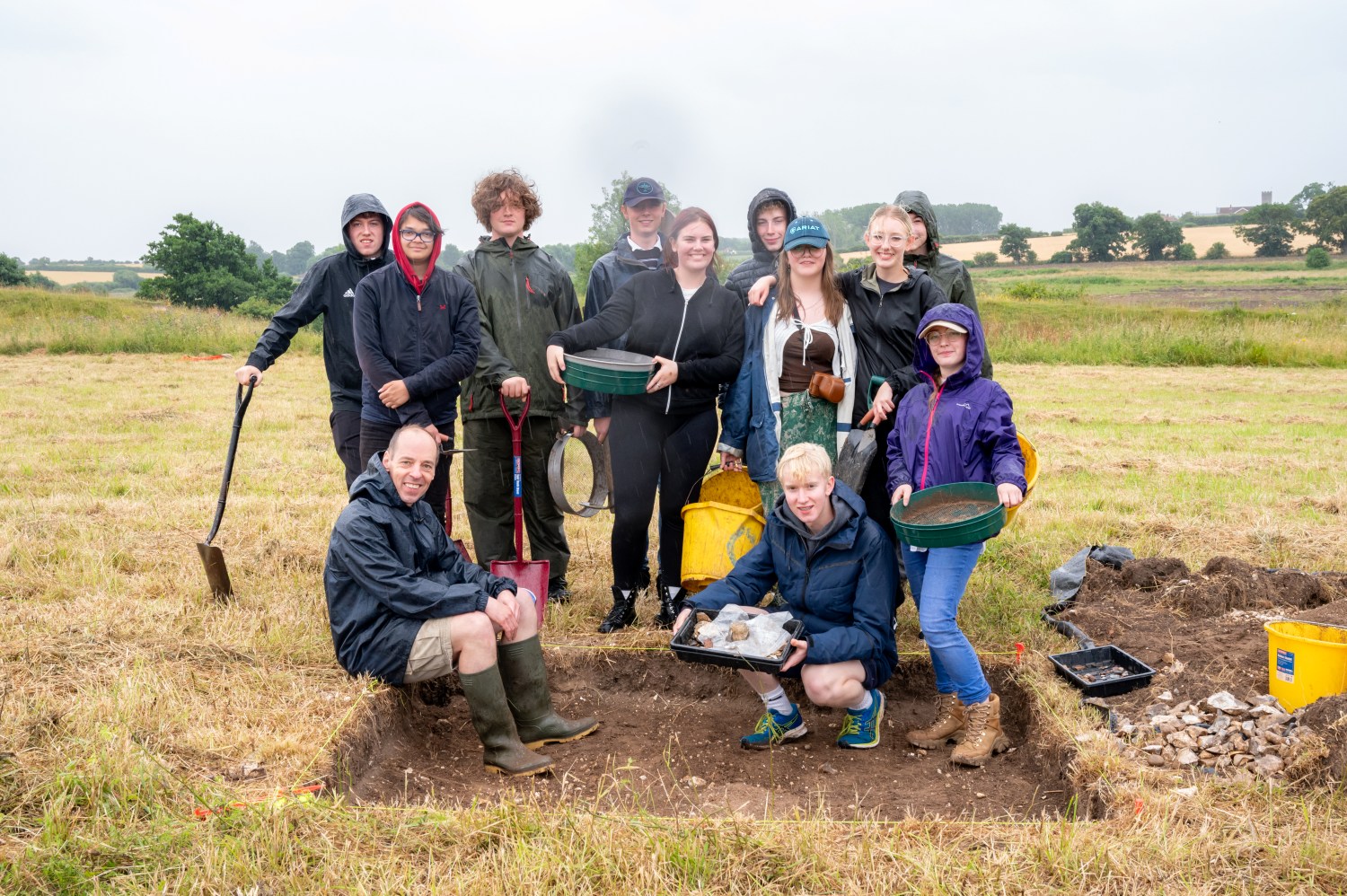
The partnerships with the Synergy Multi-Academy Trust (Synergy MAT) was an opportunity to involve students in primary and secondary field-based research and apply their curriculum knowledge from a wide range of their school subjects in a synoptic programme of investigation. It also provided an opportunity to address, to some extent, the growing challenges presented by mental health and wellbeing issues amongst students in British high schools, where students with special educational needs and disabilities have been shown to be at particular risk of poor mental health before and after the COVID-19 pandemic (Emerson and Hatton 2007; Myklebust and Myklebust 2017; Tso et al. 2023).
Students were involved in site identification and project planning, they then participated in excavation, mainly at the Warham Camp site, for a minimum of 2 weeks to coincide with Curriculum Enhancement Week and Work Experience (see below) and some students remained on site for the first week of the summer holiday. Transport was provided for the students to and from the school each day funded by the Project.
Following the excavation, students visited the Department of Archaeology at Cambridge University to gain insights into post-excavation analysis. Students looked at finds processing and participated in analysis tasks, they looked at bone, metal finds and pottery analysis and were shown preliminary results.
School opportunity, work experience and Curriculum Enhancement Week (CEW)
One of the four high schools in the Synergy MAT, Reepham High School and College, undertakes two development and enrichment programmes for students each year. Key Stage 3 children (ages 11-14) are offered an opportunity to take part in super-curricular activities during CEW, which takes place in the final week of the summer term and extends across 4 days. CEW activities are wide ranging in scope, from overseas visits, which can be very costly for parents, to arts, music, sports and career-based activities offered on the school premises for free. Students can choose their activity from a list provided and the archaeology programme attracted 13 students.
The profile of these students is noteworthy, they tended to be individuals genuinely fascinated by history and humanities subjects and almost all were on the Gifted and Talented (G&T) Register. The G&T Register is a record kept by schools of students showing exceptional talent in at least one subject area but usually across a wide range of the curriculum. These students are likely to excel academically. Frequently, gifted and talented students originate from 'low aspiration' backgrounds, where neither parent attended university. In past years, G&T has attracted a small amount of funding from the Department for Education and from general school budgets, but under the more recent pressures on funding in education, little or no money is available to support super-curricular activities for G&T students. The Later Prehistoric Norfolk Project (LPNP) provided an exciting and enriching opportunity to extend and challenge G&T students in a real-world scientific investigation and was largely funded by the UEA, the Norfolk and Norwich Archaeological Society, Cambridge University and the National Lottery Heritage Fund, meaning students could participate at very little cost to their families.
The work experience programme
At Reepham High School and College, all Year 10 students (age 14-15) and all Year 12 students (age 16-17) are required to secure a 2-week work experience placement for the final 2 weeks of the summer term in July. Synergy MAT follows the guidance of the Gatsby criteria in offering work experience opportunities. Because archaeology is a recognised profession, a work experience placement was offered as part of the LPNP and attracted 17 students to the programme, from a number of schools in the Synergy MAT.
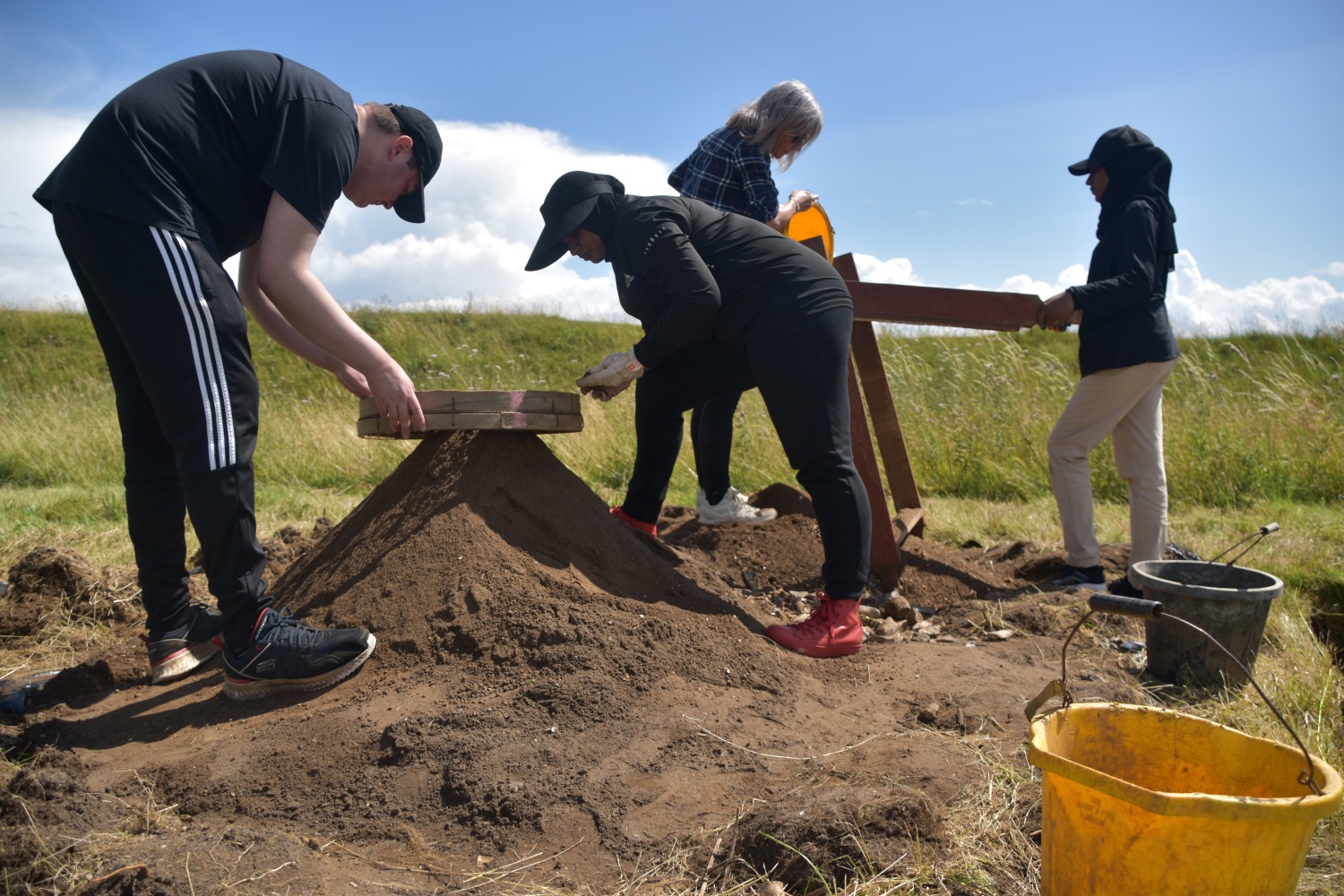
Work experience student selection
In principle, all students in the MAT had the opportunity to apply for an archaeology work experience placement but efforts were made to recruit those students who would most benefit from the programme and, in some cases, direct approaches were made to students on the basis of their specific needs. Those students targeted were those with identified and registered special educational needs and all students on the programme exhibited at least one and, in some cases, a combination of the following circumstances.
Key considerations in selecting students
Places on the project were limited by the need to maintain supervision on the excavation sites and by limitations in access to transportation. It was therefore important to select students for the project who would benefit most from their involvement. Careful consideration was given in ensuring the following:
Role of the teacher
For a successful programme, each participating school requires a link teacher to undertake necessary visits and school trips procedures within the school. The link teacher is a vital element of the project design, however it should be noted that these activities are time consuming and generally are undertaken with no additional free time being offered to the teacher by their school, although in the case of this project there was discussion with school management and cover for the link teacher was arranged.
This project was fortunate that the link teacher was an enthusiastic archaeologist with a background of archaeological training and experience. Our experience is that it is not uncommon within schools to find such individuals, in Reepham High School for example there are 3 trained archaeologists on the staff.
On site, the link teacher takes primary responsibility for the health, safety and wellbeing of pupils. Therefore, in our experience the link teacher needs to be competent in pupil management, from engagement and teaching through to risk assessment and safeguarding. A well recruited group of students and appropriate project team should make this task relatively easy, with need spread across the cohort. For example, students required some technical guidance in excavation techniques, but this was offered by the professional archaeologists on the site allowing capacity for the link teacher to ensure all students are engaged in a team, and that each student is happily and actively involved. The students selected, can themselves, further facilitate the role of the link teacher, with students at the Warham Camp excavation being very proactive and organised themselves to a considerable degree. Such a collaboration of roles and responsibility on the project and at site, meant I was able then to engage with students in a pastoral capacity, ensuring that they were happy and had the opportunity to chat if they wanted to. Given the higher levels of SEN and wellbeing needs of some of the students on the excavation, the link teacher must have sufficient familiarity with each student's needs and risks to secure the safety and enjoyment of pupils throughout the excavation.
Academic outcomes and benefits
The academic outcomes of primary scientific research in a live setting cannot be underestimated and include:
1. Students gained a full and comprehensive understanding of scientific processes and procedures in a live setting. Full experience of primary scientific research, including the full process of site identification, planning the excavation, carrying out the excavation and engaging in post-excavation analysis provided a holistic and authentic experience.
2. A sense of 'discovery' alongside skills development and use in the field to 'problem solve' afforded students the opportunity to achieve a sense of mastery and achievement, from their learning and experience. Students participated in a process of discovery which genuinely pushed the boundaries of human knowledge and understanding. Opportunities for teachers to engage students in primary research are very limited within the requirements of a typical school curriculum, particularly for those with special education needs (Norwich and Lewis 2001; Rix et al. 2009). All topics taught in classrooms are based on information and material that is already 'known', whereas during the excavations, 'new' information and understanding was revealed and students expressed considerable enthusiasm for this process of discovery.
3. Cross curricular links were abundant within the archaeological process. Students used physics in understanding the geophysical processes of site survey and planning, they looked at the chemistry of the soil in understanding preservation of artifacts and analysed both human and natural biological remains when excavating and analysing bone, plant remains, shells and wood. Students developed an understanding of past societies by studying the location of the site, the reasons why it was settled and the socio-political context within which the occupants lived. The students gained an understanding of day-to-day living in the Late Prehistoric Period through the discovery of food remains, pottery and tools. Students used art skills in creating drawings of the site in the late prehistoric period based on excavated remains and guided by the on-site archaeological artist. Students made links with their school curriculum during the excavation, and they successfully made a clear association with every subject studied in school.
Future career outcomes and benefits
Schools are actively engaged in encouraging students to think about their progression into higher education and future careers, the knowledge and skills gained during the participation in the LPNP of considerable value to students in making the transition from school and on to the next stages of their developmental and career journey. Key points are as follows:
1. The development of soft skills. Employers frequently tell the education community that they are seeking candidates for employment who show developed soft skills which can be further developed in the working environment. Soft skills include interpersonal and social skills, team working, planning, division of labour, engaging others, inclusion, following procedure, rotation of tasks and leadership, communication and a positive attitude. In observing students planning and undertaking archaeological tasks, all such skills are demonstrated and developed. At Warham Camp, the students were asked to plan and undertake the excavation of trenches but given little guidance on how to organise the tasks, which they did themselves. They were closely observed by the on-site archaeologists and guided where necessary, in order to protect the archaeology and follow standard excavation procedures, but under the umbrella of that guidance, they largely organised themselves. Younger children were observed more closely but further leadership development was achieved by teaming younger students with older students who then supervised them.
2. Application of academic study to real-world projects. It is frequently difficult for teachers in the classroom to identify opportunities to apply the academic curriculum in a real-world setting. Archaeological research is broadly and extensively cross-curricular. Students were able to participate in a comprehensive process of primary scientific research, from hypothesis development, through project planning and execution, to analysis and evaluation of results.
3. Students applied a broad scope of the academic curriculum:
Wellbeing outcomes and benefits
Quotes from students during discussion with teacher leading students' involvement with the project
'I enjoyed the archaeology experience, it gave me a greater insight into the day-to-day job of [an] archaeologist, which is something I wish to seek further into, and would recommend someone who is interested in history or around the subject area to try out. It was also very fun and great experience, we got to draw out the land, find treasure and find out new things we haven't done before. It was also amazing on my mental health to get out at Warham in the summer and get fresh air, being active and never having a dull moment alongside spending time with others who were interested in the area as well was wonderful.'
The archaeological dig at Warham was the perfect start to my summer, it was absolutely amazing being able to actively participate in the archaeological processes and learn about it along the way. I saw how to identify, sieve and clean the rare finds, as well as hear how the archaeological history had had an impact on the local ecosystems and rare species of Chalk Hill Blue butterflies. The whole experience was very fulfilling and purposeful, and I would most definitely jump at the chance to head back!'
'It was great fun. I didn't spend much time on my phone and I didn't mind.'
'It was so different to things I normally do, it was great to be given so much responsibility, they really trusted us'.
'Working with the professional archaeologists was really interesting, I learned so much about the process and I am really inspired, I am changing my university choice to archaeology'.
'It really took my mind off things. I forgot about everything else going on in my life'.
'I've got new friends because of the dig. I want to do another one.'
'Two students have changed their university choice to archaeology. Inspiring students, sparking the imagination, developing an understanding of possibilities and potential' - teaching lead.
Qualitative data from students' comments and discussions with me, coupled with SWEMWBS, support increases in wellbeing during and after the project.
The positive impact on students by participating in a project of archaeological research can be identified in the short-term, but the long-term impacts, while less clear at this stage are potentially very powerful. The longer-term impact of involvement in heritage projects is the focus of a number of current studies but it is important to record some evidence here, because it does demonstrate the profound and immediate impacts that heritage engagement can bring. Additionally, the LPNP research focused on young people with special education needs, a cohort frequently 'missed' or excluded, or assumed to be comparable to those without in education and/or wellbeing research (Department for Education 2023; Florian 2007). Specific examples of the positive impact of the LPNP are given here:
NB: Student's statements have been anonymised by changing their names.
Ashley: Ashley has experienced a dysfunctional family background, with a parent in prison and has suffered significant trauma in their recent past. The consequence of their experiences has led to a diagnosis of PTSD, which was exacerbated by a co-morbid diagnosis of ASD. During a discussion with Ashley they emphasised that the project was an 'escape', their mind was 'distracted' away from a very difficult home situation and they described the experience as an 'emotional holiday'. During/after the project, Ashley also reported that they are changing their university application to a course that includes archaeology as a significant element within the study.
Charlie: Charlie has a diagnosis of ASD, and throughout their time a Reepham College, seemed to experience selective mutism, an involuntary anxiety condition which impacted their ability to engage in verbal communication including being unable to answer 'yes sir' when the register was called. Observations of Charlie during the project demonstrated a significant and astonishing change, and it was observed that they conversed with adults around the test pits and in the display tents and talked openly and freely with members of the general public about excavated artefacts. Charlie's mother sent very kind communications to the project leads regarding their progress. She stated that Charlie had 'made friends' on the excavation, which they had not been able to do during two years in the college environment. Charlie reported how they had worked in teams and how much they had enjoyed helping the primary school children during their visits and working alongside other students of a similar age.
Taylor: Taylor's presentation of autism (ASD) means they find most social environments very frightening and overwhelming. However, they thoroughly enjoyed the procedural and systematic nature of archaeological excavation and were happy to spend considerable time periods troweling and sieving. It was clear that excavation gave a teacher the luxury of time to chat with students, a situation that is often not possible within the hectic, day-to-day environment of a college. While trowelling back a trench during the dig, Taylor reflected the following personal observation:
'…you know sir, I don't need to be cured of my Aspy*, it's what I am. It's sort of like my friend, it follows me around everywhere. I don't ever want to lose it because it makes me, me. If my Aspy went away, I wouldn't exist anymore'
*Aspy: a colloquial term for Asperger's Syndrome, a previous name for autism that occurs without a learning disability or speech delay
It is clear that time away from the stresses and pressures of the day-to-day life of this young person, gave them the space to reflect and think about 'self'; the project represented an opportunity for them to come to terms with a mental health challenge that they have lived with for their whole life and with which they will continue to experience .
Other Students: Students widely reported a sense of 'fun' and 'escape' during the project. They stated that it was very 'enriching' to work on the project, they enjoyed the 'purposeful' nature of their activities, the 'involvement' with their peers and the professional archaeologists and other groups working on the sites. Students reported that the project provided a 'welcome distraction' for the pressures of their day-to-day lives.
Wider benefits
A key factor in young people's mental health has been identified as the presence and influence of mobile technologies and social media (Bye et al. 2024). It was notable during the excavation, that there was very little evidence of mobile phones on the sites. Students generally put them away, both during excavation activities as well as breaks and lunch. This was not teacher directed, the decision for the students to put their phones away was theirs alone. The excavation provided, what appeared to be a welcome distraction and relief from the pressures and consumption of social media.
A highly valuable outcome of the LPNP for students is inspiration for future study and career. Of the 31 students who took part in the project, 7 have either applied for an archaeological-based degree course or intend to do so when they reach the age of 18. Only 1 student from the group intended to do so before their participation in the project. The LPNP project has given these young people a clear and new understanding of career opportunities in archaeology and heritage.
Critical success factors
Funding by schools is for the most part not possible from increasingly tight school budgets. The LPNP was funded through a variety of agencies, including the SISJAC, The Norfolk and Norwich Archaeological Society and the Heritage Lottery Fund. The CEW and Work Experience students made a contribution towards daily transport to and from the site and transport costs were covered by the contributions made. Students contributed £45 each and those students on free school meals or student bursary were funded from school budgets.
The Later Prehistoric Norfolk Project was a super curricular extension, delivering a synoptic approach to the curriculum, cultivating the development of hard and soft skills which resulted in a positive impact on wellbeing on students involved. Teacher observations of students on the excavations were that they were happy, smiling, chatting, engaged in purposeful activity, extracting meaning from what they were doing and all in the absence of screens and social media: it is hard to think of a more valuable experience for students who are typically excluded from extra-curricular activities.
The Later Prehistoric Norfolk Project has built a successful community and has helped people's education, wellbeing and engagement through access to research into archaeological heritage. We have built strong partnerships and established a methodology for further archaeological work to follow. The outcomes described in the sections above have all led to an enhanced understanding of the archaeological heritage of Norfolk, specifically for the prehistoric monuments and landscapes explored during the project but also for the county's prehistoric archaeological heritage more generally.
Working closely with both The Restoration Trust and Synergy Multi-Academy Trust has been key to achieving the project's aims of involving people in an archaeological research project who might otherwise not take part. It was always the intention that the potential benefits would be measured quantitatively and, although a relatively small sample, the results are positive. Another key aim was to come to a deeper understanding of the experience of undertaking archaeological research on participants in qualitative terms as well. This work has been started and the art and creative outputs from the project demonstrate that the experience is positive for many, as do the statements made by the participants at a variety of the seminars and conferences where the project was discussed. We know from the work of Operation Nightingale that improvements in wellbeing amongst military veterans participating in archaeological fieldwork show a reduction in depression, anxiety and perceptions of isolation with increased feelings of being valued (Winterton 2014; Everill et al. 2020; Osgood 2013). Creating a framework for better understanding the qualitative experience, as displayed through creativity is an aim that we are keen to examine further in the future.
It is important that a research mindset of reflexivity is employed when viewing the results of such projects. This project has worked with analysts from Norwich Medical School and the School of Psychology at UEA to evaluate the qualitative data. Some thinking towards developing a framework for analysing creative outputs was undertaken but such a piece of work was beyond the scope of the present project.
Anecdotal evidence was captured for the effects of being in a landscape and deeply and mindfully thinking and learning about its human past. These show participants reporting positive experiences and feelings of both being more in touch with the landscape and of being part of a community. As heritage specialists we need to undertake more evaluations of this issue and more theoretical work on why participating in an archaeological project, or spending time in an historic place or landscape, may provide an emotional and intellectual basis for notions of wellbeing. Claire Nolan's work on ontological security has provided a good basis for understanding the range of experiences that people have in relation to prehistoric landscapes (Nolan 2019). Additionally, a range of authors contributing to the Human Henge volume have touched upon these issues (Darvill 2019).
At the beginning of the project there was an attempt to keep certain aspects modular and separate out different participants. As the project progressed, we took a more holistic view and had a range of participants all on site at the same time. Much of what led to the project being a success possibly derives from the interactions between people and their varied responses they bring to the exploration of the archaeological past. Discovery is a positive state of mind, as is curiosity and exercising what has been called the archaeological imagination (Hearne 2019; Shanks 2012).
For many people involved in the project the community aspect was really enjoyable, especially for some people who might usually find crowds intimidating. Why that may be requires some further thinking but one possibility is the focus on the activity. Another very enjoyable and, for many participants, exciting aspect of the project at Warham in particular was the involvement of the media, especially the Digging for Britain team. This provided the participants with an opportunity to meet a media personality, Professor Alice Roberts, and a sense that the work was valued and important. This was enhanced by the post-excavation visits to the Cambridge Archaeological Unit, the Museum of Archaeology and Anthropology Cambridge, the British Museum and the Society of Antiquaries London. There seems to be a connection between authoritative interest in the project and feelings of authentic value placed on the work by some participants.
There were several outputs of the project that developed as it took place, both the writing and production of the two Restoration Trust published books showcasing the art and some of the statements of participants and the exhibition that took place at the Forum in Norwich. Again, these were gratifying for those who took part and whose work was presented to the public. Along with the media attention, conference and seminar participation and the talks to local groups, the exhibition and books were a great way of reaching a larger audience and letting them know about a poorly understood aspect of their past. Here too, landscape and how it has changed over millennia is an important message.
Internet Archaeology is an open access journal based in the Department of Archaeology, University of York. Except where otherwise noted, content from this work may be used under the terms of the Creative Commons Attribution 3.0 (CC BY) Unported licence, which permits unrestricted use, distribution, and reproduction in any medium, provided that attribution to the author(s), the title of the work, the Internet Archaeology journal and the relevant URL/DOI are given.
Terms and Conditions | Legal Statements | Privacy Policy | Cookies Policy | Citing Internet Archaeology
Internet Archaeology content is preserved for the long term with the Archaeology Data Service (ROR). Help sustain and support open access publication by donating to our Open Access Archaeology Fund.
 Home
Home