Cite this as: Bray, J. and Payne-Lunn, S. 2026 Worcester Life Stories, Internet Archaeology 73. https://doi.org/10.11141/ia.73.8
Worcester Life Stories was launched in 2020 as a collaboration between Worcester City Council's Historic Environment Record (HER) and Herefordshire and Worcestershire Health and Care Trust, funded by the National Lottery and Historic England. It grew from a desire to connect the HER's vast collection of 20th-century photographs with the audiences to whom they were most relevant, and with recognition from the Trust's Older Adult Mental Health Service of the power of reminiscence and Life Story work to improve health and wellbeing. This core partnership was forged to enable co-creation of two online platforms widening access to the collection and supporting local people, carers and professionals to engage with Life Story work as a therapeutic and communicative tool. From the outset, the University of Worcester's Association for Dementia Studies were engaged as partners, supporting the research, evaluation and impact. This article provides an overview of some of the key activities of Worcester Life Stories, the interaction between heritage and health approaches, and the evaluation of the two web platforms 'Know Your Place Worcester' (KYPW) and 'Life Stories Herefordshire and Worcestershire' (LSHW), developed as part of the project.
Heritage can play an important role in maintaining and improving wellbeing for both individuals and wider communities, with heritage organisations beginning to formally recognise the role that they can play (Historic England 2022). Indeed, historic places and assets, and interventions related to them such as object handling, can have 'a wide range of beneficial impacts on the physical, mental, and social wellbeing of individuals and communities' (Pennington et al. 2019, 73). However, the focus has tended to be on the benefits of physically visiting a heritage site (Fujiwara et al. 2014), which can be a barrier to many individuals for a variety of reasons including travel, cost, accessibility, and more recently restrictions due to the COVID-19 pandemic. The pandemic also highlighted the importance of maintaining social connections, not just at a personal level, but also in terms of accessing culture and arts activities remotely. Having options available to enable people to connect with heritage in a way that doesn't involve them having to physically visit a venue or historic site, either as an individual or as part of a group, can therefore be beneficial.
Recent work around sensory palaces looked at improving the engagement of people with dementia in heritage programmes, deliberately choosing to move away from 'reminiscence models' and focusing instead on a 'here and now' approach (Innes et al. 2021). However, reminiscence and life story work are often recommended for people with dementia (Age UK Sheffield n.d.; Dementia UK 2022; SCIE 2020) as a way of encouraging communication and helping to find out more about individuals and improve care. People generally enjoy talking about their memories and can often see the importance of recording their memories (Gridley et al. 2016). It enables people with dementia to share their stories and what is important to and valued by them, while allowing others to potentially see them in a new way through stories that may otherwise not arise in day-to-day interactions. Sharing life stories goes beyond helping people to understand and appreciate an individual, as they are also important from a social and cultural perspective, providing a collective view of wider society. They offer the ability to see different views of everyday life and share informal experiences that would otherwise be lost or overlooked by official records.
The principal aim of the project was to bring local people together through shared stories of the city of Worcester, recognising that local people are the experts in their own locality through their own lived experience. Connecting archived heritage, digital technology and community events to promote wellbeing, it was clear from the outset that there was an enormous appetite for this, and this was only to be amplified when the country went into lockdown in 2020. At this point, the project development had been underway for some time with initial consultation in June 2018, when over 1500 people crowded into the city's historic Guildhall. Our approach however, had to take a decidedly different turn upon the project launch during the height of the COVID-19 pandemic in June 2020. One of the key points of focus for the project design was to address social isolation, and a central partnership was forged with Age UK, in particular their local project Reconnections, aiming to support local people in rebuilding their own sustainable social connections. The concept of isolation, of course, was to take on greater significance for our project and indeed, for society as a whole in the locked down months that followed.
The COVID-19 isolation measures of 2020 and beyond necessitated a focus on public engagement through digital means, and considerations of digital enablement that had shaped discussions during the development phase took on new meaning. The project team expanded their own skill sets with urgency, towards the use of online meeting platforms, live streaming events and producing innovative digital content. To an extent, the nation-wide drive to get the country online in order to stay connected, was to support our project in engaging with local people in ways we could not have imagined, let alone hoped for, only a few months before. Content that was grounded in the familiar, in nostalgia, in memories of simpler times, struck a chord with older generations, as many people who had been new to digital technology navigated their way towards connectivity. For some, we found anecdotally, that the warmth of familiar memories, people and places made the new approaches feel less intimidating.
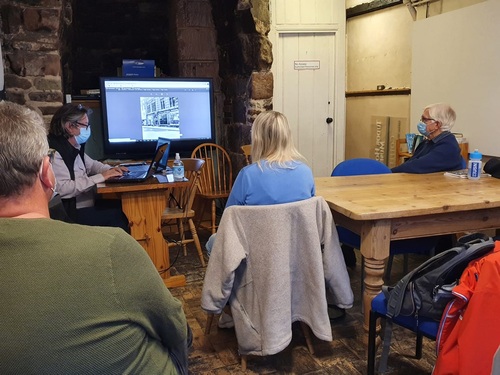
After a live-streamed launch in June 2020 with cream teas delivered to participating care homes, the project found a successful formula providing weekly 'lockdown quizzes'. This took the format of 10 photographs from the Historic Environment Record collection, each with a multiple-choice question, designed to evoke the nostalgia of the mid-late 20th century and appeal to the living memory of local people. More than 120,000 participations were recorded during those long months of isolation, and the power of a photograph to ignite memory and bring people together through their shared stories was hugely apparent. The quizzes were shared via social media and email circulars, and while the participation levels were high, the conversations taking place via various online forums pointed to a sense of connectedness rooted in common experiences. Local (and formerly local) people were coming together over shared memories of the streets they grew up in, the schools they attended, the shops and the factories where they shopped and worked. For some, this connection provided a much-needed antidote to the isolation that COVID-19 had imposed upon them. For volunteers working on the photographic archive, this connection was also important, with weekly meetings taking place via Zoom to discuss the images and collectively provide detailed descriptions, often informed by their own memories of the city. These descriptions were to prove crucial for searchability of the archive, enabling ease of use for people undertaking Life Story work.
On an individual level, local stories were beginning to emerge that would feed into wider engagement, story-telling activities, reminiscence and even a published book (Payne-Lunn 2022). Many of these were impactful, telling tales of everyday life, of poverty, of celebration and of loss. One particular lady, who followed the weekly quizzes, made contact only a few weeks into the project, asking where she could get hold of a copy of the photo showing a group of workmen that had been featured. One of the gentlemen pictured was her father, who had died when she was only 13, not long after the photo was taken. It was only the second photo she had ever seen of him.
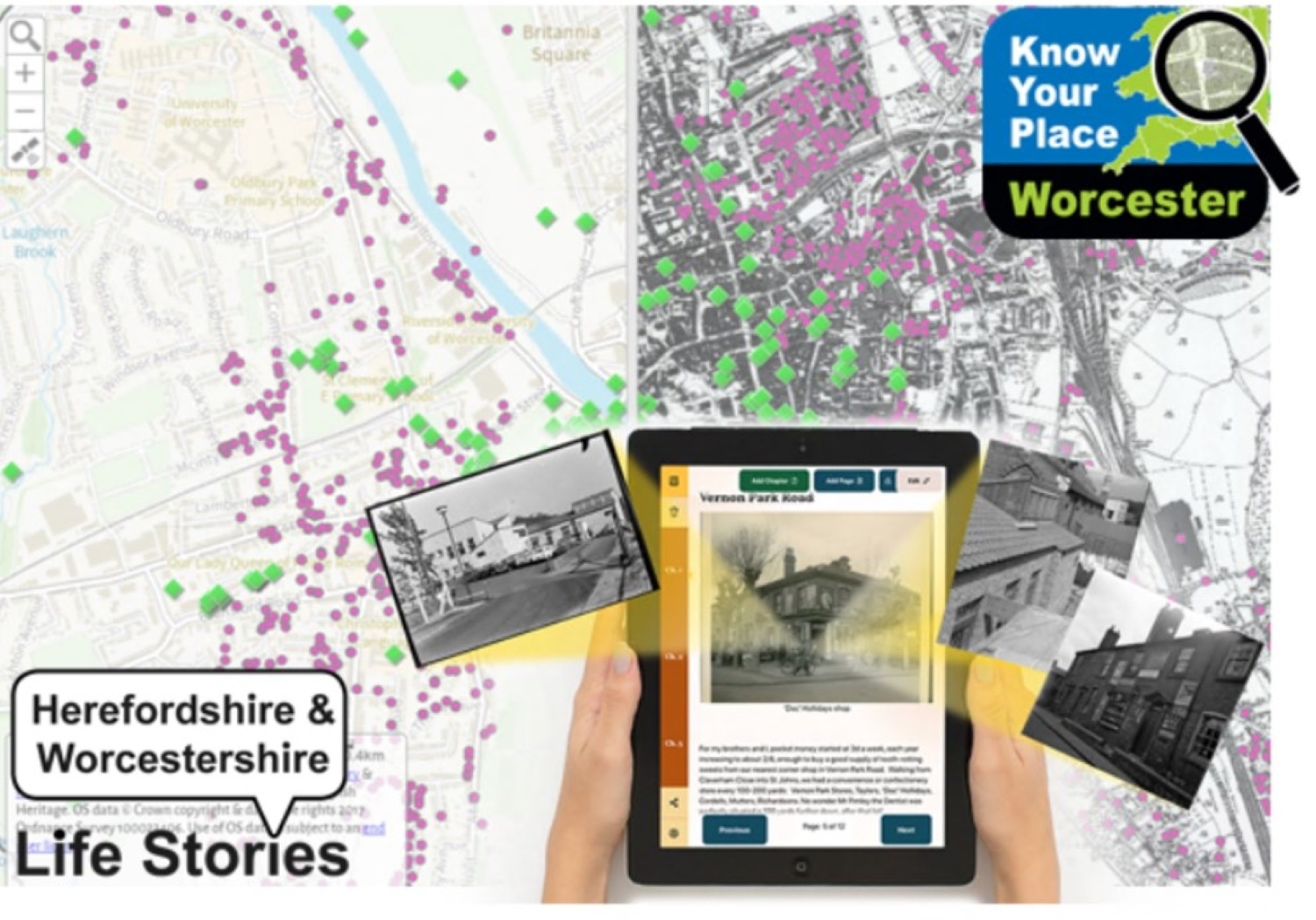
Two web applications were developed, through an iterative programme of workshopping, via online meeting platforms, together with support from stakeholders including Age UK, Worcestershire Association of Carers and Platform Housing. Firstly, Know Your Place, developed by Bristol City Council, has an established format using data (including photographs, oral histories and HER records) overlaid on searchable maps, and a crowd-sourcing function enabling people to share their own material. Workshop discussions therefore focussed on the heritage content people wanted to access rather than the structure of the site itself. These discussions indicated that photographic material (with rich descriptive content to enable thematic as well as geographic searching), historic mapping, archaeological and historic buildings data from the Worcester City Historic Environment Record, and oral history audio content would all be welcomed. Know Your Place Worcester took shape thanks to a partnership with Bristol City Council and was launched in April 2021.
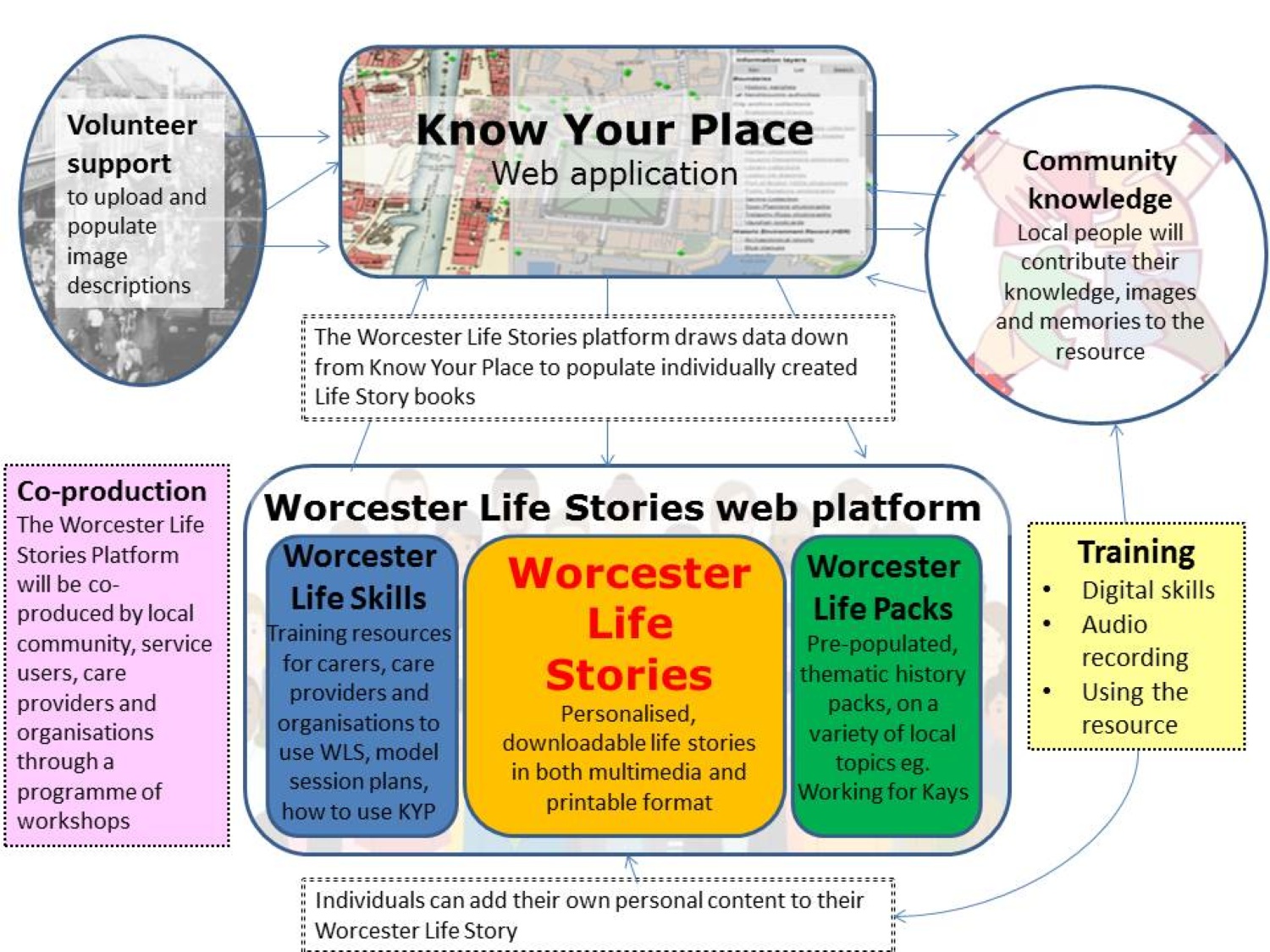
The Life Stories Herefordshire and Worcestershire platform was built from scratch and fully co-produced, by developers VerseOne in collaboration with members of the public and stakeholders. Life Story work as a therapeutic tool is 'a term given to biographical approaches in health and social care that give people the opportunity to talk about their life experiences. It involves recording the relevant aspects of a person's past and present lives in some way, and then using this life story to benefit them in their present situation' (McKeown 2006, 238, cited in Kaiser 2017). It is often used when working with older adults, especially when people are living with dementia, but can be used across the life span. By developing Life Stories as a digital tool, a multimedia approach is enabled, enabling individuals (or their carers) to upload images, text, video and audio to their own 'book'. This innovation promotes wellbeing, communication and connection through sharing stories and what's important to individuals, enabling upload of images, text, video and audio to their own 'book'. By developing this tool digitally, users also benefit from access to Know Your Place, filling gaps in their story with images of the street where they grew up, or even searching thematically for the model of their first car! Alongside the Life Stories element of the web platform, a dedicated page called Life Packs was produced, sharing downloadable content that can be used 'off the shelf' to facilitate reminiscence sessions. Content provided by a range of partners including Museums Worcestershire and Explore the Past, contained thematic material such as cinemas, sport, and local flood events. Development of the platform was supported by the NHSX Global Digital Exemplar programme and the Herefordshire and Worcestershire Health and Care Trust Charitable Funds, as well as a match fund contribution from the developer's own charitable fund. It was also launched in April 2021.
As COVID-19 isolation measures began to ease, face-to-face activities could finally take place and included a series of inter-generational workshops in sheltered housing schemes across the city, where local schools were invited to connect with the older adults in their community. Funding from the project also facilitated the purchase of digital tablets and training for staff of Age UK's Coffee and Memory Bus project. This is a pop-up service delivered across Herefordshire and Worcestershire, providing free tea and coffee, a safe space to chat and access to information on local services. We were also able to facilitate museum-based workshops for local people living with dementia to engage with reminiscence material, a specially designed exhibition based on the HER's photographic collection, and objects linking to the buildings and places shown.
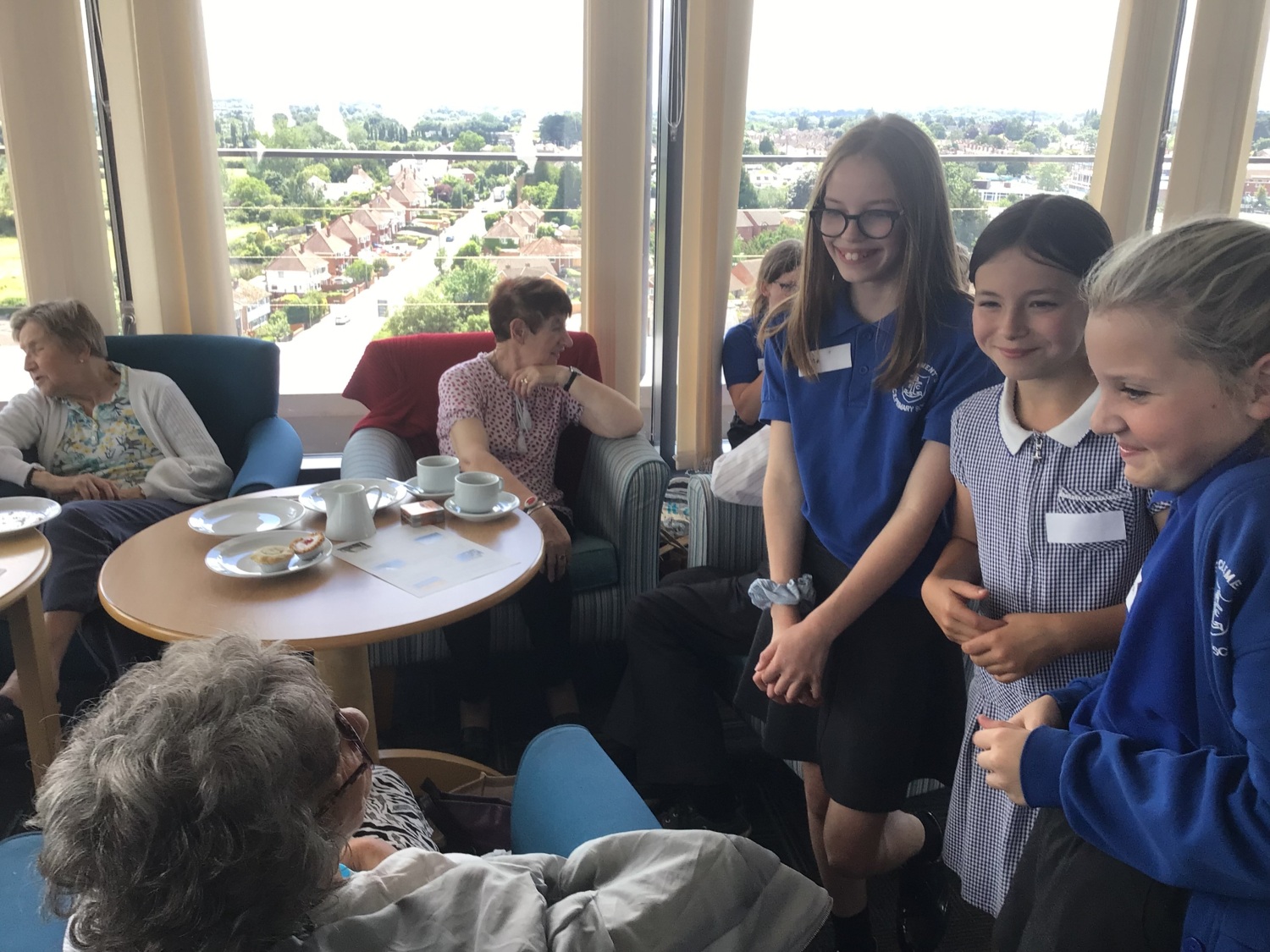
These activities all provided an opportunity to engage local people with the newly developed websites, access heritage content and create life story books. A number of the attendees fed into evaluation of the two platforms.
The Association for Dementia Studies at the University of Worcester, conducted an evaluation of the two platforms using funding from Historic England (Bray and Evans 2023). The evaluation aimed to explore how the platforms were being used by people in community settings and what impact they were having for people. Two key activities were carried out as part of the evaluation. Firstly, users of the platforms were invited to complete online surveys to share their experiences. Thirty-three survey responses were received from 24 women and nine men, all of whom were White. While this means diverse perspectives were not necessarily captured, both Herefordshire (96.9%) and Worcestershire (94%) are predominately White suggesting that the respondents are fairly representative of the platform users. Respondents covered a range of ages from 25 to 85+, with 14 being aged 55-64. Secondly, two focus groups and four interviews were conducted with people who had been involved in adding content to the platforms or facilitating group or one-to-one activities centred on the platforms. A total of ten individuals participated in these focus groups and interviews, including staff working on the Herefordshire Coffee and Memory Bus, staff and volunteers at a museum, and an oral historian with experience of facilitating group sessions. Six participants were men while four were women, and, where known, tended to be older and White. Overall, it was seen that the participants were able to share experiences of the KYPW and LSHW platforms in roughly equal measure, with a few individuals having knowledge and experience of both platforms. Common themes from the surveys, focus groups and interviews were identified and are explored below.
The evaluation identified that both platforms were used successfully by and with people of all ages, from school pupils through to older adults, including those living with dementia (Bray et al. 2024). They were also found to be suitable for use by individuals, on a one-to-one basis and as part of larger groups, either as the main focus of a session or as a supporting resource. The flexibility of the platforms supported their use in bitesize chunks when appropriate, acting as an ongoing resource that users could access at any point, or for longer periods depending on audience and user preferences. Users could also engage in diverse ways as the platforms are part of an overall process rather than being solely an end product. This enabled the platforms to be tailored and adapted to different situations.
It was seen that the flexibility of the LSHW platform due to its Life Packs, and the ability to complete it in stages using different media, resulted in it being used as more than just a place for people to upload information to create their life stories. While the life story element of the platform provided a prompt or stimulus for people to initiate life story conversations, a variety of different activities may then take place before the platform was used as a repository to record those life stories. For example, during a series of heritage-related sessions carried out with adults in a semi-independent living scheme, the idea of creating a life story was used in combination with object-handling as a framework for starting conversations around different topics. Although it was the ultimate goal, the LSHW platform itself was not actually used until the end of the series of sessions, as it was felt that introducing the technology at the start may have been overwhelming for some participants. Instead, individuals captured their thoughts and stories in other formats, including audio recordings, with the platform being used to bring everything together in a coherent whole at the end.
The flexibility of the LSHW platform, combined with its connection to heritage and culture, was also beneficial when working with people with dementia, as there can sometimes be a need to adapt how life story work is approached due to preconceptions and perceptions of the purpose of life stories. For some people with dementia, particularly those who are relatively newly diagnosed, life story work can have negative connotations as it can feel like an admission that you are on a downward path and a reminder of potential memory loss. People may also not see the benefits of capturing their life story when they are in the earlier stages of dementia, or even when dementia is not a factor, and so may wait until they have already started to lose their memories or are at imminent risk of doing so. All of this can affect a person's willingness to engage with life story activities.
However, by tapping into the heritage and cultural aspects of the LSHW platform and how it captures different perspectives on everyday life, people are encouraged to consider the broader 'social relevance' of life story work that goes beyond individual experiences; as the Oral History Society says, 'Everybody's story matters'. People's life stories are socially and culturally important and help to provide a collective view of wider society as well as helping people appreciate their own contribution to society (Wills and Day 2008). They also offer the ability to share informal experiences that would otherwise be lost or overlooked by official records. This means that rather than focusing on a person's dementia and the benefits of capturing information before it is forgotten, it gets people thinking about the fact that they may actually have interesting stories to tell. These approaches were found by one participant to help change the narrative around life stories, making it a more positive experience as people felt part of a bigger initiative beyond themselves. These findings align with the AMPHORA project (Burnell et al. 2024) which acknowledges the importance of authentic participation, as people can see a wider purpose to life story work rather than doing it to mitigate against memory loss.
Additionally, survey responses indicated that new stories were being shared that had not been heard previously by relatives. This suggests that having someone else expressing an interest in a person's life story and taking the time to capture it in the LSHW platform may be the first time that they have been asked about different aspects of their lives, demonstrating that they matter and are valued by others. By providing such opportunities and giving people the time and space to share their stories, the LSHW platform enables people to be heard and say what is important to them as an individual. Being involved in conversations as part of the life story process can also help carers learn more about individuals and understand how their previous experiences may impact on current behaviour.
The Life Packs within the LSHW platform can also help to take the focus away from any one individual's dementia as they tend to be based on a common, neutral, heritage theme that is suitable for everyone to engage with. These can be used to support conversations by helping to trigger memories about a theme more generally before starting to work on a person's life story, or responding to new topics that may have arisen spontaneously.
The ability to print out a copy of someone's life story book was appreciated, especially as the use of the word 'book' suggests that there would be a physical copy for people to hold and look through. This was particularly useful for people who were less comfortable using technology, as they could be supported through the process of creating their life story book online, but still have a tangible output. Sharing life story books with chosen individuals was also a good feature for family members who lived remotely as they could engage with the book online and learn more about an individual rather than feeling excluded.
People also found the ability to use different types of media within the LSHW platform beneficial as it enabled them to engage in a way that worked for them. For example, adding personal photographs and video clips to a life story book made it an accessible way of engaging different senses, and capturing people's thoughts and stories in their own words, either in writing or in audio recordings, can be a powerful way of giving people a voice.
In a similar way, the heritage-based content within the KYPW platform provides a basis and relevant prompts for conversation and reminiscence activities, not just for people affected by dementia. While the historic images were appreciated, there was a recognition that the content relating to living memory tended to be more popular and generated most interest. For example, people generally found it easier to engage and connect with images from within their lifetime than a historical image of the same location. Having content from different periods also helped younger users to engage with the platform, as school pupils could see how the old photos and maps related to the modern landscape that they were familiar with, and how places change over time. This enables them to connect to their local area and the wider community.
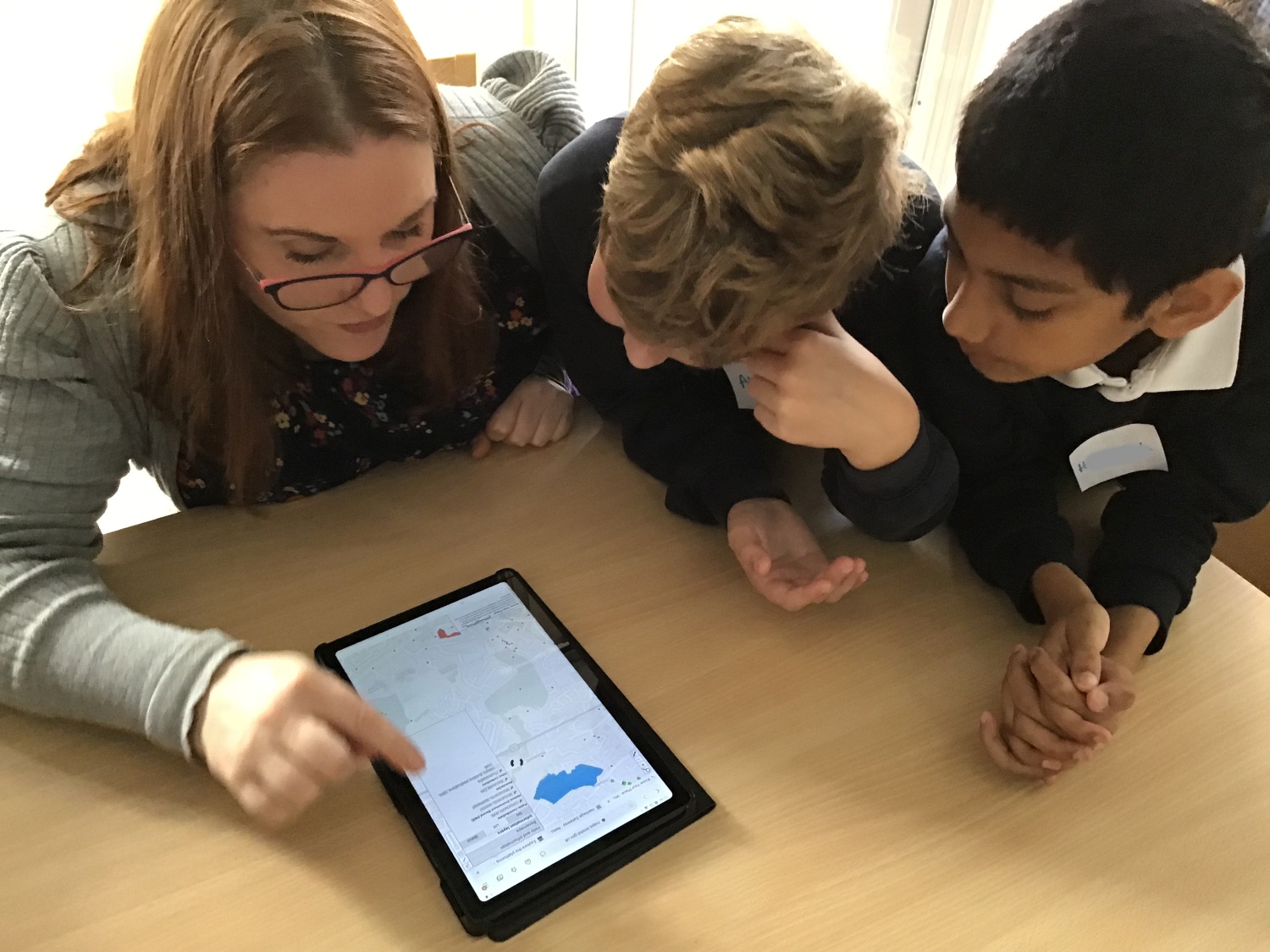
In addition to this proactive approach of using content to stimulate conversation, the KYPW platform can be used reactively, as a user or facilitator can actively search for content that ties in with what people are talking about. A key factor of this, especially when working with people living with dementia, is the ability to find relevant maps, photos or information quickly in response to conversations. This can support people 'in the moment' and put them at the heart of a conversation as they are able to influence the direction it takes, showing people that their views are valued and others are interested in what they have to say.
While the ability to add and find different types of media, such as audio and video clips, in the community layer of the KYPW platform was not well known by some users, it was felt that this could enable more people to engage with the platform, especially when people may have visual or perceptual difficulties. Sharing information to the community layer is beneficial from two perspectives. Firstly, it adds to the richness of the KYPW platform and provides new knowledge for others to access and learn from, and secondly it gives power to an individual when their experiences are captured in their own words, especially in the form of audio recordings.
It was seen that people generally enjoyed sharing their own knowledge for the benefit of others, which contributed to their own sense of wellbeing by giving them a purpose and feeling that they could help others. For example, some KYPW users were keen to see if there were 'gaps in information I may be able to fill', and to upload 'loads of old photos to share with others'. This interactive approach helps to build a sense of community, as the information provided within the platform does not just come from professionals but also from everyday members of the public.
This sense of community was further fostered by using both platforms in intergenerational sessions, where pupils used the platforms as a basis for conversation to ask older people in the community about their lives, while also assisting them to use the technology. It was also observed that using the platforms encouraged people to explore and connect with their communities, with some people reporting that after seeing places online they had visited them to find out more about them.
While the evaluation focused on use of the platforms within the community, an additional small-scale exploratory study was conducted by Herefordshire and Worcestershire Health and Care NHS Trust to look at use of the LSHW platform on an Older Adult Mental Health inpatient ward (Smith et al. 2024). As part of the study, 14 ward staff received training about life story work and how to use the LSHW platform, helping them to feel confident in their ability to carry out life story work with patients.
All staff said that the LSHW platform was 'valuable' or 'extremely valuable' and could see the benefits of using it in practice with patients. While one member of staff felt that the 'multi-sensory [aspect of the platform] has huge value' that enhances a patient's experience of life story work, others could see how it could be used to work not just with patients but also with family members. For example, being able to share life story books with families was a positive, as seeing the work taking place 'helps to explain to families patients' current experiences' and enables 'relatives to understand that we are seeing the real person, which will help with our communication with family as well as patients'.
The study also used an observational approach to rate levels of patient engagement and wellbeing in terms of their visual, verbal, behavioural and social engagement with the digital life story work, both before and during interaction. It found that through using the LSHW platform to support the life story work there was an increase in positive aspects such as patients smiling, laughing and showing interest or enthusiasm, and a reduction in negative aspects such as patients showing distress, crying or being restless.
Overall, the study found that using the LSHW platform to conduct digital life story work on a hospital ward was possible, practical and beneficial. It was felt that while some staff may require more support than others, all members of a care team can adopt digital life story work to learn more about their patients and encourage them to think in a more person-centred way. The Trust is continuing to use the LSHW platform and has been working with the developer to consider how it can be extended, for example to capture 'golden moments' from a patient's time in hospital in addition to information relating to their earlier life.
Overall, the evaluation and small-scale hospital study identified that both of the versatile online platforms can be used in a variety of ways, by and with different audiences in different settings, offering structured but flexible opportunities for the heritage sector to share digital resources more widely. One setting that has so far been under-explored but has huge potential is care homes. Work that has taken place since the evaluation has brought together health and social care professionals and organisations within Herefordshire and Worcestershire to promote use of the LSHW platform in care homes as well as encouraging ongoing community engagement work.
While essentially fairly local resources, both platforms have a broader reach and appeal beyond the Herefordshire and Worcestershire area. It was found that KYPW is already being accessed by people in multiple different countries, while the LSHW life story books can be shared with family in any part of the world. There has also been interest from other NHS Trusts who are looking to develop the LSHW platform for their own areas after seeing how it can help families remain connected and reassured when a person with dementia spends time in hospital. Likewise, there are currently discussions underway, considering the potential for expansion of KYPW to encompass the wider county.
As well as tailoring the platforms to meet the needs and preferences of different audiences, users can also adapt their role, being a creator, consumer or facilitator, as the platforms are relevant throughout the engagement process rather than just being an end product. People are given the opportunity to share stories that are important to them and feel valued as an individual with their own experiences, while also feeling that others may benefit from the knowledge they are sharing.
Having heritage-related resources available within the platforms helps to provide a common topic of discussion that enables everyone to be involved, including family members and staff in care settings. Combining technology and heritage to create these two new platforms could therefore be of significance to help support people affected by dementia, their families, and carers. At a more practical level, the KYPW maps enable people to focus on areas that mean something to those involved, whether that is looking at where a family member used to live or the area around a school. Consequently, the platforms are important and relevant resources for a range of sectors including heritage, health and social care and education, as well as for individuals and families. They have the ability to impact people on a personal level, but also to enable them to be part of something bigger and feel socially connected as part of a wider community.
Although originally developed as online platforms, the ways in which KYPW and LSHW are used encourage both physical engagement through the use of different forms of media that engage the senses, and social engagement by including resources that help to instigate and develop conversations and activities around a common topic, enabling everyone to be involved. This work has shown that a 'sense of place' involves both physical and social stimuli, aligning with the work of Madgin et al. ( 2016) and Stedman ( 2003), and both platforms successfully combine these two aspects.
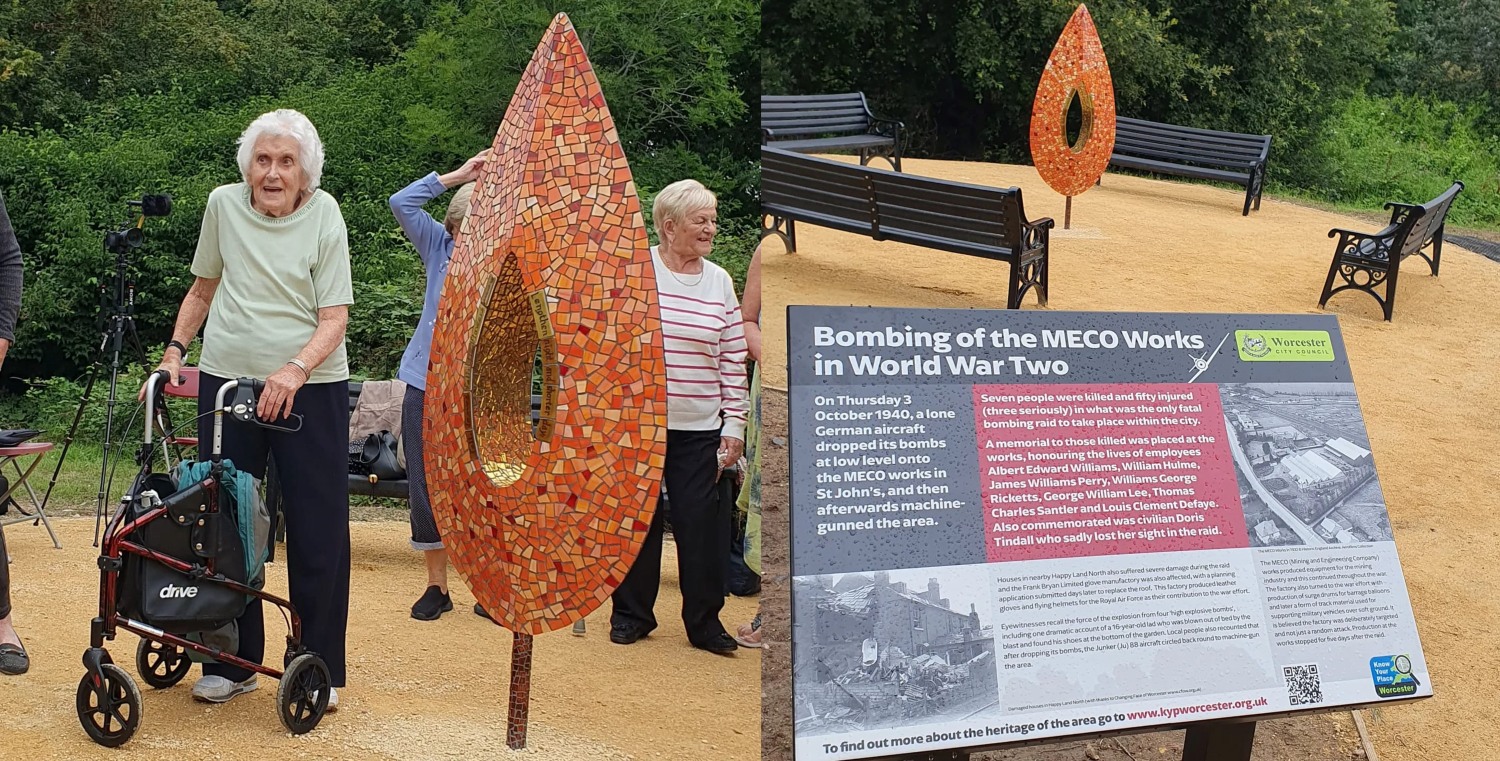
While the initial project came to an end in June 2023, development continues on various aspects of the Worcester Life Stories approach. Life Stories Herefordshire & Worcestershire is continuing to be used on Older Adult wards within the Trust, and new Life Packs have been added to the platform for group activities. Working practices within the Worcester City Historic Environment Record have embraced the learning of the project, establishing new methods of heritage engagement with local people, and in particular, calling on them to continue sharing their stories. Use of Know Your Place has been embedded within city-wide heritage interpretation and way finding, both through public and developer-led schemes, providing opportunities to link place-based information to sites, and utilise the multimedia functionality that KYPW offers, with audio and video links available via QR codes on signage. Worcester Life Stories has been the catalyst and inspiration for a multitude of new activities sharing stories and connecting across the community. New opportunities have emerged in recent months to apply learned approaches including in schools, in celebrating diversity and stories of migration, and in commemorating large-scale moments in time such as the D-Day landings. While we hope never to revisit the challenges of the COVID-19 era, this project has demonstrated that heritage can be a powerful tool, not only in connecting people who have become isolated, but also in supporting therapeutic approaches to improving wellbeing.
We would like to thank the National Lottery Heritage Fund for funding the Worcester Life Stories project, Historic England who funded the evaluation, and everyone who generously shared their views with us through the evaluation activities.
The research for this project was funded by Historic England (project number 8071) and supported the wider National Lottery Heritage Fund project (OM-19-03036).
Anonymous data from the surveys conducted by the Association for Dementia Studies is available on reasonable request.
Internet Archaeology is an open access journal based in the Department of Archaeology, University of York. Except where otherwise noted, content from this work may be used under the terms of the Creative Commons Attribution 3.0 (CC BY) Unported licence, which permits unrestricted use, distribution, and reproduction in any medium, provided that attribution to the author(s), the title of the work, the Internet Archaeology journal and the relevant URL/DOI are given.
Terms and Conditions | Legal Statements | Privacy Policy | Cookies Policy | Citing Internet Archaeology
Internet Archaeology content is preserved for the long term with the Archaeology Data Service (ROR). Help sustain and support open access publication by donating to our Open Access Archaeology Fund.
 Home
Home