Cite this as: Kurisoo, T. and Kuura, A. 2026 From Discovery to Preservation of Metal-Detected Artefacts: alternative routes to one destination, Internet Archaeology 71. https://doi.org/10.11141/ia.71.4
Archaeology plays an important role in the cultural heritage and history of every nation. In recent years, there has been a growing debate about the democratisation of archaeology and history, particularly the involvement of different stakeholders (Oksanen et al. 2024; Dobat et al. 2020). The Faro Convention (2005) outlined principles, which emphasise the societal importance of cultural heritage and advocate everyone's right to access and engage with heritage, have had a significant impact on approaches to archaeology. These ideas stress the importance of stakeholder participation, recognising that the past is not solely the domain of heritage professionals and that heritage is directly connected to people, communities and cultural identities (e.g. Kurisoo et al. 2024; Donders 2020). It therefore follows that different groups of people have the desire and the right to be actively involved in uncovering the past, and the use of metal detectors to search for archaeological finds in the landscape can be seen as part of such a development (see more in Wessman et al. 2023).
However, the use of metal detectors by private individuals to search for archaeological finds has long been, and is likely to remain, the subject of considerable debate, as metal detecting can have a direct impact on the archaeological heritage, with both positive and negative aspects that require careful consideration. It is therefore not surprising that national approaches to hobby metal detecting vary widely, shaped by historical, cultural and legal contexts and institutional structures (see more in Antal and Lewis 2024). They range from strict bans on the use of metal detectors to permissive frameworks in which hobbyists are given considerable freedom to conduct searches and, in some cases, the rights to ownership of the artefacts they find.
Previous research on the handling of metal-detected artefacts has largely focused on the legal and regulatory aspects. Several studies have addressed the legal and political dimensions of hobbyist metal detecting in different countries (Dobat and Jensen 2016; Karl 2016; Lewis 2016; Makowska et al. 2016, to name a few) alongside broader debates about the implications of the hobby for archaeological heritage and research (e.g. Dobat et al. 2020; Banning 2019; Deckers et al. 2018; Hardy 2017). In addition to these overarching themes, more specific issues, such as how to manage data generated by hobbyists and the implementation of reporting and recording schemes, have also been explored (e.g. Lewis et al. 2025; Wessman et al. 2023; Hassanzadeh et al. 2020; Dobat et al. 2019; Kars and Heeren 2018). Although there is a general understanding of how hobby metal detecting is organised within different regulatory frameworks, ranging from restrictive to more liberal approaches, the broader comparative understanding of how these systems relate to each other remains limited. Furthermore, despite their importance for effective heritage management, there is often a lack of detail about the actual workflows within these systems, particularly the roles and responsibilities of staff involved in processing and verifying reported finds.
This paper seeks to address these gaps by, firstly, proposing a conceptual typology for comparing different regulatory schemes related to hobbyist metal detecting. Second, it explores the potential of a process-based approach to analyse how metal-detected finds and related information are managed, from the moment of discovery to the point at which the find's status is formally determined. Thirdly, the paper aims to identify key findings drawn from the typological model and process mapping that provide a comparative benchmark for the management of metal-detected finds in different European countries. The results of this study can be directly applied by countries that do not currently have a formal regulatory framework for metal detecting, or that are engaged in public or political debate on the issue, enabling them to develop more informed and effective systems based on the detailed practices observed in other contexts.
To achieve these aims, the study applies principles from Business Process Management (hereafter BPM) (Dumas et al. 2018), and uses modelling according to the Business Process Model and Notation (hereafter BPMN) standard (Chinosi and Trombetta 2012). BPM provides a structured framework for the systematic comparison of find management processes, while BPMN offers a standardised graphical notation for representing these processes. Developed and maintained by the Object Management Group, a computer industry standards consortium, BPMN has been widely adopted in business and government contexts. Although the fields of archaeology and heritage conservation have occasionally adopted business process methodologies (e.g. Tsogkas et al. 2023; Mangialardi et al. 2016), these approaches have yet to achieve widespread application or recognition in these fields.
This article does not aim to provide an exhaustive overview of all European countries where metal detecting is permitted under certain conditions. Rather, it seeks to demonstrate the scope and complexity of the issue through a series of illustrative case studies. The countries selected - Estonia, Finland, the Czech Republic, Hungary, Sweden and the Netherlands - provide a great opportunity to explore the nuances of managing metal-detected artefacts in different legal, cultural and administrative contexts. Through these examples, this research provides a comprehensive examination of process-based approaches and their potential to promote shared learning and improve the efficiency and consistency of heritage management across Europe.
The unique and fragmentary nature of archaeological information highlights the importance of structured approaches to ensure effective management and long-term accessibility in different management contexts (Huvila 2019). To address this need, the current study is based on the BPM approach and the BPMN standard (Chinosi and Trombetta 2012), which provide a systematic methodology for analysing processes. The origins of BPM lie in both computer science and management science (Van der Aalst 2013), but its application has since spread to a wide range of sectors and is now widely used in various fields (e.g. Ferreira et al. 2018; Syed et al. 2018, among others). BPM is well suited to the analysis of public finds, as BPM facilitates a better understanding of process logic (highlighting, for example, the importance of process modelling), infrastructure logic (helping to understand the alignment between technology, particularly IT, and processes) and agency logic (clarifying the roles and responsibilities of staff) (Baiyere et al. 2020). This approach enables to create meaningful comparisons between different examples, supporting broader discussions about organisational cultures (Schmiedel et al. 2020) and the effectiveness and adaptability of these processes in different contexts (vom Brocke et al. 2016). BPMN models help to illustrate the efficiency and transparency of processing metal-detected finds and associated information, with implications for both administrative performance and data management.
The case studies presented in this paper stress the distinct differences in how metal detector finds are managed, as well as how related information is reported, recorded, and stored. These differences not only reflect the principles of public administration in different countries, but also underline the varying roles that archaeological heritage plays within these systems (see also Antal and Lewis 2024; Dobat et al. 2019). While there are different approaches to cultural heritage governance - some focusing on stakeholders and their role in decision-making processes (e.g. Sokka et al. 2021) and others emphasising multi-actor partnership models such as public-civil or public-private-community partnerships (e.g. Žuvela et al. 2023) - the management of archaeological finds predominantly follows a top-down structure rooted in legal frameworks. Consequently, this research stresses the issue of centralisation as a critical factor in understanding the workflows and management of metal-detected artefacts. The degree of centralisation, together with the specific responsibilities and capacities this entails, is often seen as a key factor in assessing the overall effectiveness of heritage management (e.g. Seila et al. 2025; Crisci et al. 2018). Secondly, the digital integration of various tools, along with the availability of supporting infrastructures, is considered an essential aspect characterising archaeological data collection and management (e.g. Heilen and Manney 2023).
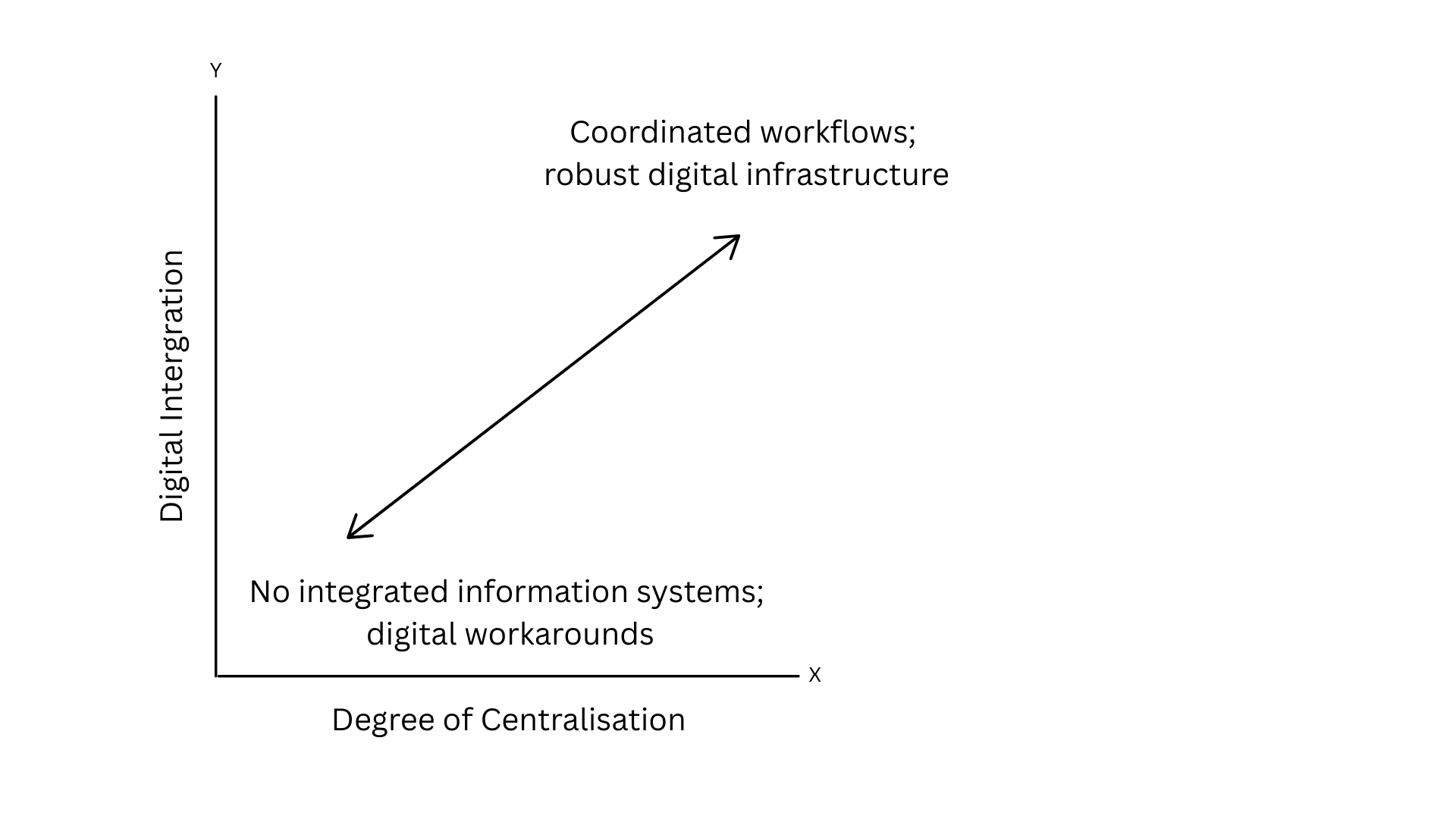
Based on these aspects and general BPM logics a conceptual model is prosed for the typology of different regulative recording schemes of hobbyist metal detecting (Figure 1). At the core of the model are questions concerning the degree of centralisation and digital integration, as both elements play a crucial role in shaping not only heritage management practices but also the processes by which metal-detected artefacts are handled and the ways in which associated data are collected, stored, and subsequently (re)used.
In order to apply this model in practice, the X and Y axes represent the degree of centralisation and digital integration and are assigned scores on a scale from 1 to 6, each accompanied by a brief explanation (Tables 1–2). These scales are not directly derived from existing literature, but are based on the analysis of BPMN models that reflect the current state of practice in different European contexts. The resulting classification of analysed case studies is presented in the Results and discussion section.
| Score | Label | Description |
|---|---|---|
| 1 | Highly decentralised | Broad national framework, no specific regulations; multiple authorities and varied reporting procedures, significant regional differences |
| 2 | Regional(ised) | Cooperation models and reporting systems that are developed and applied only in certain regions and which can be bottom-up initiatives. |
| 3 | Regionally administered under national framework | Regional authorities coordinate initial reporting and communication, but forward information to a central organisation that finalises decisions. |
| 4 | Centralised with regional implementation | One organisation has taken the lead on reporting and recording, but there are regional variations in how cooperation takes place and to what extent it is regionally practised. |
| 5 | Highly centralised | A single national authority manages and enforces reporting procedures; minimal or no regional variation. |
| 6 | Overcentralised | Extremely bureaucratic and complex procedures; responsibilities are unclear or overlapping. |
The degree of centralisation, as represented in Table 1, is measured on a scale from 1 to 6. A score of 1 reflects systems where hobbyist metal detecting is not formally regulated or stays in a legal grey area. In such contexts, metal-detected finds are treated similarly to chance finds and may fall under both heritage laws and broader civil codes. Reporting procedures are inconsistent and not governed by a single legal or administrative framework. While this study does not include countries that fall into this category, it remains an important conceptual anchor for the lower end of the scale. Scores 2–4 represent models where regional-level actors play a significant role, but vary in terms of structure, coordination and uniformity. The final two scores describe centralised models. A score of 5 is assigned to systems where a single national authority, typically a heritage agency, is responsible for all aspects of archaeological heritage management, including metal-detected artefacts. The highest score, 6, represents an overcentralised model, where excessive bureaucracy and unclear institutional responsibilities create additional challenges. The highest score, like the lowest, serves as a theoretical category not directly represented in the current case studies. However, it remains a relevant conceptual possibility and has been referenced, for instance, in relation to the Italian heritage management context (Crisci et al. 2018).
Digital infrastructure (Y-axis) represents the extent to which digital tools and information systems are developed and integrated into heritage management system for metal-detected artefacts (Figure 1; Table 2). While centralisation shapes the administrative structures for metal-detected artefacts, the degree of digitalisation determines how archaeological data is collected, managed, stored and shared. As Huvila (2019) argues, information systems and data standardisation play a key role in determining how archaeological information can be used effectively, highlighting the importance of ensuring that data recording and reporting serve this purpose. Therefore, evaluating the level of digitalisation is essential for understanding the practical and strategic capacity of heritage institutions.
| Score | Label | Description |
|---|---|---|
| 1 | Basic digital tools | Communication, documentation, and reporting rely primarily on email correspondence. |
| 2 | Low level of digital integration | Systematised shared files and folders form the core of reporting and recording practices, supported primarily by email communication. |
| 3 | Partial platform use | Digital platforms or databases are used for specific parts of the process (e.g., reporting or documentation), but not all aspects of reporting, recording and communication are covered. No public access features. |
| 4 | Specific reporting and recording schemes | One central platform is used consistently throughout the process. Data is collected, stored, and shared through structured systems and principles. |
| 5 | Advanced options for reporting and recording | Alongside structured digital schemes, this level is characterised by interoperability with other systems and advanced functionalities that facilitate data sharing and analysis for both researchers and the wider public. |
| 6 |
Fully digital and data-driven |
End-to-end digital workflows, centralised platforms with options for reporting, recoding and communication and public access features and tools for real-time data use or analysis. |
Digital integration is also assessed on a six-point scale (Table 2), ranging from basic, non-integrated digital tools to advanced, end-to-end systems that support real-time data use and public access. The highest score is considered theoretical, as the development of fully autonomous information systems is unlikely given the complexity of archaeological material, which requires human intervention and expert validation. The remaining scores, from 1 to 5, represent a gradual increase in the level of digital integration and the sophistication of supporting systems. Taken together, these dimensions provide a comprehensive framework for understanding the different approaches to managing metal-detected finds in different countries. The proposed model also highlights the need for resources and long-term sustainability in the management of finds, particularly considering the role of supporting information systems and the level of detail in the processes.
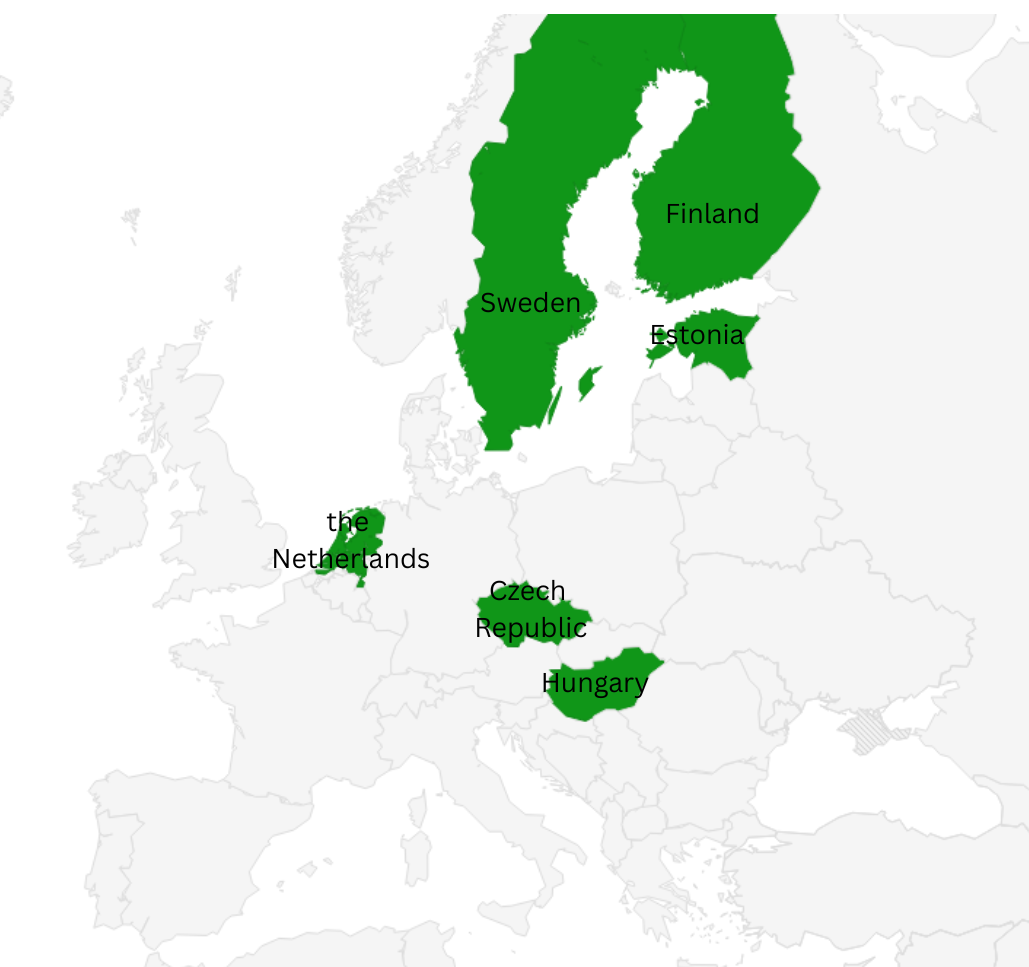
This study focuses on the examples of six European countries where the use of metal detectors is permitted under certain conditions (Figure 2). The sample includes countries where archaeological finds are typically owned by the state (e.g. Finland) as well as those where ownership rests with the finder (and landowner) (e.g. the Netherlands). In some cases, the management of finds is centralised in a national organisation responsible for heritage protection (e.g. Estonia), while in others it is carried out regionally (e.g. Sweden). Regional models allowing private metal detecting in cooperation with archaeologists are also included (e.g. the Czech Republic).
A key step in the research was the creation of BPMN models, which was based on semi-structured interviews (Adams 2015; Galletta 2013) conducted with relevant experts. The interviewees are professionals who are directly involved in working with metal-detected artefacts, often as those responsible for processing these finds. None of the participants wished to remain anonymous, and they are acknowledged as the respective co-authors of the models of their countries produced during the study. The interview questions covered six broad topics beginning with an understanding of the general context in each country, including the legal status of metal detecting, the responsibilities of relevant institutions, and the ownership and obligations of both the state and the finder. More detailed insights into the process of dealing with hobbyist’s finds were obtained through questions focused on the discovery and reporting phases, covering aspects such as information systems, reporting procedures, data required and other relevant practices. Questions about assessment of finds focused on the procedures followed after a find has been reported, identifying who is responsible for evaluating its significance and how this evaluation is carried out step by step (if relevant). Finally, questions addressed the availability and accessibility of public resources related to metal-detected finds. These topics provided detailed insights into the decision-making processes, information flows and administrative steps required to accurately model the management of metal-detected finds in each studied country. The interviews were transcribed, but not coded or analysed separately; instead, they served as a source of background information necessary for the development of BPMN-compliant process models. These models were then validated with representatives from the participating countries. The validation process involved experts from each country reviewing the initial models, adding and refining steps to ensure accuracy and completeness by email correspondence. This was repeated several times, allowing adjustments to be made based on expert feedback to improve the reliability and representativeness of the models.
In addition to the interviews, website analysis was carried out to determine what process-related information is publicly available. This followed the principle of gathering relevant contextual data in document analysis (Bowen 2009), providing a broader background to the interviews and supporting the findings derived from the BPMN models (see also Antunes et al. 2020). The website analysis includes a review of materials related to the general legal and regulatory framework, the reporting process, the processing of reported information and information on rewards or compensation that is publicly provided by the organisations responsible for managing data on metal-detected artefacts. To visualise the results, a 0–3 scale was developed to allow clearer comparisons and to facilitate the presentation of the results in radar charts (see below).
Although BPMN is a standardised modelling language with well-defined rules (Chinosi and Trombetta 2012), there is still room for interpretation in the diagrams. This ambiguity is a common criticism of BPMN models, but various frameworks have been developed to mitigate this problem (Corradini et al. 2018). The potential for misinterpretation in the models presented in this article is mitigated by the fact that they all have been created by the same first author, ensuring a consistent background and approach. Lastly, the models are examined through the lens of key principles that underpin BPM logic, including modelling, infrastructural, and procedural dimensions (Baiyere et al. 2020). The analysis partially follows the approach outlined by Antunes et al. (2020) who focus on different BPMN model elements such as activities, events, gateways and actors and perform both comparative and contextual analysis. This approach is adapted for the purposes of the current study, where elements such as pools, activities, gateways, actors and endings are compared across the case studies, taking into account the relevant contextual factors (see below).
This section provides an overview of the BPMN diagrams for the management of metal detector finds in the countries studied. The models reflect live or as-is processes, reflecting current practices that are used repeatedly (Antunes et al. 2020). It is important to note that the models were created in the spring of 2025 and reflect the processes in place at that time. These may change as workflows or procedures are revised or updated. Each model begins with the discovery of metal-detected artefacts by hobbyists, continues with reporting, and ends with determining the status of finds, including decisions about reward or compensation, storage or private-public ownership, and the publication of recorded information where relevant.
The case studies included in this research illustrate a range of approaches to the regulation of metal detector use (Estonia, Finland and the Netherlands), as well as the development of various forms of regional cooperation (Czechia and Hungary). In addition to these, the paper examines a more restrictive model exemplified by Sweden. The following section provides a brief overview of the background to metal detecting as a hobby and modelled processes, structured according to each case study.
The use of metal detectors and other search devices has been regulated in Estonia since 2011. All archaeological finds are considered state property, and individuals are obliged to report such finds to the National Heritage Board (Kurisoo and Smirnova 2025). The National Heritage Board (NHB) does not collect or preserve archaeological finds, but determines the cultural value of each find (its uniqueness and significance) and decides on further action. These actions include decisions on rewards, storage of finds in archaeological collections (affiliated to universities or museums) and decisions on the findspot. The latter may involve an on-site investigation of the find or further detector surveys in the area to gain a better understanding of the context (Kurisoo and Smirnova 2025; Lewis et al. 2025; Kurisoo et al. 2021).
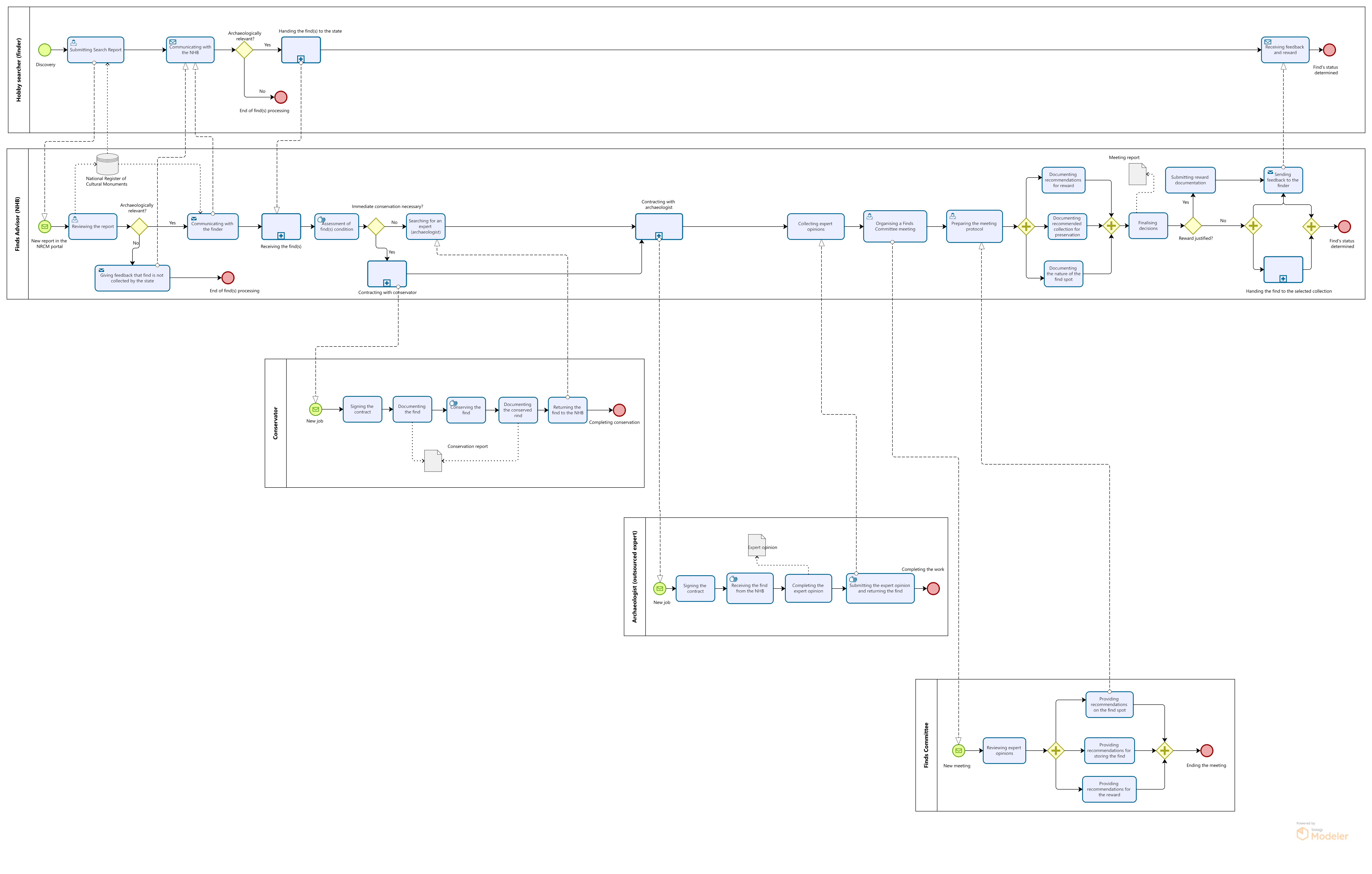
In the Estonian process (Figure 3), a central role is played by the Finds Advisor at the National Heritage Board, who coordinates the entire process and determines at the outset whether the find is of interest to the state. The Finds Advisor is in contact with the licence holders and is in charge of the preparation of all the important milestones of the process. If necessary, the advisor will arrange for the find to be sent for conservation and outsources experts who help to assess the significance of the find and find spot. Also, there is a special committee of archaeologists, Finds Committee, that advices the National Heritage Board on their decisions about the discovery. The licence holders have to submit their search notification (prior to search activity) and reports about their searches to the National Registry of Cultural Monuments (NRCM) portal (Kurisoo and Smirnova 2025).
The Estonian model of managing hobby metal detecting is top-down and coordinated by a single state institution, the National Heritage Board, which is responsible for overseeing the entire process. As such, it scores 5 points on the centralisation scale (Table 1). Although hobbyists report their finds through the NRCM portal and receive initial feedback on their discoveries, the portal lacks several key features. These include, for example, retrieving information about individual finds or providing access to this data for different user profiles (Kurisoo and Smirnova 2025; Lewis et al. 2025). Consequently, digitisation is given a score of 3 (Table 2).
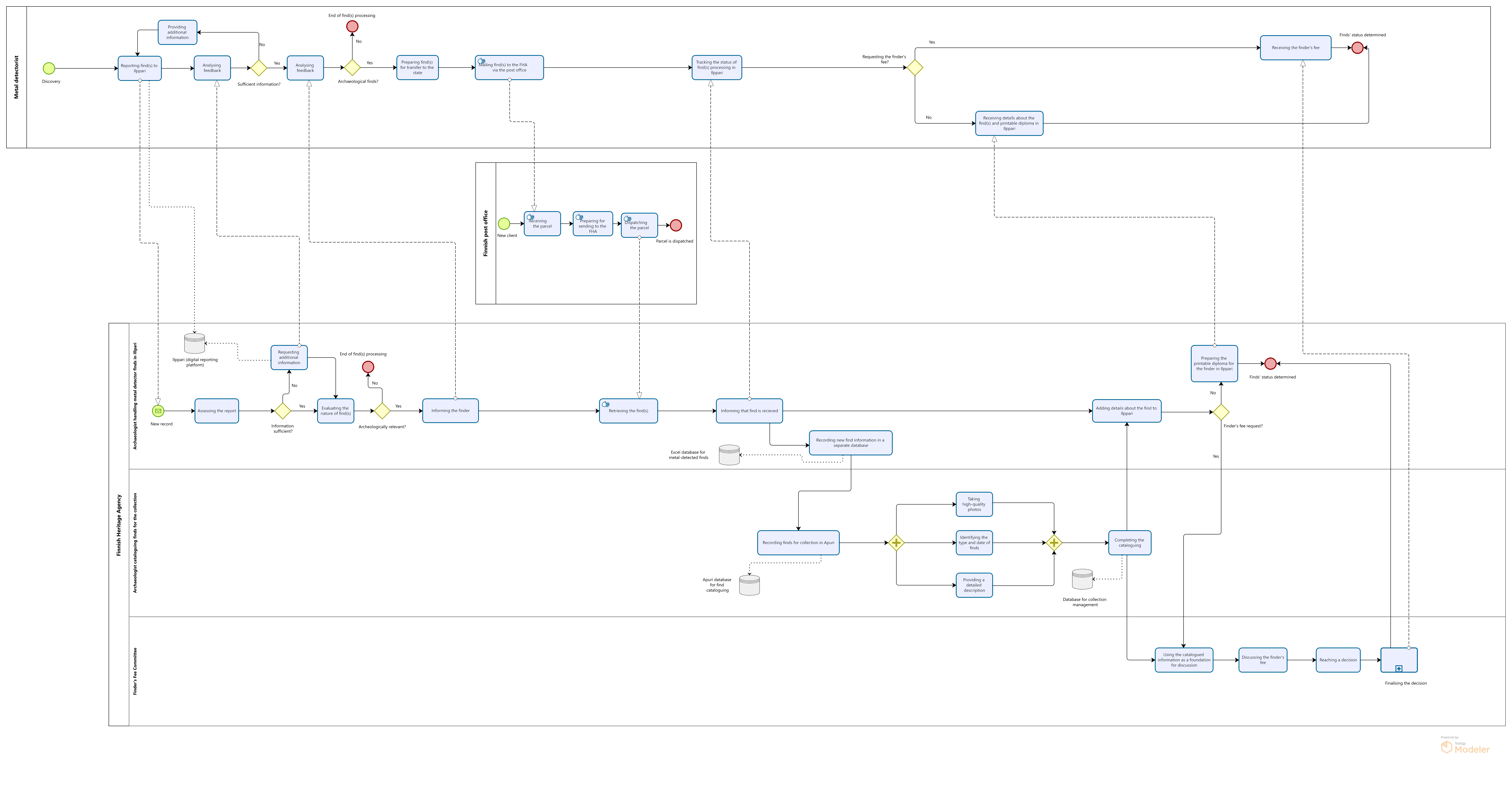
In Finland, metal detecting is permitted in all areas where it is not explicitly prohibited by law, land use restrictions, or other regulations (Maaranen 2016). Hobbyists are advised to make an agreement with the landowner and are generally required to stop searching if they discover an object believed to be at least 100 years old. In such cases, the Finnish Heritage Agency (FHA) must be contacted (Maaranen 2020; 2016). It is recommended to use the electronic Ilppari reporting service to inform the FHA of the discovery (Finnish Heritage Agency n.d.a). Finders are asked to provide information about the findspot and any other relevant details, and to indicate whether they wish to donate their findings to the collections of the National Museum of Finland or offer them for acquisition. Finds can also be sent directly to the FHA by post, free of charge (Finnish Heritage Agency 2025b; Figure 4)
Besides the Ilppari portal, the FindSampo and CoinSampo portals should also be mentioned. FindSampo was developed to provide digital solutions aimed at improving the management, accessibility, and democratisation of cultural heritage data, particularly in response to the growing popularity of metal detecting (see Rantala et al. 2022). While the original intention was to use FindSampo for all stages of research and reporting, and Ilppari for legacy data (Hassanzadeh et al. 2020), Ilppari currently functions as the primary reporting portal. FindSampo is now regarded more broadly as a platform for disseminating archaeological discoveries to the public and for supporting citizen science, and its semantic portal enables users to search the data and perform custom analyses (Wessman and Oksanen 2022). CoinSampo is a prototype cultural heritage service that opens data on numismatic citizen finds reported in Finland between 2013 and 2023. It is a Linked Open Data service and semantic web application that provides semantically enriched, structured access to this material to support archaeological and numismatic research (Rantala et al. 2022). Both portals were developed as scientific data-service demonstrators and proof-of-concept models; however, due to resource limitations, neither has been adopted by the FHA for sustained development, maintenance, or updating beyond the initial data releases made at launch (Oksanen and Wessman 2025).
Although Ilppari, FindSampo and CoinSampo address the needs of different target groups by offering a broad range of functionalities, but they are not operated as an integrated system by the FHA. Consequently, Finland receives a score of 4 on the digitalisation scale (Table 2). As the Finnish Heritage Agency is responsible for processing reporting information, managing cataloguing tasks (i.e. recording and maintaining the data), and coordinating communication with finders as well as handling compensations, the Finnish model is characterised as highly centralised and is given 5 points on the respective scale (Table 1).
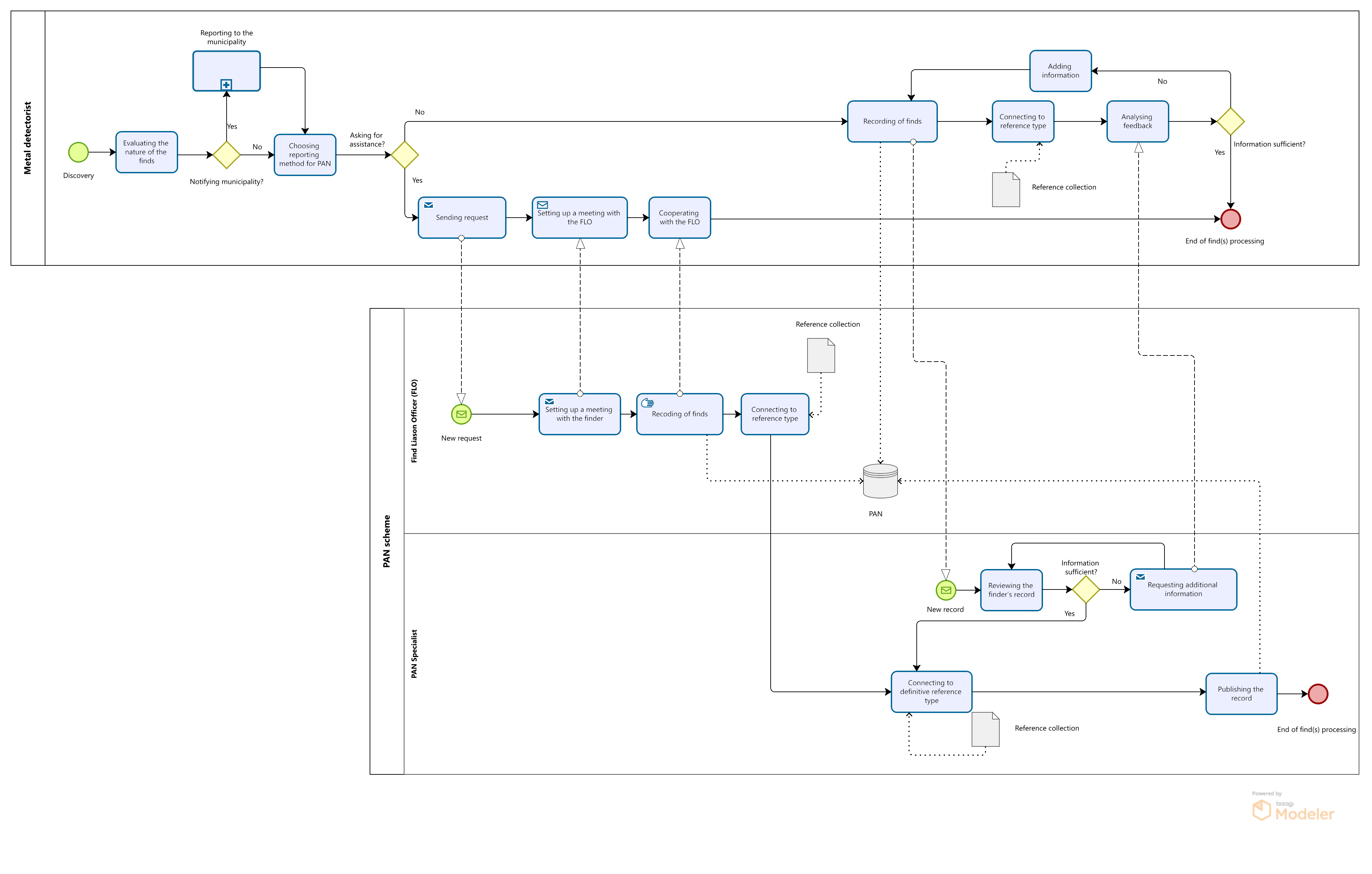
Since 2016, private individuals have been allowed to use metal detectors to search for finds in the topsoil (up to 30 cm), provided they have the landowner’s permission (Vos et al. 2018). However, metal detecting is not permitted on archaeological monuments and sites, and some municipalities have additional restrictions (Heeren 2021). All discovered finds must be declared to the Minister according to the Dutch Heritage Act, though in practice, they are reported to the Heritage Agency (Wessman et al. 2023; Heeren 2021). Although the law does not clearly define which finds qualify as archaeological, it is generally expected that finders will not report modern or non-archaeological objects. The process is slightly more complex in the case of a treasure find, which must be reported also directly to the municipality (Heeren 2021). This specific procedure is not reflected in the model used in this research, as it differs from more common reporting practices (Figure 5).
While reporting is mandatory, finders are not necessarily required to enter the information into the PAN (Portable Antiquities of the Netherlands) database themselves. They may receive assistance from Find Liaison Officers who help document the discoveries (Kars and Heeren 2018). Additionally, the records are reviewed by specialists with expertise in specific periods of archaeological finds (Figure 5). The validation process means that finds specialists link recorded artefacts (except coins) to standardised reference types, which increases the consistency of records. However, not all the find types have their reference types yet, which increases their processing time (Kars and Heeren 2018). In 2022, the PAN scheme became a permanent part of the Netherlands’ heritage infrastructure. It is now managed by the ArcheoHotspot Foundation and operated from the National Museum of Antiquities in Leiden (Carpentier 2022).
Hobby metal detecting in the Netherlands is considered to be fairly centralised with a score of 4 on the centralisation scale (Table 1). This is due to a greater number of regional exceptions compared to Estonia and Finland. In particular, there are regional differences in where metal detecting is permitted, and treasure finds must also be reported to local municipalities. The digitisation score is also relatively high at 4 points (Table 2) as certain types of discoveries are also reported outside of the PAN and not all finds have their reference types yet.
Legislation does not explicitly regulate the use of metal detectors by private individuals in the Czech Republic (Mařík 2013). Official permission to conduct archaeological fieldwork is granted only to the Archaeological Institutes of the Academy of Sciences, which partly act as state authorities. Other non-profit organisations or individuals may also apply to the Ministry of Culture for permission to conduct fieldwork, with the approval of the Czech Academy of Sciences, provided they meet certain professional criteria (Komoróczy 2022). Despite the legal restrictions, the unregulated use of metal detectors by private individuals has persisted for years (Mařík 2013) leading archaeologists to recognise the need to provide a legal framework for cooperation (Pajdla et al. 2023).
The two Institutes of Archaeology of the Czech Academy of Sciences, in Prague and Brno, have long been working to foster and formalise cooperation between archaeologists and metal detectorists in the Czech Republic (Pajdla et al. 2023; Komoróczy 2022). An important development in this process was the launch of the Portal of Amateur Collaborators and Register of Individual Finds (AMCR-PAS) in 2021 (Pajdla et al. 2023). A key component of this system is the Archaeological Map of the Czech Republic (Kuna et al. 2017), which serves as a comprehensive digital system for monitoring archaeological fieldwork. In addition to supporting tasks such as reporting, fieldwork management, and other activities, it also has a feature that allows collaborators from licensed archaeological organisations to document individual finds as part of survey projects (Pajdla et al. 2023). Information on licensed organisations is displayed separately in the form of a map of archaeological organisations (Pajdla 2024).
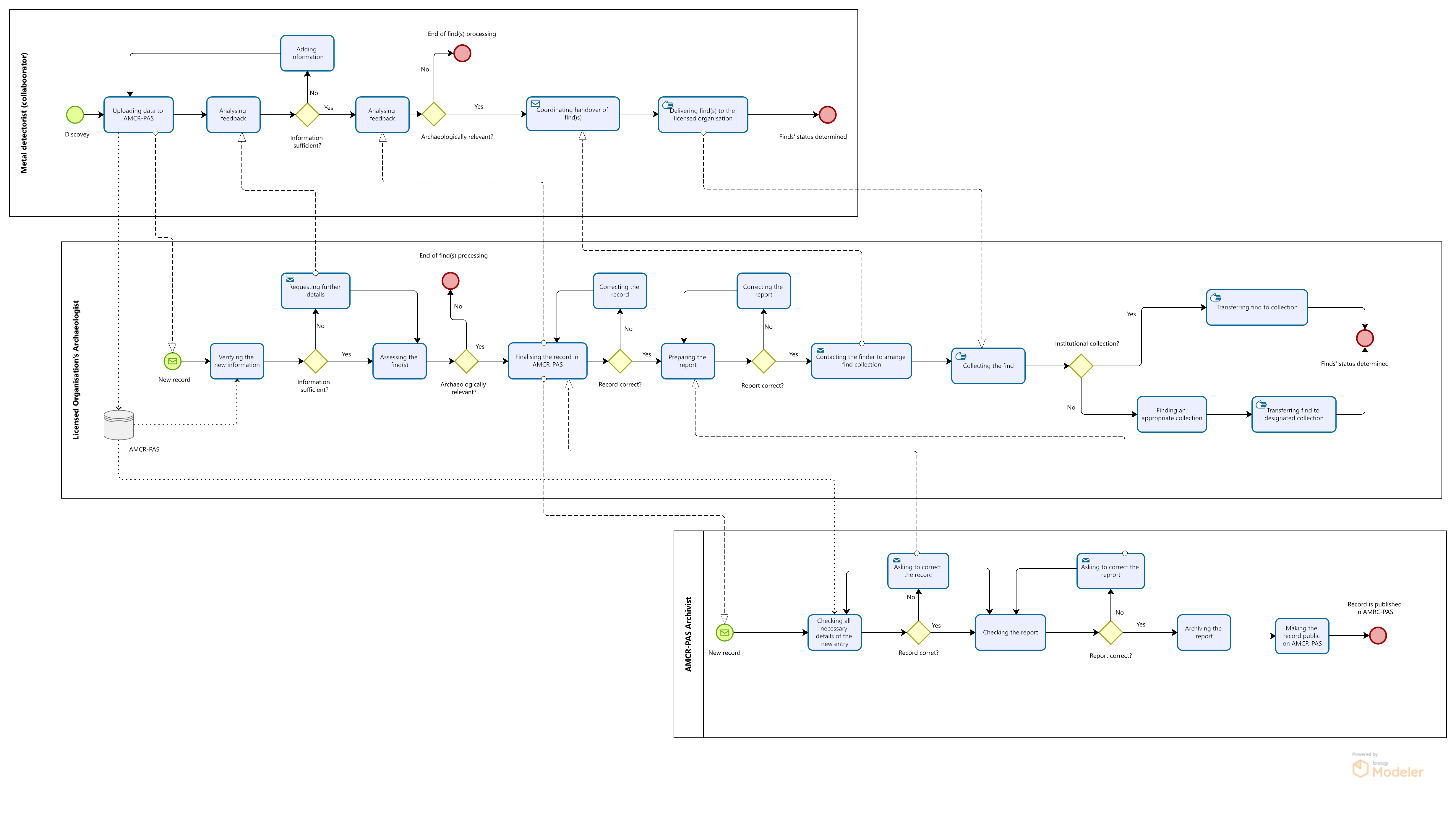
The current collaborative model allows amateur detectorists to report their finds in a legal and systematic way by working with (regional) licensed archaeological organisations (Figure 6). A collaborator may only engage in search activities once an archaeologist from a licensed organisation has established a project within the AMCR-PAS portal, formalised a cooperation agreement with the collaborator, and linked them to the project within AMCR-PAS (Pajdla et al. 2023). The AMCR-PAS portal is specifically designed to collect and preserve data generated through citizen science collaboration. Different user groups are granted different levels of permission to view and use these data (Pajdla et al. 2023). Collaborators are required to create an account, and professional archaeologists from licensed organisations review records submitted by participating metal detectorists. Once the record has been reviewed and approved, it is further evaluated by the AMCR archivist, who publishes the record if the information submitted meets the required standard of quality (Pajdla et al. 2023; Figure 6).
Taking into account that metal detectorists have to cooperate with a licensed organisation, and that the number, capacity and willingness of these organisations to cooperate varies across the Czechia, it seems most accurate to assign a centralisation score of 3 points (Table 1). The digital infrastructure of the AMCR-PAS is quite digitally advanced, scoring 5 points (Table 2), and serves as a model for other countries.
Illegal metal detecting has been a serious issue in Hungary, as the law does not permit hobbyist metal detecting (Rácz 2024; 2017). Currently, the only legal way for private individuals to use metal detectors is through cooperation with museums (Rácz 2024; 2017). However, not all museums have the necessary knowledge, procedures, or trained personnel to facilitate this option for interested parties. Additionally, there may be a degree of distrust between metal detectorists and museums (Bakos 2020; Rácz 2017). Nevertheless, the restrictive model has not been effective in protecting archaeological sites. In response, several regional museums have developed cooperation models for hobbyist metal detecting, allowing individuals to legally engage in this activity (Rácz 2024; Bakos 2020; Rácz 2017).
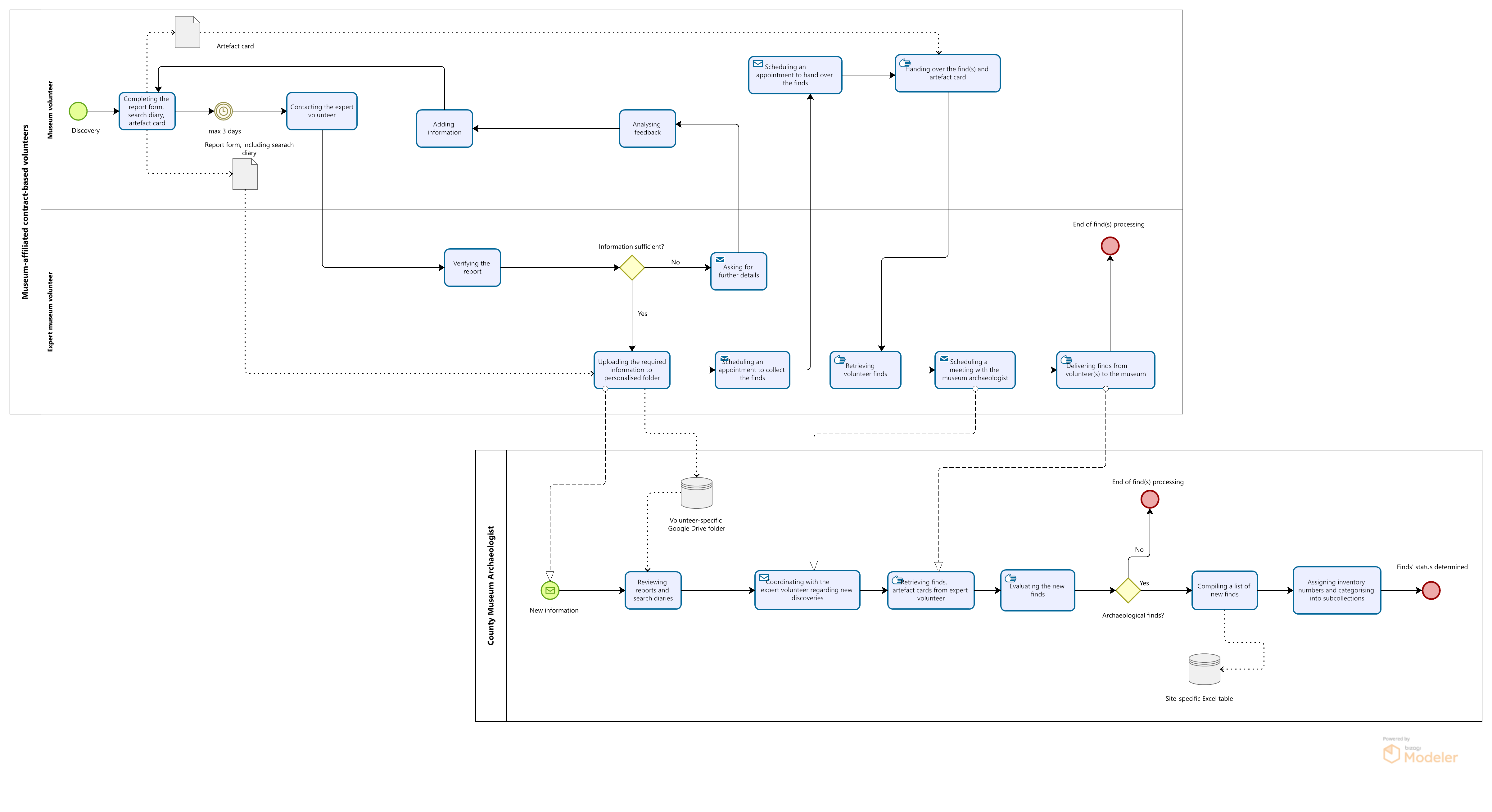
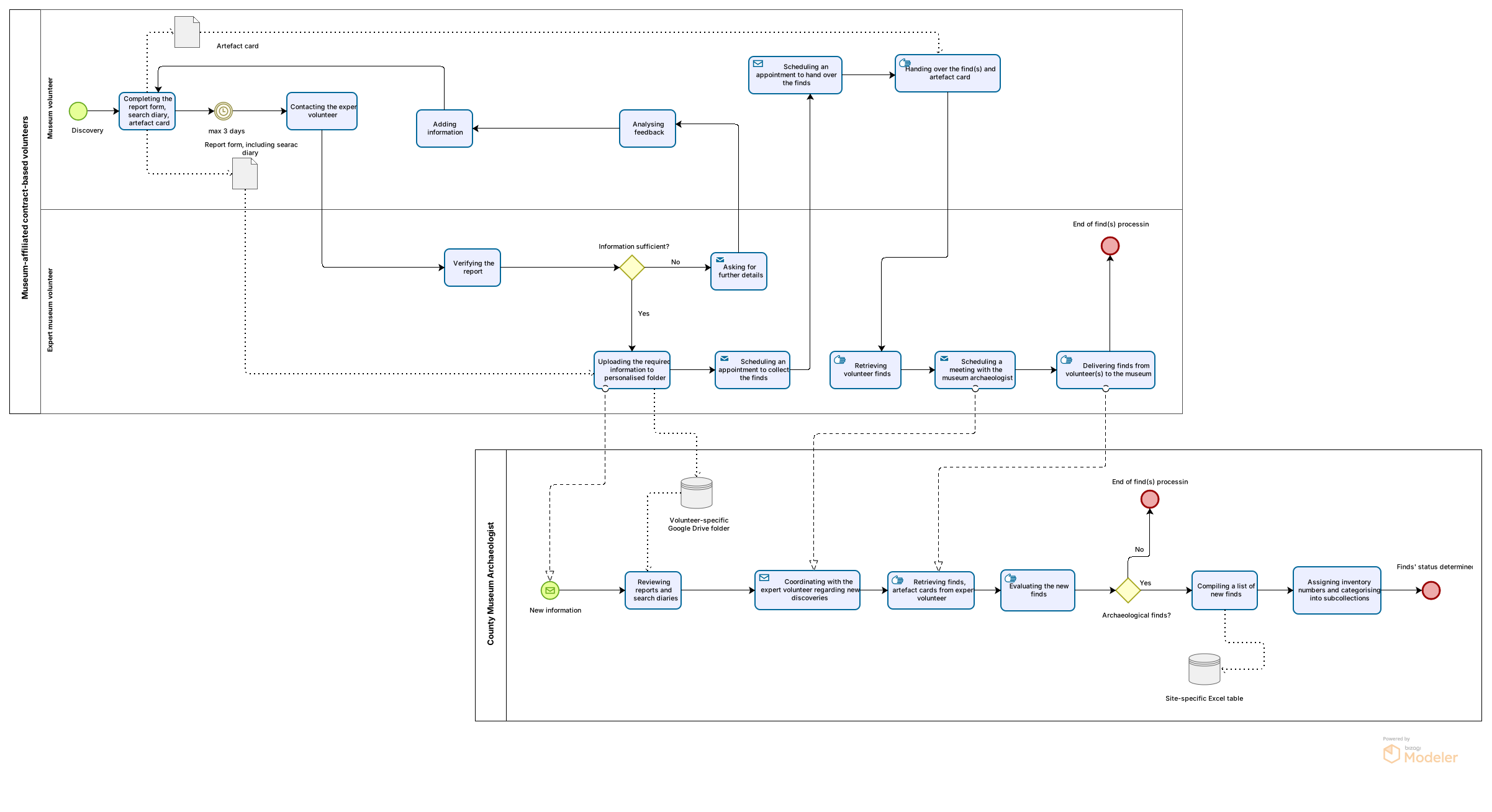
This study focuses on Pest County, which has been collaborating with local metal detectorists for over a decade. The county has established clear procedures for cooperation and the management of metal-detected finds. To become a museum-affiliated volunteer, hobbyists must complete two years of consistent participation in the archaeological topography programme, as well as take part in archaeological excavations and cultural events organised by the Ferenczy Museum Centre (Rácz 2017). Only after meeting these requirements can individuals proceed with the process outlined in this paper (Figure 7).
Museum-affiliated volunteers must adhere to strict rules when conducting landscape surveys, whether or not archaeologists accompany them on-site. Additionally, some highly experienced volunteers take on the role of ‘expert volunteers,’ assisting museum archaeologists in managing the volunteer system. They help review initial reports, deliver finds to the museum, and handle most of the day-to-day communication. Of course, the museum archaeologist reviews the reports and search diaries, supervises the process, and intervenes if necessary. However, due to long-term prior engagement, volunteers, especially expert volunteers, have generally performed well, allowing museum archaeologists to focus primarily on the finds that reach them (Figure 7).
The bottom-up regional cooperation model in Pest County therefore receives 2 points on the centralisation scale (Table 1). Understandably, such a model, which emphasises the positive engagement of metal detectorists and provides legal avenues for their cooperation through community archaeology programmes, has different priorities than centralised models, which include the development of a separate digital infrastructure for reporting and/or recording. Consequently, the digitisation score is rather low, only 2 points (Table 2), as a dedicated portal for recovered artefacts is not a pressing need and recording schemes and tools such as shared cloud folders and email are currently being used for this purpose.
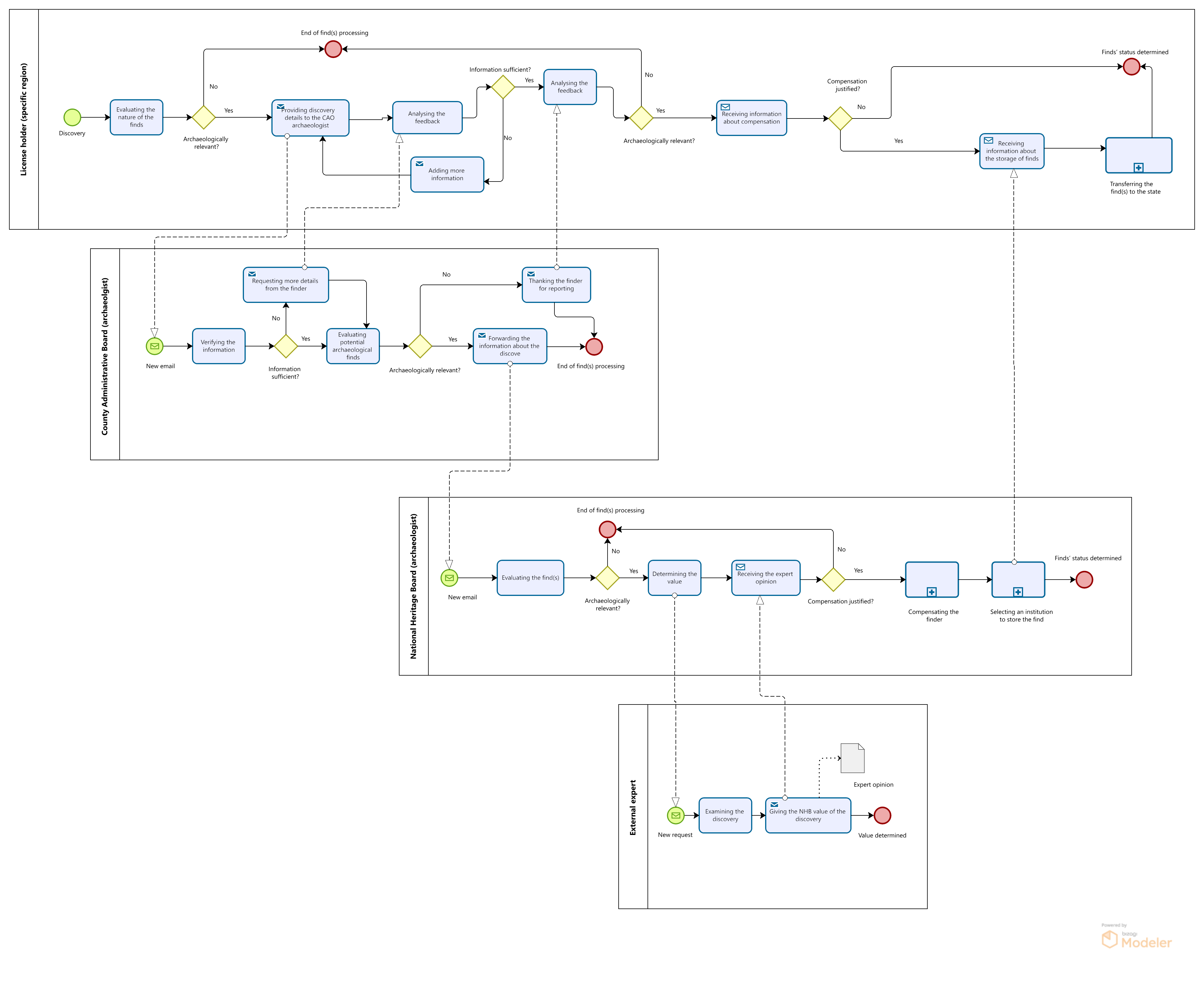
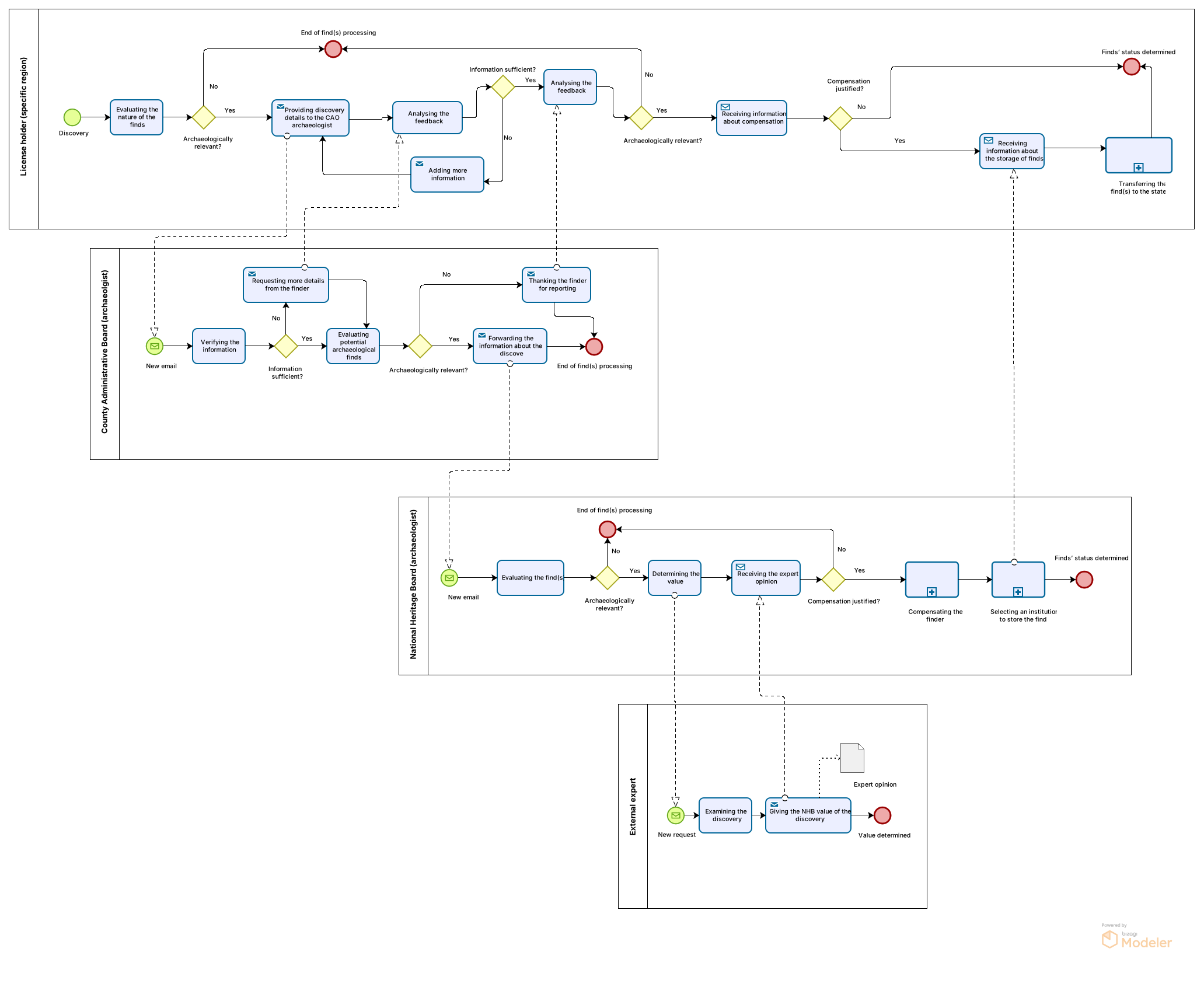
Sweden takes a highly restrictive approach to hobbyist metal detecting and the focus has been on professional use of metal detectors by trained archaeologists (Lingström 2014). Private individuals may use metal detectors only if they have received a license, and the purpose of their search must be to locate objects dating from after 1850 i.e., non-archaeological items (Länsstyrelsen Örebro n.d.a; Lingström 2016). Licenses are typically granted for areas such as beaches, where there is a low risk of encountering archaeological material (Jansson and Edlund 2020).
Although metal detectorists are occasionally included in research projects, assisting archaeologists and thereby practicing their hobby in cooperation (Jansson and Edlund 2020), there is only modest interest in licensing among hobbyists. This is partly due to the application fee (currently 990 SEK; Länsstyrelsen Örebro n.d.b) and the fact that receiving a permit is not guaranteed. The County Administrative Board (CAB) must assess each application area and if the CAB suspects that archaeological material might be present, a permit will not be issued (Vacher 2022; Lingström 2016).
If a license is granted, the applicant is required to report any finds to the CAB (Vacher 2022). In the case of archaeological finds, especially those made of gold, silver, or copper alloy, the discoveries must be reported to the National Heritage Board, which then evaluates the find, determines its legal status, and assesses any compensation for the finder by outsourcing an expert (Lingström 2016; Figure 8).
The Swedish model scores 3 points on the centralisation scale (Table 1) because the County Administrative Board has primary responsibility for issuing permits, assessing finds and communicating with the finder (Figure 8). However, the final decision on the status of a find remains the responsibility of the National Heritage Board. The digitisation score is 1 (Table 2), as the restrictive approach to hobby metal detecting does not encourage the discovery of archaeological finds. As a result, the process described in this study is rather exceptional and there is no perceived need for more advanced information systems.
This section presents the typology based on the conceptual model, analysis of the BPMN models, followed the results of the website analysis. These findings provide the basis for a broader discussion of how different countries have addressed the management of hobby metal detecting finds in accordance with their respective legal frameworks.
One of the central aims of this research is to provide a broader conceptual typology for positioning regulatory frameworks across Europe. The diversity of national approaches, from locally developed, bottom-up collaborative frameworks to highly centralised and regulated systems, provides a valuable comparative perspective. Both the degree of centralisation and the integration of digital tools proved to be useful analytical dimensions for this purpose (Figure 9).
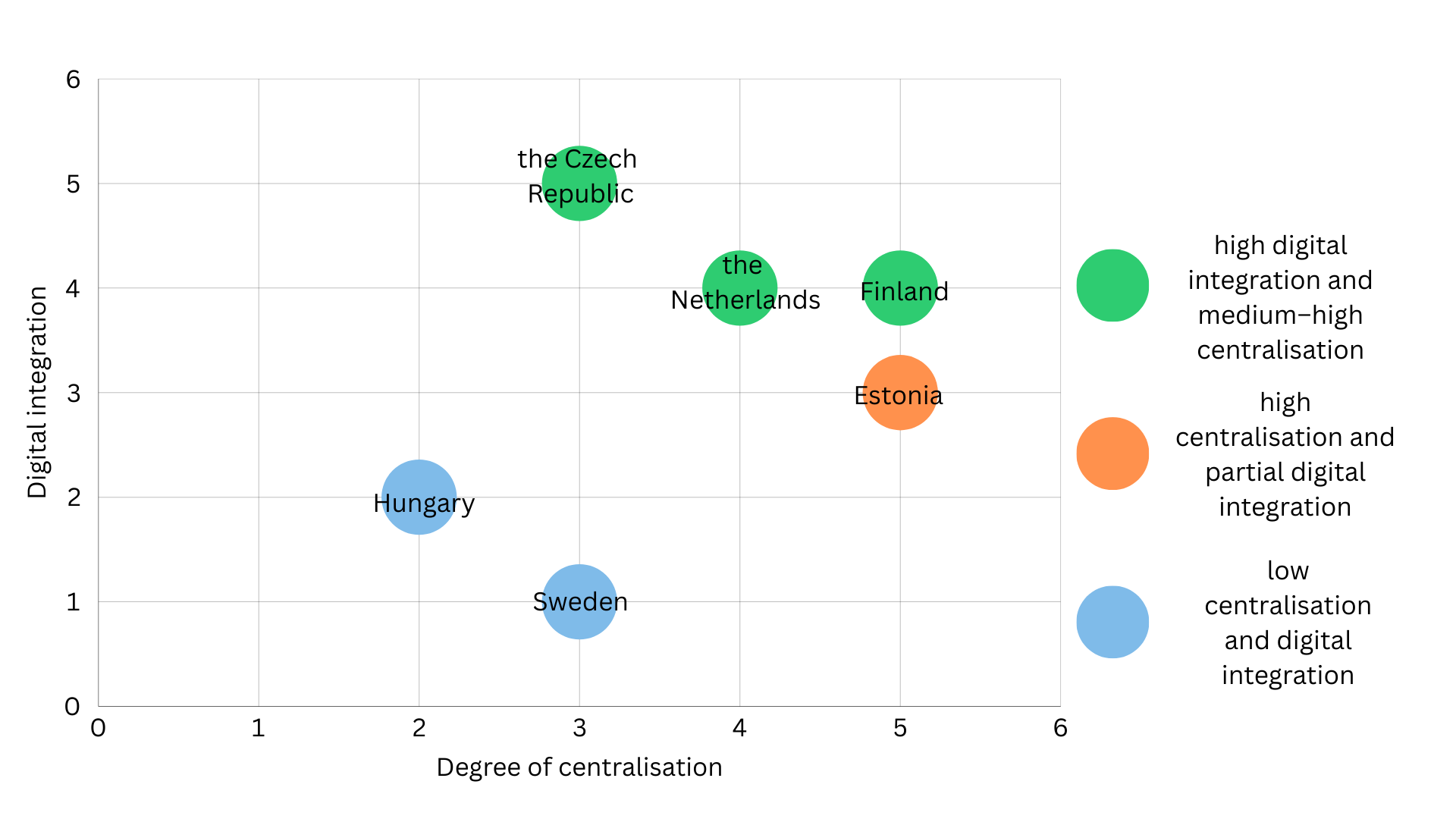
The case studies plotted into three groups (Figure 9). Finland, the Netherlands, and the Czech Republic form one group, representing the most digitally advanced countries. However, there are notable differences in how metal detecting is regulated and in which institutions are responsible for managing related information. Although Estonia's level of centralisation is similar to Finland's, its level of digital integration is lower, which puts it slightly behind the leading group. Hungary and Sweden make up a distinct group characterised by a strong regional approach and relatively low levels of digital integration. As previously mentioned, the Swedish system does not foresee the reporting of archaeological finds, which explains why only the most basic digital tools are employed.
It is important to stress that these results should be interpreted with caution, as the framework may give the impression that high levels of centralisation and digitalisation inherently lead to the faster processing of recorded information. As discussed below, analysis of the BPMN elements reveals that seemingly well-structured, top-down processes can, in practice, be highly complex. The pace of these processes often depends on only a few archaeologists, which in turn creates bottlenecks and delays and, in some cases, proves to be more complex and time-consuming than regional models (Table 3). This issue is further exacerbated when a key individual leaves an institution, which causes additional setbacks to the process (see Kurisoo et al. 2025). Administrative institutions and their performance are often regarded as the most critical factor contributing to ineffective heritage management, although the underlying reasons can vary from overly hierarchical structures to a basic lack of trained personnel (Seila et al. 2025).
It is likely that larger or more densely populated a country is, the greater the number of hobbyists tends to be, resulting in increased pressure to handle reported finds and information. On the one hand, accelerating these processes often requires relinquishing a degree of control over the data. This could involve, for example, placing greater trust in hobbyists’ assessments within reporting portals or relying more heavily on ‘expert volunteers’, as is the case in Hungary. There have also been proposals to involve archaeology students more actively (e.g. Kurisoo et al. 2023) or to take advantage of recent technological developments such as machine learning applications (Lewis et al. 2025). The reference model used in the Netherlands provides a promising foundation for such developments (see also Carpentier 2022). Also, both the Czech and Finnish systems are progressing in this direction, placing strong emphasis on ontologies and interoperability solutions that align with Semantic Web approaches (e.g. Pajdla et al. 2023, Oksanen et al. 2022; Hyvönen 2020). On the other hand, countries where metal detecting is organised through some form of regional cooperation benefit from being able to regulate the number of detectorists according to their available capacity. These regional models often feature a higher archaeologist-to-detectorist ratio, which allows for more efficient data review and better communication with hobbyists. However, such limited cooperative structures do not fully accommodate all potentially interested hobbyists, increasing the risk of unregulated activity and potentially encouraging illegal metal detecting.
For countries that have not yet established formal recording systems or collaborative models for managing metal-detected heritage, the typology developed in this paper provides a valuable starting point for reflection and planning. The case studies show that high levels of centralisation (scores 4–5) and digital integration (scores 4–5) can provide a strong foundation, but do not in themselves guarantee seamless and speedy processes. In top-down models with open access to hobby metal detecting (i.e. without strict entry requirements), at least a partial digital infrastructure (score 3) is needed to support reporting and recording, as the volume of data submitted by hobbyists can quickly exceed initial expectations. Although regional collaborative models (scores 2–3) have certain advantages, such as the ability to tailor participation to local capacity and to create legal pathways for a practice that is likely to occur anyway, these models may struggle or even fail to reach all interested participants. Conversely, bottom-up approaches offer the advantage of designing the system around the needs of stakeholders. They can also serve as stepping stones to more centralised or digitally integrated systems, should such a transition become feasible in the future.
In BPMN models, pools represent the organisations involved in a process. Activities can be understood as sub-processes forming hierarchical systems. Gateways indicate decision points where alternative paths are possible. Every process must include at least one end event, although in practice there are usually several. For instance, a detectorist may either find an artefact or not; it may or may not be archaeologically relevant. See the quick reference guide for the symbols used in the models (Bizagi n.d.) Real processes tend to be complex, which impacts modelling efforts and frequently leads to the incorporation of a significant quantity of BPMN elements (Lopes and Guerreiro 2023). What constitutes a 'normal' number of elements remains debatable. In an extensive study involving 54,500 models, Compagnucci et al. (2024) observed that some contained exceptionally high numbers of elements. Their analysis revealed considerable variation in the total number of elements in process collaborations: the maximum exceeded 3,000, while the average was 32 and the median 41. In light of the results of this comprehensive study, the number of BPMN elements used in the modelled processes discussed here can be considered fairly typical on a broader scale.
The analysis of the BPMN models shows significant differences in the handling of metal-detected artefacts across Europe (Table 3), as expected given the differences in national legal frameworks. The most notable variation appears in the number of activities, with an average of 24.17 and a standard deviation of 6.41 (SD/AV= 0.27). Gateway elements also show considerable variability, with an average of 6.83 and a standard deviation of 2.85 (SD/AV= 0.42), indicating differences in process logic and decision points between countries. The average number of actors is 3.83, suggesting that, in addition to the finder, several institutional actors are regularly involved in the processing of information. The average total number of process elements 42.67 suggests that workflows tend to be complex, involving multiple activities, decision points and actors. Processes tend to be less complex when artefacts remain with the finder (e.g. the Netherlands) or are retained by the institution overseeing the system (e.g. the Pest example in Hungary). This is also reflected in the number of pools and actors, which correlates with the overall structural complexity and hierarchy of the workflows.
| Pools | Activities | Gateways | Actors | Endings | Total | |
|---|---|---|---|---|---|---|
| Estonia | 5 | 35 | 10 | 5 | 7 | 62 |
| Finland | 3 | 30 | 8 | 5 | 5 | 51 |
| The Netherlands | 2 | 17 | 4 | 3 | 2 | 28 |
| Czech Republic | 3 | 24 | 9 | 3 | 5 | 44 |
| Hungary (Pest) | 2 | 19 | 2 | 3 | 3 | 29 |
| Sweden (Örebro) | 4 | 20 | 8 | 4 | 6 | 42 |
| AVG | 3.17 | 24.17 | 6.83 | 3.83 | 4.67 | 42.67 |
| SD | 1.17 | 6.41 | 2.85 | 0.9 | 1.7 | 11.88 |
| SD/AV | 0.37 | 0.27 | 0.42 | 0.23 | 0.36 | 0.28 |
Estonia stands out with the highest number of pools and activities, as well as the highest total number of elements (Table 3). The complexity of the Estonian model is directly related to the involvement of several external stakeholders, including outsourced experts, conservators and an expert advisory committee (Figure 3). As noted above, the digital infrastructure in Estonia only partially supports the needs of the system, highlighting the importance of strong digital integration in managing workflows of this scale. The Finnish model is also relatively complex (Figure 4), consisting of 30 activities and eight gateways (Table 3). As in Estonia, the process is managed internally by the Finnish Heritage Agency. In both cases, archaeological finds are owned by the state, which adds additional steps to the processing and management of information. Whether parts of the workflow are outsourced or the entire process is managed in-house, where there are numerous activities and decision points, such frameworks tend to be more time consuming and administratively demanding than others. This often leads to delays in the processing of finds (see also Lewis et al. 2025).
The Netherlands has the leanest process model, with 17 activities, two pools and three actors (Table 3). However, there are procedural differences in the handling of treasure finds (see above), and ownership of finds often remains with the finder (and landowner), which has a direct impact on the structure of the workflow and makes it shorter than in other cases examined. (Figure 5). The process model for the Czech Republic is close to the data set average (Table 3; Figure 6), indicating a moderately complex system. It appears to be more efficient than the highly detailed top-down workflows. The feasibility stems from the nature of the collaborative model, with a limited number of hobbyists and more archaeologists involved, and benefits from strong digital integration and manageable centralisation. The example of Hungary (Pest) is the most decentralised model and can be characterised as a locally developed cooperation framework. It is one of the least complex systems in the dataset, reflected in the small number of actors and pools and the process appears to be well adapted to local needs (Figure 7). Interestingly, Sweden (Örebro) has an above-average number of process elements, despite the fact that reports of metal-detected finds are rare. This suggests that when archaeologically relevant discoveries do occur, the system places a strong emphasis on assessment and review, particularly as such discoveries are owned by the state (Figure 8).
The results show that there is no single optimal model for the management of metal-detected finds, particularly given the wide variation in legal obligations, ownership rights and if finders are entitled to rewards or compensation. Whether a system is highly centralised or based on locally developed collaborative models, the overarching goal remains the same: to ensure that reported data is of high quality and that as much valuable information as possible is collected and preserved.
To add another layer to the understanding of the processes in question, it is also important to consider how regulatory information is communicated to the public. The information analysis section (using methods adapted from document analysis, see above) examines the availability, clarity and comprehensiveness of online information relating to the legal and procedural frameworks governing metal-detected artefacts (Table 4) The results are presented as a series of radar charts, each representing a different thematic dimension relevant to responsible and compliant metal detecting. Each chart contains four or five assessment categories, scored on a 0–3 scale (Table 4), which help to illustrate how public information resources support the objectives of the different models of hobby metal detecting analysed in this paper.
| Scale | Label | Explanation |
|---|---|---|
| 0 | No information available | There is no information on the studied webpage |
| 1 | Basic information | Information is very brief, usually a sentence or a few |
| 2 | Overview of the topic | Short text that explains the topic (often a few paragraphs of text, or a separate landing site) |
| 3 | Detailed explanations and extensive supplementary materials | Detailed explanation, often separate landing page or separate (downloadable) guidelines/documents/leaflets. Additional information is provided on wider or related topics |
| Websites and supplementary information examined | ||
| Estonia | (Muinsukaitseamet n.d.a; 2025b; 2025c) | |
| Finland | (FindSampo; Finnish Heritage Agency n.d.a; n.d.b; Maaranen 2020) | |
| The Netherlands | (Portable Antiquities Netherlands; Heeren; 2021). | |
| The Czech Republic | (Archeologický ústav AV ČR 2026; 2021; Archeologická mapa České republiky 2024) | |
| Hungary (Pest) | Ferenczy Múzeumi Centrum | |
| Sweden (Örebro) | (Länsstyrelsen Örebro n.d.a, n.d.b) | |
In terms of legal and regulatory information, the Czech Republic stands out as the most comprehensive and accessible (Figure 10). It achieves the maximum score of 3 in all five categories, providing clear explanations and extensive supplementary material, reflecting the well-established regional models of cooperation between hobbyists developed in the country. Both Finland and the Netherlands achieve identical scores and, similarly to the Czech Republic, provide thorough explanations with supplementary materials of relevant rules and procedures. The only relatively low score for licensing is due to the fact that these countries do not have a formal licensing system or a structured cooperation model, rather than a lack of clarity. Estonia also provides a relatively comprehensive overview, but mostly in a concise form without additional information. Sweden, represented by the Örebro region, provides basic to moderately detailed information. While none of the categories are completely missing, the overall level of detail is limited. It should also be noted that the graph does not fully reflect the case of Pest in Hungary, where greater emphasis is placed on in-person educational programmes and collaborative activities. Many of the topics assessed in this analysis are thoroughly addressed during these sessions rather than online (see more in Rácz 2017).
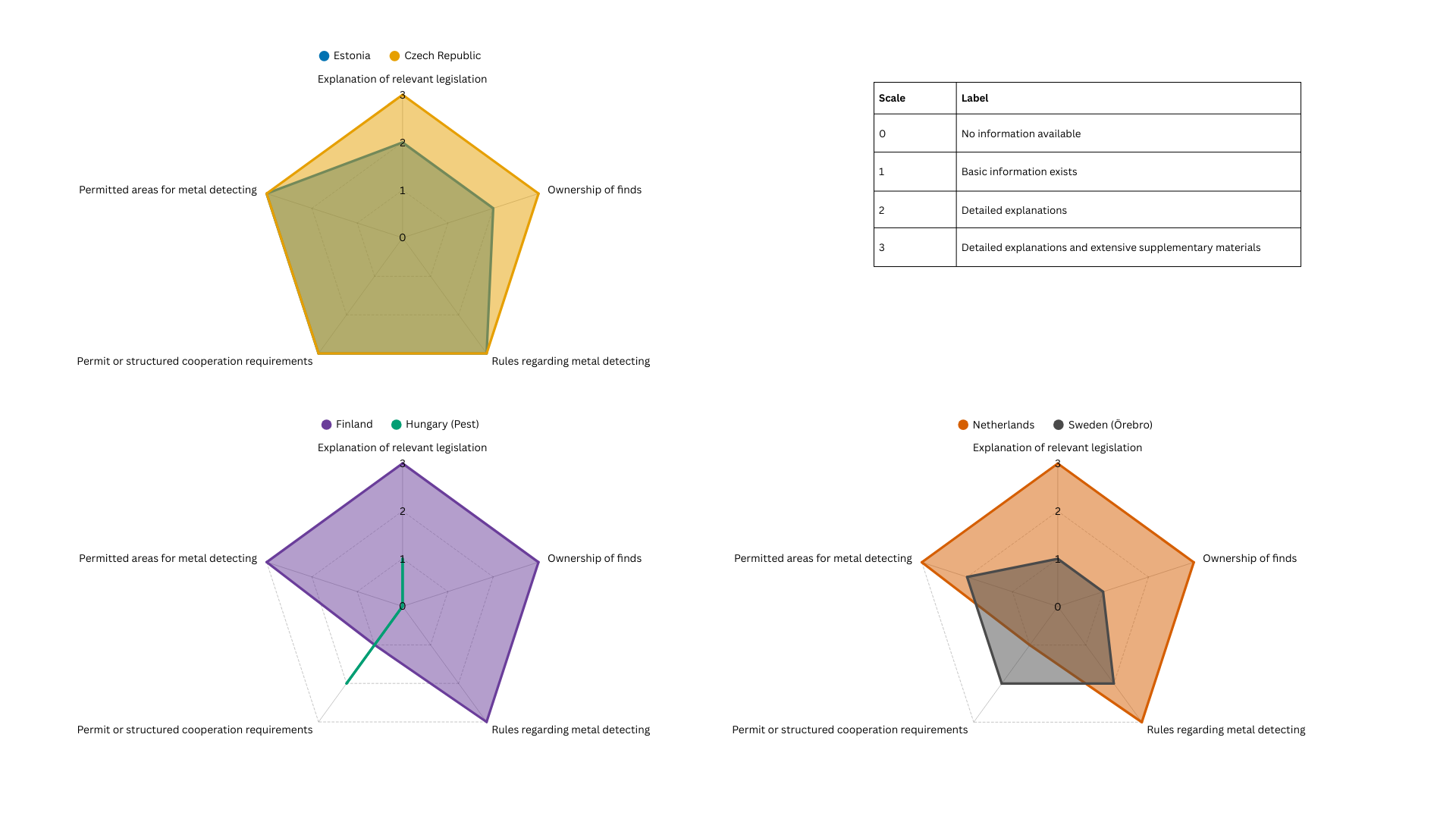
When it comes to reporting procedures, the Netherlands, Finland and the Czech Republic provide the most detailed information on reporting procedures (Figure 11). This suggests that user needs are prioritised and that the level of explanation and transparency provided is likely to encourage reporting and compliance. The Estonian National Heritage Board also provides relevant information, but lacks specific guidance on how to use the National Register of Cultural Monuments portal, where reporting actually takes place. Given that this portal is often affected by technical problems and has an outdated UX/UI design, as noted by many hobbyists (Kurisoo and Smirnova 2025), this is a clear gap in the information provided. The results also reflect the general situation in Sweden as described above. The restrictive nature of metal detecting practices there, combined with limited licensing, correlates with the minimal information available online. In the case of Pest County in Hungary, which operates a locally developed model with only a basic digital infrastructure for managing detector finds (see above), it is not surprising that these specific elements are not addressed on the surveyed website.
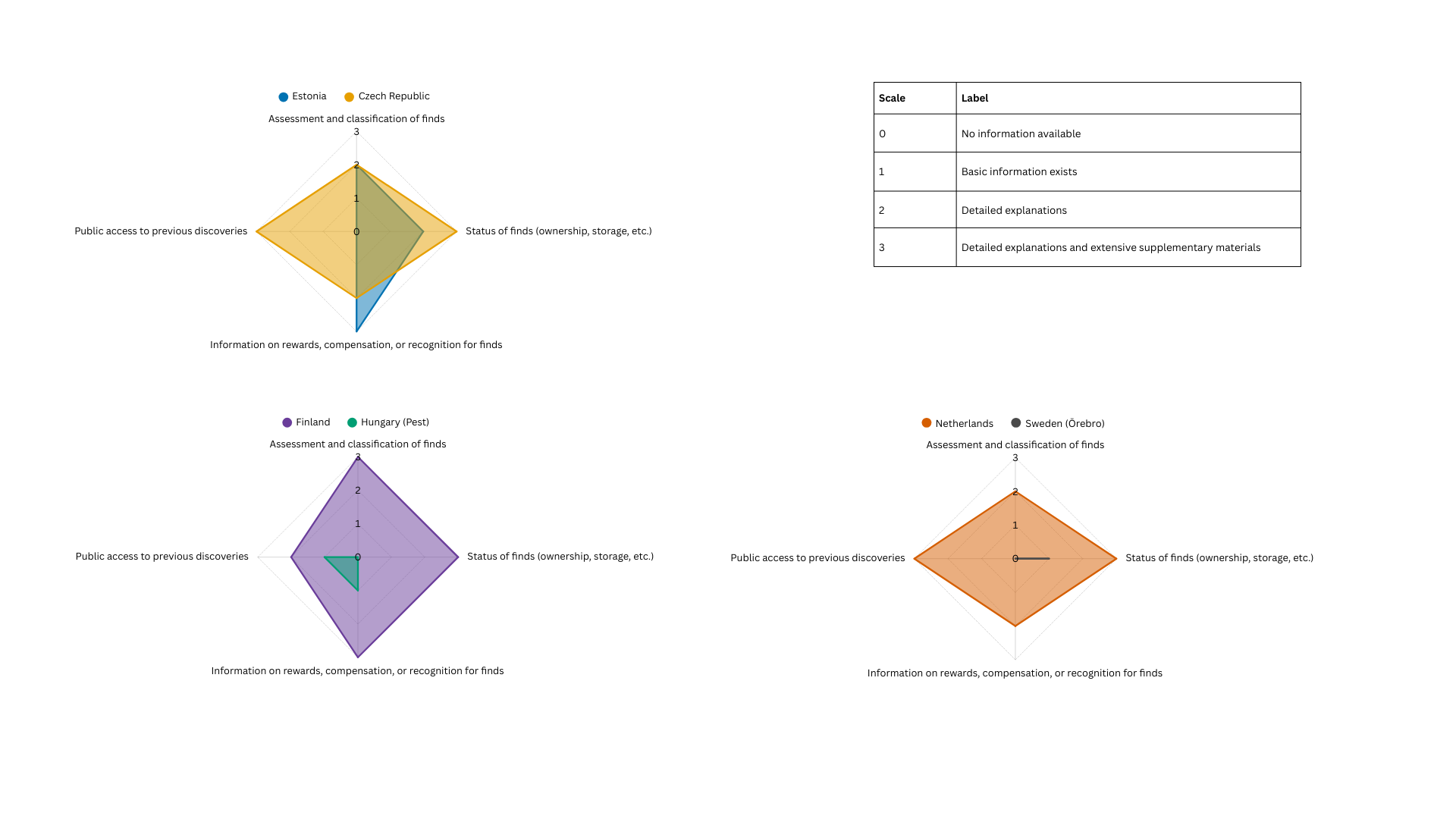
Lastly, the processing of reported finds along with the question of rewards, compensation, or other forms of recognition is examined (Figure 12). As in previous cases, Finland, the Netherlands and the Czech Republic provide the most detailed information, while Estonia lags slightly behind. However, Estonia stands out for providing the clearest explanation of the reward system. This process is legally defined and described in a separate official document (Muinsuskaitseamet 2025a), representing a relatively recent development in the country's approach to heritage management. The case studies from Sweden and Hungary score significantly lower, providing information on selected topics only, while the remaining aspects are not addressed at all on the websites analysed. It should be also noted that in the case of Pest County, the themes that are plotted are not directly mentioned on the examined homepage, but are indicated.
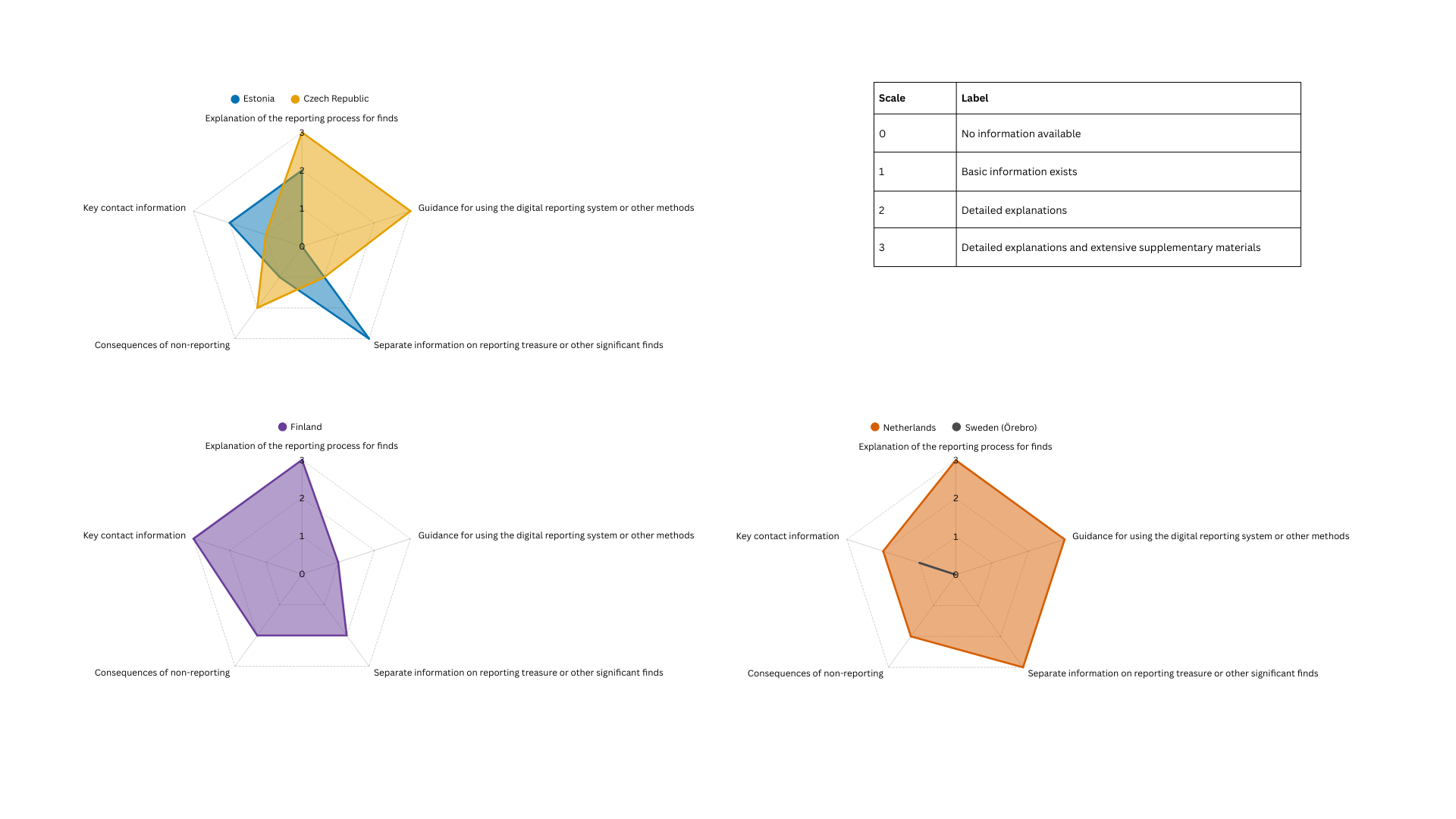
The analysis correlates well with the results of the conceptual model. More centralised approaches to hobbyist metal detecting, combined with advanced digital reporting and recording portals, tend to result in clearer communication of obligatory procedures and expectations regarding finder involvement. It is also noteworthy that the relevant websites are kept up to date with additional information, such as notices of delays in the processing of finds (e.g. Finnish Heritage Agency n.d.a). Such transparency not only manages expectations, but also signals to hobbyists that their contributions are valued, even if the system is currently under strain.
The publicly available online information on metal detecting varies considerably in both depth and format. Countries with more centralised and digitally mature systems tend to provide clearer and more comprehensive guidance on key issues such as legal obligations, reporting procedures and compensation. Although brief and concise descriptions can be effective in conveying essential information, more detailed explanations are valuable, particularly given the limited opportunities for staff to meet the communication needs of all detectorists. In theory, this should improve understanding, confidence and compliance among hobbyists by providing a broader context for reporting obligations and other requirements. In addition, providing supplementary materials or sharing the results of metal detecting discoveries with the public contributes to transparency and fosters a sense of shared responsibility (see also Wessman et al. 2023). In this regard, website content should be seen as an important component of heritage management strategy, particularly in systems that rely on active public participation in the reporting and preservation of archaeological finds.
Although business process management (BPM) and archaeology may appear to be unrelated disciplines, there are some conceptual overlaps. One such intersection is the approach known as ’business process archaeology’. In a manner analogous to traditional archaeologists, process ‘archaeologists’ examine legacy systems, such as databases and source code, to reconstruct and understand past organisational practices (Pérez-Castillo et al. 2011). While the analogy is primarily metaphorical, this study contributes to the BPM field by critically demonstrating the application of BPM and BPMN in the context of portable archaeological finds, a domain in which these methodologies are rarely applied.
As noted earlier, the discipline of BPM is at the intersection of computer science and management science as developers of information systems need to understand and model processes and information flows. According to the BPMN standard, information flows are modelled between organisations (the pools), but not between roles within organisations (the lanes). This is because most information systems serve users in several organisations, and the exchange of information between different organisations is more complex than within a single organisation. In the cases studied, the number of organisations involved (pools in Table 3) varied from two to five (averaging around three). Introducing 'process thinking' to an application area (such as archaeology) probably facilitates the development of information systems, which in turn supports digitalisation. The idea is not to make life easier for information systems developers – rather, user requirements should be their ultimate focus. Conversely, heritage policy designers should consider optimising necessary processes and associated information flows. Mutual understanding between these research and practice communities will benefit all stakeholders.
With regard to its still uncommon application area, this research engages with broader debates in heritage management, particularly those concerning centralisation versus decentralisation (Zan et al. 2007) and questions of effectiveness (speed) and ineffectiveness (Seila et al. 2025), while focusing specifically on challenges related to the management of metal-detected artefacts. Conceptually, it reaffirms widely accepted principles in BPM, such as the importance of context and culture. These are reflected not only in regulatory frameworks but also in broader societal attitudes towards metal detecting as citizen science. Some countries adopt more liberal top-down models, while others, operating under stricter regulation, have developed (local) bottom-up collaborative forms of engagement with metal detecting. The practical implications include a structured framework for systematically comparing different models currently used across Europe to process information about metal-detected artefacts. It focuses on variations in the degree of centralisation and the level of digital integration, along with the strengths and limitations of each approach. The BPMN process models discussed illustrate the handling of finds and associated information, encompassing both administrative procedures and data management. These models provide concrete tools for analysing and improving existing processes, as well as designing new ones. The importance of accessible and well-structured public information is also emphasised, particularly in building trust and ensuring compliance with reporting obligations.
The results demonstrate that there is no single model for handling detector finds. Each system reflects its own resources, institutional and legal frameworks, organisational culture and particular challenges, whether relating to high activity levels or limited engagement with hobbyist communities. What unites these systems, however, is a shared objective: to ensure that data generated through metal detecting is preserved, interpreted and made accessible in a way that meaningfully contributes to research and heritage management. Even within the constraints of limited resources and restrictive legislation, there is a recognised need to provide legal avenues for the use of metal detectors and for the collection and preservation of information provided by hobbyists. Simply banning metal detecting does not ensure the preservation of archaeological heritage (Dobat et al. 2020). Systems that enable hobbyist metal detecting can vary in scale and follow different local practices. Often, they have limited digital capacity and modest means of disseminating information. Nevertheless, they provide a basis for improving practices over time. Furthermore, the use of BPMN and careful consideration of communication strategies enables meaningful comparisons to be made between different heritage management approaches and highlights how systems can be adapted to better reflect their specific legislative, cultural and organisational contexts.
This work was supported by the Estonian Ministry of Culture as part of the Estonian Cultural Research and Development Programme 2023–2026, project no. KUM-TA 4. The authors would like to express their sincere gratitude to all the experts who shared information about the management of metal-detected artefacts in their respective countries and contributed to the validation of the models. In particular, we thank Róbert Antal (Czech Academy of Sciences, Brno) and his colleagues; Andreas Jansson (Örebro County Administrative Board) and the Swedish National Heritage Board for email correspondence; Nele Kangert (National Heritage Board of Estonia); Mirjam Kars (Portable Antiquities of the Netherlands); Tibor Ákos Rácz (Ferenczy Museum Center); and Sami Raninen and Ville Rohiola (Finnish Heritage Agency) for their valuable contributions. We would also like to thank Martin Rundkvist (University of Łódź) and Raimund Karl (Universität Wien) for their contributions in the initial phase of this study. We also thank the reviewers for their helpful comments.
Internet Archaeology is an open access journal based in the Department of Archaeology, University of York. Except where otherwise noted, content from this work may be used under the terms of the Creative Commons Attribution 3.0 (CC BY) Unported licence, which permits unrestricted use, distribution, and reproduction in any medium, provided that attribution to the author(s), the title of the work, the Internet Archaeology journal and the relevant URL/DOI are given.
Terms and Conditions | Legal Statements | Privacy Policy | Cookies Policy | Citing Internet Archaeology
Internet Archaeology content is preserved for the long term with the Archaeology Data Service (ROR). Help sustain and support open access publication by donating to our Open Access Archaeology Fund.
 Home
Home