Cite this as: Savine, B. et al. 2026 Roman Occupation in the Extramural Settlement South-west of the colonia: Archaeological investigations at York Station Gateway, Queen Street, York, Internet Archaeology 71. https://doi.org/10.11141/ia.71.7
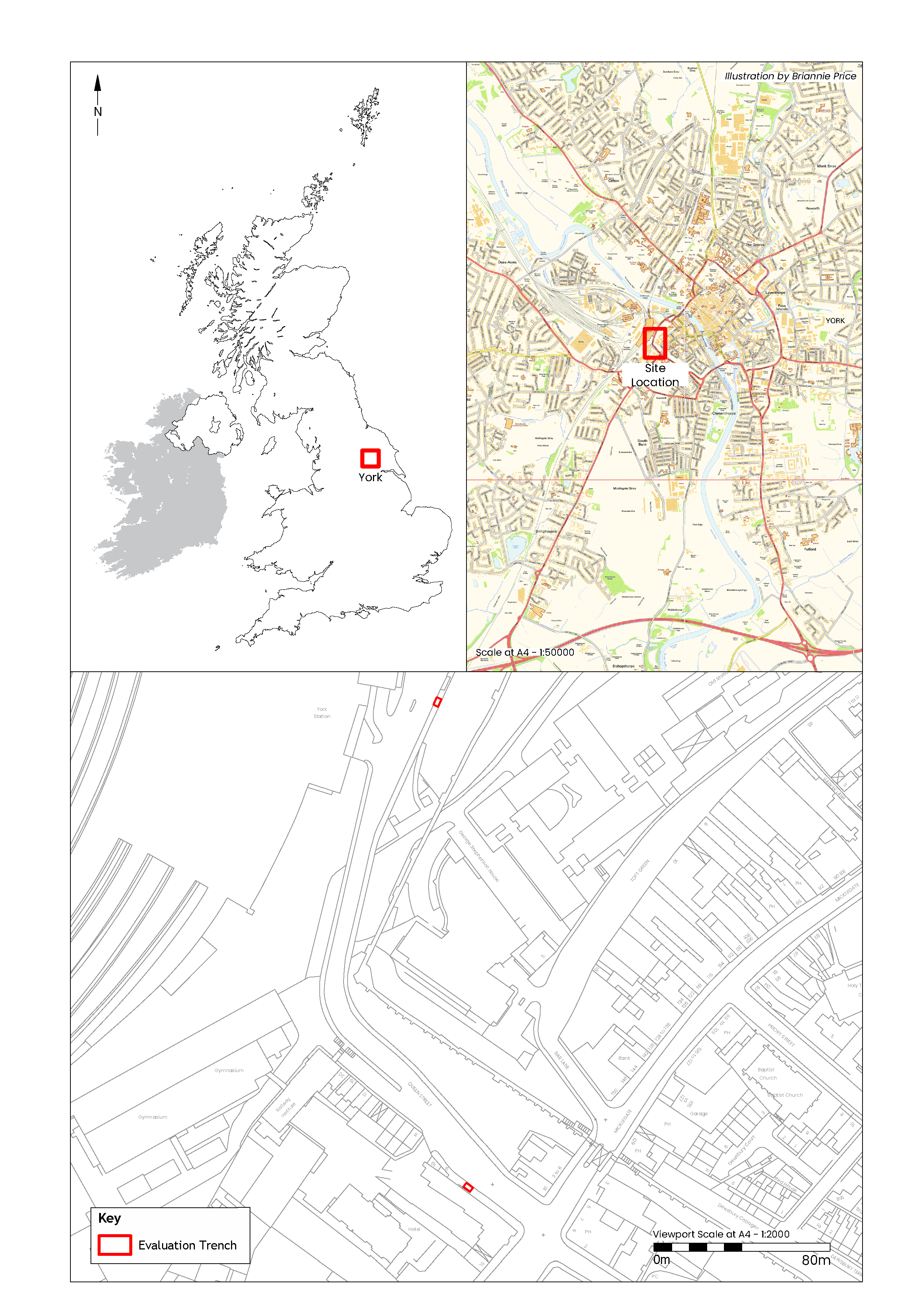
Two trenches were excavated on Queen Street for the installation of telecommunication maintenance chambers. The two trenches were positioned approximately 200m apart; Trench 1 was south-west of the medieval city wall close to the junction of Queen Street, Micklegate, Nunnery Lane and Blossom Street, while Trench 2 was located north-west of the medieval defences opposite York Railway Station. The archaeological sequences encountered in each trench were very different.
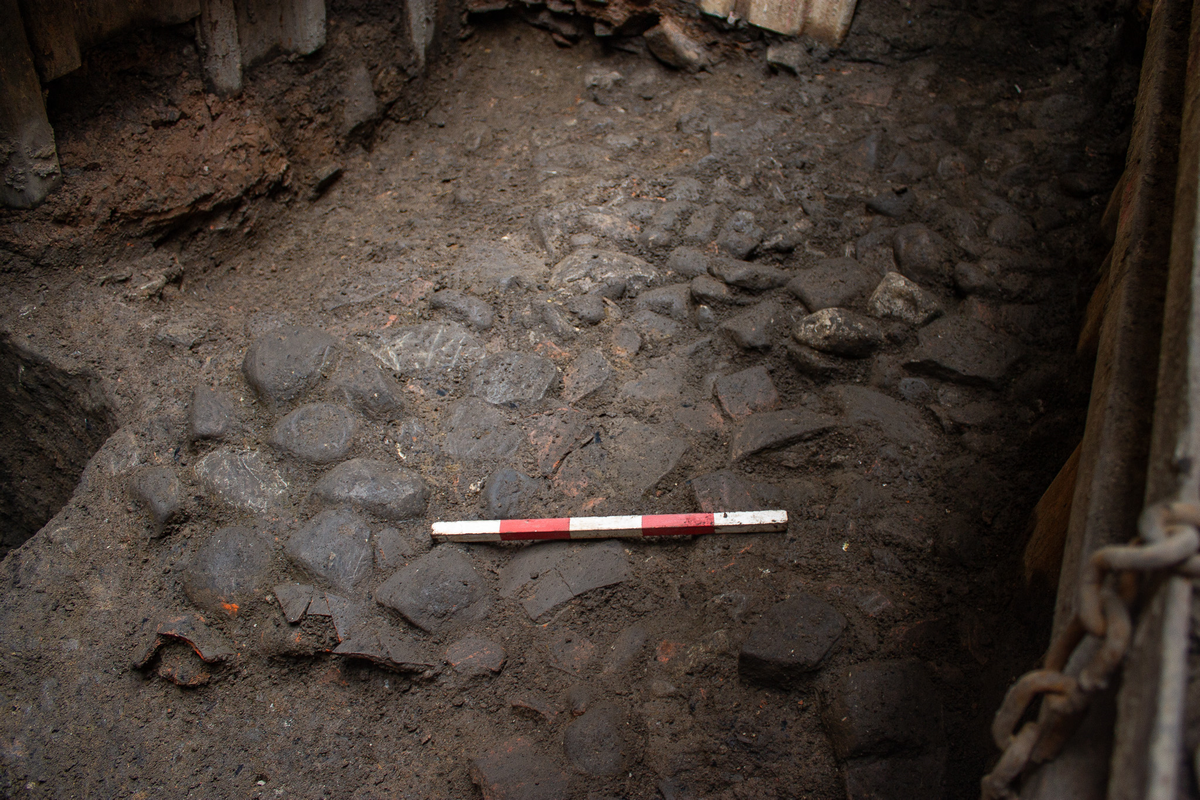
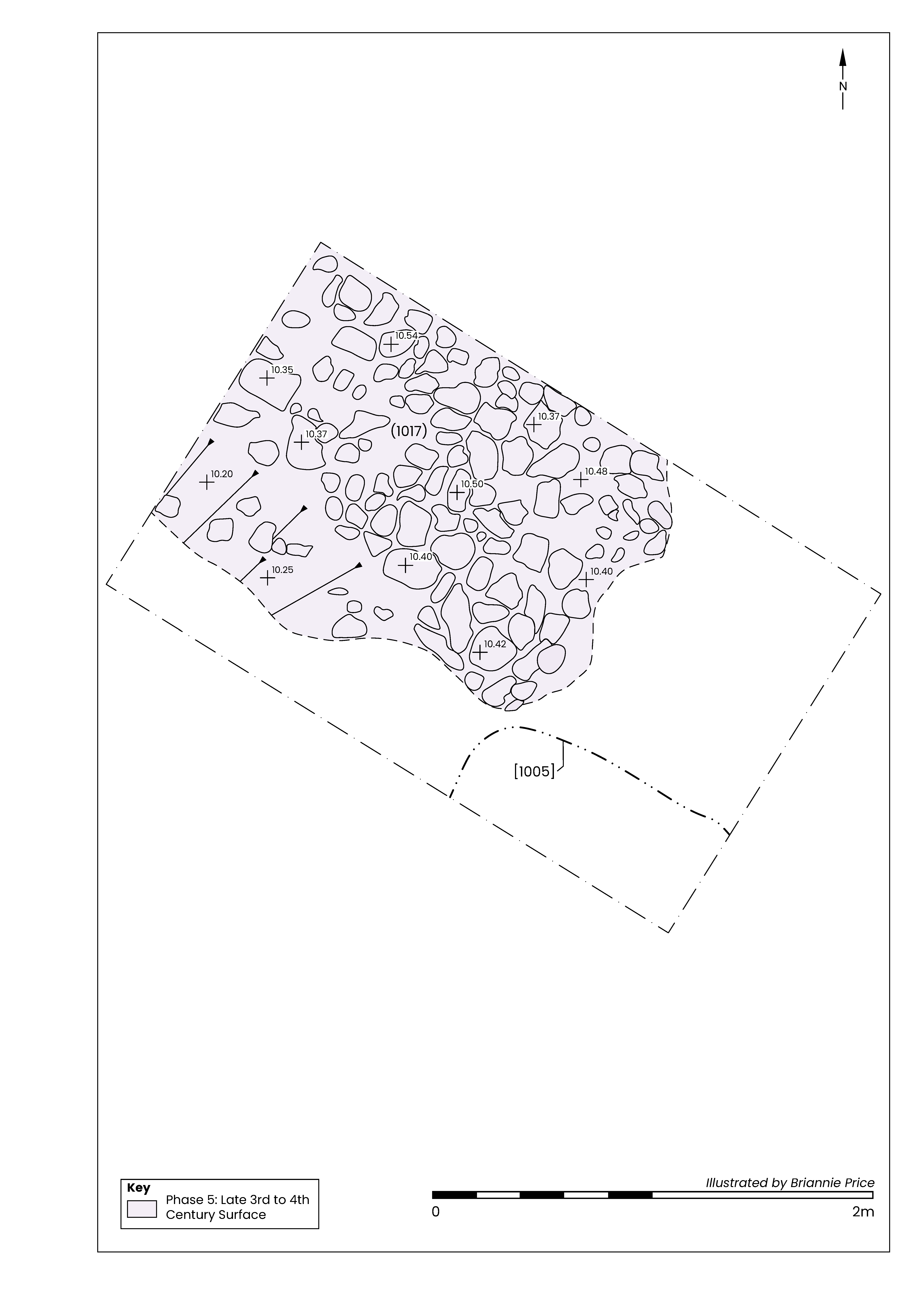
Trench 1 revealed deposits containing artefacts indicative of high-status activity on or near the site during the 2nd and 3rd centuries CE, and which may have continued into the 4th century CE. The earliest features investigated were 2nd century CE pits, later sealed below dumps that may have been linked with the disposal of material generated as a result of development in the colonia during the 2nd and 3rd centuries CE. The dumping also served to raise ground level to a point where ground conditions were drier. Following the elevation of ground level, pit digging and rubbish disposal returned to the site, hinting at occupation close by in the mid-3rd to 4th century CE. In the late 3rd to 4th century CE a fairly crude surface was laid down, which largely consisted of cobbles but also incorporated other hard-wearing material such as brick, roofing tile and fragments of amphora. A significant change in the character of activity at the site then occurred in the 4th century CE, with what appears to be an accumulation of agricultural soil. Pit digging for refuse disposal resumed in the 11th/13th century, hinting at a return to activity of a more urban character at the site.
Trench 2 was situated on the south-eastern periphery of the Railway Station cemetery. Some evidence for Roman period funerary activity was found, including disarticulated human bone and Roman pottery. However, the remains appear disturbed or redeposited during construction of the railway station in the 19th century.
Corresponding author: Benjamin Savine
[email protected]
York Archaeology
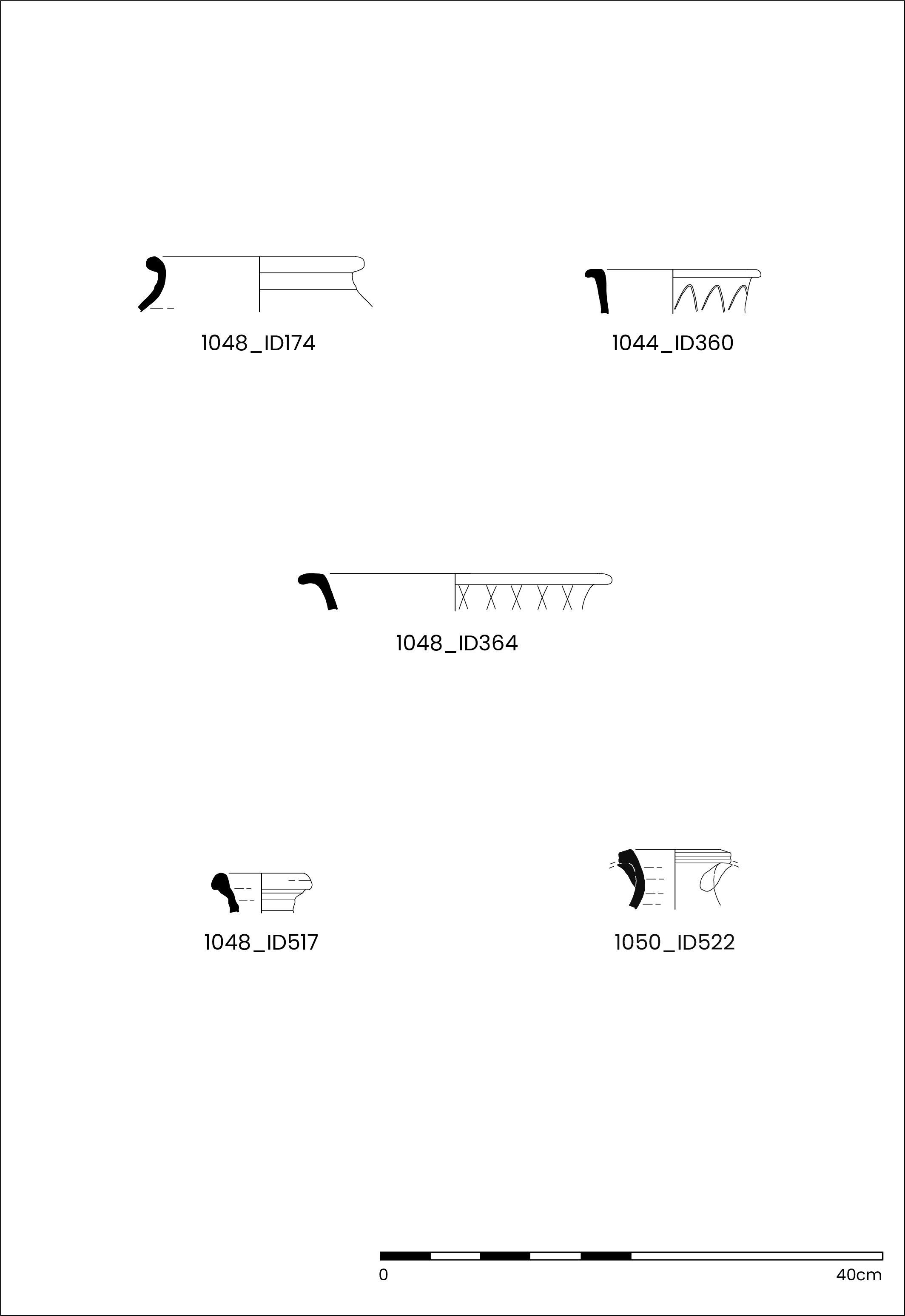
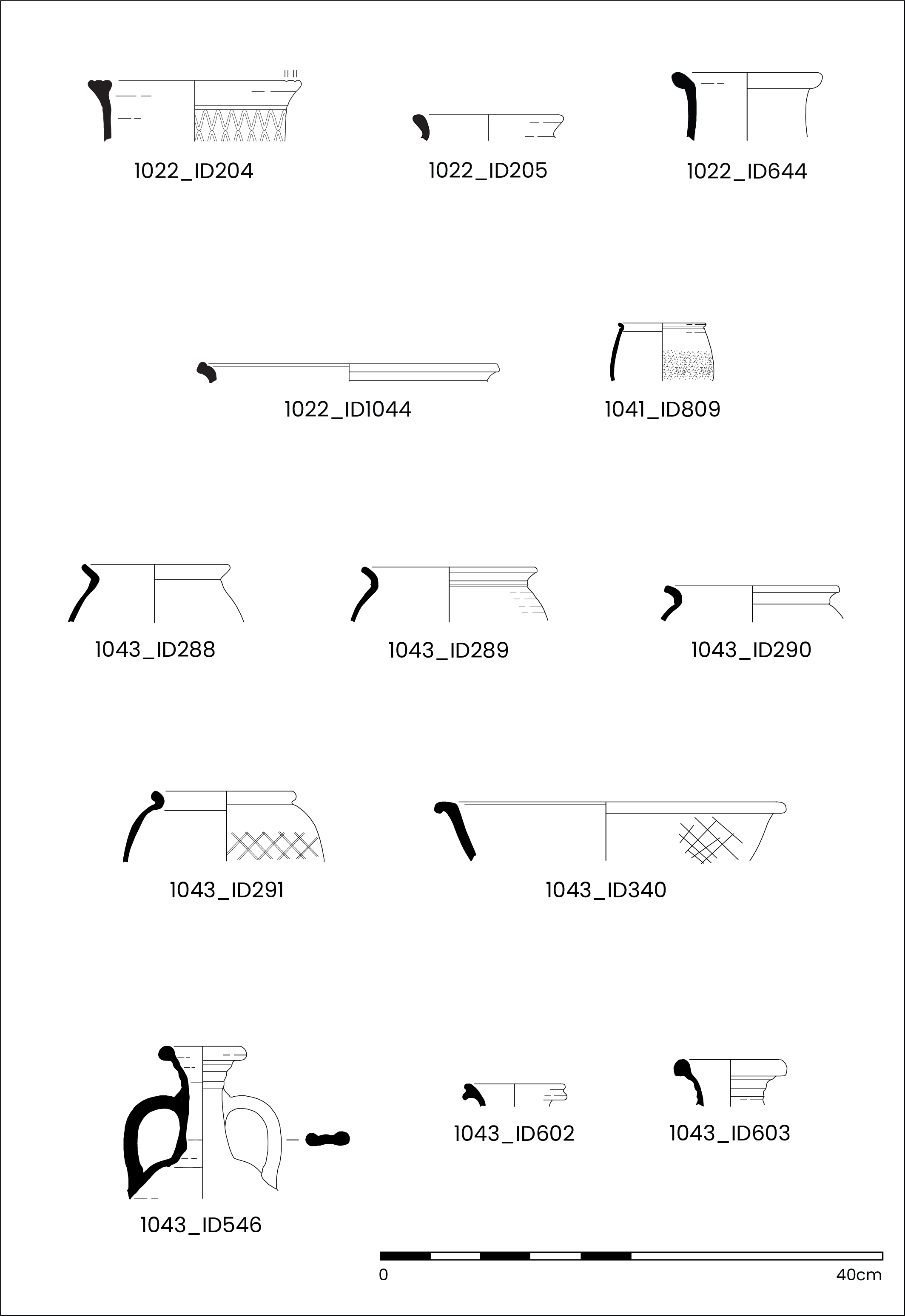
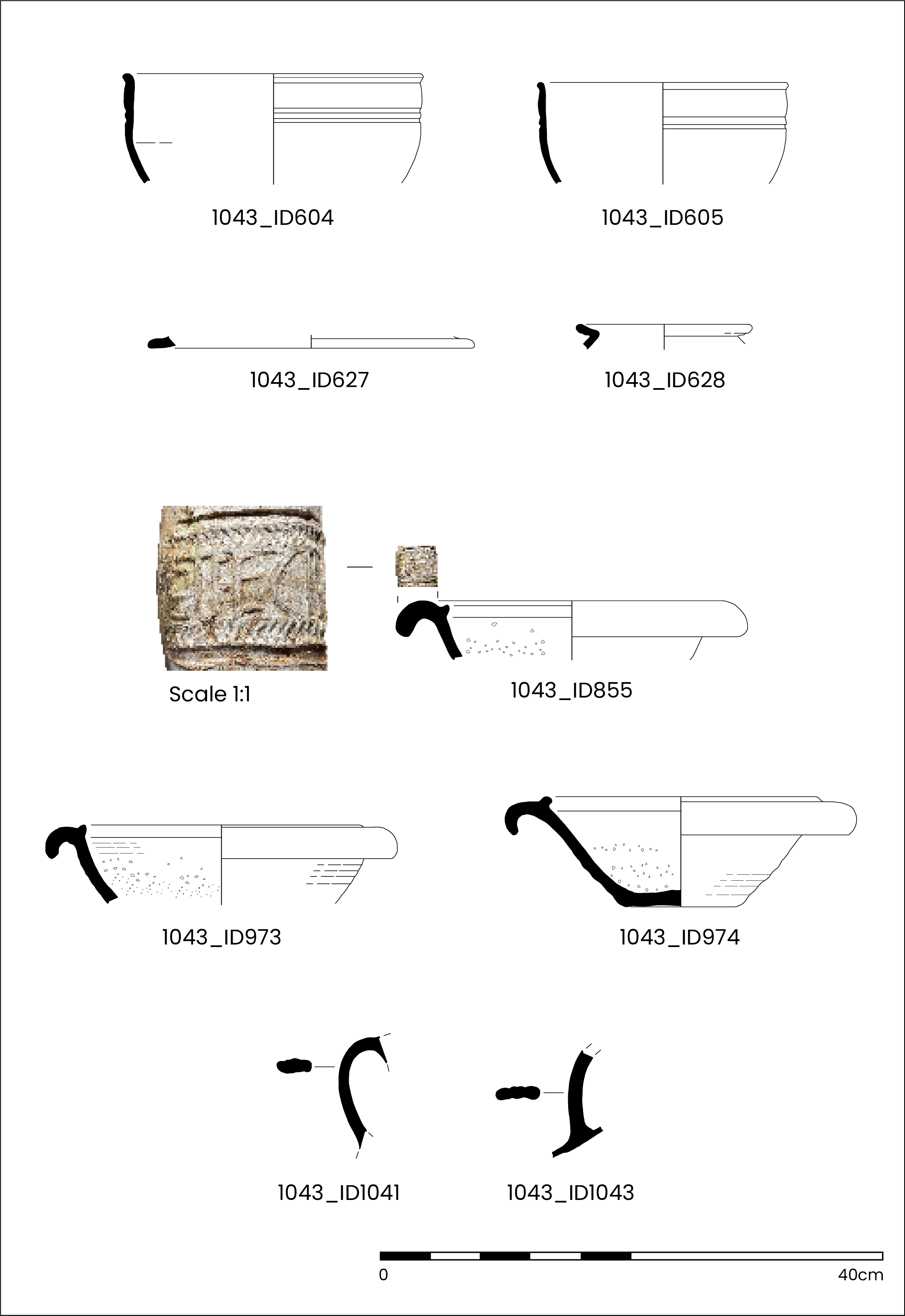
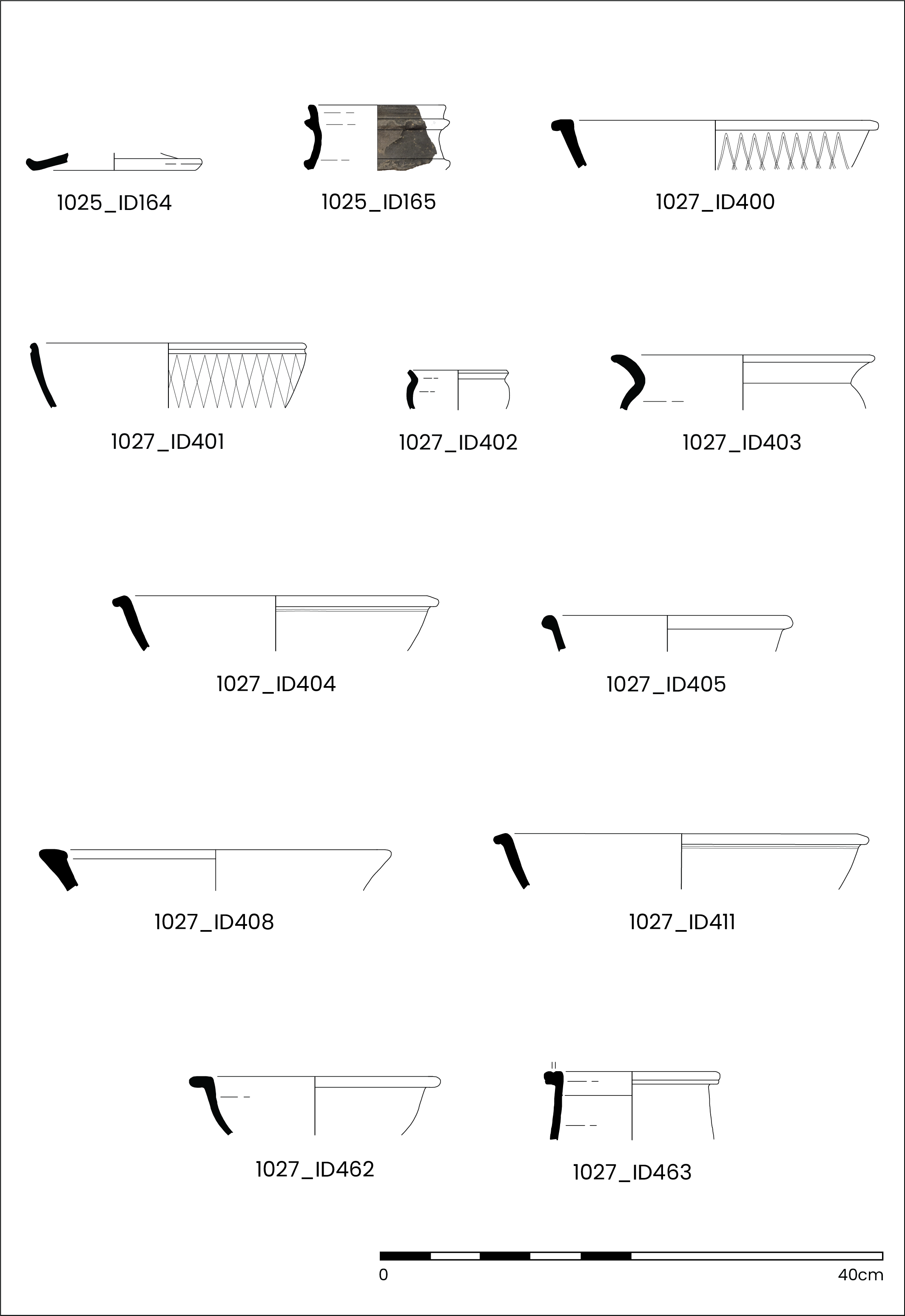
Illustrations by B. Price unless otherwise stated.
Figure 1: Site location
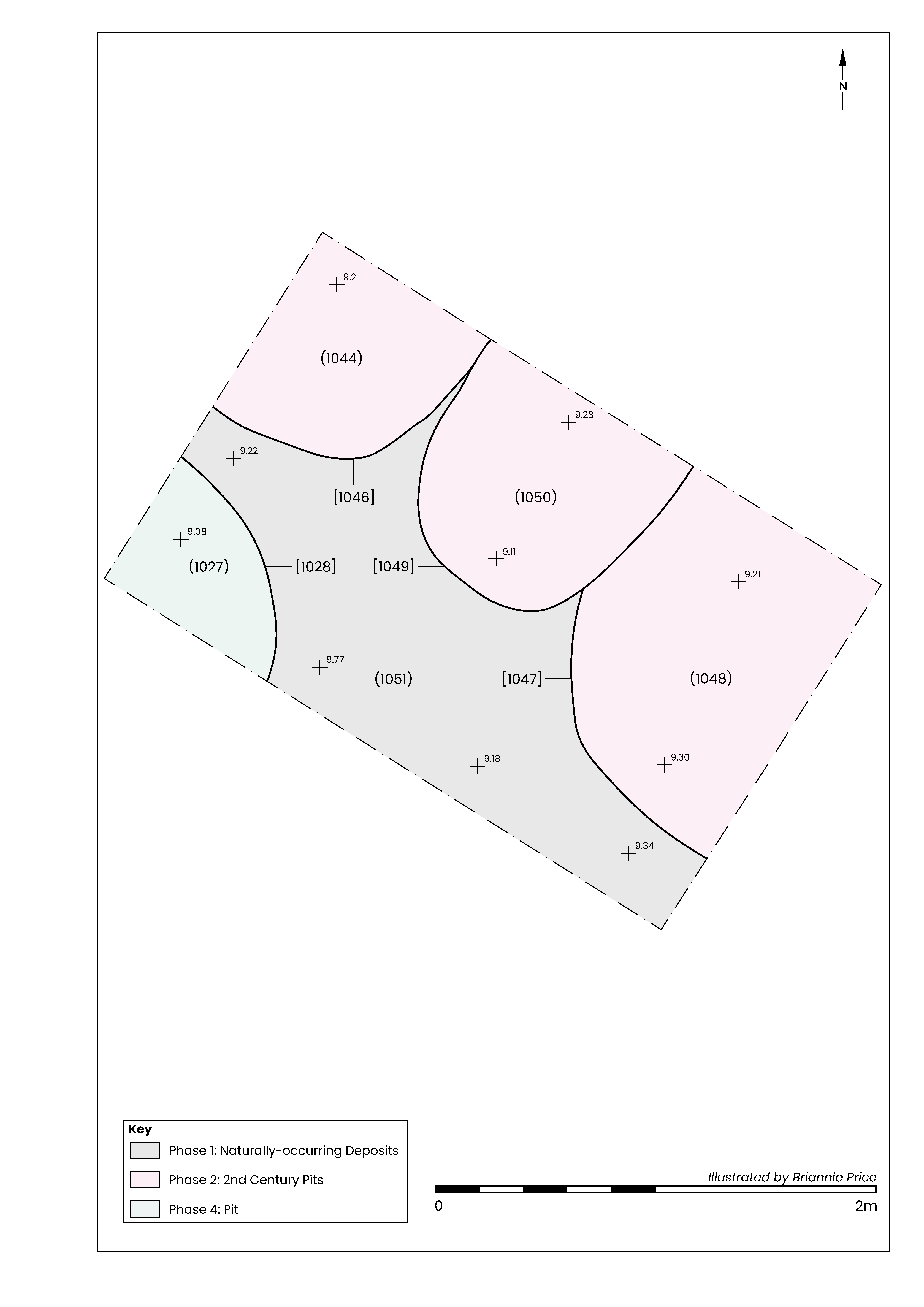
Figure 2: Trench 1, Phases 1 naturally occurring deposits, Phase 2 pits and Phase 4 pit [1028]
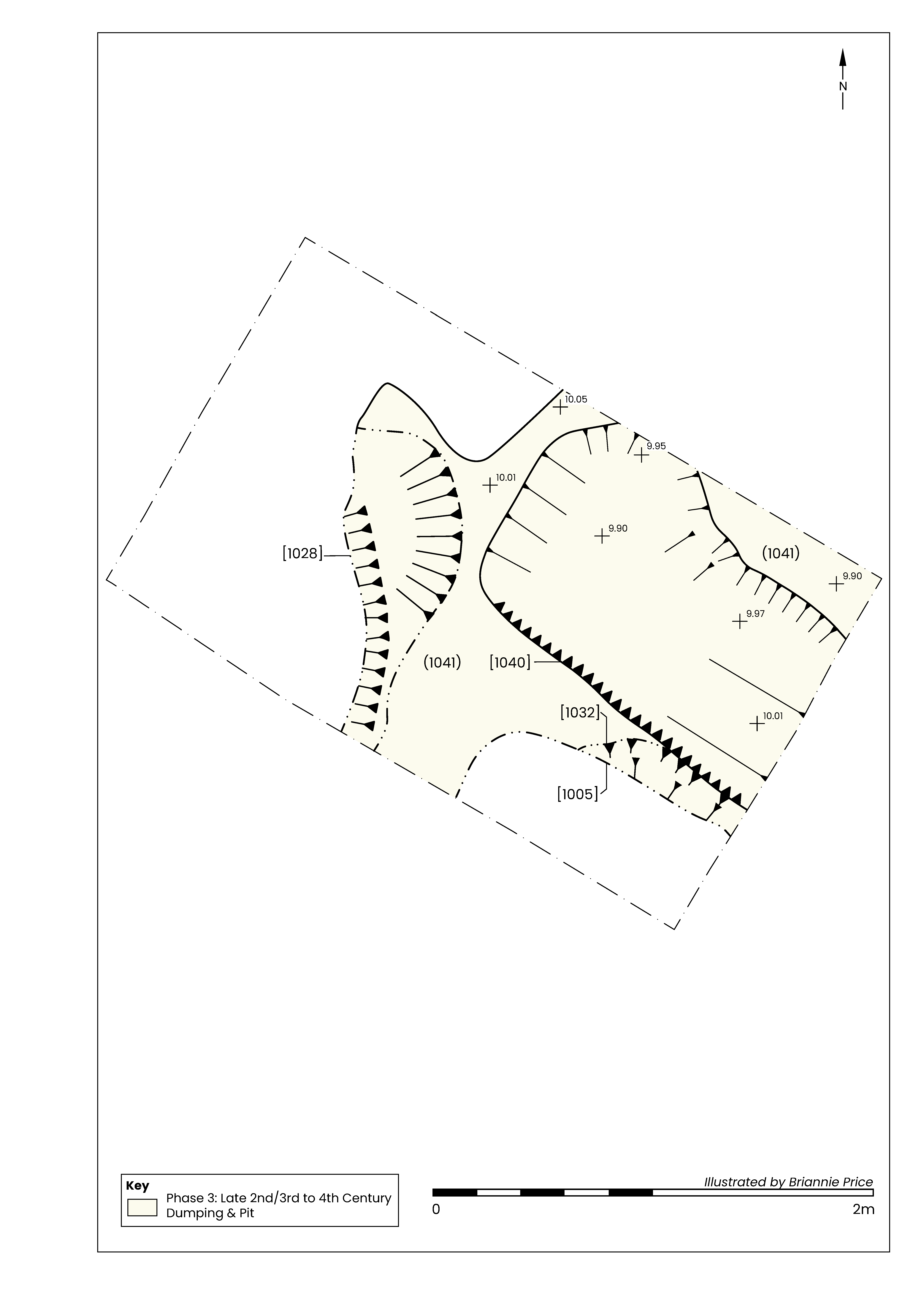
Figure 3: Trench 1, Phase 3 dumping and pit
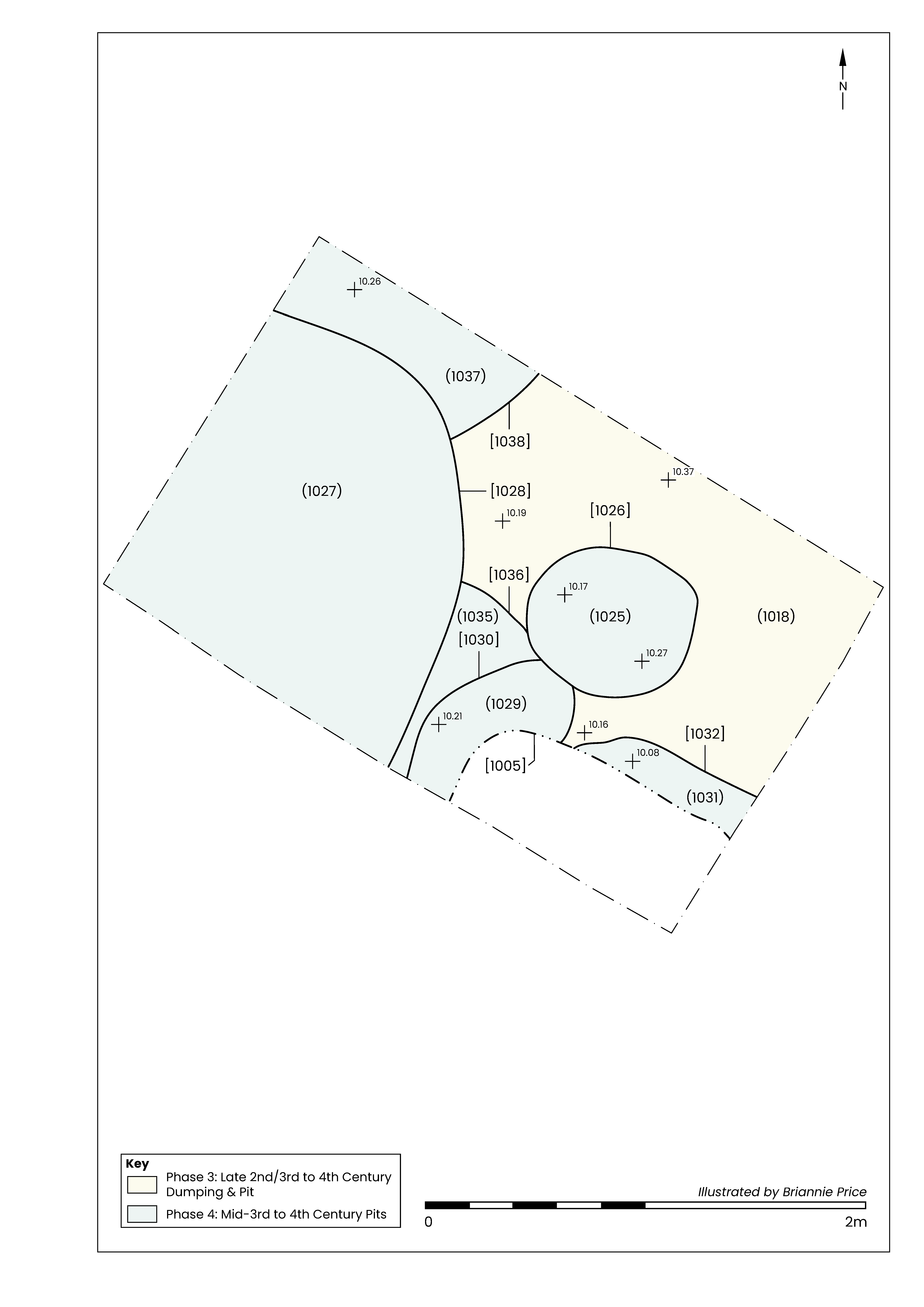
Figure 4: Trench 1, Phase 3 dumping and pits, Phase 4 pits
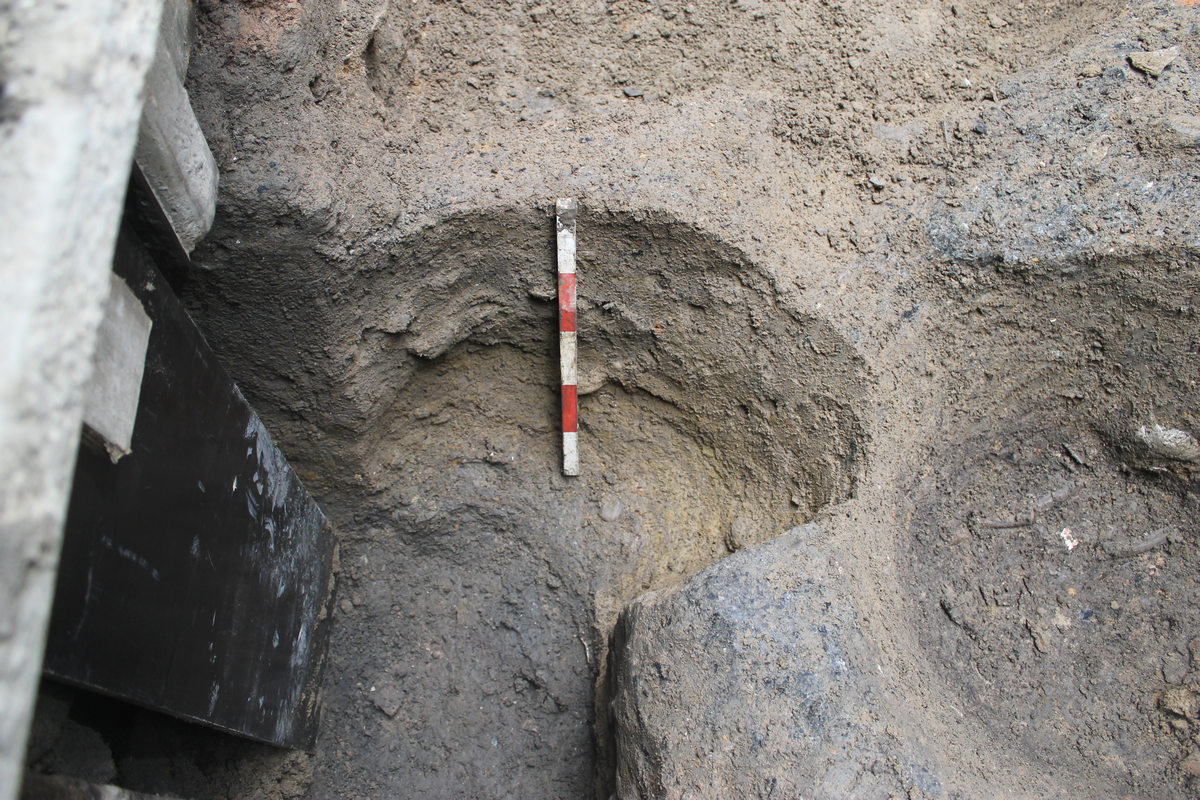
Figure 5: Pit [1030], looking north-west. 0.1m scale units. Image credit: York Archaeology
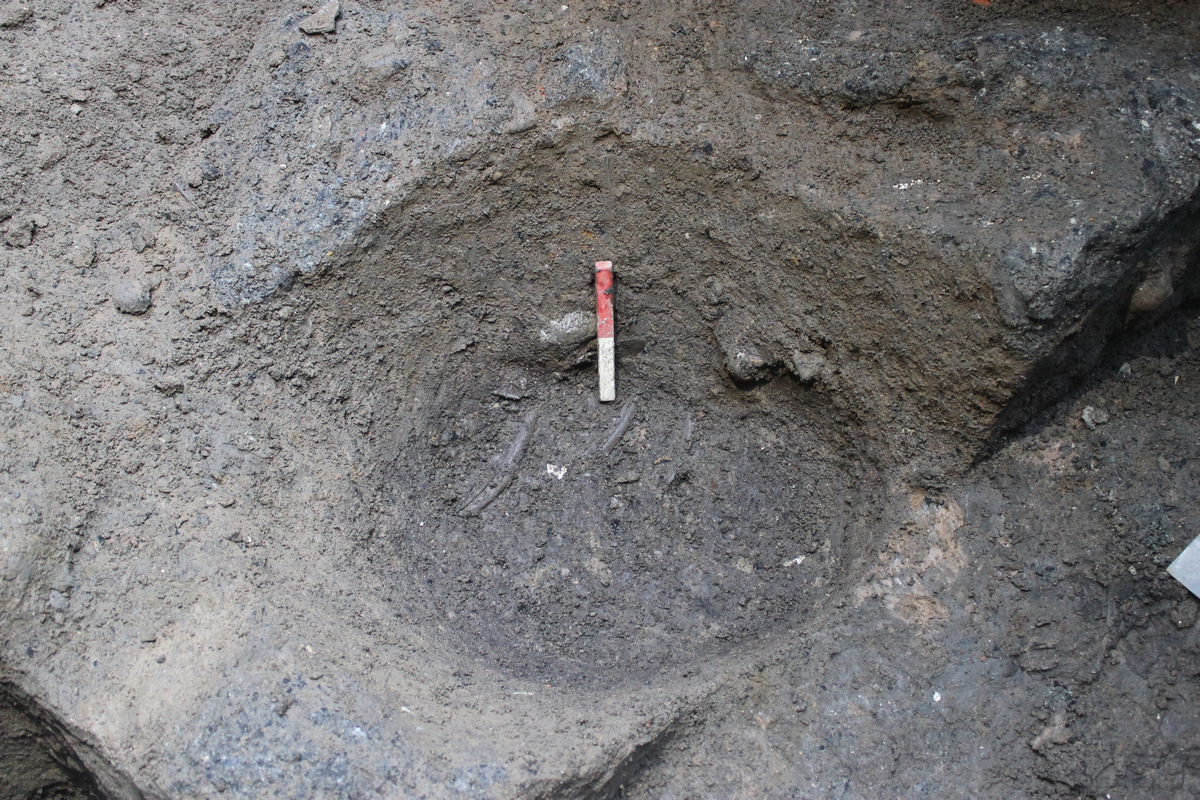
Figure 6: Pit [1026], looking north. 0.1m scale units. Image credit: York Archaeology
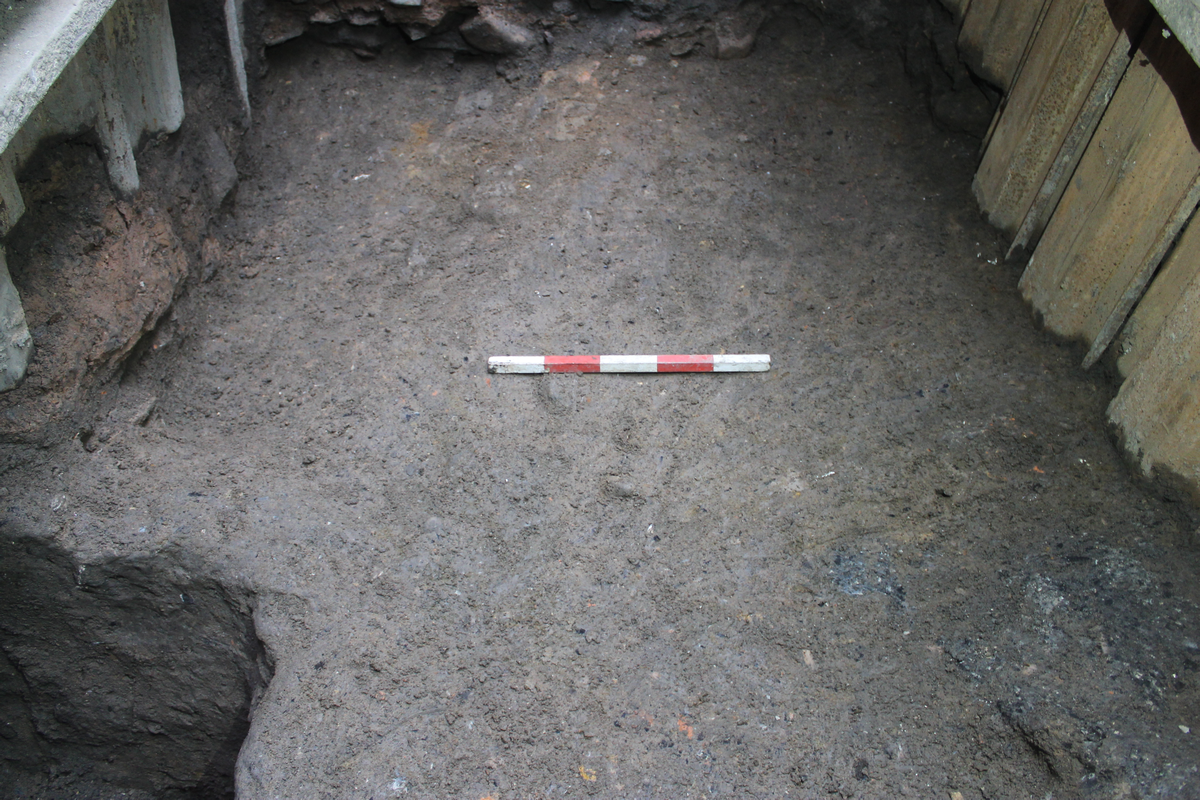
Figure 7: Dumped deposit/levelling (1024), looking south-east. 0.1m scale units. Image credit: York Archaeology
Figure 8: Trench 1, Phase 5 surface (1017)
Figure 9: Cobble surface (1017), looking west. 0.1m scale units. Image credit: York Archaeology
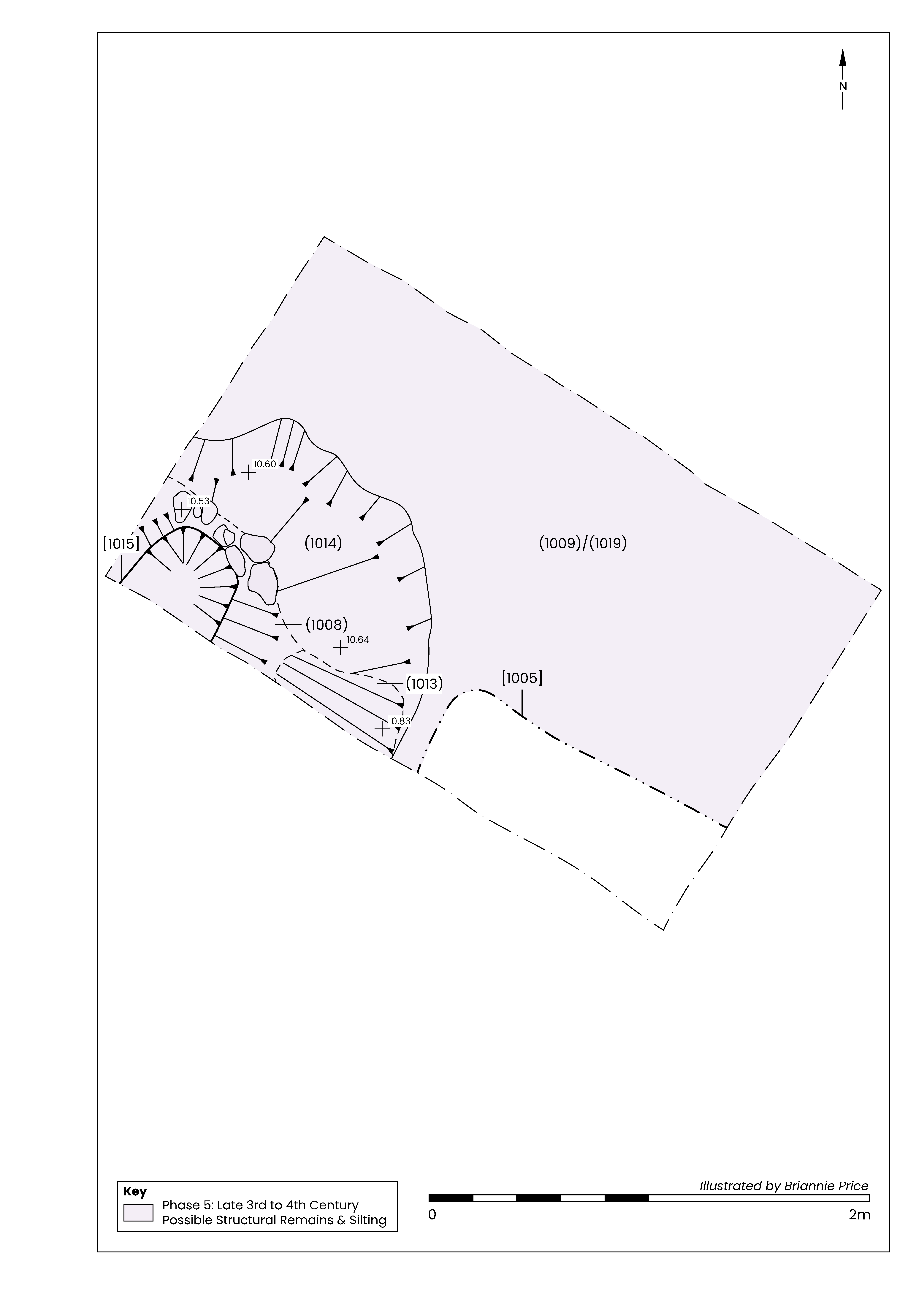
Figure 10: Trench 1, Phase 5 possible structural remains and silting
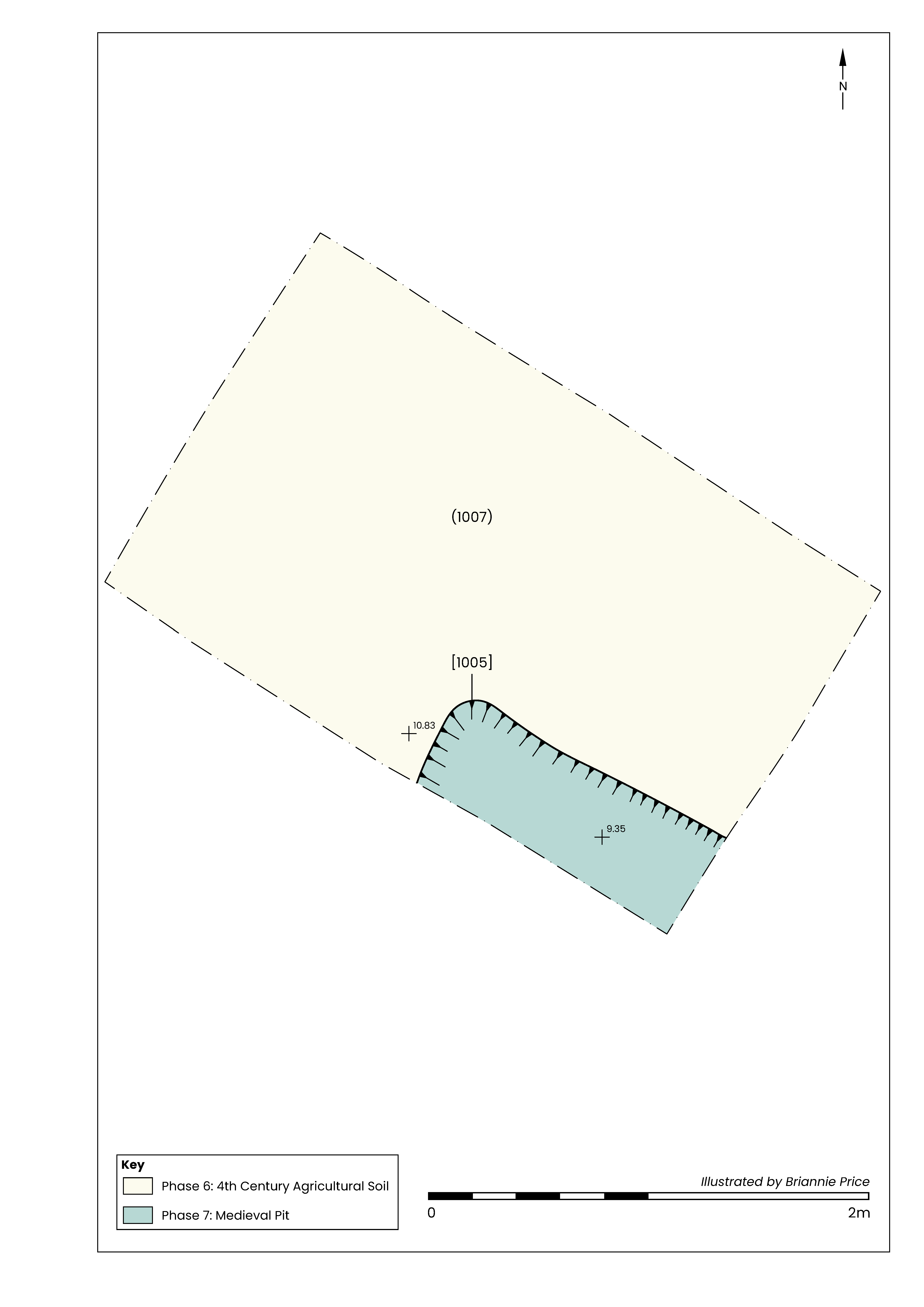
Figure 11: Trench 1, Phase 6 agricultural soil and Phase 7 pit
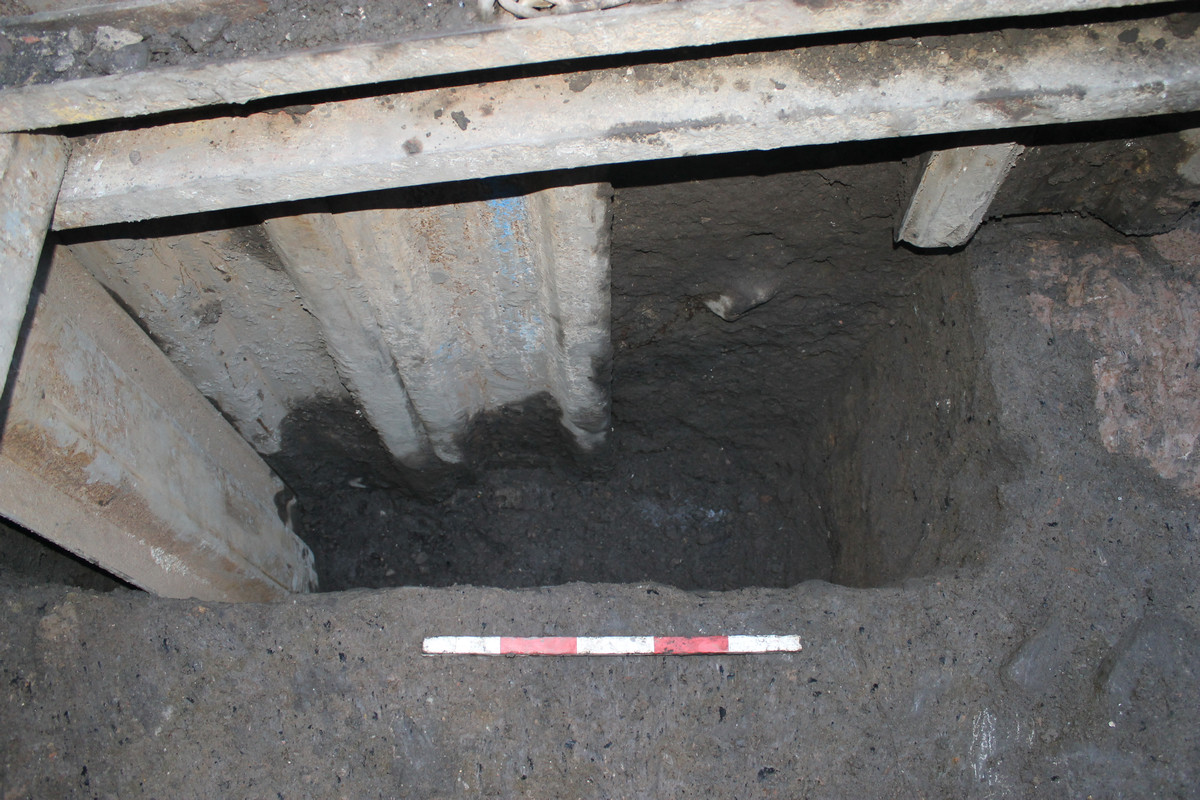
Figure 12: Phase 7 pit [1005], looking south-west. 0.1m scale units. Image credit: York Archaeology
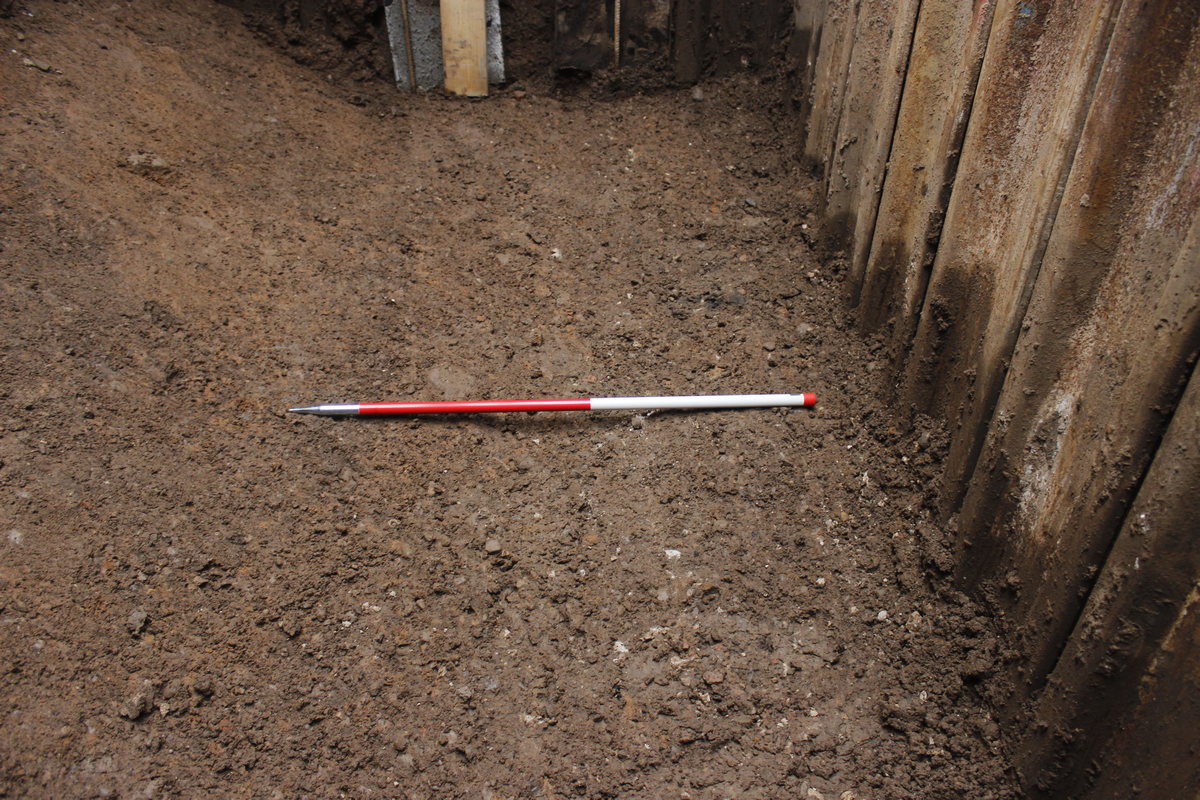
Figure 13: Made ground (2004) in Trench 2, looking south. 0.5m scale units. Image credit: York Archaeology
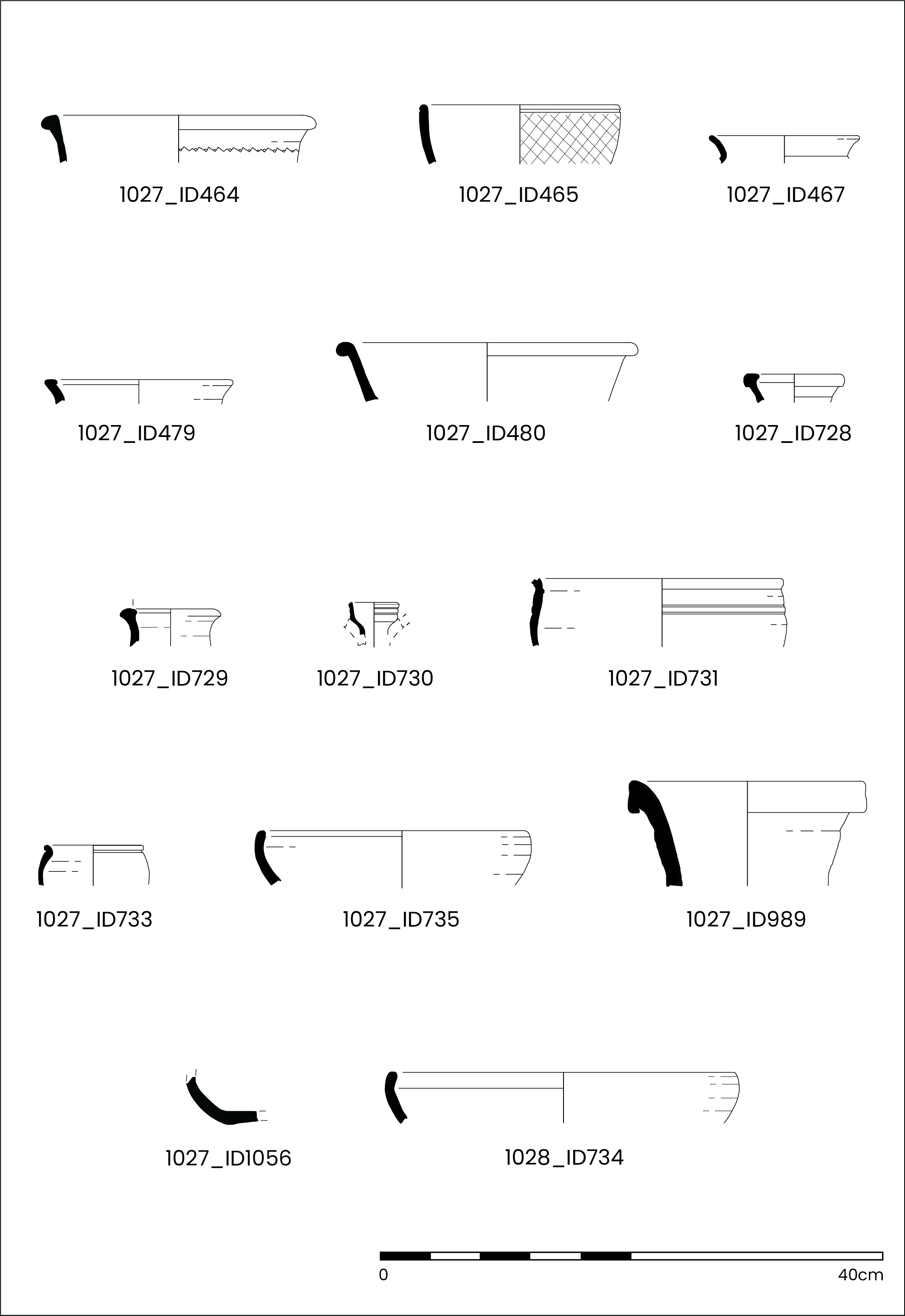
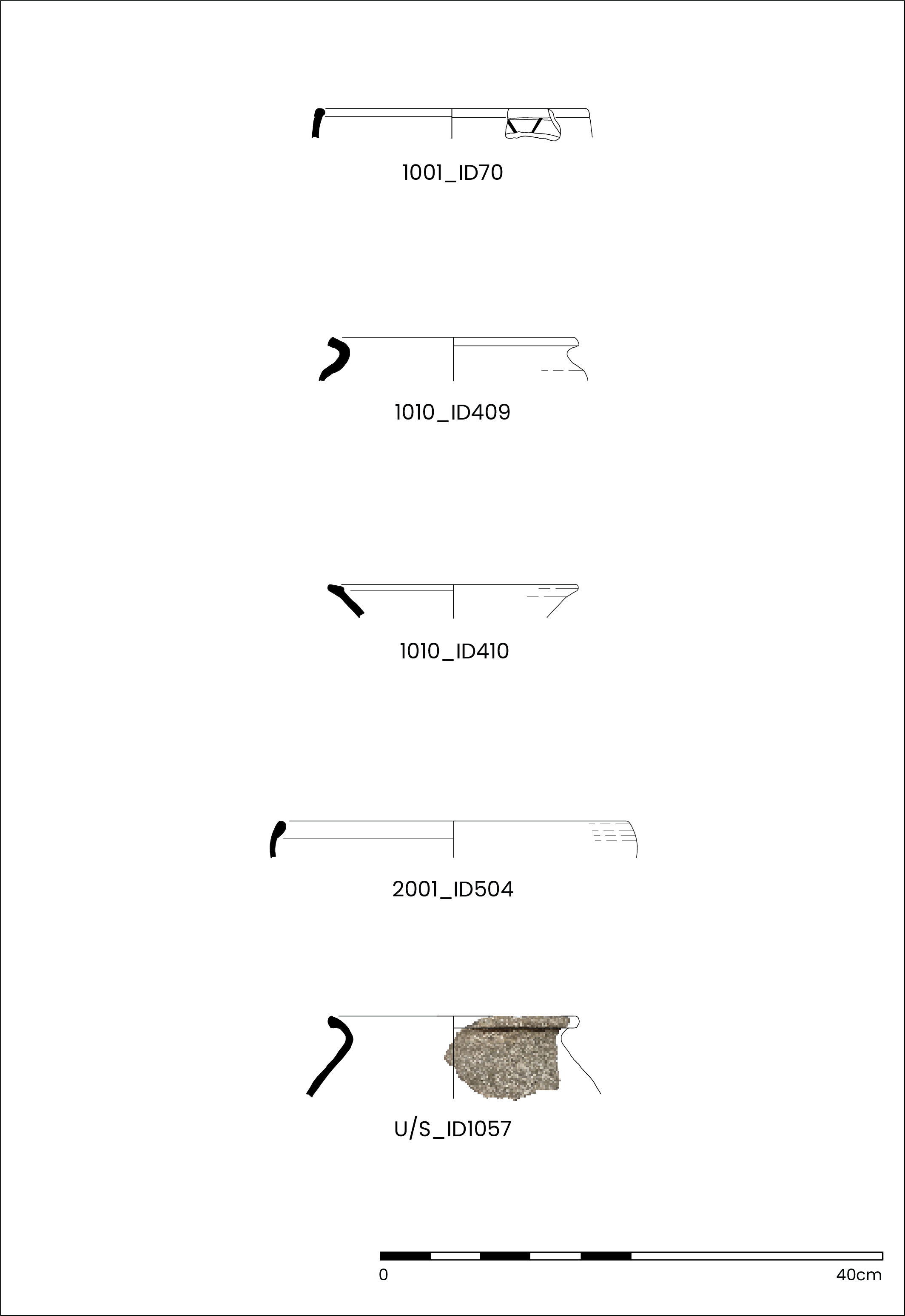
Figure 14: Phase 2 pottery (illustrated by D.G. Griffiths)
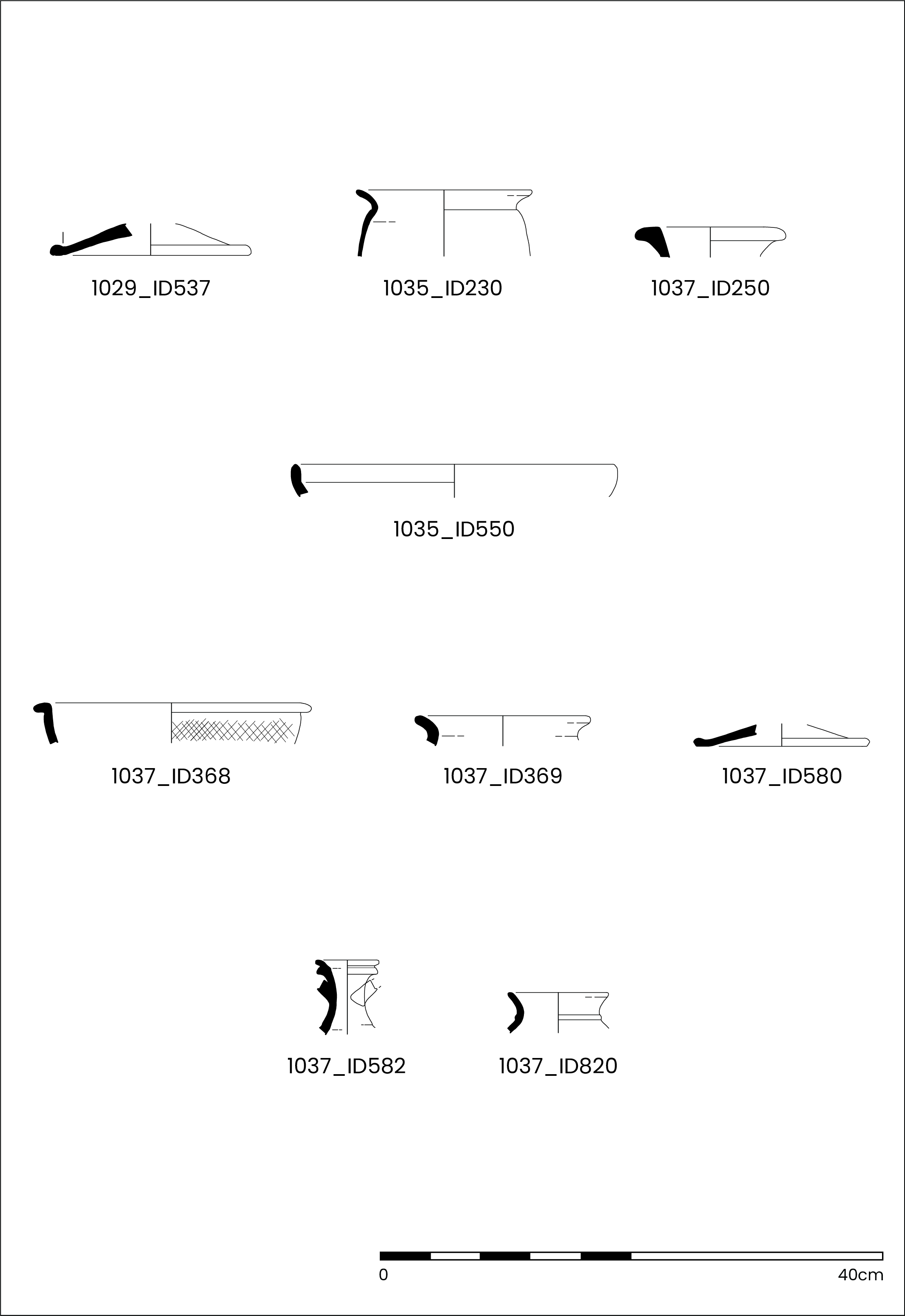
Figure 15: Phase 3 pottery (illustrated by D.G. Griffiths)
Figure 16: More Phase 3 pottery (illustrated by D.G. Griffiths)
Figure 17: Phase 4 pottery (illustrated by D.G. Griffiths)
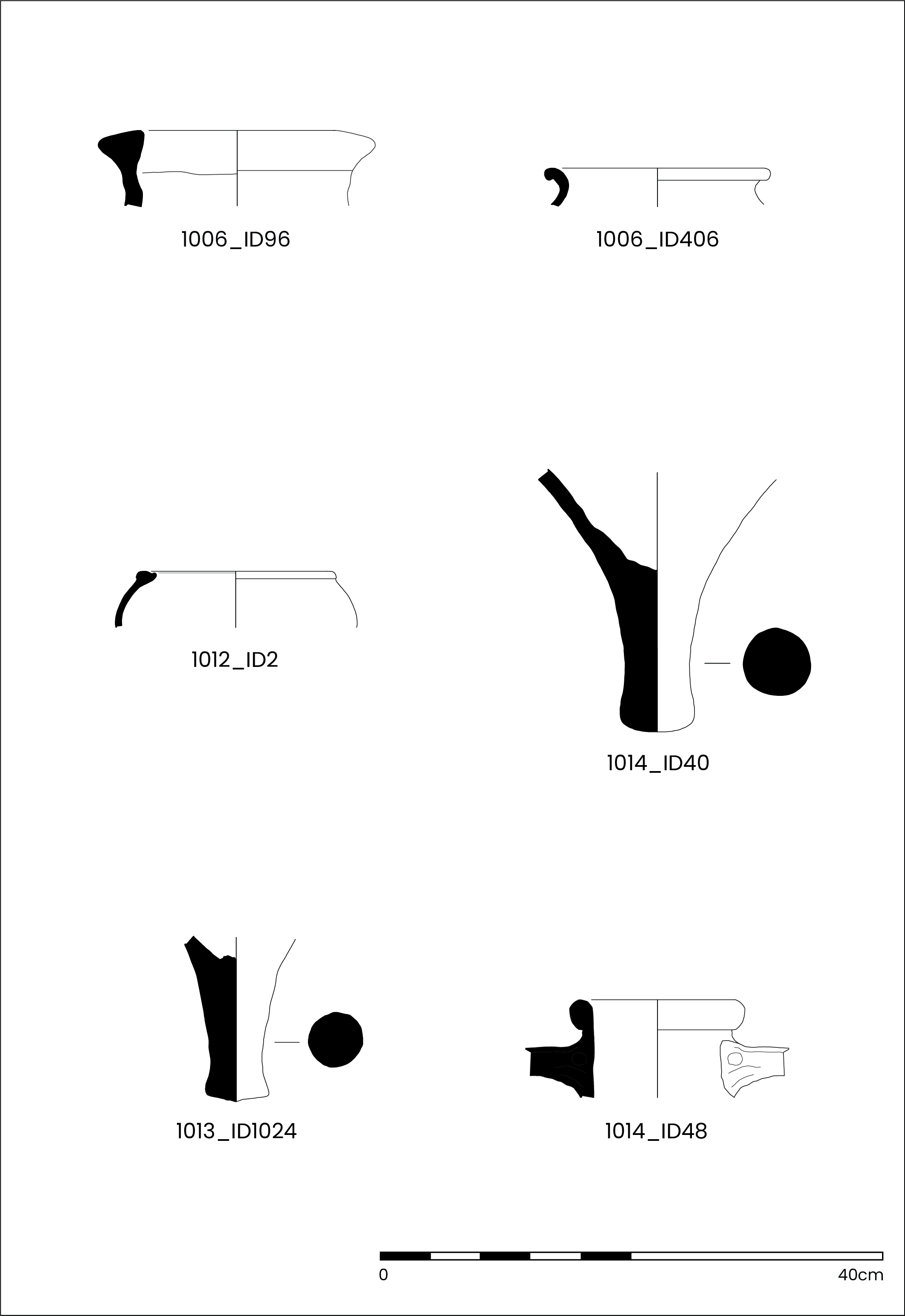
Figure 18: More Phase 4 pottery (illustrated by D.G. Griffiths)
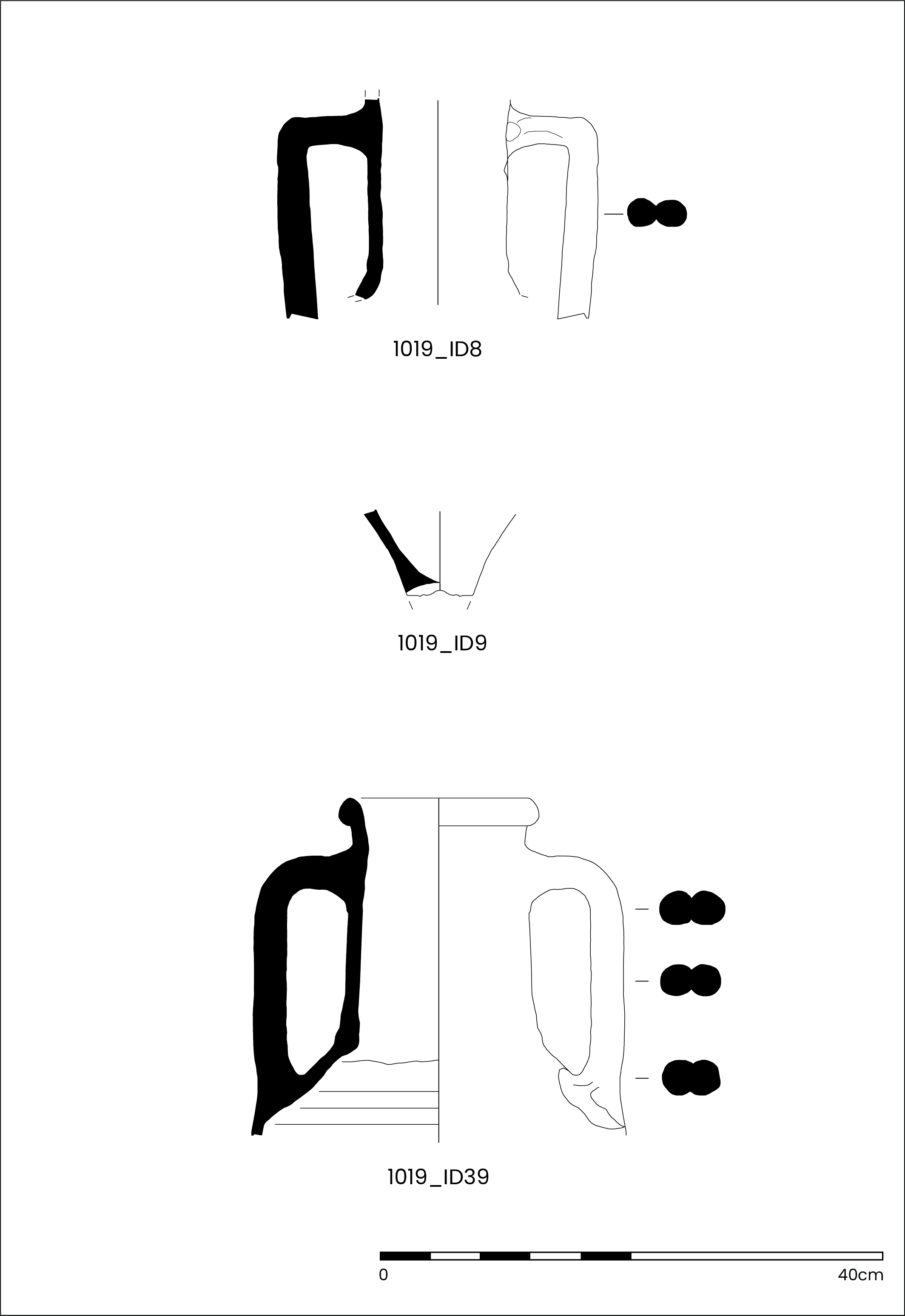
Figure 19: Even more Phase 4 pottery (illustrated by D.G. Griffiths)
Figure 20: Phase 5 pottery (illustrated by D.G. Griffiths)
Figure 21: More Phase 5 pottery (illustrated by D.G. Griffiths)
Figure 22: Phases 7 and 8 pottery (illustrated by D.G. Griffiths)
Table 1: Romano-British pottery ware, count, weight and estimated vessel equivalents (EVEs)
Table 2: All pottery by ware and class
Table 3: Fine wares by class
Table 4: Samian forms by estimated vessel equivalents (EVEs) and maximum number of vessels (MNV)
Table 5: Samian ware by form and function based on maximum number of vessels (MNV)
Table 6: Bulk samian ware by source
Table 7: All pottery by Romano-British phase and feature (Download only)
Table 8: Pottery form and function by phase
Table 9: Relative proportions of bulk pottery from Queen Street and Guildhall (Griffiths and Britton 2023)
Table 10: Number of Identified Specimens (NISP) from hand-collected bone
Table 11: Number of Identified Specimens (NISP) from environmental residues
Table 12: Elements represented for the main domesticates in the 3rd–4th century CE dumping and pit Phase 3 (fusion is stated by F for fused, UH for unfused, and P for proximal and D for distal)
Table 13: Elements represented for the main domesticates in the 3rd–4th century CE pit Phase 4 (fusion is stated by F for fused, UH for unfused, and P for proximal and D for distal)
Table 14: Key to tables 12 and 13
Table 15: CBM by form in relation to period
Table 16: CBM and stone roof flags in relation to context
Table 17: Building stone catalogue
Allen, J.R.L. 2014 Whetstones from Roman Silchester (Calleva Atrebatum), North Hampshire: Character, manufacture, provenance and use, Oxford: British Archaeological Reports, British Series 597. https://doi.org/10.30861/9781407312804
Ancient Monuments and Archaeological Areas Act 1979. https://www.legislation.gov.uk/ukpga/1979/46 [Last accessed: 17 January 2024]
Antoni, B. and Hunter-Mann, K. 1999 'St Paul's Green, Holgate: Report on an Archaeological Watching Brief and Borehole Survey', Report number YAT 1999/73, YAT unpublished report.
Badger, J. and Savine, B. 2023 'York Station Gateway, Queen Street, York. Assessment report on an archaeological watching brief and excavation', Report number YA/2023/97, YA unpublished report.
Banfield, L. in prep. Making Flour the German Way: Imported lava querns and Millstones in Roman Britain, Oxford: British Archaeological Report, British Series.
Banfield, L. 2024 'Sharpening Knowledge: An investigation into the social and economic significance of hones from Roman London', Trans LAMAS 74(1).
Betts, I.M. 1985 A Scientific Investigation of the Brick and Tile Industry of York to the Mid-Eighteenth Century, PhD thesis, University of Bradford.
Bishop, M.C. and Coulston, J.C.N. 2006 Roman Military Equipment from the Punic Wars to the Fall of Rome, Oxford: Oxbow Books. https://doi.org/10.2307/j.ctvh1dtw2
Brodribb, G. 1989 Roman Brick and Tile New Hampshire: Wolfeboro.
Buckland, P.C. 1976 'Geological and archaeological notes on the rocks used in the construction of the sewer' in J.B. Whitwell The Church Street Sewer and an Adjacent Building, The Archaeology of York 3/1, London: Council for British Archaeology. 36.
Buckland, P.C. 1978 'The building material' in M.O.H. Carver, S. Donaghey and A.B. Sumpter Riverside Structures and a Well in Skeldergate and Buildings in Bishophill, The Archaeology of York 4/1, London: Council for British Archaeology. 41.
Clarke, A. 1991 'Report on an Archaeological Evaluation at 14–20 Blossom Street, York', YAT unpublished report.
Cool, H.E.M., Lloyd-Morgan, G. and Hooley, A.D. 1995 Finds from the Fortress, The Archaeology of York, The Small Finds 17/10, York: Council for British Archaeology.
Creighton, J. 1999 'The pottery' in P. Halkon and M. Millett (eds) Rural Settlement and Industry: studies in the Iron Age and Roman archaeology of lowland East Yorkshire, Yorkshire Archaeological Report 4, Leeds: Yorkshire Archaeological Society. 141–64.
Desbat, A. 2003 'Amphorae from Lyon and the question of Gaulish imitations of amphorae', Journal of Roman Pottery Studies 10, 45–9.
Evans, J. 1993 'Pottery function and finewares in the Roman north', Journal of Roman Pottery Studies 9, 95–119.
Evans, J. 2006 'The Roman pottery' in M. Millett (ed) Shiptonthorpe, East Yorkshire. Archaeological Studies of a Romano-British Roadside Settlement, Yorkshire Archaeological Report 5, Leeds: Yorkshire Archaeological Society, Roman Antiquities Section and East Riding Archaeological Society. 126–201.
Evans, J. and Creighton, J. 1999 'The Hawling Road ceramic series' in P. Halkon and M. Millett (eds) Rural Settlement and Industry: studies in the Iron Age and Roman archaeology of lowland East Yorkshire, Yorkshire Archaeological Report 4, Leeds: Yorkshire Archaeological Society. 200–20.
Gale, R. and Cutler, D. 2000 Plants in Archaeology, Otley: Westbury Publishing and Kew.
Gaunt, G.D. and Buckland, P.C. 2002 'Sources of building materials in Roman York' in P. Wilson and J. Price (eds) Aspects of Industry in Roman Yorkshire and the North, Oxford: Oxbow Books. 133–44.
Gonzalez Cesteros, H. and de Almeida, R.R. 2017 'La importacion de anforassalazonerasen Kops plateau, en el Rin y el Norte' in C. Carreras and J. van den Berg (eds) Amphorae from the Kops Plateau (Nijmegen): trade and supply to the Lower-Rhineland from the Augustan period to AD 69/70, Oxford: Archaeopress. 75–86.
Griffiths, D.G. and Britton, C. 2023 'The Roman pottery' in J. Badger and B. Savine 'York Station Gateway, Queen Street, York. Assessment report on an archaeological watching brief and excavation', Report number YA/2023/97, YA unpublished report.
Guido, M. 1978 The Glass Beads of the Prehistoric and Roman Periods in Britain and Ireland, London: Reports of the Research Committee of the Society of Antiquaries of London 35. https://doi.org/10.26530/20.500.12657/50812
Halkon, P. and Millett, M. (eds) 1999 Rural Settlement and Industry: Studies in the Iron Age and Roman Archaeology of Lowland East Yorkshire, Yorkshire Archaeological Report 4, Yorkshire Archaeological Society, Roman Antiquities Section and East Riding Archaeological Society.
Jackson-Slater, C. 2020 'Archaeological Investigations at 22–26 Blossom Street, York', Report number YAT 2020/8, YAT unpublished report.
Jenner, A. 2023 'The Post-Roman pottery' in J. Badger and B. Savine 'York Station Gateway, Queen Street, York. Assessment report on an archaeological watching brief and excavation', Report number YA/2023/97, YA unpublished report. 15–22.
Leary, R. 2021 'Romano-British pottery' in S. Ross and C. Ross Cataractonium: Establishment, Consolidation and Retreat, Volume 2. A1 Leeming to Barton, Northern Archaeological Associates: NAA Monograph Series 6. 64.
Loffman, G. and Slater, M.A. 2018 'York Central Baseline Study', Report number YAT 2018/8, YAT unpublished report.
Manning, W.J. 1985 Catalogue of the Romano-British Iron Tools, Fittings and Weapons in the British Museum, London: British Museum.
Martin-Kilcher, S. 1987 Die Romischen Amphoren aus Augst und Kaiseraugst. Ein Beitragzur römischen Handels- und Kulturgeschichte, Forschungen in Augst 7/1, Augst: Römermuseum Augst.
Martin-Kilcher, S. 2003 'Fish-sauce amphorae from the Iberian peninsula: the forms and observations on trade with the north-west provinces', Journal of Roman Pottery Studies 10, 69–84
McComish, J. 2012 An Analysis of Roman Ceramic Building Material from York and its Immediate Environs, Masters thesis, University of York.
Milsted, I. 2010 'The Roman landscape of Blossom Street', York Historian 27, 2–6.
Milsted, I.D. 2011 'Sewage Attenuation Tanks, 28–40 Blossom Street, York Excavation Analysis Report', Report number YAT 2011/11, YAT unpublished report.
Monaghan, J. 1993 Roman Pottery from the Fortress: 9 Blake Street, The Archaeology of York 16/7, York: Council for British Archaeology.
Monaghan, J. 1997 Roman Pottery from York, The Archaeology of York 16/8, York: Council for British Archaeology.
O'Connor, T.P. 1988 Bones from the General Accident Site, Tanner Row, The Archaeology of York 15/2, London: Council for British Archaeology
Ottaway, P. 2011a Roman York, 2nd edition, Stroud: History Press.
Ottaway, P. 2011b Archaeology in the Environs of Roman York: Excavations 1976–2005, The Archaeology of York 6/2, York: Council for British Archaeology.
Palliser, D.M. 1978 'The medieval street-names of York', York Historian 2, 6.
Palliser, D.M. 2014 Medieval York 600-1540, Oxford: Oxford University Press. https://doi.org/10.1093/acprof:oso/9780199255849.001.0001
Payne, S. 1973 'Kill-off patterns in sheep and goats. The mandibles from Asvan Kale', Anatolian Studies 23, 281–303. https://doi.org/10.2307/3642547
Poole, K. 2023 'Mammal and bird bone' in B. Savine 'Archaeological Investigations at The North Annexe, York Guildhall', Report number YA/2023/277, YA unpublished report.
Prior, J. and Alvin, K.L. 1983 'Structural Changes on Charring Wood of Dichrostachys and Salix from Southern Africa', International Association of Wood Anatomists 4, 197–206. https://doi.org/10.1163/22941932-90000782
Raine, A. 1955 Medieval York, London: John Murray.
RCHME 1962 An Inventory of the Historical Monuments of the City of York, Vol. I: Eboracum Roman York, London: HMSO.
RCHME 1972 An Inventory of the Historical Monuments in the City of York, Vol. II: The Defences, London: HMSO.
Reeves, B. 2020 'Written Scheme of Investigation for York Central Phase 1 Infrastructure RMA Archaeological Investigation (Evaluation and Waterlogged Deposit Monitoring)', Report number YAT 2020/40, YAT unpublished report.
Röder, J. 1955 'Die Lavasteinbrüche von Volvic. Jahrbuch für Geschichte und Kultur des Mittelrheins und seiner', Nachbargebiete 1954/55 6(7), 33–41.
Rudling, D.R., Cartwright, C., Swift, G., Foster, S., Shepherd, J., Hinton, P. and Tebbutt, F. 1986 'The excavation of a Roman tilery on Great Cansiron Farm, Hartfield, East Sussex', Britannia 17, 191–230.https://doi.org/10.2307/526545
Tomber, R. and Dore, J. 1998 The National Roman Fabric Reference Collection, MoLAS Monograph 2, London: Museum of London Archaeology Service.
Tyers, P. 1996 'Roman amphoras in Britain', Internet Archaeology 1. https://doi.org/10.11141/ia.1.6
University of Southampton 2014 Roman Amphorae: a digital resource [data-set], York: Archaeology Data Service [distributor]. https://doi.org/10.5284/1028192
VCH 1961 A History of Yorkshire, The City of York, The Victoria History of the Counties of England, Oxford: Oxford University Press.
Walton Rogers, P. 2017 'Hobnails, nailed shoes and burial textiles' in C. Ambrey, D. Fell, R. Fraser, S. Ross, G. Speed and P.N. Wood A Roman Roadside Settlement at Healam Bridge: the Iron Age to Early Medieval Evidence. Vol. 2: Artefacts, Northern Archaeological Associates Monograph 3, Barnard Castle, 146–51.
Warry, P. 2006 Tegulae: manufacture, typology and use in Roman Britain, Oxford: British Archaeological Reports, British Series 417. https://doi.org/10.30861/9781841719566
Wenham, L.P. 1965 'Blossom Street excavations, York, 1953–1955', Yorkshire Archaeological Journal 41(3), 524–53.
Watts, S. 2014 The Life and Death of Querns: The Deposition and Use-contexts of Querns in South-Western England from the Neolithic to the Iron Age, Highfield Press.
York Archaeological Trust (YAT) 2009 'Fieldwork Recording Manual', YAT unpublished report.
BGS Geology Viewer – The Geological Map Viewer of Britain. http://mapapps.bgs.ac.uk/geologyofbritain/home.html [Last accessed: 17 January 2024]
Internet Archaeology is an open access journal based in the Department of Archaeology, University of York. Except where otherwise noted, content from this work may be used under the terms of the Creative Commons Attribution 3.0 (CC BY) Unported licence, which permits unrestricted use, distribution, and reproduction in any medium, provided that attribution to the author(s), the title of the work, the Internet Archaeology journal and the relevant URL/DOI are given.
Terms and Conditions | Legal Statements | Privacy Policy | Cookies Policy | Citing Internet Archaeology
Internet Archaeology content is preserved for the long term with the Archaeology Data Service (ROR). Help sustain and support open access publication by donating to our Open Access Archaeology Fund.
 Home
Home