Cite this as: Oniszczuk, A. 2026 'Pick One – A Model of a Site-Centred Approach to Community Integration Around Local Heritage', Internet Archaeology 72. https://doi.org/10.11141/ia.72.10
It has been 20 years since the Council of Europe's Framework Convention on the Value of Cultural Heritage for Society — the Faro Convention (Council of Europe 2005) — stipulated that 'rights relating to cultural heritage were inherent in the right to participate in cultural life, as defined in the Universal Declaration of Human Rights'. At the same, it recognised 'individual and collective responsibility towards cultural heritage' (Council of Europe 2005, art. 1). Nevertheless, in 2017 only about one third of European citizens acknowledged this in thinking that themselves (34%) or local communities (29%) 'should do the most to protect Europe's cultural heritage'. More respondents pointed at authorities of various levels (79%), or even the European Union (40%) (European Commission 2017, 74).
In order to ensure the day-to-day protection of sometimes remote archaeological sites, heritage managers must work to change this attitude. Generating interest of local communities does not seem mission impossible, because people are more and more aware that living close to cultural heritage sites can improve their quality of life and give them a sense of belonging (European Commission 2024b, 76; an increase of 11pp compared to the Eurobarometer survey from 2017). They also consider cultural heritage important personally to them and their local communities (87%, European Commission 2024b, 67). However, potential challenges in archaeological outreach are indicated by the observation that this view is represented less often by respondents with lower education levels, and those who face financial difficulties (European Commission 2024b, 68–69). A lack of time is also declared to be the main obstacle to cultural participation (European Commission 2024b, 68–69).
Juxtaposing these results with the fact that people are rather interested in archaeology and would like to know more about local archaeological heritage (in Poland, the respective percentages are 40% and c. 65% (Narodowy Instytut Dziedzictwa 2021, 10, 13)), points directly towards the community outreach model proposed in this article. Using one site as a focal point for all activities lets heritage managers explain heritage-related issues and archaeology through a local perspective, brings archaeological heritage closer to the people, and integrates the community around common values. Remaining local can be best suited to the needs of the public.
The model of community approach proposed here results from the participation of Poland's National Institute of Cultural Heritage (NID) in a European Union (EU) project entitled TRIQUETRA. Toolbox for assessing and mitigating Climate Change risks and natural hazards threatening cultural heritage, funded by the EU Horizon Europe (HE) research and innovation programme under GA No. 101094818 in 2023–2025 (Ioannidis 2025).
The project was carried out by the National Technical University of Athens (coordinator) with 20 partners from:
The TRIQUETRA project aims to develop methodologies and tools to assess and minimise the risks associated with the effects of climate change and natural disasters that may negatively impact cultural heritage. The overall approach of TRIQUETRA is based on three subsequent steps i.e. risk identification, risk quantification and risk mitigation.
The TRIQUETRA approach is being tested at eight pilot archaeological sites. The project focuses on three categories of archaeological heritage that are particularly vulnerable to threats i.e. underwater, coastal and located in agricultural areas. These include:
The project began by gathering the existing archaeological and environmental data (on climate, geology, hydrology and topography) at eight sites and their vicinities, in order to define patterns of past changes and dominating threats to the archaeological heritage in question. In parallel, the scientific literature was queried on the influence of climate change and natural threats to archaeological heritage, as well as available mitigation measures, and the identified publications were archived in a dedicated knowledge base platform. The results of the query were then used to evaluate and quantify the risks to heritage. Relevant predictions were also made based on the data analysis.
The TRIQUETRA project also assumes ongoing risk identification, based on continuous site monitoring. To this end the concept of a digital twin has been employed, to be delivered via an IT platform — a Decision Support System, the prototype of which will be one of the project outcomes. This tool will facilitate sustainable heritage management and informed decision making by proposing prioritised mitigation measures adjusted to the characteristics and conditions of individual sites.
The project aims to test various methodologies for site monitoring and preservation, including remote sensing (e.g. satellite image analysis) and real-time monitoring data, but also for assessing innovative technologies such as flash light detection and ranging (LiDAR) for geo-referenced underwater three-dimensional (3D) mapping; dedicated sensors for measuring pH, temperature, turbidity, ions and oxygen levels in shallow waters; infrared spectroscopic sensors for monitoring water quality; as well as chemical coatings preventing deterioration of ancient structures.
One of strategic goals of the TRIQUETRA project is to increase public engagement and awareness of threats and the protection of cultural heritage as essential conditions for its preservation for future generations. The project outreach activities in Poland, described below, and the resulting model of community integration around local heritage are based on the ideas and joint efforts of the TRIQUETRA team in NID, composed of three archaeologists: Agnieszka Makowska, Agata Byszewska-Łasińska and Agnieszka Oniszczuk (Figure 2).
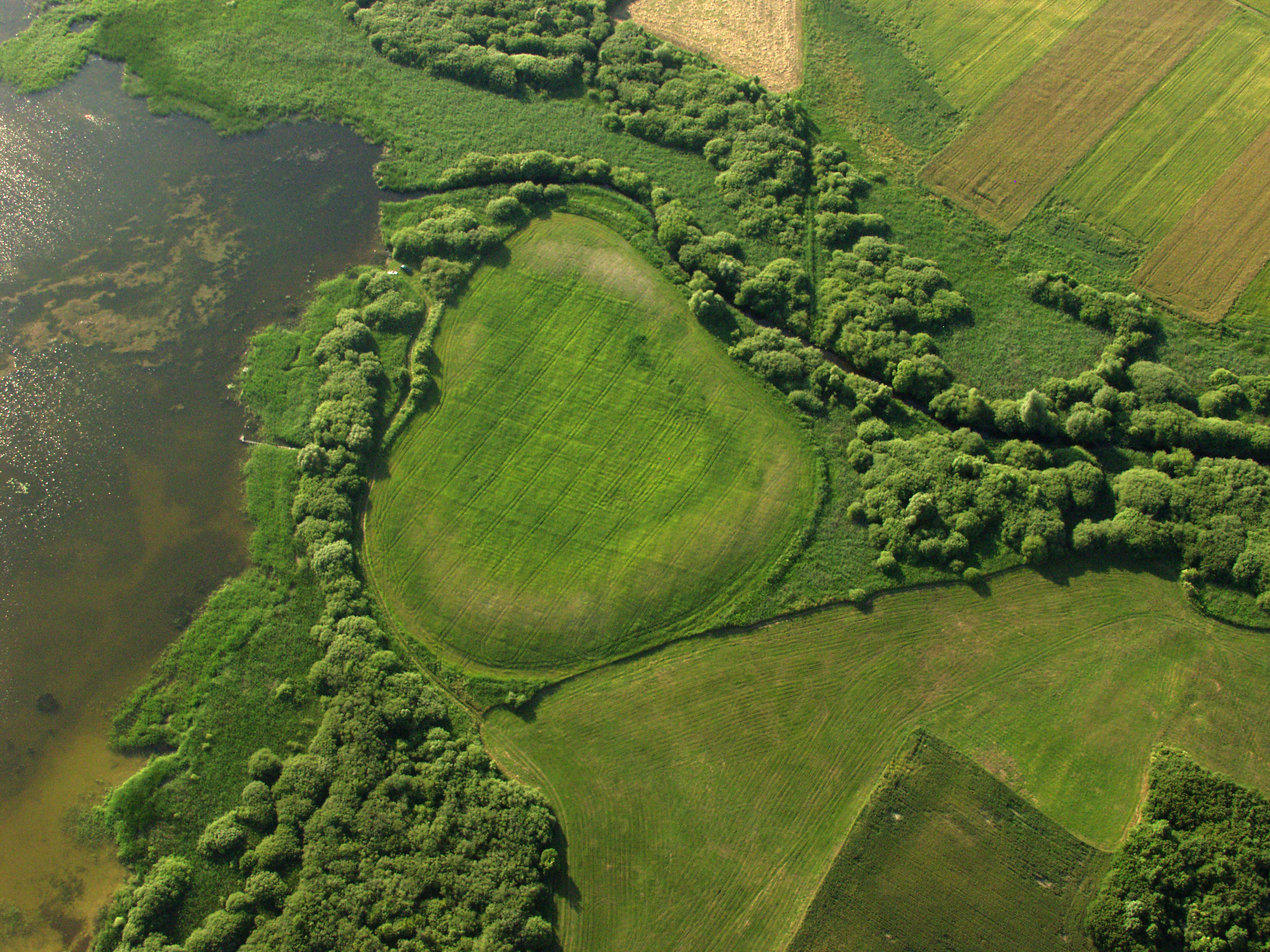
The Polish pilot site at Smuszewo (site 3) was discovered in the 1860s by the land owner, scientist and political activist Karol Libelt, who noticed piles of oak timber by the eastern shore of Lake Czeszewskie. Relics of the breakwater became visible after the water levels lowered due to land improvement works from the first half of the 19th century. The structures were first identified as remains of a pile dwelling, which at that time gained interest because of the seemingly similar discoveries from Switzerland.
The first archaeological investigations at Smuszewo were carried out in the 1860s, and the findings 'prompted a debate on the earliest possible date for the beginning of the human culture', which was the first step in Polish archaeology becoming a science (Dzięgielewski 2017, 342). During excavations in the 1950s–1960s, archaeologists unearthed the lower parts of wooden houses, streets and ramparts, accompanied by pottery shards, bone fragments and over a thousand artefacts, which allowed for later site identification as a Late Bronze–Early Iron Age fortified settlement of the Lusatian/Urnfield culture (Durczewski 1970, 7–13).
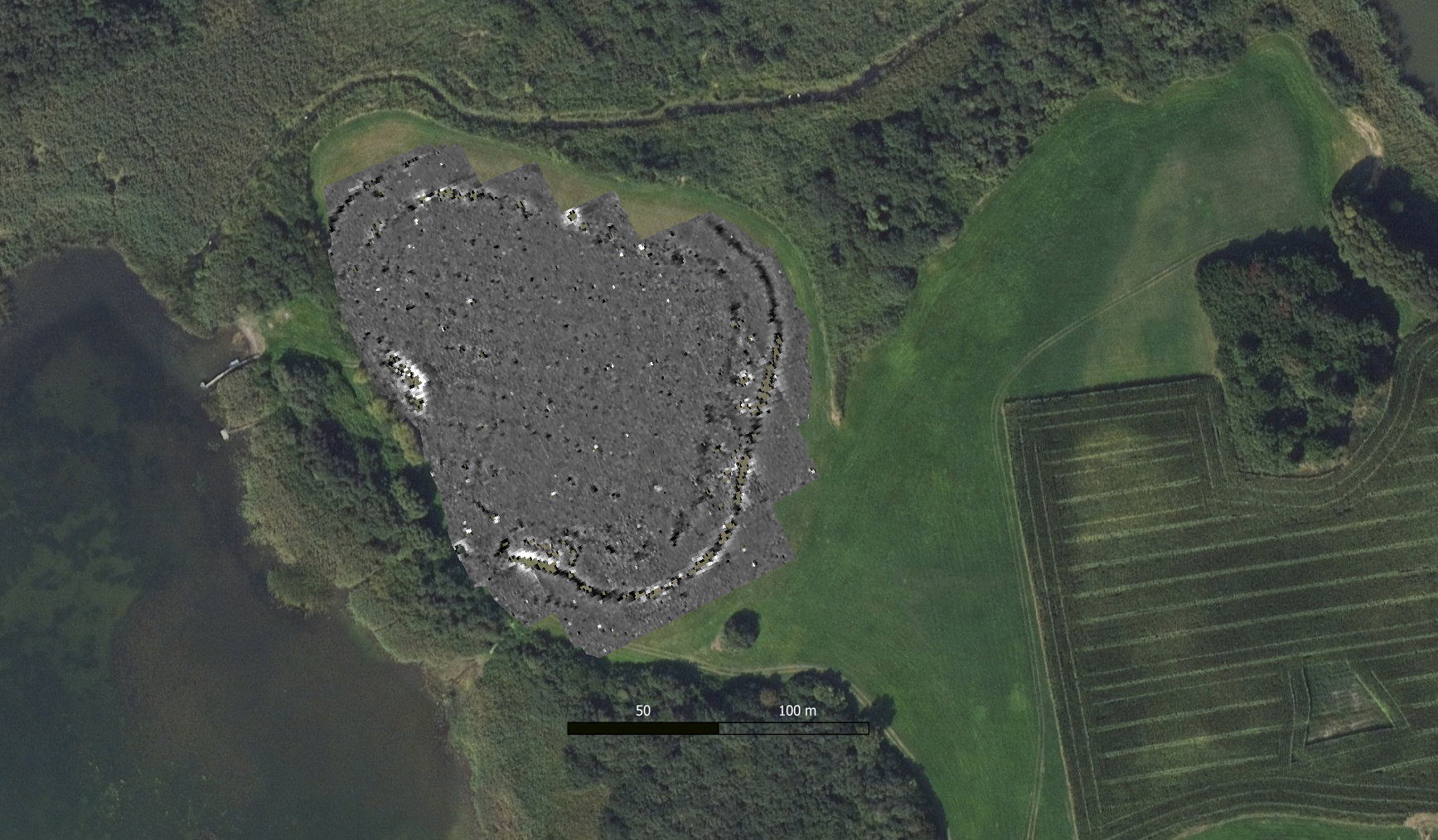
In 2004 and 2005, the first geophysical prospection (gradiometer) was carried out on the site by Professor Anthony Harding from the British Academy, and an aerial survey by Professor Włodzimierz Rączkowski from Adam Mickiewicz University (AMU) in Poznań. The former revealed the spatial layout of the settlement (Figure 3). Clear lines of adjacent structures ran along the northwest–southeast axis, probably seven in number. Individual households were marked by higher anomalies located inside the structures at c. 10-m intervals, and were interpreted as hearths or ovens. The rampart was marked by a very strong anomaly running all around, and inside it a second, weaker, line, perhaps from a burnt palisade (Rączkowski et al. 2009, 45–48).
In 2008, during underwater archaeological research carried out by the Nicolaus Copernicus University from Toruń, 50 wooden piles of the ancient breakwater were identified. Dendrochronological analysis established its construction date at 768–746 BCE (Chudziak et al. 2011, 59).
Currently, archaeological records from Smuszewo are again being researched. Dr R. Staniuk from AMU is digitising the legacy archaeological records from the mid-20th century to re-interpret past findings.
The TRIQUETRA project, as well as the archival research, includes acquiring new UAV aerial images, multi-spectral, ALS, bathymetric, GPR and water monitoring data, as well as analyses of satellite imagery.
Despite the research to date, site 3 in Smuszewo is still relatively undisturbed, and wooden structures remain preserved below the ground. However, these delicate relics are threatened by agricultural practices (including chemical changes in soil and water), fluctuating water levels, algae blooms related to increasing temperature, and, on the one hand, instant flooding caused by heavy rainfall, and on the other hand by ever prolonged periods of drought (Graf et al. 2025).
Site 3 in Smuszewo, a listed monument, is quite isolated. It is located in fields about 2 km from the village, and lies on publicly owned land. There is no development pressure, but its distance from the nearest dwellings makes it difficult to monitor and protect. The village of Smuszewo itself is very small, now inhabited by less than 120 people (26 households in 2002, based on data from the National Censuses of 2002 and 2021 by Central Statistical Office (GUS)). Administratively, it belongs to Damasławek commune, and the seat of local (county-level) authorities is located 14 km away. The commune has a population of less than 5000 and keeps diminishing (GUS data from 2024) The level of average monthly wages differs negatively from the average in the province (Wielkopolskie Voivodeship) and is also lower than the national average (80% according to GUS data for 2002–2023). It is a rural community with c. 90% of the territory being agricultural land. About three-qurters of the adult population have completed only vocational or primary education (GUS data), although, generally, the younger the age group the higher the education level.
In terms of heritage management and preservation, the site in question is also distant from relevant institutions. The distance from Poznań, where the archaeological museum curating archaeological archives from Smuszewo and the nearest office of the provincial heritage service are located, is c. 80 km, and the National Institute of Cultural Heritage in Warsaw is over 380 km away.
In these circumstances, and referring to the results of public opinion surveys described earlier, challenges to successful outreach might be expected, especially regarding the level of education and wealth of the local community.
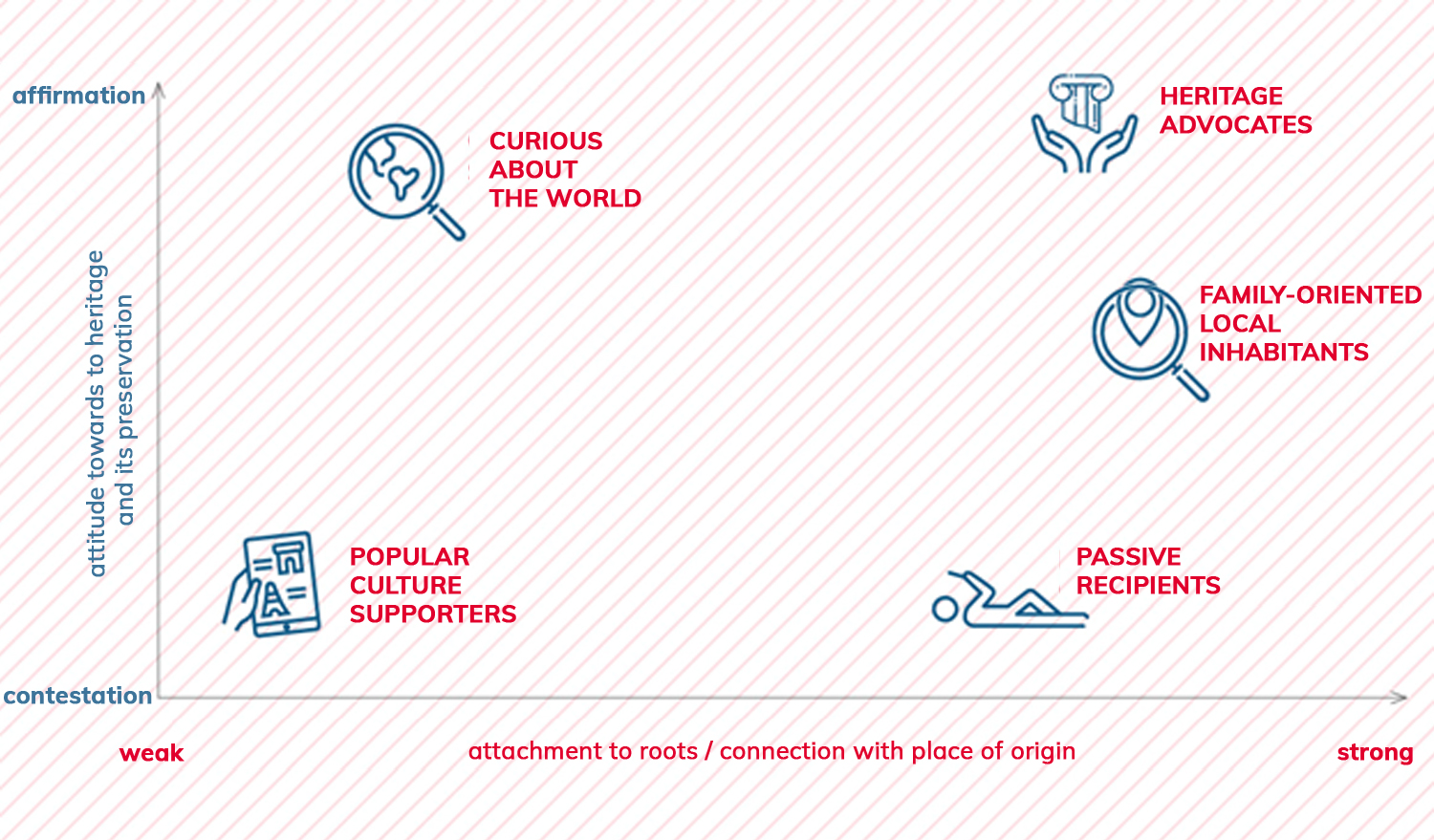
Based on the heritage recipient segments identified in a NID survey in 2021 (Narodowy Instytut Dziedzictwa 2021), we made some assumptions regarding our target audience. We expected to engage traditional groups with deep emotional ties to their roots and families; specifically, we hoped for a high turnout of heritage advocates while remaining wary of more passive participants (Figure 4).
The survey summary defined these three groups and their expectations as follows:
The following sections outline the methodology and subsequent outreach activities conducted as part of the TRIQUETRA project. The scalability of this approach, along with its applicability to diverse heritage contexts and communities, is examined in the Conclusion.
'Infodumping' is the practice of sharing large amounts of information about a particular topic, usually a special interest or hobby. It is often one-sided, characterised by detailed and enthusiastic exploration of a subject. This communication style is commonly associated with neurodivergent communities, however, providing too much information can easily happen with archaeologists fascinated by their discipline. Aside from passion, it may also happen because archaeological heritage can instigate discussion on diverse issues such as science, art, time, environment, landscape, belonging and many others. This is why, before entering any archaeological outreach project, the archaeologists or educators involved must limit themselves to a narrower range of topics that can be conveyed within a given time limit. Clear specification of goals and messages enables, subsequently, choosing an archaeological site well suited for the project's needs. The significance of the selected site should be relatively easy to grasp and advocate for outside the archaeological sector; however, the choice is not to be limited to the most obvious examples. Argumentation should be grounded in heritage values to empower archaeological educators.
Experience
In case of the TRIQUETRA project, both the message and site were chosen from the start. We knew that we have to inform the local public about the influence of climate changes on archaeological heritage and mitigation measures enabling sustainable management of the pilot site in Smuszewo. This message by far exceeds 'archaeology 101', as the discipline itself is still developing methodologies in this regard. We, therefore, decided to build on the general tasks of our organisation, namely: disseminating knowledge about heritage and raising social awareness of the value and preservation of cultural heritage. To be more precise, we needed to start from explaining site 3 in Smuszewo, the concept of archaeological heritage itself and the principles of the in-situ preservation. Based on the research to be carried out on the site, we planned to explain the current methods and interests of archaeology.
The value of the Smuszewo site lay in it being relatively undisturbed, in the existence of well-preserved wooden structures below the ground, an undisturbed landscape and the lack of development pressure. The fact that 2700 years ago the settlement resembled Biskupin, an iconic site in Polish archaeology, was to be a hook for the local public.
Before major resources are committed to transform plans into actions, project leaders should meet with the people responsible by law for the chosen site (local authorities, landowners, etc.). Needless to say, a face-to-face meeting is better to pave the way for friendly cooperation and finding a common ground in a creative and adaptive manner. Personal contact allows verification of whether declarations of support are followed by actual willingness to assist. Local heritage or historic societies and activists can also serve as entry points in/into the community. All those stakeholders usually have established contact networks which can be utilised to find additional supporters. With regard to communication while pitching its ideas, the project team should be specific and use public benefit argumentation adjusted to their interlocutors. When unsuccessful, the project leaders should consider another location for their outreach, because only declaratory support or lack thereof can make the entire project arduous or even unfeasible.
Experience
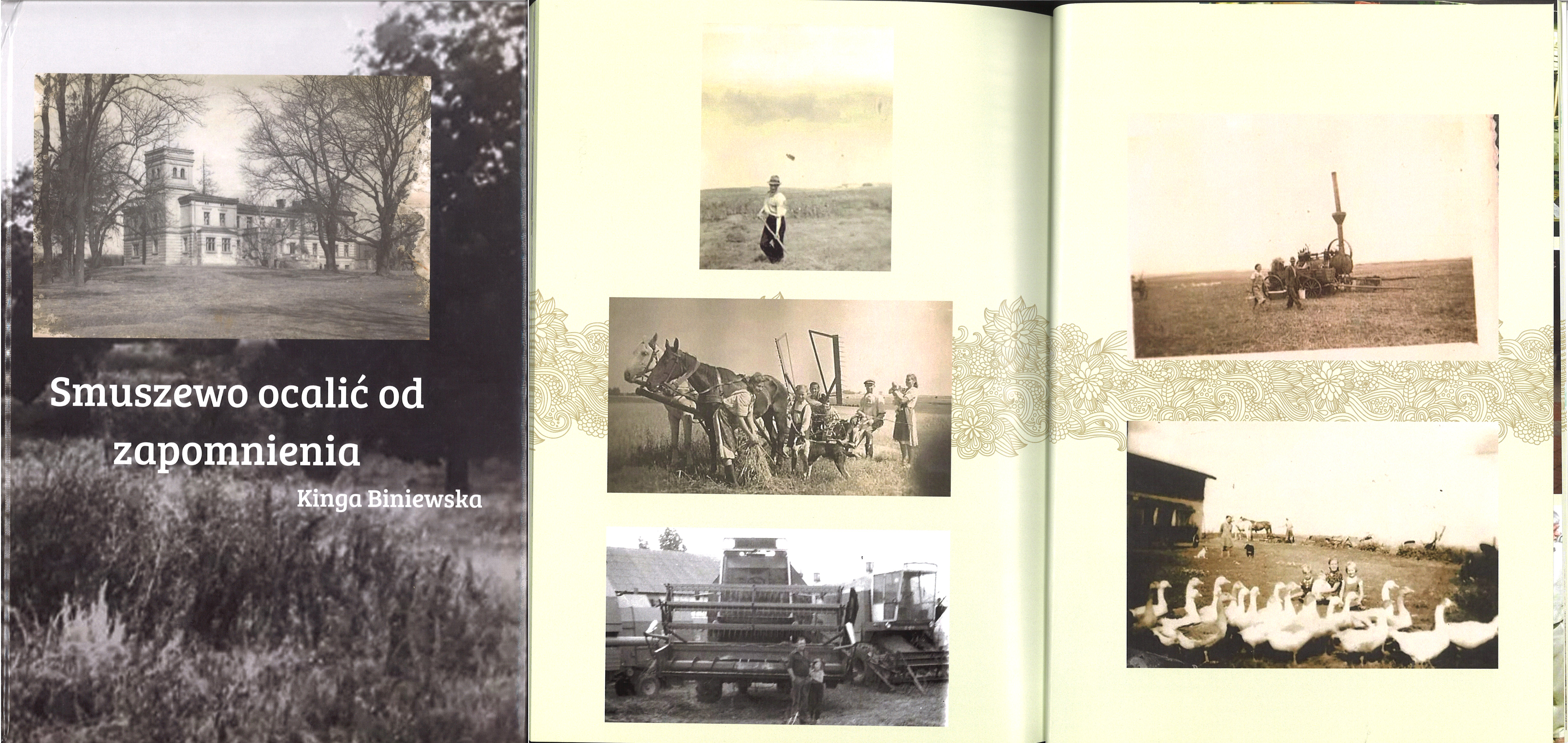
At the beginning of the TRIQUETRA project, teams from two Polish institutions, Adam Mickiewicz University in Poznań (AMU) and National Institute of Cultural Heritage (NID), met with the heads of two relevant communes: Damasławek and Gołańcz. As county-level authorities they are charged by Polish law with setting up strategic plans regarding development goals in the social, economic, spatial, climatic and environmental dimensions. These strategies include preservation of cultural heritage and monuments, which are legally considered elements of meeting the collective needs of the community (Act of 8 March 1990 on local government, JoL 1990.16.95, art. 7, 10e; Poland 1990). In the case of Smuszewo the communes are also relevant landowners. We got support from Damasławek, where officials generally knew about the heritage significance of the Smuszewo settlement, but had no idea how to transform its potential into public benefit. We left our first meeting with very specific arrangements — the logistics of all events and local promotion were to be organised by the local authorities; also, the next steps were decided upon. Additionally, we knew what kind of events our partners expected from us and whom to contact within the community. Later, we met an enthusiastic local heritage activist, Ms Kinga Biniewska, who had earlier carried out her own community archiving project in Smuszewo (Figure 5), and belonged to a local women's association called the 'Pearls'. Since then, they have taken over catering for participants and organising our events. Thus, in Smuszewo we found ourselves in a wonderful position, where all we had to do was to appear with various archaeological activities.
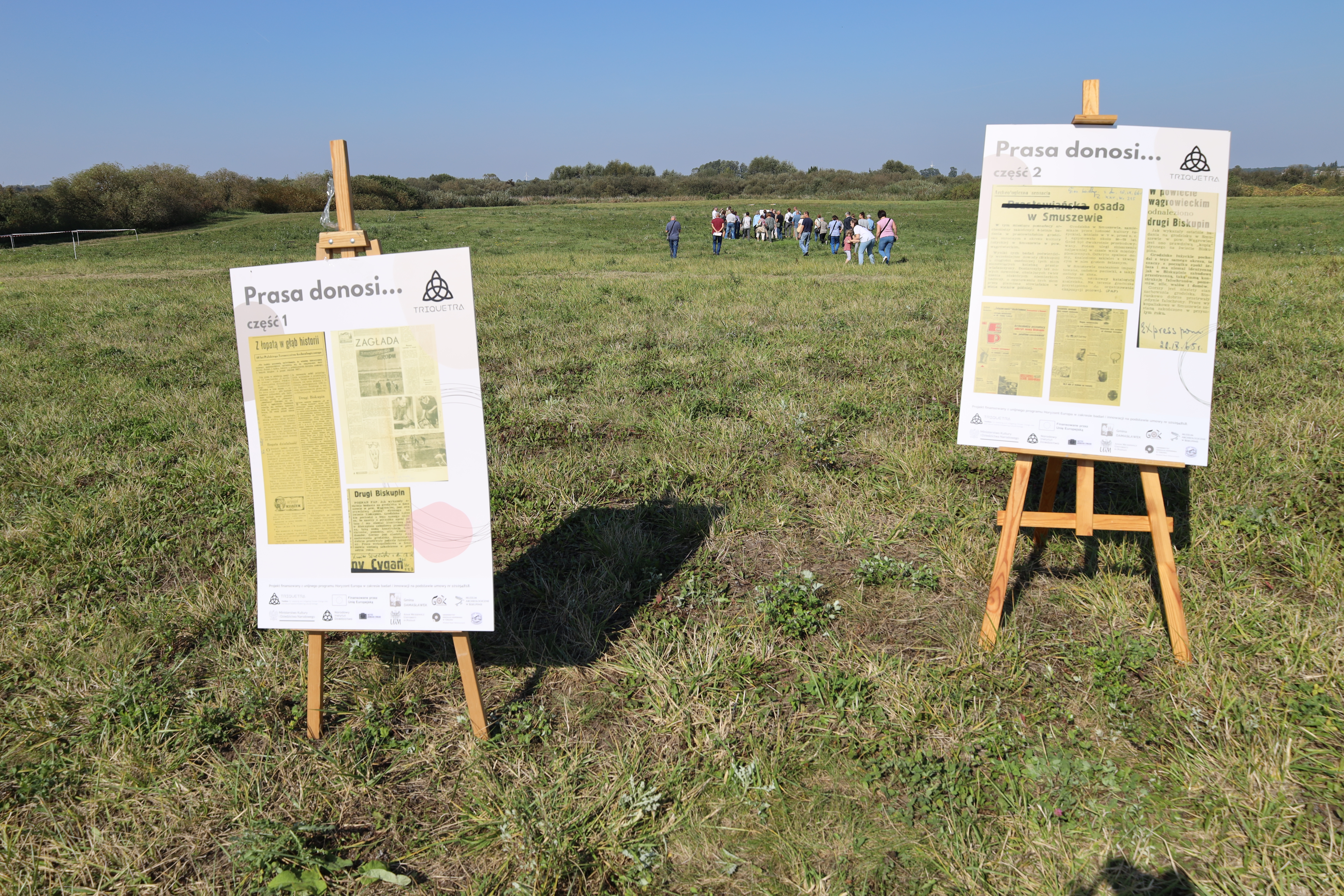
Only after the chosen site is confirmed as a focal point of the communication project, should full archival query start. Owing to the fact that archaeologists will act as translators –intermediaries between archives and the community — even legacy documentation, made consistently to dated methodologies and sometimes incomplete, may be of use. Nor does it have to be already published — 'raw' field data and photos can be used. Clear delimitation of communication goals from the research goals, while asking for permission from the data curators, should resolve any conflicts with records in active scientific use. Whenever possible, sources referring to personal experiences of the community should be used, for example private photographic archives or local press releases (Figure 6).
Activities planning should from the beginning encompass the entire sequence of events. To make the most of closer human relations in local communities, the engagement should gradually increase to let the news spread. The first event should have its own substantive merit but should also serve as a teaser of future actions. It should boost the interest from the public by exploiting various public benefits of archaeology, such as place-making, increasing local pride and community integration.
In order to secure a return and not to 'abandon' the chosen community mid-project, outreach events should be planned as a cycle. It is advisable to anchor the events in already existing more established initiatives. Their character must be carefully considered beforehand, so that the archaeological message suits those occasions.
Experience
In the TRIQUETRA project, the events started with an open lecture in March 2024, continued with workshops for school children and adults in June, and culminated in an archaeological picnic in September. The workshops were carried out as part of European Archaeology Days, and the picnic European Heritage Days. In 2025, the same general pattern was repeated, but the content was more adjusted to an already educated public.
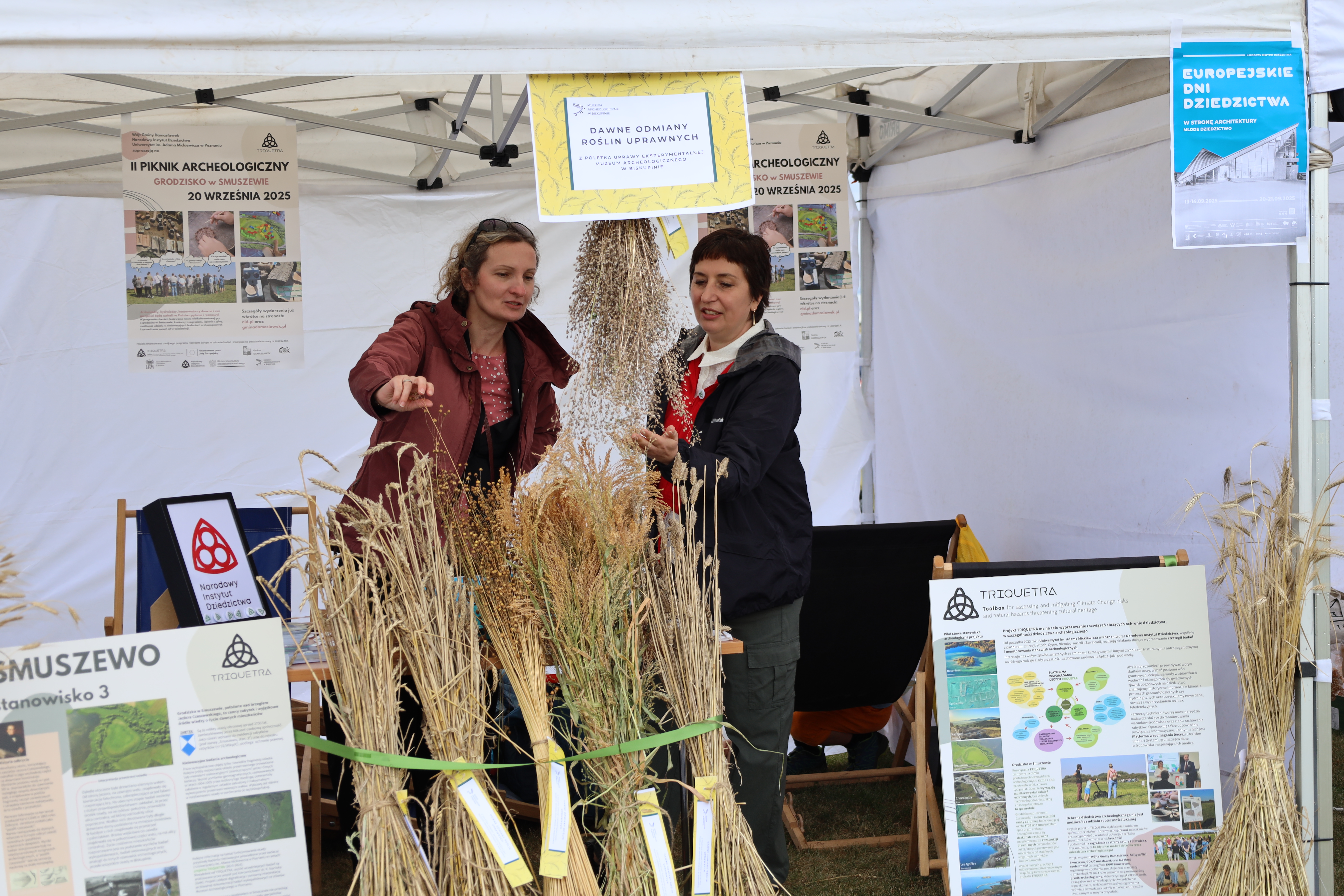
One of the authors also joined the community during an annual harvest festival (Figure 7) by presenting ancient varieties of cereals. It turned out, however, that the local public, albeit otherwise interested in archaeology, attended the event to have fun and socialise and not to learn about the past.
In 2024 in a special Eurobarometer survey, 53% of European Union (EU) citizens (58% in Poland) declared that science was too complicated for them to understand; 36% of Europeans thought that it was not important in their daily lives to know about science (European Commission 2024a). In Poland, the proportion was much higher and amounted to 53% (!). Compared to data from 2021, the number of people finding science incomprehensible or unimportant is growing (European Commission 2024a, 63–67). In this context, it is crucial that archaeologists ensure knowledge-based communication. In the proposed model of archaeological outreach, projects should aim at bringing together the relevant scientific community engaged in various stages of research at the chosen site. The project should demonstrate that knowledge is fun, while keeping the balance between science and entertainment.
Archaeological educators must not approach the community as 'experts' or 'specialists' but as equals — just one heritage community talking to another. The difficulty level of their message should be adjusted to the expected audience; one will not fit all. Respect of the public should be reflected in listening and adapting. When unable to fully answer any questions, educators should return to them during subsequent events. In order to keep the contacts unforced and natural, interpersonal skills of the project team should be considered from the planning stage.
The technical measures used for communication may be very simple. Exaggerated attempts to dazzle the public with flashy technologies may create an unnecessary distance. Educators should be attentive to their public and modify or abandon less welcome activities.
Experience
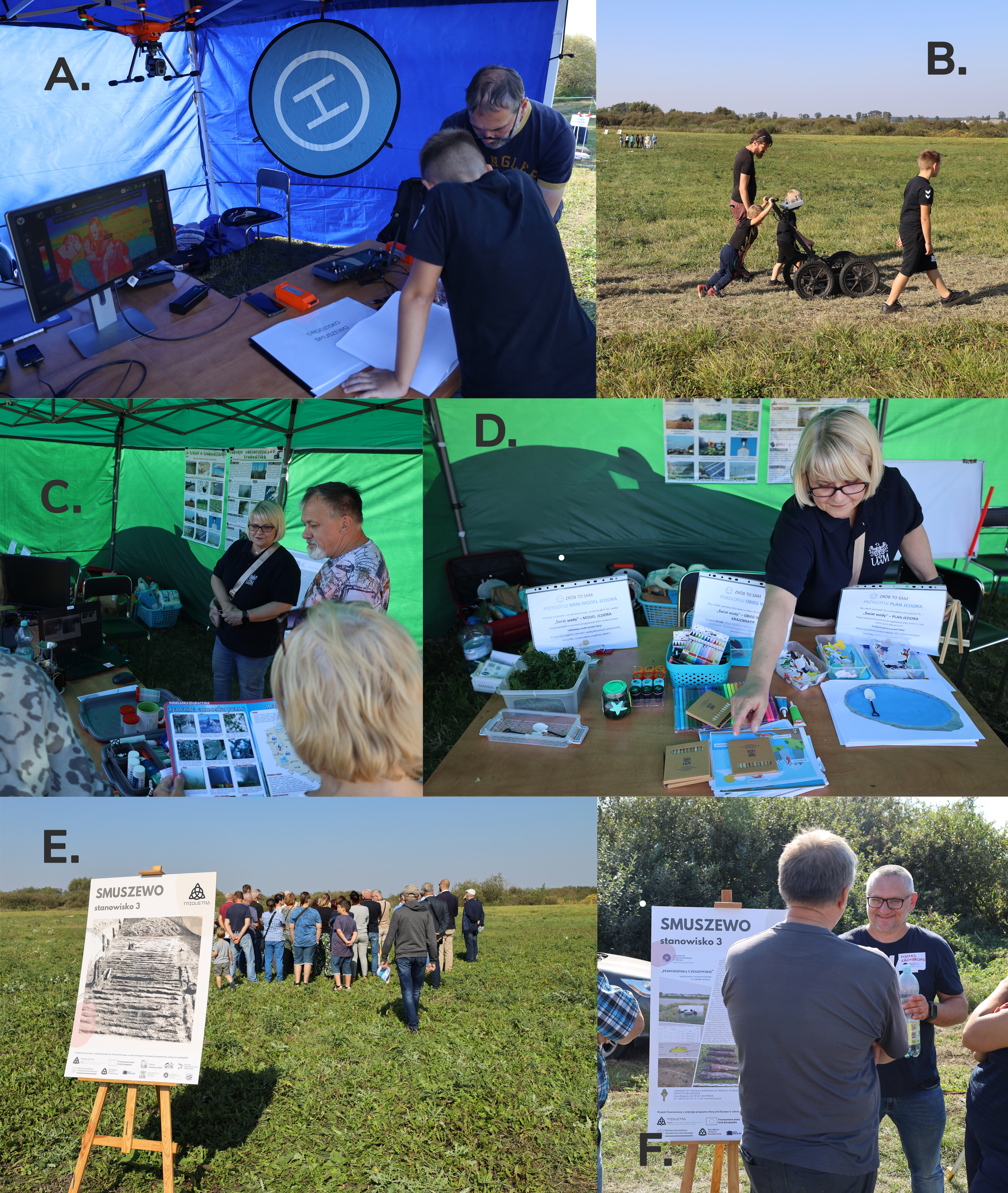
Examples of activities in Smuszewo - During the picnics, our communication was science-based but personal. Adjusting to the public meant, for example, that at the hydrology stall children could make a lake in a jar, and adults talked about water quality and hydrological monitoring. Very successful imaginary tours of the invisible past, i.e. the Late Bronze/Early Iron Age settlement and related underwater structures, involved two archaeologists, 10 posters and nothing more.
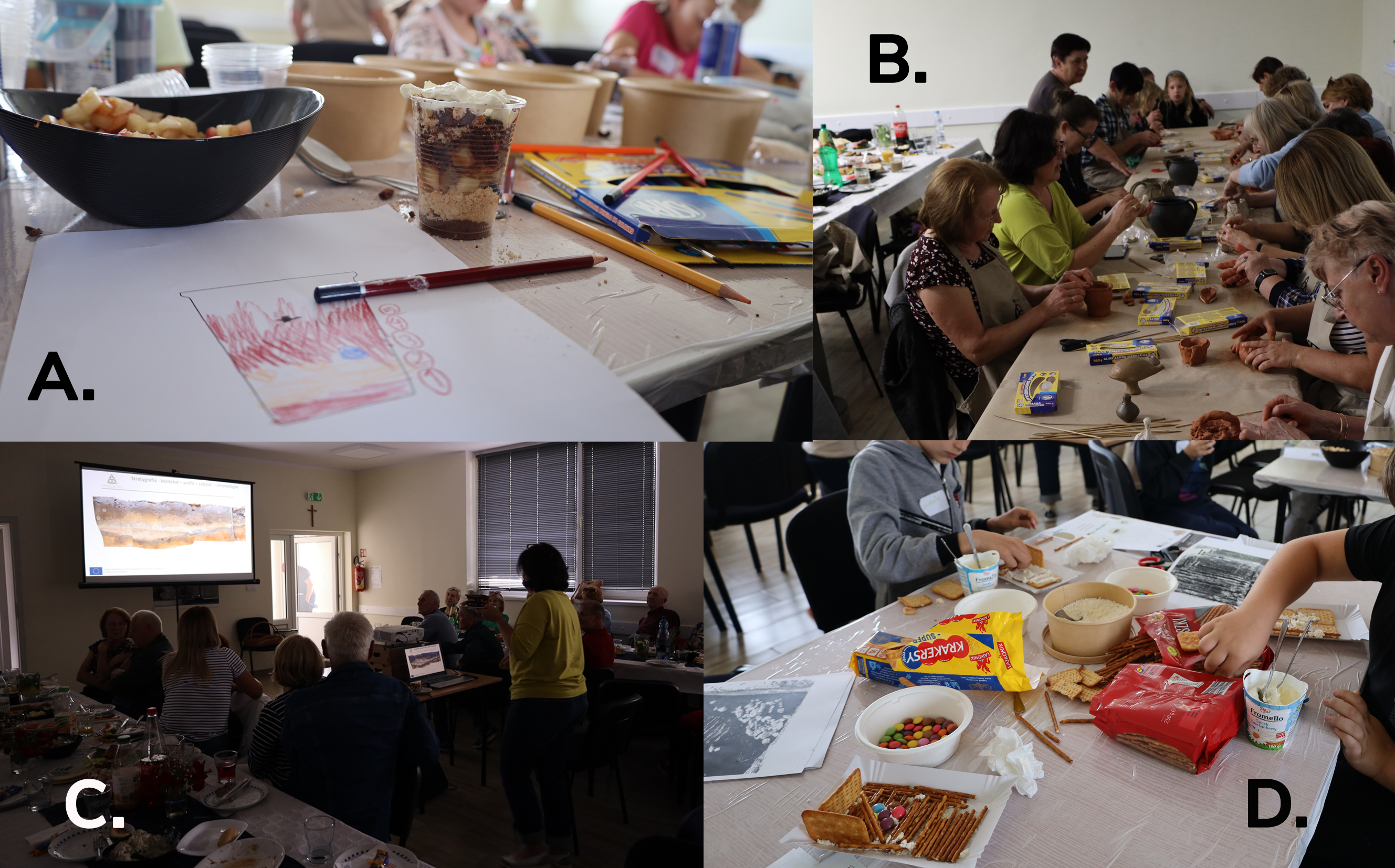
During the workshops, we worked alongside participants on a fake dig and while making clay pots. We used unconventional measures to explain stratigraphy. Adults 'explored' fancy cakes with fruit and chocolate chips as artefacts, and children made their own layered desserts that they had to document afterwards. Wooden architecture was recreated with the use of breadsticks and crackers. Adjusting to the public involved diplomas for children, and a dinner reception for adults.
In successful outreach projects, bonds between heritage professionals and the local community are created. Attachment to an archaeological site that has been discussed in detail for a long time, creates a sense of ownership in all the parties involved. However, keeping in mind the time span of their project, educators must be sensitive to the needs of the public in also identifying the time to step down from leadership in heritage-related activities. A community acting on its own is a measure of their success.
Throughout their project, educators should aim at mobilising local actors in order to secure the future of local heritage. In parallel, the benefits of interaction with the local community should be demonstrated to relevant researchers and heritage professionals, who could continue with their story after the first project ends.
Experience
'Our' local community already started acting on their own during the TRIQUETRA project. Heritage activists were inspired again and organised several public lectures on their own. The discussion after a presentation on satellite monitoring lasted a few hours (!) longer than expected. The presenter, Julia Holzner from Deutsches Zentrum für Luft- und Raumfahrt, was able to clarify some issues in her results, based on the information from the local public — citizen science in action.
After the first archaeological picnic, the local school was given posters presenting the pilot site, and displayed them throughout the school year with additional explanatory text prepared by NID. In 2025, during their science day, the school organised their own archaeological event related to the 1000th anniversary of coronation of the first Polish king, Boleslaus the Brave. The participants watched warrior battles, experienced the Middle Ages thanks to VR goggles, and could prepare food according to old recipes. School children prepared The Royal Fashion Show, featuring period costumes, and participated in an early medieval fashion show. Organisation of this event required initiative and coordination between several actors.
The proposed approach, graphically summarised in Figure 10, is flexible and scalable. It can be adjusted to budget of a single heritage organisation, where education and outreach are usually statutory tasks. It can also be developed into recommended workflows distributed as guidance on a national or regional level, or included in archaeological syllabuses.
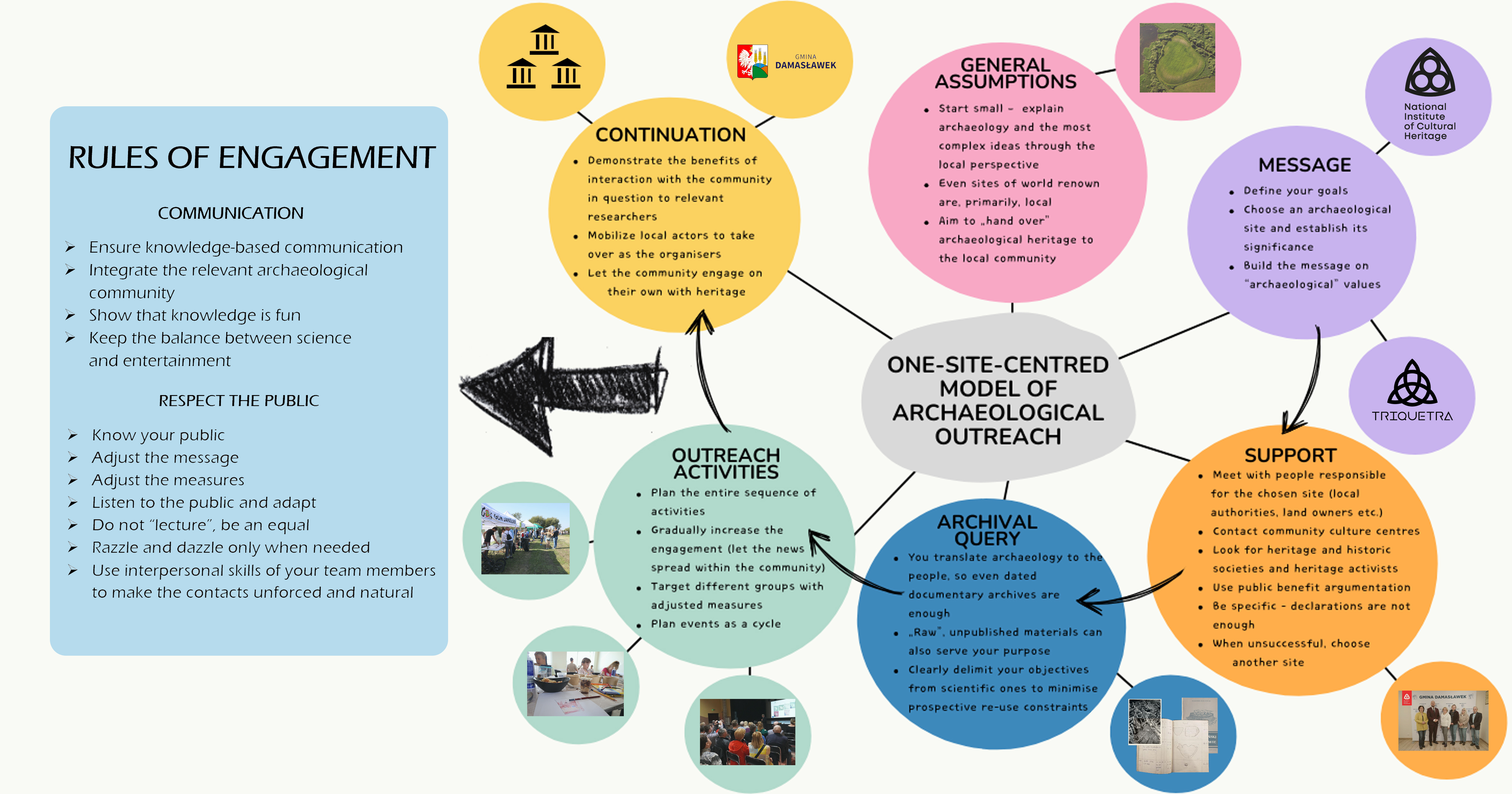
To illustrate the scalability with the Smuszewo example, in 2023 three people worked on the task and for each of them it amounted to less than a working month per year, including the initial phase, the activities and all the preparations. In 2024 and 2025, the number of working months amounted to c. 1.5 month per person. More engagement was needed because of the two picnics. During these events, help from colleagues, still acting within their job description, was needed. Because of the local support, which was crucial for the proposed approach, our costs were limited to printing (posters, leaflets), stationery and other educational aids, as well as travel and accommodation, including those researchers invited to the picnic (their time covered by their respective organisations, because education was one of their duties). If we had decided to stop at lectures and workshops, our working time would have decreased below that of 2023, and no extra help would have been needed. Needless to say, if a similar project was led by a local museum in its vicinity, the costs would include only (or mostly) various supplies and working hours.
The long-term effects within the community are yet to be investigated, because the TRIQUETRA project has only just ended. However, we can already see that archaeological heritage is closer to the community. They understand it better and the related feeling of local pride is there. The site has been marked as protected with the blue shield sign. The local authorities and the community centre were given materials for further activities, including a dedicated large-scale board game, digital visualisation and 3D models, and content for an onsite information board. In a wider context, the awareness of interconnectedness between heritage, landscape, climate and people has also increased.
A single archaeological site may serve as an 'entry point' to the fascinating world of heritage and science, and different complex ideas can be demonstrated through the local perspective. Moreover, luckily for chronically underfinanced heritage institutions, even the simplest solutions can be used to bring forgotten heritage back to life, and, at the same time, sensitise local community to its vulnerability. When budget constraints are no longer a reason not to approach communities with knowledge of the local archaeological sites and various heritage-related topics, the key is to remain flexible and attentive to the needs of the public. If you are able to truly listen to the local people, and when archaeology is your passion, your positive approach and positive emotional charge will hardly be rejected.
Delivering public benefit from archaeology and archaeological heritage is the responsibility of the entire sector. For the signatories of the Faro Convention, assuring social participation in heritage becomes a must. Usually, adapting to this evolving framework requires transformation of existing practices. Regardless of all the challenges for the heritage sector, including the society in cultural heritage management can be satisfactory for different stakeholders: heritage specialists, local authorities and owners responsible for the day-to-day management of historic assets, and various heritage communities, of which the ones physically closest to the relics of the past can be the best advocates and guardians of historic treasures.
Internet Archaeology is an open access journal based in the Department of Archaeology, University of York. Except where otherwise noted, content from this work may be used under the terms of the Creative Commons Attribution 3.0 (CC BY) Unported licence, which permits unrestricted use, distribution, and reproduction in any medium, provided that attribution to the author(s), the title of the work, the Internet Archaeology journal and the relevant URL/DOI are given.
Terms and Conditions | Legal Statements | Privacy Policy | Cookies Policy | Citing Internet Archaeology
Internet Archaeology content is preserved for the long term with the Archaeology Data Service (ROR). Help sustain and support open access publication by donating to our Open Access Archaeology Fund.
 Home
Home