Cite this as: Barrett, R. 2026 'The Continued Lifecycle of Archaeological Archives in Ireland', Internet Archaeology 72. https://doi.org/10.11141/ia.72.8
This article will discuss how the archaeological collections of Ireland are currently managed in line with archiving principles, how the provision of access to such a wealth of information is the ultimate goal, and how this is being achieved in spite of resourcing challenges that all within this sector will be familiar with. Public demand for access to records has recently seen a distinct shift towards the expectation of receiving material in digital format, without researchers necessarily being obliged to consult original material in a reading room. While it is a welcomed fact that digital records reach a wider audience, it is important for users of archives to recognise that most records are not suitable to be digitised instantaneously upon deposit with an archive. From an archivist’s point of view, the processing of collections, which includes preparing, indexing, cataloguing and digitising records that were not originally born digital, in advance of any provision of access, requires consistency, attention to detail and, most importantly, time. Ninety percent of the National Monuments Service (NMS) Archive collections are not born digital, therefore the work does not cease when the records are deposited, and it is in fact only the beginning of the process to make the information as widely available as possible. While the ambition of archivists remains that of making collections available, it is often the case that it is necessary to be creative and realistic in order to make this possible. The process can be challenging, with regular complications such as lack of funding, lack of staff or insufficient ICT support, and it can take time, but the end goal remains the same – the provision of access to the collections under care to the wider public. The NMS Archive supports this goal and is making steady progress to achieve this.
Corresponding author: Rachel Barrett
[email protected]
National Monuments Service, Ireland
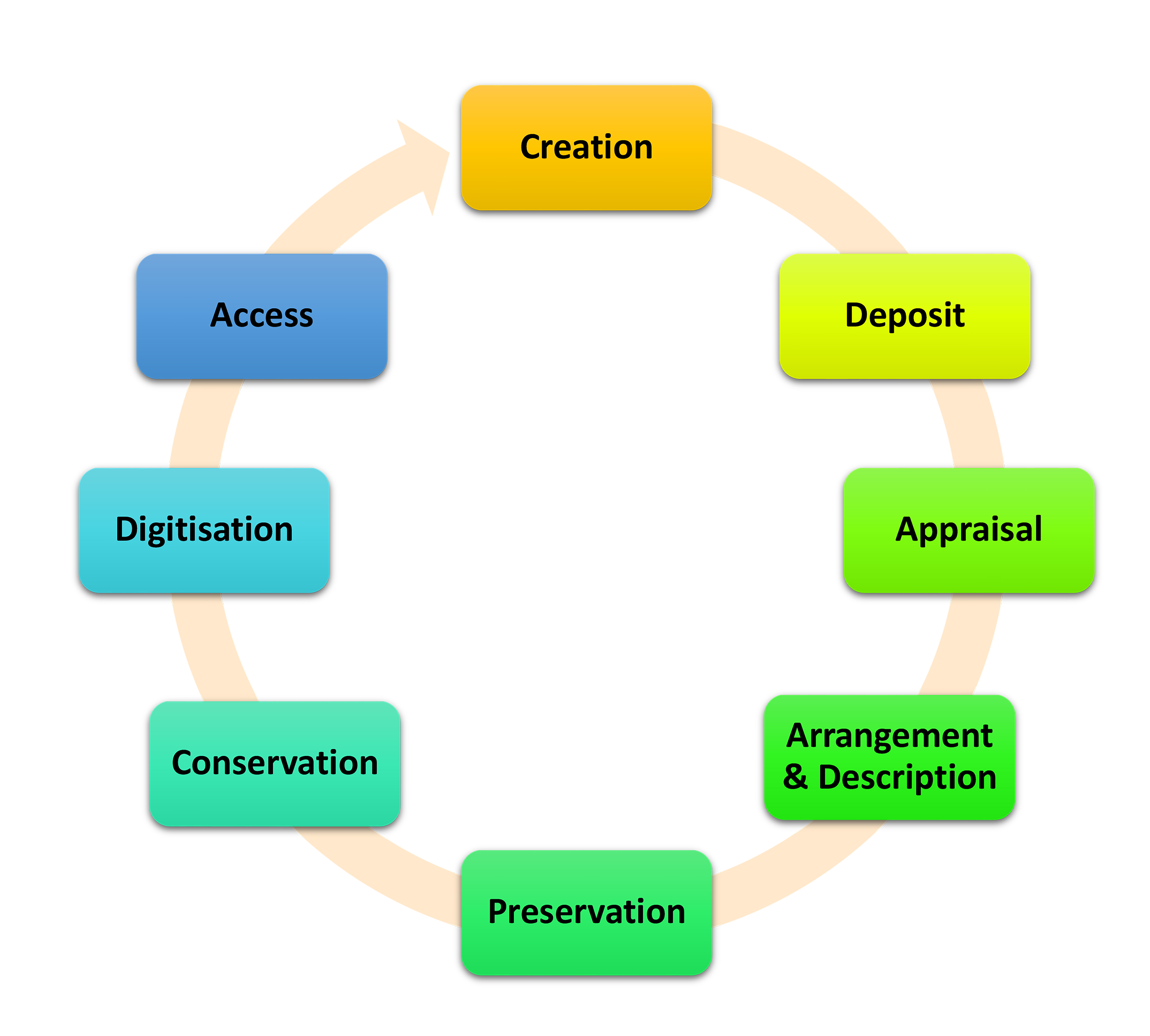
Figure 1: Stages of archiving collections in advance of providing access.
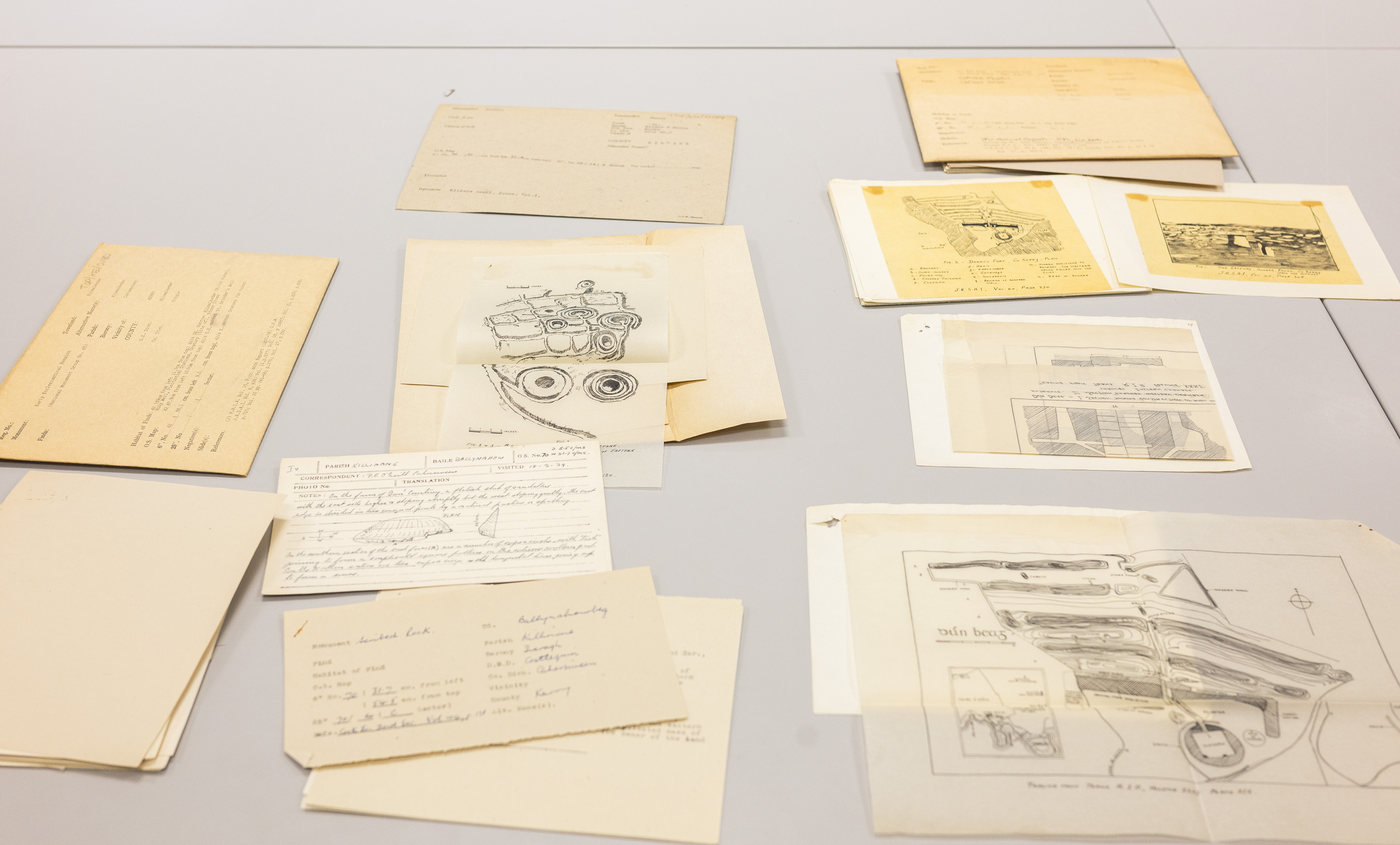
Figure 2: Contents of the Topographical File collection. © Photographic Archive, National Monuments Service, Government of Ireland.
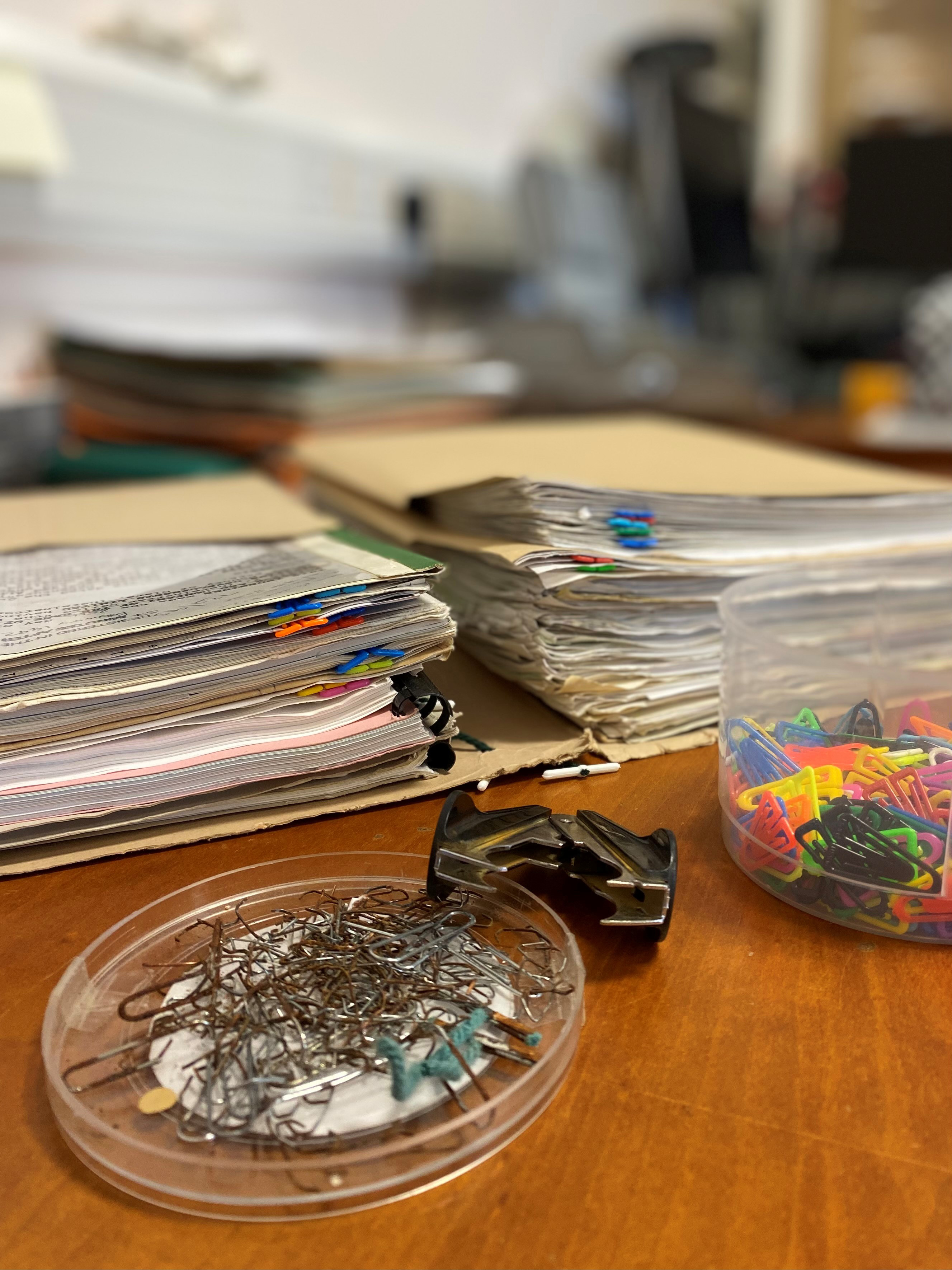
Figure 3: Removing metal from the files. Image by Lauren Jones.
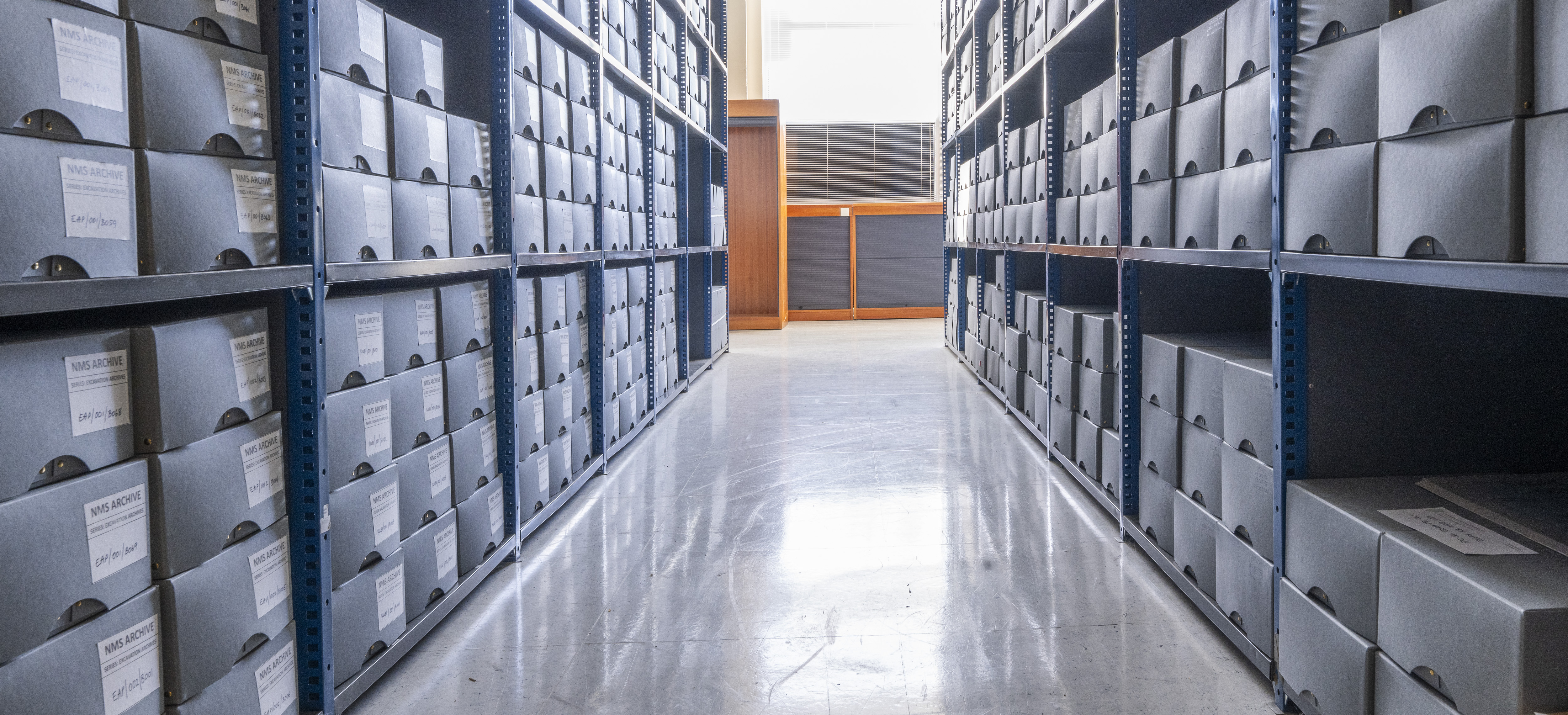
Figure 4: Storage of preserved and catalogued collections. © Photographic Archive, National Monuments Service, Government of Ireland.
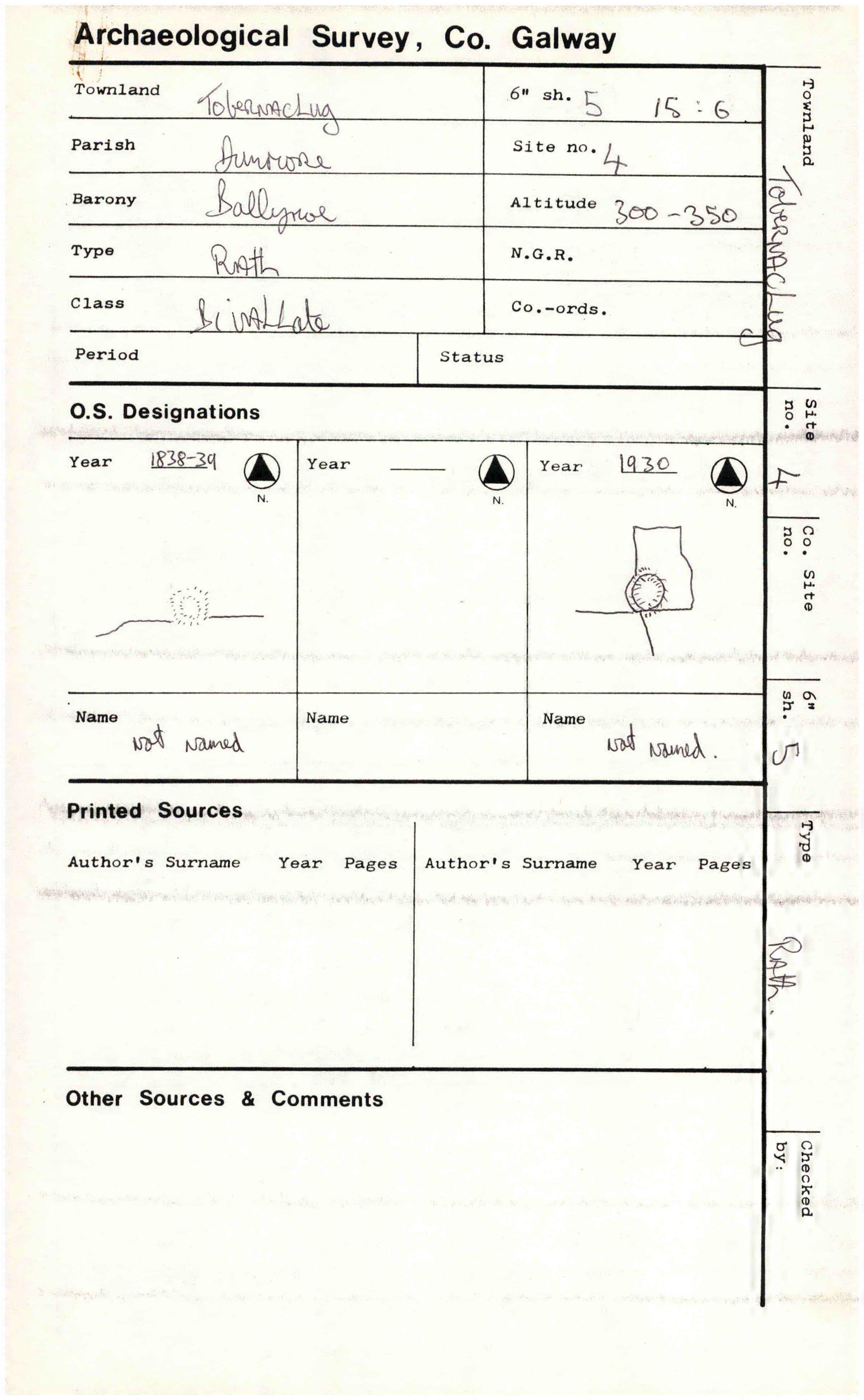
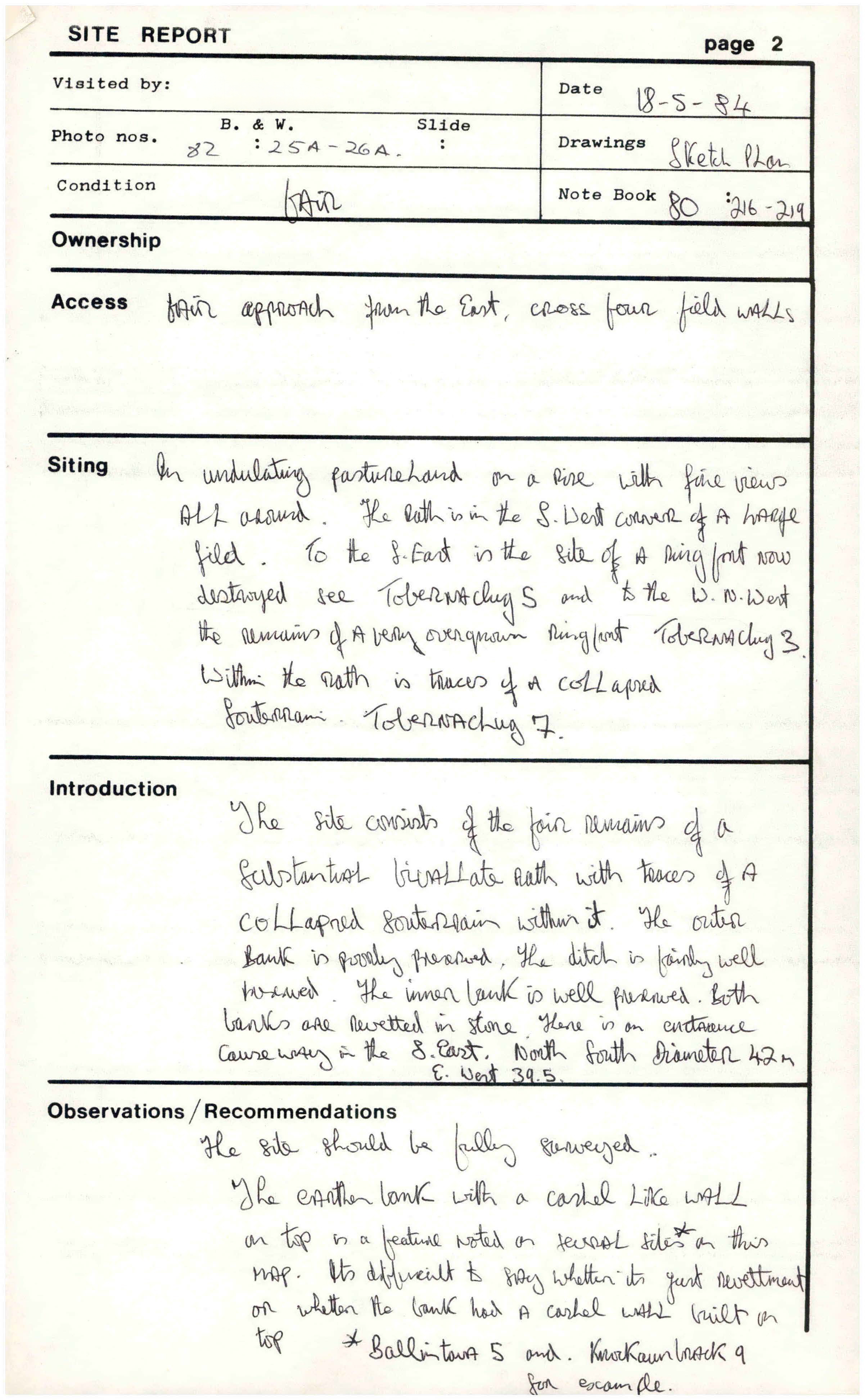
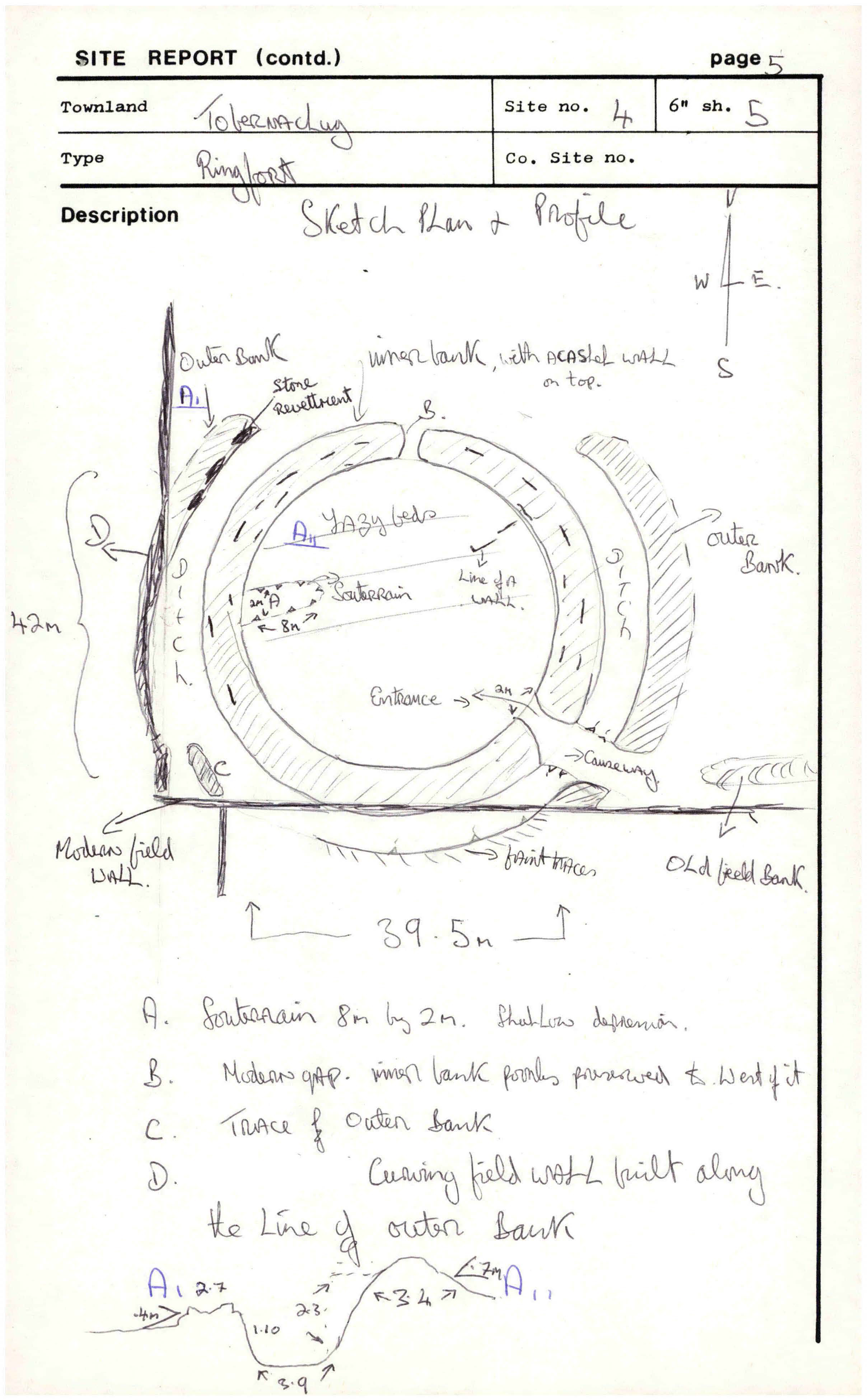
Figure 5a, 5b, 5c: Extract from ASI file, Co. Galway, GA005-109----. Image by Dr Rachel Barrett.
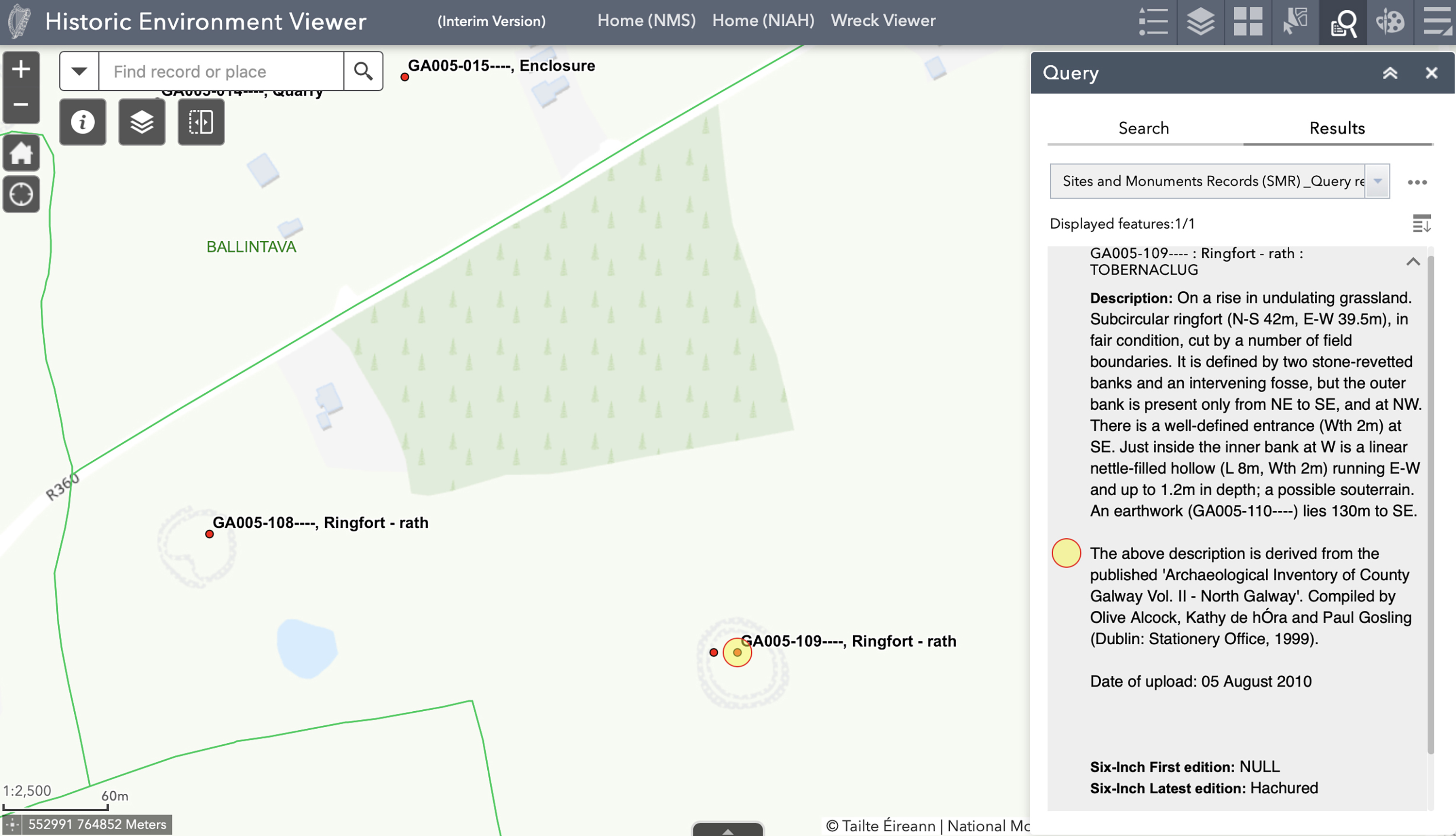
Figure 6: Extract from HEV entry for GA005-109---- www.archaeology.ie.
BSI 2017 'BS 4971:2017, Conservation and Care of Archive and Library Collections', London: British Standards Institution (BSI). https://shop.standards.ie/en-ie/standards/bs-4971-2017-212236_saig_bsi_bsi_677482/ [Last accessed: 28 October 2025].
BSI 2018 'IS EN 16893:2018, Conservation of Cultural Heritage', London: British Standards Institution (BSI). https://shop.standards.ie/en-ie/standards/i-s-en-16893-2018-881040_saig_nsai_nsai_2092947/ [Last accessed: 28 October 2025].
Barrett, R. 2024 'Guidelines for the Transfer of Excavation Archives to the National Monuments Service Archive', Dublin: Government of Ireland. https://www.archaeology.ie/publications/nms-deposit-guidelines/ [Last accessed: 18 August 2025]
ICA 2000 ISAG(G): General International Standard Archival Description, 2nd edn, Ottawa: International Council on Archives (ICA). https://www.ica.org/resource/isadg-general-international-standard-archival-description-second-edition/ [Last accessed: 18 August 2025].
NMS n.d.a 'Collections and Publications', Dublin: National Monuments Service (NMS). https://www.archaeology.ie/collections-and-publications/ [Last accessed: 28 August 2025].
NMS n.d.b 'Historic Environment Viewer', Dublin: National Monuments Service (NMS). https://www.archaeology.ie/advice-and-support/locate-a-monument-or-wreck/historic-environment-viewer/ [Last accessed: 18 August 2025].
The National Archives n.d. 'Archive Basics', Richmond: The National Archives. https://www.nationalarchives.gov.uk/archives-sector/advice-and-guidance/managing-your-collection/archive-basics [Last accessed: 18 August 2025].
The National Archives of Ireland n.d. 'Referencing Archives', Dublin: The National Archives of Ireland. https://nationalarchives.ie/help-with-research/referencing-archives/about-reference-codes/ [Last accessed: 18 August 2025].
University of Limerick n.d. 'Archival Process. What happens to archives before a researcher sees them?', Dublin: University of Limerick, Glucksman Library Special Collections and Archives. https://specialcollections.ul.ie/archival-process/ [Last accessed: 18 August 2025].
Office of the Attorney General 2023 Historic and Archaeological Heritage and Miscellaneous Provisions Act, 2023, No. 26 of 2023, electronic Irish Statute Book (eISB). https://www.irishstatutebook.ie/eli/2023/act/26/enacted/en/html [Last accessed: 18 August 2025].
Internet Archaeology is an open access journal based in the Department of Archaeology, University of York. Except where otherwise noted, content from this work may be used under the terms of the Creative Commons Attribution 3.0 (CC BY) Unported licence, which permits unrestricted use, distribution, and reproduction in any medium, provided that attribution to the author(s), the title of the work, the Internet Archaeology journal and the relevant URL/DOI are given.
Terms and Conditions | Legal Statements | Privacy Policy | Cookies Policy | Citing Internet Archaeology
Internet Archaeology content is preserved for the long term with the Archaeology Data Service (ROR). Help sustain and support open access publication by donating to our Open Access Archaeology Fund.
 Home
Home